Can A Dishwasher Clean Every Utensil Equally Well? 10 Kitchen-Cleaning Myths Explained
Can a dishwasher handle every utensil equally well? From cast iron and non-stick pans to scrubbers, hot water and detergent, these 10 kitchen-cleaning myths reveal what works, what causes damage and what should change.
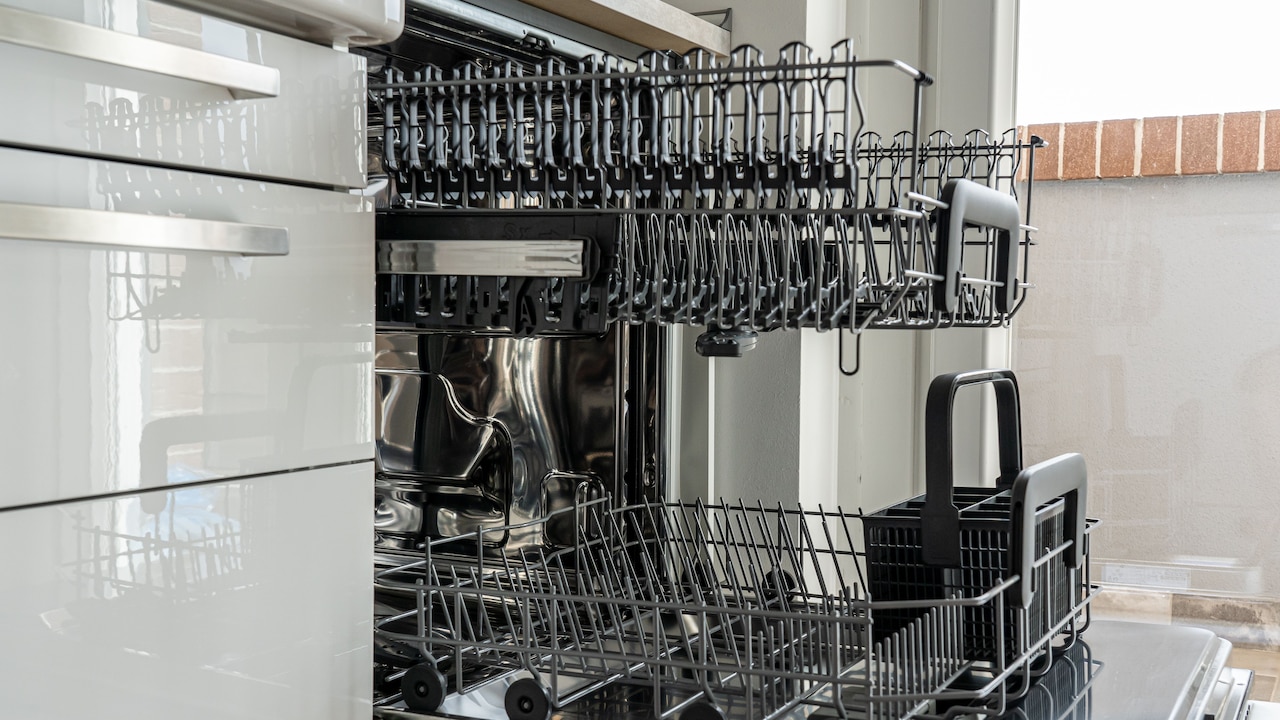
Can A Dishwasher Clean Every Utensil? 10 Kitchen-Cleaning Myths Busted
Kitchen cleaning comes with its own collection of inherited wisdom. Some rules arrive from parents, others from neighbours, social media videos or that one enthusiastic relative who has a miracle solution involving baking soda for practically everything. A few tips genuinely work. Others survive simply because nobody has questioned them. Modern kitchens make things even more interesting. Stainless-steel pressure cookers sit beside non-stick tawas, cast-iron pans share shelves with glass containers, and dishwashers increasingly handle the mountain of plates that follows a large family meal. Yet one cleaning method cannot suit every surface. That matters because aggressive scrubbing, excessive detergent and unsuitable dishwasher cycles can gradually ruin expensive cookware. Even harmless-looking shortcuts may leave odours, stains or scratches behind.
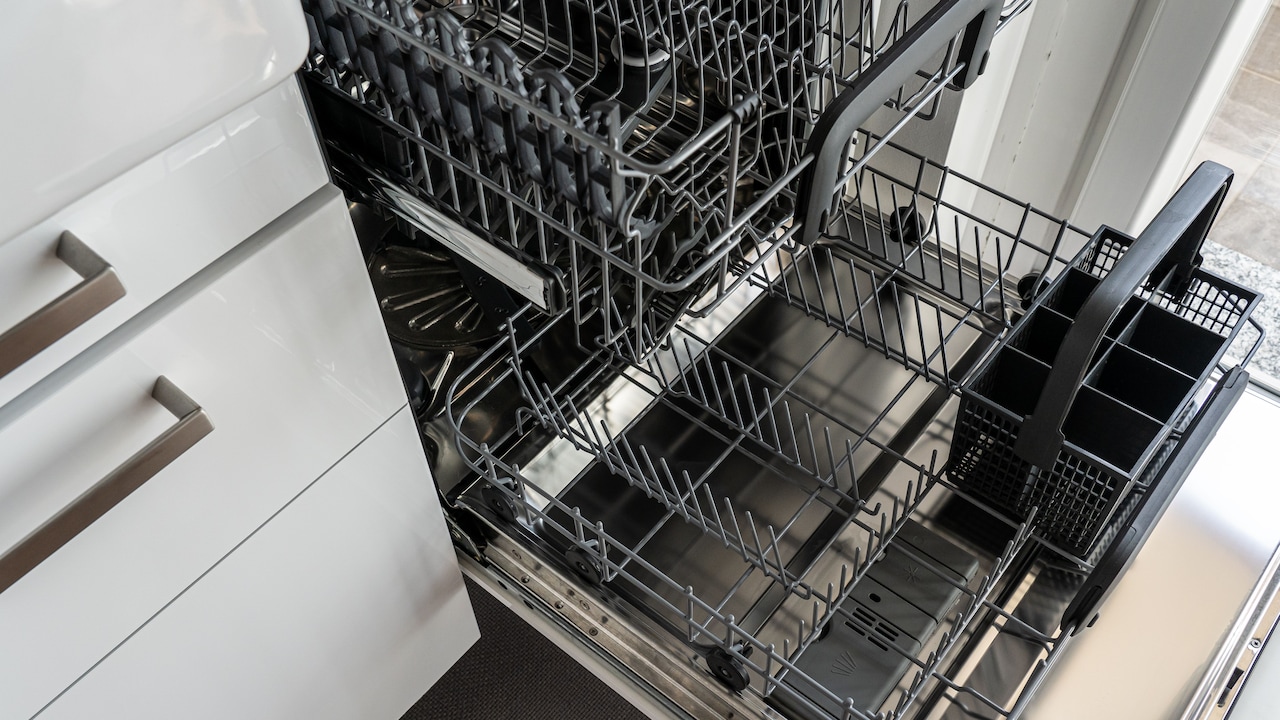
Can A Dishwasher Clean Every Utensil? 10 Kitchen-Cleaning Myths Busted; Photo Credit: Pexels
So, before declaring war on the sink after Sunday lunch, it helps to separate useful cleaning advice from kitchen folklore. These ten myths reveal what actually keeps utensils clean, fresh and ready for the next round of chai, tadka and midnight leftovers.
Also Read: Top 5 Affordable Dishwashers For Easy And Hassle-Free Kitchen Cleaning
10 Kitchen-Cleaning Myths You Should Stop Believing
1. A Dishwasher Cleans Every Utensil Equally Well
A dishwasher can feel like magic after a dinner involving six plates, four bowls, three serving dishes and a pressure cooker that looks as though it survived a small volcano. Still, it cannot treat every utensil equally well.
Dishwashers rely on hot water, detergent and strong sprays. Stainless-steel cutlery, many ceramic plates and dishwasher-safe glassware usually handle that environment comfortably. Delicate or reactive materials need more care.
Wooden chopping boards and spatulas can swell, crack or warp after repeated exposure to heat and moisture. Cast-iron cookware may lose its carefully built seasoning. Some aluminium utensils can discolour, while decorative crockery may lose painted details over time.
Non-stick pans also deserve attention. Even when manufacturers describe them as dishwasher-safe, frequent high-temperature washing and harsh detergent may gradually wear the coating.
The safest approach starts with the manufacturer's care instructions rather than guesswork. Load dishwasher-friendly items properly and wash sensitive cookware by hand.
The dishwasher remains a brilliant helper. It simply cannot become the kitchen's universal washing machine.
2. More Dishwashing Liquid Means Cleaner Utensils
When a greasy kadai refuses to cooperate, adding another heroic squeeze of dishwashing liquid feels logical. More foam must mean more cleaning power, surely?
Not necessarily.
Dishwashing detergents contain cleaning agents designed to lift grease and food residue from surfaces. Once enough product exists to do that job, pouring in much more rarely improves the result. Instead, excess detergent can become harder to rinse away and may leave a slippery film or lingering fragrance on utensils.
The same principle matters even more inside a dishwasher. Too much detergent can create residue on glasses, plates and the machine itself. Using ordinary hand-washing liquid in a dishwasher can produce an even bigger surprise: a kitchen floor full of foam.
Effective cleaning depends more on correct technique than spectacular bubbles. Scrape away food first, use warm water when suitable and give stubborn grease a little soaking time. Then use the recommended amount of cleaner.
A ₹100 bottle that lasts several weeks makes more sense than emptying half of it during one enthusiastic washing session.
Foam looks satisfying. Cleanliness, however, cannot be measured in bubbles.
3. Hot Water Kills Every Germ Instantly
Hot water has a reassuring reputation. There is something wonderfully convincing about steam rising from a sink full of utensils. Unfortunately, ordinary hot tap water does not instantly destroy every microorganism it touches.
Temperature certainly matters in hygiene, but so do contact time, cleaning agents and the type of contamination involved. Water that feels extremely hot to human hands may still fall short of the conditions needed for reliable sanitisation.
For everyday utensils, thorough washing remains the priority. Dishwashing liquid helps loosen grease and food residue where microbes can linger. Scrubbing reaches corners and textured surfaces, while proper rinsing removes loosened debris.
Dishwashers can provide an advantage because selected programmes use consistently high temperatures for controlled periods. That differs greatly from quickly running a plate beneath hot tap water.
There is also no need to turn hand-washing into a test of pain tolerance. Scalding water can injure skin without offering proportionate cleaning benefits.
Warm water works well for many greasy dishes because it helps soften fats. Pair it with detergent, friction and careful rinsing.
Clean utensils need sensible technique, not fingers red enough to resemble boiled tomatoes.
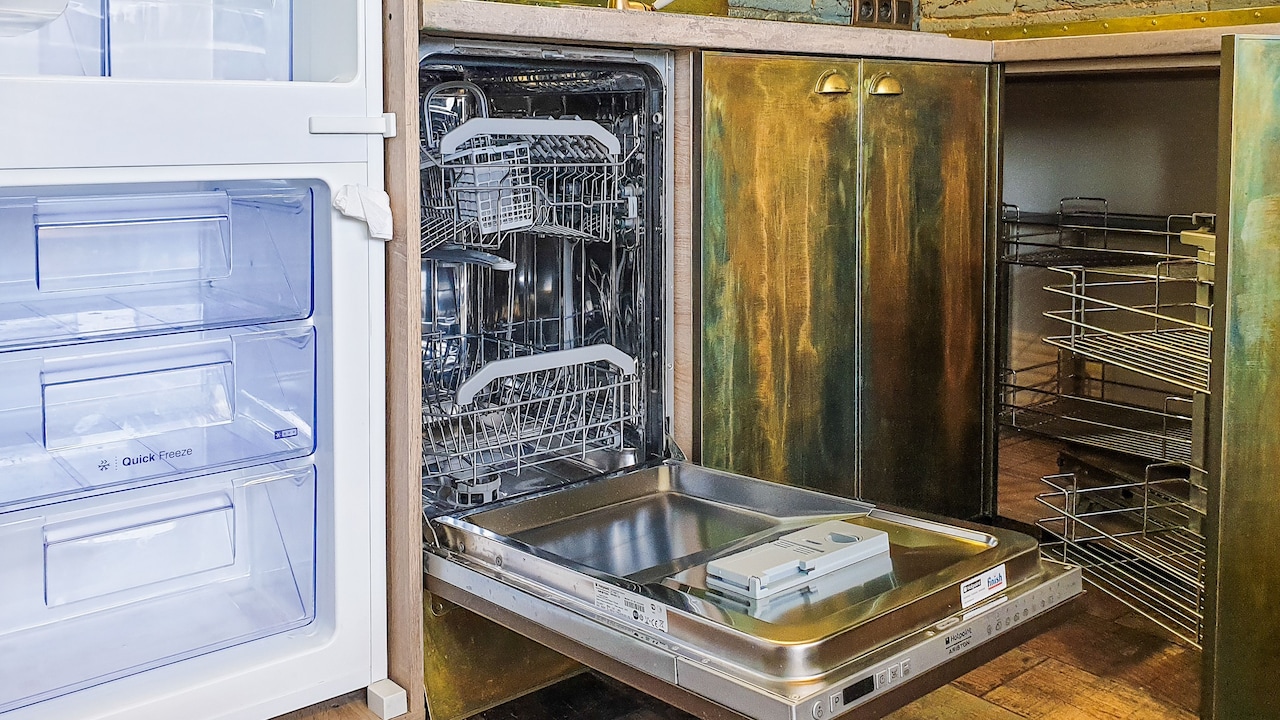
Can A Dishwasher Clean Every Utensil? 10 Kitchen-Cleaning Myths Busted; Photo Credit: Pexels
4. Vinegar Can Clean Absolutely Everything
Vinegar deserves its place in the cleaning cupboard. It can help with certain mineral deposits, odours and light grime. Somewhere along the way, though, this useful ingredient gained superhero status.
It cannot safely clean everything.
Vinegar contains acid, and acids react differently with different materials. Regular use on natural stone such as marble can damage the surface. Some appliance components, seals and finishes may also respond poorly to repeated acidic cleaning.
Mixing vinegar randomly with other cleaners creates another problem. Household cleaning products contain different chemicals, and combining them without knowing how they interact can produce harmful reactions. A homemade mixture should never become a kitchen chemistry experiment.
Vinegar also does not replace proper degreasing in every situation. A heavily oily stove or kadai often responds better to a suitable dishwashing or kitchen-cleaning product formulated to break down grease.
Use vinegar where it genuinely helps, rather than splashing it over every surface because a 30-second video promised miracles.
A bottle costing ₹50 may be wonderfully versatile, but versatility has limits. Even the most dependable kitchen multitasker deserves a job description.
5. A Dirty Scrubber Cleans Just Fine With Soap
The humble scrubber works harder than almost anything else near the kitchen sink. It attacks dried dal, oily pans, tea stains and mysterious bits of masala that somehow become part of the utensil overnight.
Yet scrubbers themselves often receive very little cleaning.
A constantly damp sponge or scrub pad can collect food particles, grease and moisture. That combination creates an unpleasant environment where microorganisms can multiply. Adding fresh dishwashing liquid does not magically reset a heavily soiled scrubber.
Rinse scrubbers thoroughly after use and remove trapped food particles. Let them dry properly instead of leaving them permanently soaked beside the tap. Replace them when they develop persistent smells, lose their structure or become visibly grimy.
Different cleaning tools also help prevent unnecessary wear. A soft sponge suits delicate glassware and non-stick surfaces, while tougher scrubbers belong on materials that can tolerate abrasion.
Using one battle-scarred scrubber for everything from a milk pan to drinking glasses does not make it loyal. It makes it overdue for retirement.
Sometimes the cleanest change in a kitchen costs less than a cup of café coffee.
6. Steel Wool Is The Best Fix For Stubborn Stains
A burnt saucepan can test anyone's patience. After ten minutes of scrubbing, steel wool starts looking like the ultimate weapon.
Sometimes it helps. Sometimes it turns one problem into another.
Highly abrasive scrubbers can scratch polished stainless steel, damage coated cookware and permanently ruin non-stick surfaces. Once a non-stick coating develops significant scratches or begins peeling, aggressive scrubbing cannot restore it.
A gentler strategy often works better. Soak burnt cookware in warm water with dishwashing liquid and allow the residue to soften. Suitable utensils may benefit from a mild paste made for that specific material. After soaking, use a non-abrasive pad and gradually loosen the burnt layer.
For stubborn stainless-steel cookware, follow the maker's cleaning guidance before reaching for heavy abrasion.
The goal should not involve removing the stain at any cost. Keeping the utensil usable matters just as much.
That ₹2,000 pan deserves better than a furious five-minute wrestling match with metal wool.
Patience rarely appears on detergent labels, but around stubborn kitchen stains, it remains one of the most effective cleaning ingredients.
7. Wooden Chopping Boards Should Stay Soaked
Leaving a chopping board soaking in the sink feels efficient. The dried coriander stalks soften, the onion smell seems destined to disappear, and somebody can deal with the board later.
Wood strongly disagrees with this plan.
Wood naturally absorbs moisture. Long soaking can cause a wooden chopping board to swell, warp or crack as it repeatedly gets wet and dries again. Deep cracks and damaged surfaces also become harder to clean properly.
Instead, wash wooden boards soon after use with suitable dishwashing liquid and water. Scrub both sides rather than concentrating only on the visibly dirty surface. Rinse thoroughly and allow the board to dry in a position with good airflow.
Strong food odours need targeted cleaning, not an overnight swimming session.
Separate boards can also make food preparation easier to manage, particularly when raw meat and ready-to-eat ingredients regularly appear in the same kitchen.
A sturdy wooden board can last for years when treated sensibly. Neglect turns it from a chopping surface into something resembling an old railway sleeper.
Wood likes washing. It simply prefers not to move permanently into the sink.
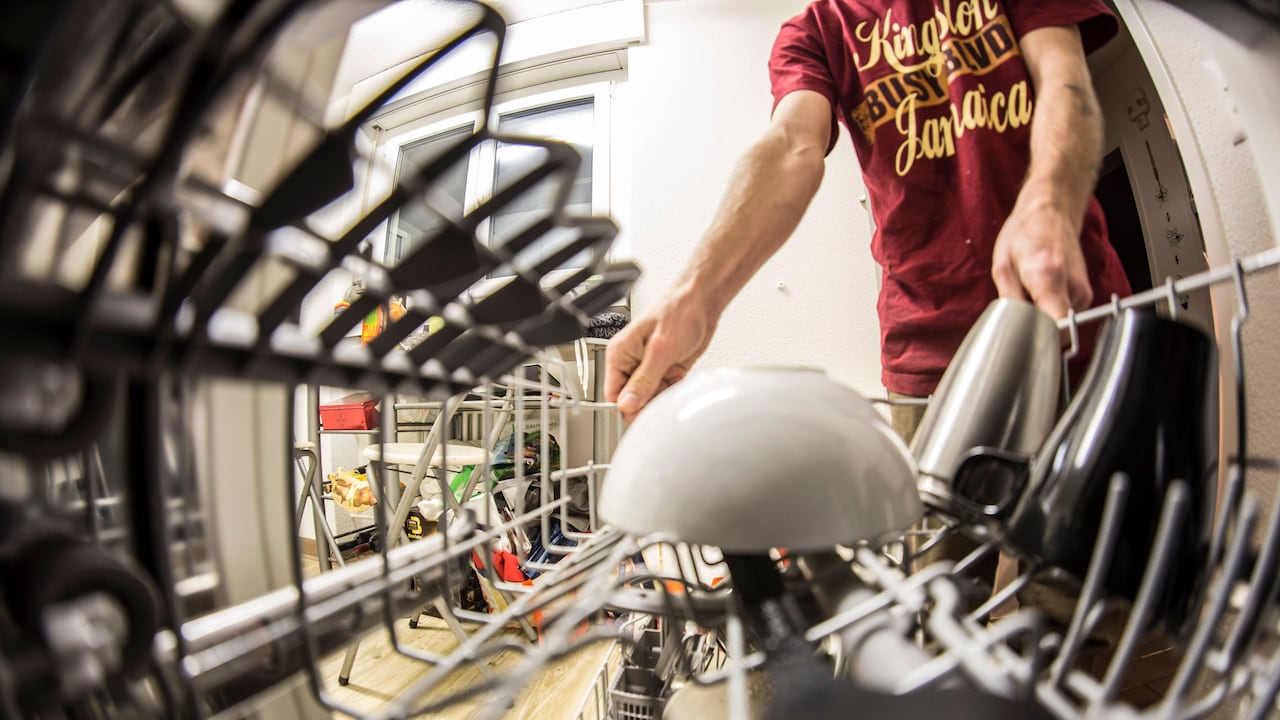
Can A Dishwasher Clean Every Utensil? 10 Kitchen-Cleaning Myths Busted; Photo Credit: Pexels
8. Dishwashers Waste More Water Than Hand-Washing
Dishwashers often receive criticism for supposedly gulping enormous amounts of water. The comparison sounds reasonable when watching an appliance run for an hour or longer.
Running time, however, does not reveal water consumption.
Modern dishwashers control how much water enters the machine and repeatedly circulate it during a cycle. Hand-washing habits vary dramatically. Someone who fills a basin and washes efficiently may use relatively little water. Someone who leaves the tap running while scrubbing every plate can use considerably more.
The fairest comparison therefore depends on the dishwasher model, selected programme, load size and hand-washing technique.
Running a half-empty dishwasher repeatedly also undermines efficiency. Waiting for an appropriately full load generally makes better use of water and energy, provided dishes sit in positions where sprays can reach them.
There is usually no need to wash plates completely before loading either. Scraping away large scraps often makes more sense than performing a full hand wash before the machine does another wash.
A dishwasher can save effort and water when used wisely. Like most kitchen appliances, efficiency depends heavily on the person pressing the buttons.
9. Utensils Need To Be Washed Until They Smell Fragrant
Lemon, lime, mint and floral fragrances have become closely associated with cleanliness. Open a freshly washed container and catch a strong citrus smell, and the brain immediately registers: spotless.
Yet perfume does not prove hygiene.
A properly rinsed plate or glass should not need to smell like a fruit orchard. Strong fragrance may simply indicate that traces of scented cleaning product remain on the surface.
This becomes especially noticeable with plastic containers. Plastic can hold aromas from food and, in some cases, cleaning products. A lunchbox that smells heavily of dishwashing liquid can make tomorrow's poha considerably less appealing.
Use enough detergent to remove grease, then rinse utensils thoroughly with clean water. Containers with persistent food smells may need soaking or treatment appropriate for their material rather than increasing the amount of perfume-heavy soap.
Cleaning should remove unwanted residue, not replace the smell of yesterday's rajma with artificial lemon.
The best sign of a well-washed glass remains wonderfully boring: it looks clean, feels clean and carries no noticeable odour.
Sometimes cleanliness smells like absolutely nothing at all.
10. If A Utensil Looks Clean, It Is Clean
A shining spoon can still hide residue around its handle joint. A mixer jar may look spotless while food remains beneath the blade. A pressure cooker can sparkle outside while its gasket quietly collects yesterday's gravy.
Appearance tells only part of the story.
Kitchen utensils often contain grooves, joints, lids, seals and narrow corners that need deliberate attention. Food trapped in these spaces can produce unpleasant smells and make later cleaning much harder.
Appliances deserve particular care. Detachable parts should receive cleaning according to the manufacturer's instructions, and electrical sections should never meet enthusiastic splashes of water.
Drying matters too. Packing damp containers immediately into closed cupboards can encourage musty smells. Allow utensils to drain and dry properly before storing them.
Regular inspection works better than waiting for obvious grime. Check bottle lids, lunchbox seals, mixer components and pressure-cooker parts as part of routine cleaning.
The principle remains simple: clean what cannot easily be seen as carefully as what can.
A kitchen does not need showroom-level perfection. It needs thoughtful habits in the places where leftover chutney loves to hide.
Products Related To This Article
1. IFB 14 Place Settings (fits up to 80 utensils) with DeepClean
2. Bosch 13 Place Setting (fits up to 70 utensils) Free-Standing Dishwasher for Indian Utensils
3. Faber 14 Place Free Standing Dishwasher|7 Wash Programs
4. LG 15 Place Settings with TrueSteam Technology Freestanding Dishwasher
5. Electrolux 13 Place Settings Dishwasher Machine for Home
Kitchen-cleaning myths survive because many sound believable. More soap seems cleaner. Hotter water feels safer. Stronger scrubbing appears faster. A dishwasher looks powerful enough to handle anything placed inside it.
Real cleaning requires a little more judgement. Different materials need different treatment, and expensive cookware often lasts longer when cleaning becomes gentler rather than more aggressive. Using the right quantity of detergent, keeping scrubbers fresh, drying utensils properly and checking hidden corners can make a bigger difference than any dramatic cleaning hack.
The dishwasher deserves appreciation too, but not blind trust. Load it with suitable utensils, choose the right cycle and keep sensitive materials out when their care instructions demand hand-washing.
Most importantly, cleanliness does not need mountains of foam, powerful perfume or exhausting scrubbing sessions. Good kitchen hygiene usually comes from simple routines repeated consistently.
After all, the best cleaning method is not the one that makes the biggest splash around the sink. It is the one that leaves tomorrow's cookware clean, intact and ready for another round of tadka.
(Disclaimer: This article may include references to or features of products and services made available through affiliate marketing campaigns. NDTV Convergence Limited (“NDTV”) strives to maintain editorial independence while participating in such campaigns. NDTV does not assume responsibility for the performance or claims of any featured products or services.)