Does More Steam Remove Wrinkles Faster? 10 Garment-Steamer Myths Explained
More steam doesn't always mean smoother clothes. From soaking fabric to steaming too close, these common garment-steamer myths could be making wrinkles harder to remove.
Garment Steamer Myths Explained: 10 Mistakes That Can Wrinkle Clothes
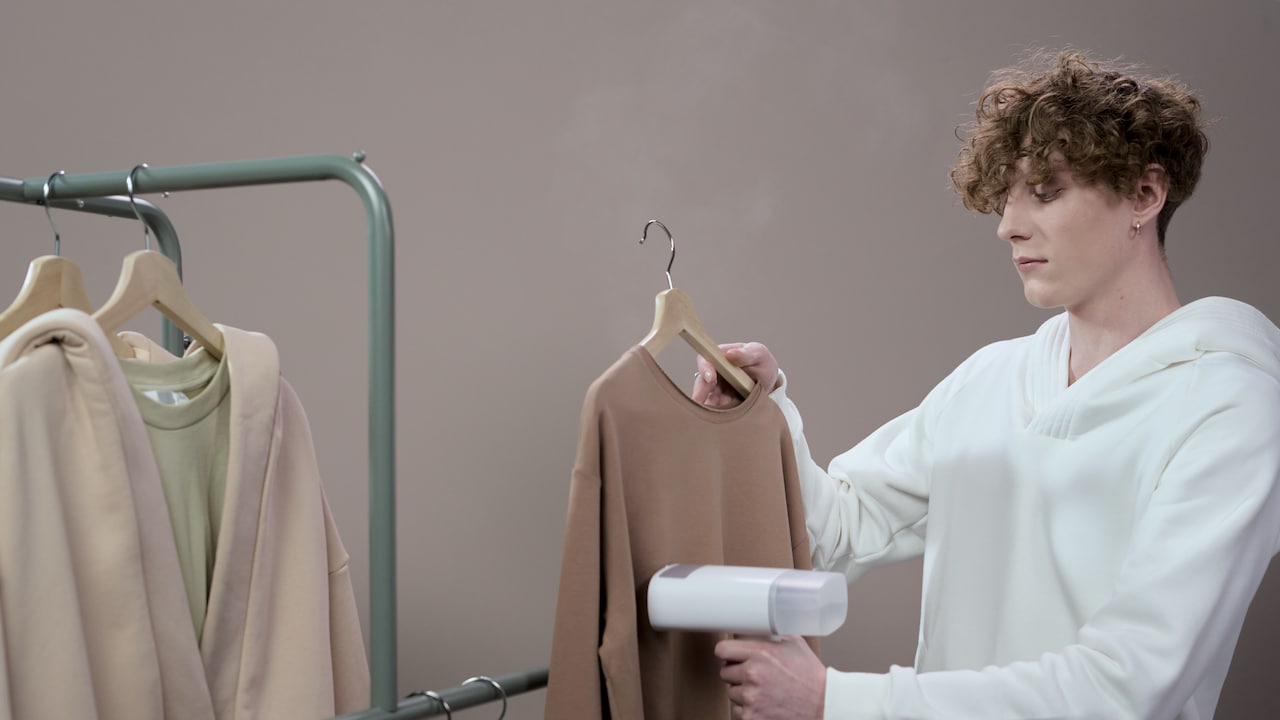
Garment steamers have earned a convenient spot somewhere between the traditional iron and the “this shirt will straighten itself once worn” school of dressing. They heat quickly, don't demand an ironing board, and can rescue a crumpled kurta, office shirt or dress minutes before it's time to leave. Yet their apparent simplicity has created plenty of questionable steaming habits. One of the biggest assumptions is that more steam automatically means faster wrinkle removal. So, when a stubborn crease refuses to disappear, the natural reaction is often to hold the steamer closer, stay on the spot longer or release as much steam as possible. That can leave the fabric damp without making it noticeably smoother.
Garment Steamer Myths Explained: 10 Mistakes That Can Wrinkle Clothes; Photo Credit: Pexels
Garment steaming works through a combination of heat, moisture, fabric tension and technique. Fabric type matters too. What relaxes a lightweight blouse within seconds may barely trouble a thick cotton shirt. Before blaming the appliance for every stubborn fold, it helps to separate useful technique from steaming folklore. Here are 10 garment-steamer myths that deserve a little straightening out.
Also Read: 5 Best Portable Steamers For Clothes Under ₹3000
Garment-Steamer Myths That Could Be Making Wrinkles Harder To Remove
1. More Steam Always Removes Wrinkles Faster
It sounds perfectly logical. If steam loosens wrinkles, surely twice as much steam should finish the job twice as quickly. Unfortunately, fabric doesn't behave quite so neatly.
Steam works by introducing heat and moisture into fibres, helping them relax from the shape they acquired while folded, packed or washed. Once enough moisture and heat reach the fibres, throwing more steam at them doesn't necessarily produce a better result. Instead, the garment may simply become damp.
This often happens when someone repeatedly moves the steamer over the same stubborn section of a shirt. The fabric becomes wetter, yet the crease remains stubbornly visible.
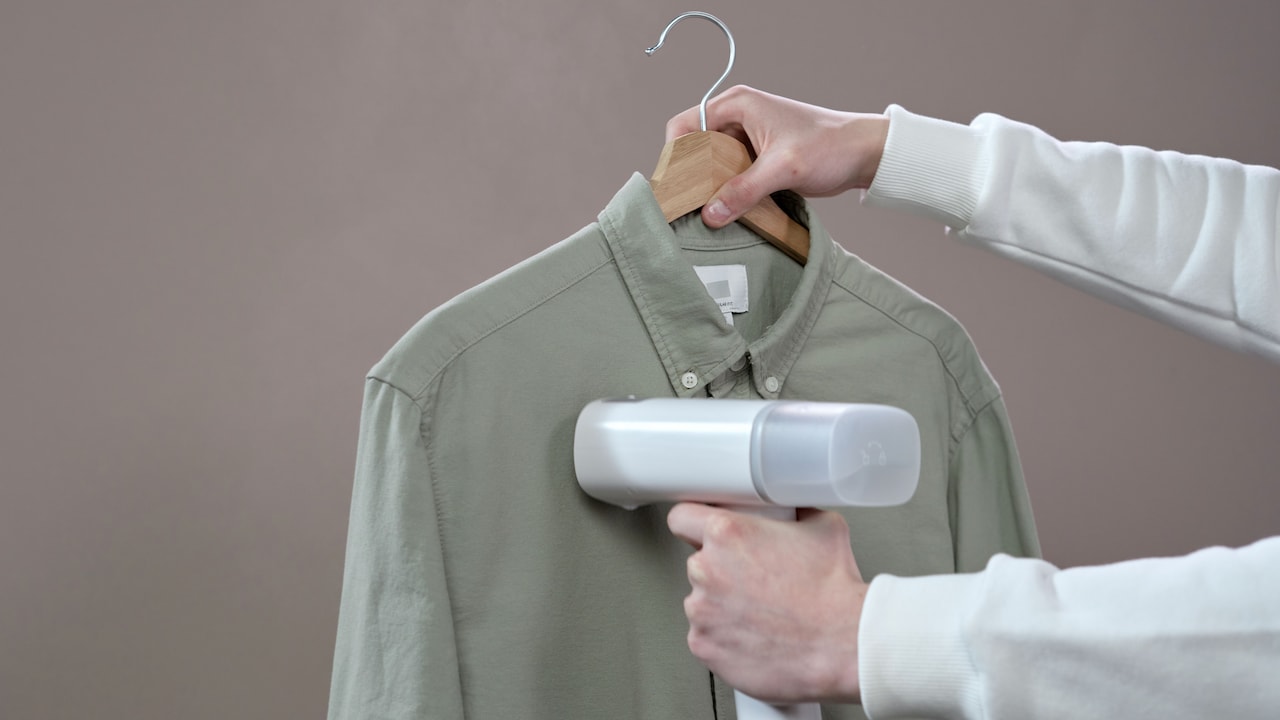
Technique matters more than sheer steam output. Hold the garment slightly taut while moving the steamer slowly along the fabric. Giving the fibres gentle tension helps them settle into a smoother position.
Dense cotton, linen blends and heavily creased clothing may also need several controlled passes rather than one intense blast.
Think of steaming as persuading wrinkles rather than drowning them. A steady supply of steam combined with tension usually works better than turning the garment into something halfway between dry clothing and fresh laundry.
2. The Steamer Head Should Always Touch The Fabric
Pressing the steamer directly against clothing can feel reassuring. After all, traditional irons rely on contact, so surely a steamer must work better when its heated plate touches the garment too. Not necessarily.
Some steamers are designed for safe contact with certain fabrics, particularly when their manufacturer specifically recommends it. Others perform perfectly well with the head positioned a short distance away.
Fabric also changes the equation.
Cotton shirts and sturdy trousers can usually tolerate more direct treatment than delicate synthetic material, embellished clothing or fabrics that react badly to concentrated heat. Pressing a hot steamer head aggressively onto the wrong textile can create shiny patches, flatten texture or leave temporary moisture marks.
Instead of automatically pushing the appliance against every garment, check the fabric care label and the steamer's instructions.
For delicate pieces, begin with a small gap and test an inconspicuous area. If the wrinkle isn't moving, gradually adjust the distance.
Steam should relax the fibres, not intimidate them into surrender. A little space can sometimes produce a smoother and safer result.
Garment Steamer Myths Explained: 10 Mistakes That Can Wrinkle Clothes; Photo Credit: Amazon
3. A Garment Steamer Can Completely Replace An Iron
A good garment steamer can make the ironing board feel surprisingly neglected. For everyday wrinkles, hanging clothes, travel creases and quick wardrobe touch-ups, it can be wonderfully convenient.
That doesn't make the iron obsolete.
Steamers relax fabric rather than pressing it firmly against a flat surface. Consequently, they excel at producing a naturally smooth finish but struggle when a garment needs sharp structure.
Consider formal trousers with defined creases, crisp shirt collars or neatly pressed cuffs. These details usually require pressure as well as heat, which an iron provides much more effectively.
Steamers shine elsewhere. Flowing dresses, pleated garments, curtains, jackets and clothes with awkward shapes often become much easier to manage when they're hanging.
The smartest approach isn't necessarily choosing one appliance and banishing the other. They solve slightly different problems.
Use the steamer when speed, convenience and gentle wrinkle removal matter. Bring out the iron when the outfit needs architectural precision.
Sometimes the shirt simply needs to look presentable. Other mornings, that collar needs to look sharp enough to make its own career decisions.
4. Every Fabric Can Handle The Same Amount Of Steam
A cotton kurta and a delicate blouse might both come out of the wardrobe wrinkled, but that doesn't mean they should receive identical treatment.
Different fibres react differently to heat and moisture.
Sturdy fabrics such as cotton often require stronger or longer steaming because their fibres can hold deep creases. Lightweight synthetics may relax much faster. Delicate fabrics can demand considerably more caution.
This becomes particularly important with embellished garments, velvet, suede-like materials and fabrics with special finishes. Heavy steaming can alter texture, create water marks or affect decorative details.
Even fabrics commonly considered steamer-friendly deserve a test when the garment is expensive or unusually finished.
Begin with the lowest effective steam exposure and work gradually. There's little benefit in attacking a light blouse with maximum steam simply because that setting worked brilliantly on yesterday's cotton shirt.
The care label remains useful too. If the manufacturer warns against steaming or high heat, take that instruction seriously.
Clothing rarely rewards enthusiasm without technique. Matching the amount of steam to the material usually gives a better finish while reducing the risk of unwanted surprises.
5. Holding The Steamer Longer On A Crease Guarantees Better Results
There comes a moment during steaming when one crease starts feeling personal. Everything around it looks smooth, yet that single line refuses to cooperate.
Holding the steamer over it for another 30 seconds might seem like the obvious answer.
Usually, it isn't.
Leaving concentrated steam in one place can oversaturate the fibres. Instead of becoming smoother, the fabric may turn damp and temporarily lose its shape. On delicate or heat-sensitive material, prolonged exposure may create an even bigger problem than the original crease.
Movement is important.
Pass the steamer steadily over the wrinkle while gently pulling the fabric taut with the other hand. For stubborn sections, allow the material a few moments to cool before making another pass.
Deep wrinkles can also respond better when steamed from the inside of the garment. This allows steam to move through the fabric while the garment's own weight helps straighten it.
A stubborn crease may need patience, but patience doesn't mean parking a steaming appliance on top of it.
Short, deliberate passes usually beat one prolonged confrontation.
6. Steam Alone Is Enough And Fabric Tension Doesn't Matter
Watching steam roll across a hanging shirt can create the impression that the vapour is doing all the work. In reality, the hand holding the garment can be almost as important as the hand holding the steamer.
Steam helps loosen the fibres. Tension encourages those loosened fibres to settle into a straighter position.
Without tension, the fabric can remain bunched or folded while you're steaming it. The wrinkle softens but doesn't necessarily disappear.
Try lightly pulling the bottom of a shirt while steaming downward. Suddenly, the same appliance can appear much more effective.
The key word is lightly. Stretching the garment aggressively can distort necklines, seams or delicate material.
Garments with sleeves can benefit from gently extending the cuff while steaming. Dresses can be held near the hem. Trousers may smooth more evenly when their legs hang freely rather than remaining folded over a chair.
Good steaming therefore involves two movements happening together: relaxing and straightening.
The steamer supplies heat and moisture. Gravity and gentle tension finish the job.
Sometimes the biggest upgrade isn't buying a stronger appliance. It's simply using the free hand.
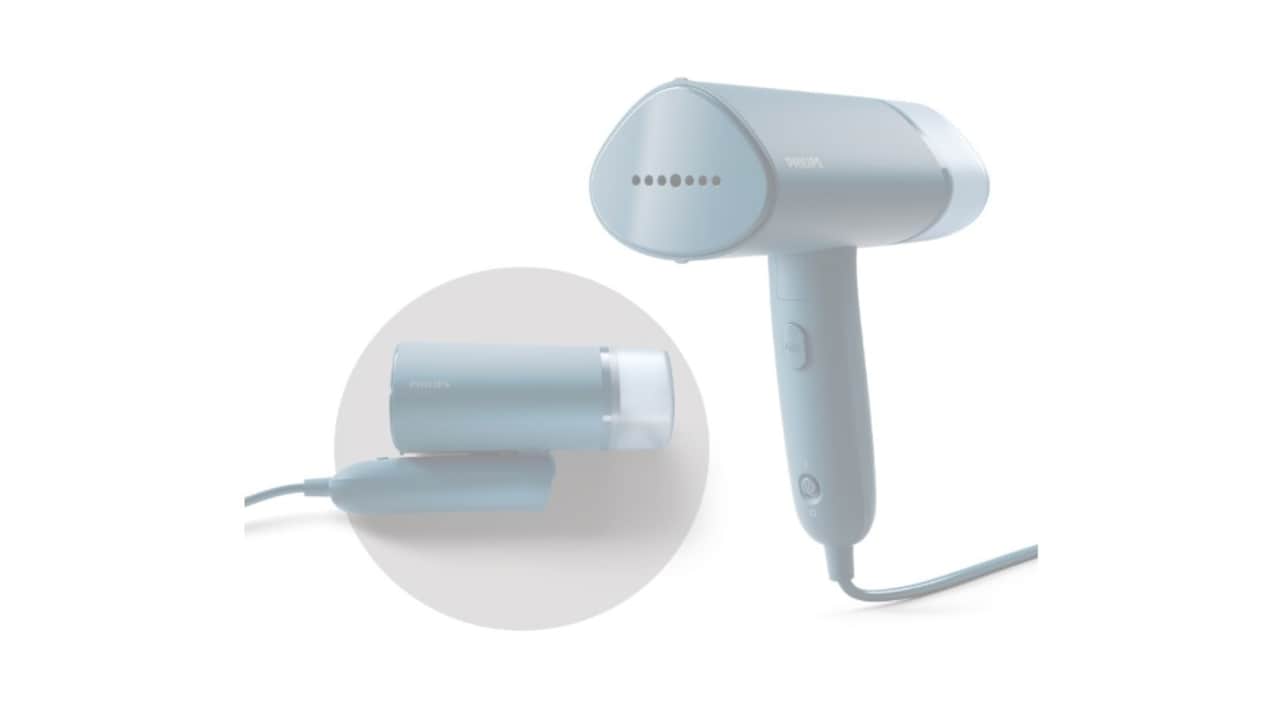
Garment Steamer Myths Explained: 10 Mistakes That Can Wrinkle Clothes; Photo Credit: Amazon
7. A Powerful Steamer Will Instantly Remove Deep Cotton Creases
Cotton has an impressive talent for remembering exactly how badly it was folded.
A powerful steamer certainly helps, but wattage and steam output aren't magic erasers. Deep-set cotton wrinkles often form after clothes remain compressed in a cupboard, suitcase or laundry pile for extended periods.
These fibres may need time to relax properly.
Start with the garment hanging freely and make slow downward passes. Lightly tension the fabric and work in sections rather than repeatedly steaming the entire garment.
For particularly stubborn cotton, steaming the reverse side can help moisture penetrate the fibres more evenly.
Even then, some sharply defined creases may remain visible. That's where an iron still has an advantage because it combines moisture, heat and pressure.
This doesn't mean the steamer lacks power. It simply means the tool has limits.
A steamer can make a rumpled cotton shirt dramatically more wearable within minutes. Expecting it to produce the same razor-sharp finish as a carefully pressed shirt, however, can lead to unnecessary frustration.
Sometimes “smooth enough to wear” and “freshly pressed” are two different destinations.
8. Using Tap Water Never Affects Steamer Performance
Water looks innocent enough. Clear water goes into the tank, steam comes out, and the arrangement appears wonderfully uncomplicated.
What the water contains, however, can matter over time.
Tap water in many households contains dissolved minerals. When water repeatedly heats inside an appliance, some of those minerals can accumulate within the tank, heating system or steam openings.
Eventually, mineral deposits may reduce steam flow, create uneven performance or contribute to white residue around the vents. In certain cases, droplets can also appear alongside steam.
Whether distilled, demineralised or regular tap water should be used depends on the appliance. Some manufacturers specifically design their steamers for tap water, while others recommend lower-mineral alternatives.
Checking the manual is therefore much safer than following a universal internet rule.
Regular descaling also matters when the manufacturer permits it. A steamer that's gradually producing less steam may not necessarily be failing; mineral build-up could simply be restricting it.
The water tank might seem like the least interesting part of the appliance, but what goes into it can influence how well everything else comes out.
9. Water Droplets Mean The Steamer Is Defective
Seeing droplets land on a freshly chosen outfit five minutes before leaving the house can instantly make a steamer look suspicious.
Yet occasional spitting doesn't automatically mean the appliance has developed a fault.
One common cause is using the steamer before it has fully heated. Water inside the steam pathway hasn't converted completely into vapour, so droplets can escape through the head.
Tilting certain upright steamers too aggressively may create similar behaviour. Some models rely on a particular orientation for smooth steam delivery.
Condensation can also collect inside the hose of full-sized steamers. If that trapped moisture suddenly reaches the head, it may appear as a brief burst of water.
Allow the appliance to reach its proper operating temperature and keep it in the recommended position. For models with hoses, keeping the hose relatively straight can help reduce condensation pockets.
Persistent leaking is different. If water continues flowing excessively despite correct use, inspect the tank, seals and instructions.
A couple of droplets may simply mean the steamer wasn't ready. A miniature indoor monsoon deserves further investigation.
10. Steaming Clothes Immediately Before Wearing Them Is Always Fine
The steamer has done its job. The wrinkles have gone, the outfit looks presentable, and it's tempting to put it on immediately.
Giving the garment a few minutes to rest can produce a better result.
Steam introduces moisture into fabric, even when the garment doesn't feel obviously wet. Wearing it straight away can trap that moisture against the body or cause newly relaxed fibres to crease again before they've settled.
This becomes particularly noticeable around elbows, waistbands, backs of shirts and other areas that bend frequently.
Allow the garment to hang briefly after steaming. As it cools and dries, the fibres settle into their new position.
This waiting period doesn't need to turn into a lengthy wardrobe ceremony. A few minutes while getting ready, packing a bag or making tea can often do the trick.
Heavier fabrics may need slightly longer than lightweight materials.
Steaming should therefore happen near the beginning of the getting-ready routine rather than 30 seconds before stepping through the door.
The final stage of wrinkle removal isn't always more steam. Sometimes it's simply leaving the garment alone.
Garment steamers work best when they're treated as tools rather than wrinkle-removing magic wands. More steam, more heat and more time don't automatically create smoother clothes. Fabric type, gentle tension, steady movement, water quality and cooling time all influence the result. Once those basics become habit, steaming gets quicker, clothes stay safer and stubborn wrinkles become considerably less dramatic.
Products Related To This Article
1. NUUK STROM GO V2 Super Compact and Lightweight Travel Garment Steamer For Clothes
2. AGARO Signify Handheld Garment Steamer, Wrinkle Remover
3. PHILIPS STH3000/20 Garment Steamer Perfect Rakhi Gift
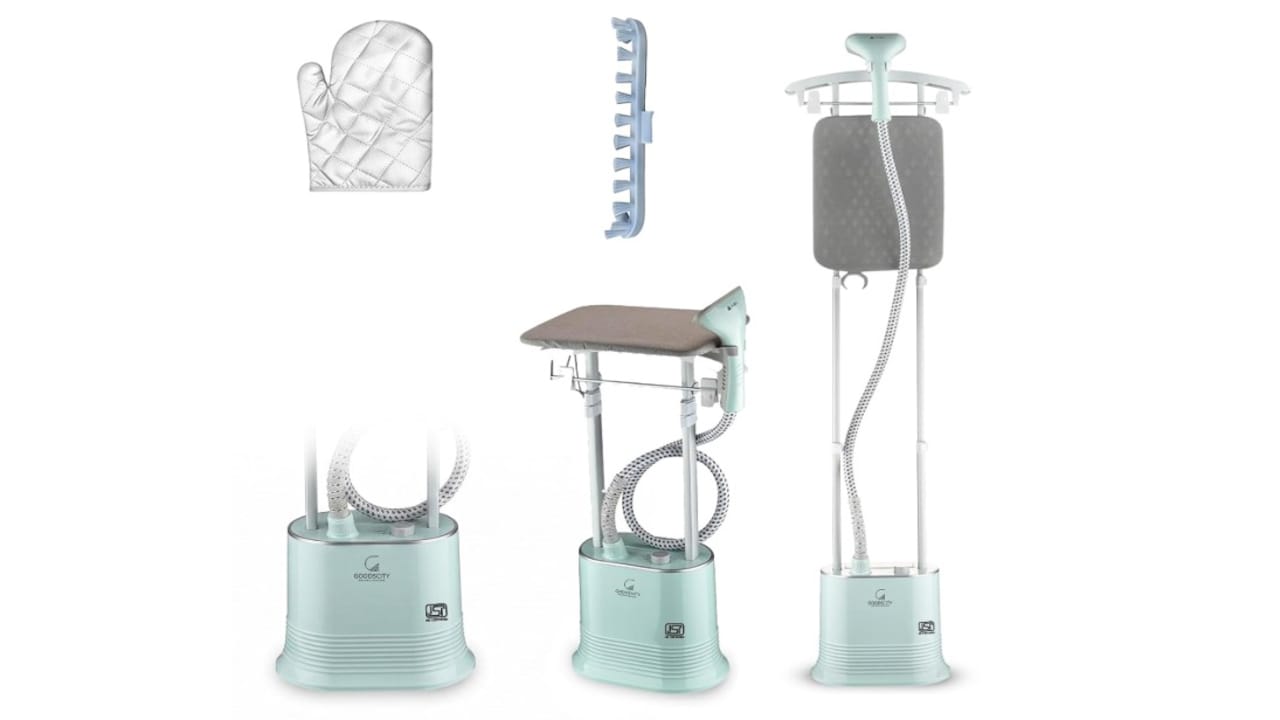
4. Goodscity Garment Steamer for Clothes, Standing Steam Iron Press
5. OWNAIR 2 in 1 Handheld Steam Iron for Clothes, Wet & Dry Garment Steamer
6. Hamilton Beach Professional Garment Steamer, Steam Iron for Clothes
7. PHILIPS Handheld Garment Steamer STH1010/10
(Disclaimer: This article may include references to or features of products and services made available through affiliate marketing campaigns. NDTV Convergence Limited (“NDTV”) strives to maintain editorial independence while participating in such campaigns. NDTV does not assume responsibility for the performance or claims of any featured products or services.)