10 Storage Mistakes That Make Air Purifiers Smell Odd When Switched On Again
Storing an air purifier incorrectly can lead to musty, dusty or stale smells when it is switched on again. Here are 10 common storage mistakes that cause unpleasant odours and how to avoid them.
10 Air Purifier Storage Mistakes That Cause Bad Smells After Reuse
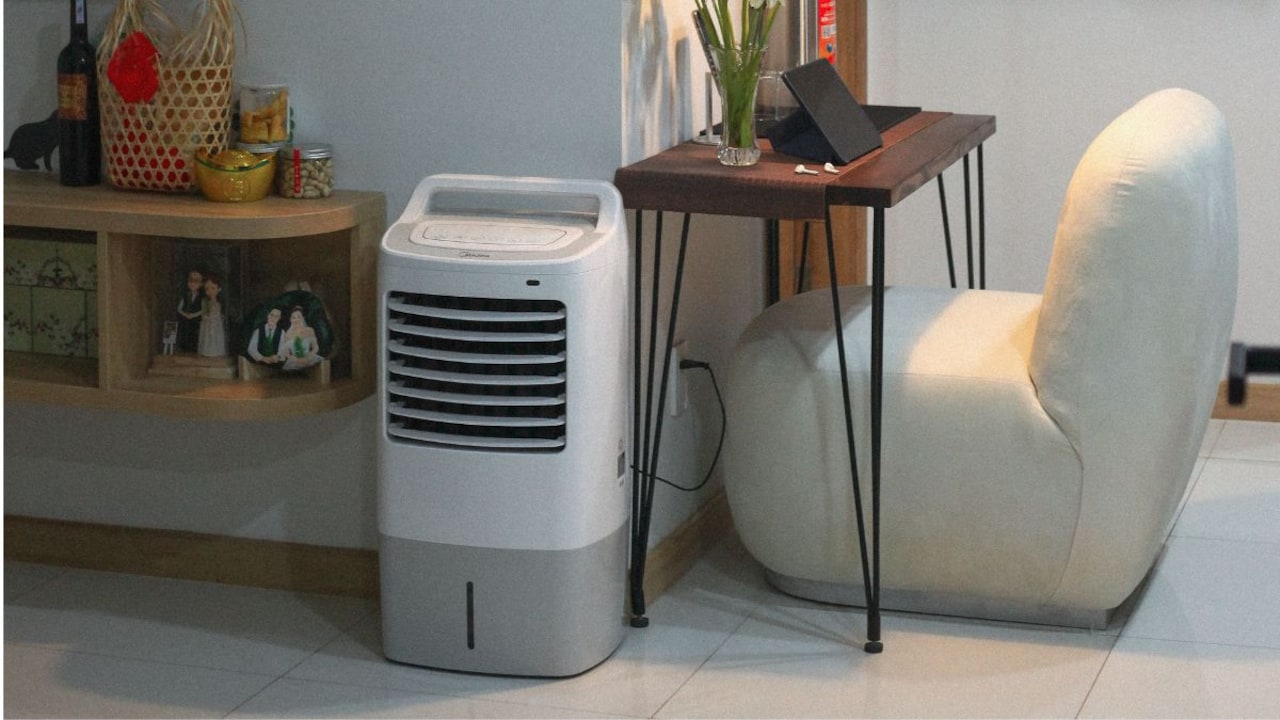
Air purifiers often live seasonal lives. They work overtime during dusty months, construction next door or those weeks when the air outside looks suspiciously hazy. Then cleaner weather arrives, windows open again, and the purifier gets pushed into a cupboard, storeroom or spare corner. Months later, someone switches it on and expects that familiar stream of clean air. Instead, the room fills with an odd smell. Sometimes it resembles an old cupboard. Sometimes it feels damp and earthy. At other times, the first blast carries the unmistakable scent of accumulated dust.
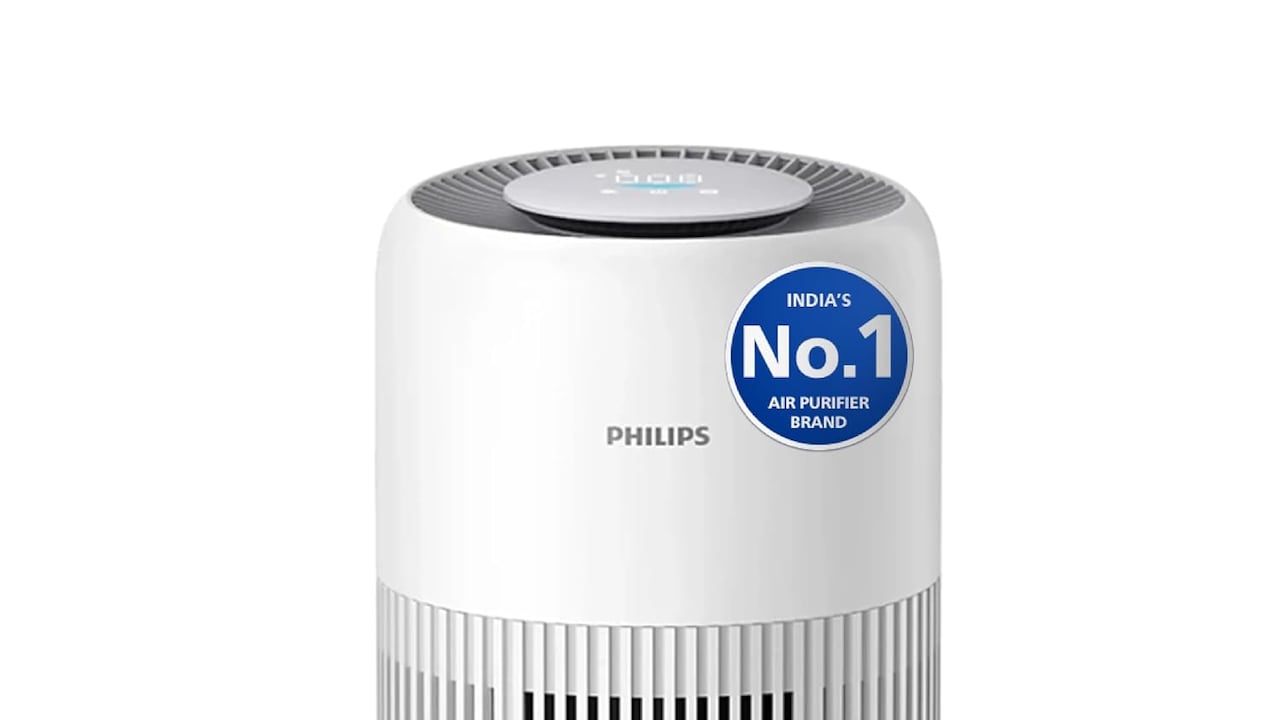
10 Air Purifier Storage Mistakes That Cause Bad Smells After Reuse
Photo Credit: Amazon
That unpleasant welcome does not always mean the purifier has developed a serious fault. Storage conditions can change what happens inside its filters, vents and casing. Moisture, household smells, insects and fine dust can all settle in while the appliance rests.
Also Read: Clear The Air: Top Air Purifiers To Beat Cigarette Smoke
Good storage therefore matters almost as much as regular use. Avoiding the following ten mistakes can help a purifier return from its holiday without announcing itself through an unwanted smell.
Common Storage Habits That Can Leave Your Air Purifier Smelling Strange
1. Storing The Purifier Before The Filters Are Completely Dry
Moisture and long-term storage make terrible roommates. A filter may feel dry on the surface while still holding moisture deeper inside its layers. This can happen after cleaning a washable pre-filter or wiping the purifier shortly before packing it away. Once the machine enters a closed cupboard, that trapped moisture has nowhere useful to go.
Over several weeks, the interior may develop a stale or musty smell. Humid weather makes the problem even more noticeable. Anyone who has opened a suitcase after storing slightly damp clothes will recognise the general idea.
After cleaning a washable component, give it plenty of time to dry naturally before reinstalling it. Never assume a few hours near an open window will always do the job, particularly during the monsoon.
Non-washable HEPA and activated carbon filters need different treatment. Washing them can damage their structure unless the manufacturer specifically allows it.
A little patience before storage can save the unpleasant experience of switching on a purifier and wondering why the bedroom suddenly smells like a forgotten storeroom.
2. Packing The Purifier Away Without Cleaning It First
Putting a dusty purifier straight into storage simply gives old dirt several months to settle in comfortably.
During regular use, dust collects around intake grilles, outlet vents, fan areas and the outer casing. Fine particles may also gather around the filter compartment. If these remain untouched before storage, humidity can make the accumulated grime smell stronger over time.
Kitchen grease creates another complication. A purifier used close to a cooking area may collect traces of oil, spices and smoke. Those smells can linger surprisingly well. Switch the appliance on after three months, and yesterday's tadka may seem ready for a comeback.
Before storing the machine, unplug it and clean the exterior, vents and accessible compartments according to the manufacturer's instructions. A soft, dry cloth or suitable vacuum attachment often works well for loose dust.
The aim is not to perform appliance surgery. Simply remove the dirt that has gathered during normal use.
A purifier stored clean has far less material inside it capable of producing that strange first-day-back smell.
3. Leaving An Old Activated Carbon Filter Inside
Activated carbon filters specialise in trapping odours, gases and certain airborne pollutants. Unfortunately, they do not possess endless appetites.
After months of use, a carbon filter can become saturated with the very smells it once helped remove. Cooking fumes, incense, tobacco smoke, pet odours and household chemicals may all contribute. Storing the purifier with an exhausted carbon filter gives those captured smells plenty of time to mingle.
When the appliance starts again, airflow passes through the ageing filter. The result may smell stale, smoky or simply difficult to describe. That mysterious "something is off" scent often causes more confusion than an obvious dusty smell.
Check the recommended replacement interval before putting the machine away for a long period. If the carbon filter already needs replacement, storing it serves little purpose.
Replacement costs vary widely by purifier model, so buying a new filter simply for storage makes little sense. The better approach involves checking its condition and replacing it when genuinely due.
Fresh filtration makes a much better reunion than forcing an overworked filter through one more season.
4. Keeping The Purifier In A Damp Storeroom
That quiet utility room may look like the perfect hiding place for a bulky purifier. Unfortunately, the room's humidity may disagree.
Damp storage spaces can encourage musty smells inside filters and internal surfaces. Rooms beside bathrooms, poorly ventilated balconies, areas near washing machines and corners with occasional wall seepage deserve particular caution.
The problem does not require visible water. Airborne moisture alone can create trouble over several months, especially when the purifier contains materials that absorb humidity easily.
Choose a dry, well-ventilated storage area whenever possible. Keep the purifier away from walls with damp patches and avoid placing it directly on a floor that occasionally becomes wet during cleaning.
A raised shelf or stable stand can offer useful separation from floor moisture. Just make sure the location remains secure and the appliance cannot topple.
A purifier exists to make indoor air feel fresher. Letting it spend four months soaking up the atmosphere of a damp corner rather defeats the purpose.
5. Wrapping The Entire Machine In Airtight Plastic
Covering an appliance during storage sounds sensible. Sealing it as though it needs protection from outer space creates a different problem.
An airtight plastic covering can trap residual moisture around the purifier, particularly if the machine or filters were not completely dry before packing. Temperature changes may also create slight condensation inside tightly sealed packaging.
That trapped humidity can contribute to musty odours by the time the purifier returns to service.
A cover still helps protect the appliance from dust. The key lies in choosing breathable protection where appropriate and following the storage guidance supplied with the model. A clean cloth cover or original packaging may work better than layers of tightly wrapped plastic, depending on the appliance and environment.
If using the original box, ensure both the purifier and box remain completely dry. Cardboard itself can develop a damp smell when stored in humid places.
The goal is simple: keep dust out without locking unwanted moisture in.
Sometimes an appliance needs protection. It does not need to spend summer shrink-wrapped like luggage at the airport.
6. Storing It Near Strong-Smelling Household Products
A storeroom often becomes the unofficial headquarters of everything the household does not use daily. Paint cans sit beside cleaning liquids, moth repellents share shelves with shoe polish, and old cardboard boxes absorb the combined aroma.
Placing an air purifier among these strongly scented products can create an unfortunate surprise.
Activated carbon and other filter materials may absorb surrounding odours even while the purifier remains switched off. Months later, airflow through those filters can release or redistribute some unpleasant smells.
Keep the purifier away from paints, solvents, pesticides, strong cleaning products, perfumes, incense supplies and other highly scented materials. A separate cupboard or cleaner room makes a better choice.
Even seemingly harmless items can matter. Shoes, damp umbrellas or stacks of old newspapers can give closed spaces a distinctive smell that eventually finds its way into nearby appliances.
Think of the purifier as a sponge for the surrounding atmosphere. Storage beside a bottle of powerful floor cleaner may leave it smelling remarkably enthusiastic about lemons when switched on again.
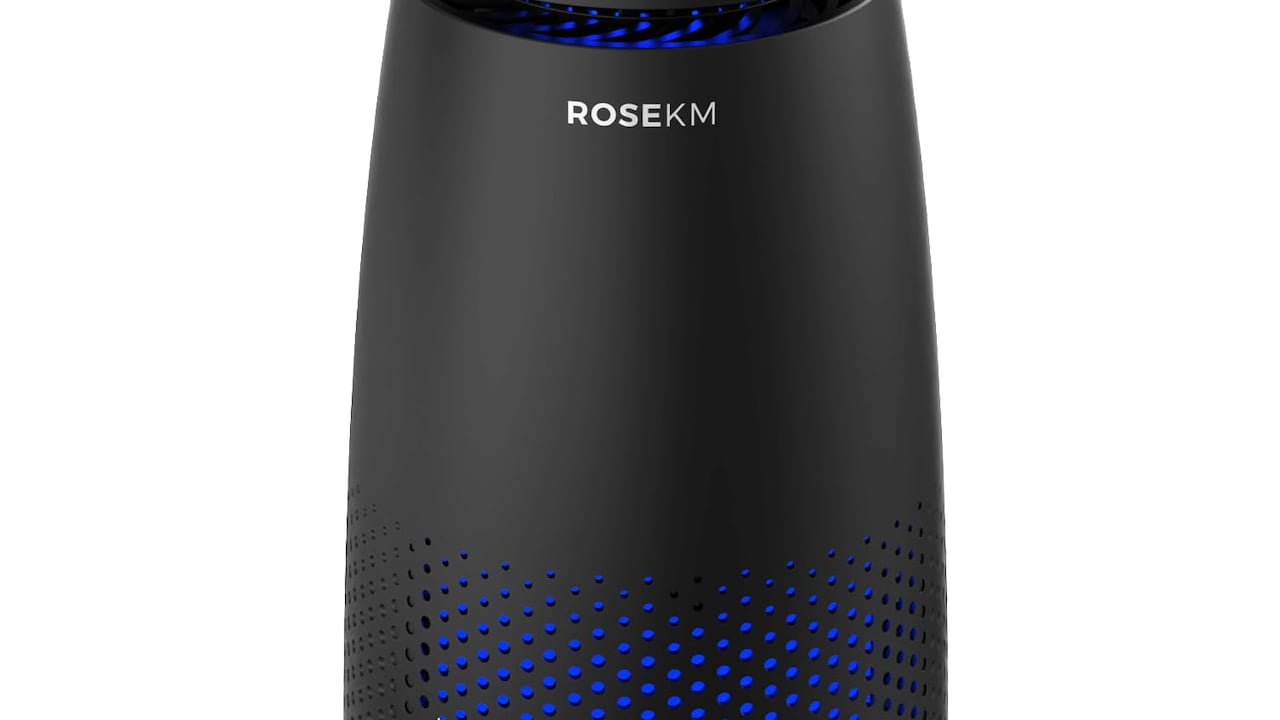
10 Air Purifier Storage Mistakes That Cause Bad Smells After Reuse
Photo Credit: Amazon
7. Forgetting To Protect Open Vents From Dust
A switched-off purifier stops cleaning the air, but its vents remain excellent entry points for dust.
Leave the appliance uncovered in a spare room for several months and fine particles can settle inside its air passages. Dust may gather on grilles, fan surfaces and accessible internal sections. When the purifier finally starts, the fan disturbs this collection and pushes that familiar dusty-storage smell into the room.
Homes near busy roads, construction work or frequently opened balconies may notice the effect more quickly.
Clean the purifier first, then use suitable dust protection while keeping moisture concerns in mind. The original storage arrangement recommended by the manufacturer often provides a useful reference.
Before restarting the appliance, inspect the intake and outlet areas. Remove visible surface dust safely rather than allowing the fan to handle the spring cleaning.
This simple check also helps spot cobwebs and other tiny surprises.
After all, a purifier may spend months doing absolutely nothing, but household dust rarely takes the same holiday.
8. Leaving The Purifier On The Floor For Months
Floors offer convenience. They also collect dust, cleaning moisture, pet hair and the occasional splash nobody remembers five minutes later.
A purifier stored directly on the floor can pick up smells and dirt through its lower vents or casing, especially in a utility room or cupboard. Regular mopping adds another concern. Even if water never reaches the appliance directly, repeated exposure to dampness around its base creates less-than-ideal storage conditions.
Raise the unit slightly on a sturdy, dry surface if the manufacturer's instructions allow it. Keep it somewhere stable, away from areas where buckets, wet footwear or cleaning equipment regularly appear.
Do not place a heavy purifier on a flimsy stool simply to gain height. Storage safety matters more than elegance.
Before switching the machine on again, inspect the bottom and rear vents as carefully as the visible front surfaces. Dust hides remarkably well in the places people rarely look.
The floor may seem like free storage space, but for an appliance designed to move large volumes of air, those dusty lower regions deserve more respect.
9. Ignoring Signs Of Insects Or Small Pests
An unused appliance can look surprisingly inviting to insects. It offers darkness, shelter and plenty of tiny gaps.
Small insects may enter through vents while a purifier sits unused. In some homes, the problem may extend to droppings, shed material or nesting debris. Once the fan starts moving air again, unpleasant smells can become noticeable almost immediately.
Storage near food supplies, balconies, utility areas or cluttered cupboards can increase the chance of unwanted visitors.
Before packing the purifier away, clean the surrounding storage area and avoid leaving food or organic waste nearby. During long periods of storage, an occasional visual check can reveal trouble early.
When bringing the appliance back into service, inspect the vents and accessible filter compartment before plugging it in. If there are signs of infestation deep inside the machine, professional cleaning or authorised service may prove safer than poking around internal electrical components.
A purifier should improve the atmosphere of a room. Discovering that it became premium insect accommodation during the summer achieves precisely the opposite.
10. Switching It On Immediately After Long Storage
After months in storage, the temptation to plug the purifier in and press the button immediately feels perfectly reasonable. A brief inspection first can prevent a roomful of strange air.
Remove the cover and examine the exterior, vents and filters. Look for excessive dust, moisture, insects, unusual staining or a filter that has clearly reached the end of its useful life. Clean or replace components only in ways approved for that model.
If the purifier came from a noticeably cooler or more humid location, allow it to settle in a dry indoor environment before use. This gives any harmless surface moisture a chance to disappear.
Once everything looks clean and dry, start the purifier in a ventilated room and observe it for a short period. A faint dusty smell may disappear quickly after minor surface cleaning, but a strong burning, electrical or persistent chemical smell deserves attention.
In that situation, switch the machine off and consult the manufacturer or an authorised technician.
The first five minutes can reveal plenty. Give the purifier a proper homecoming check before asking it to clean the whole house.
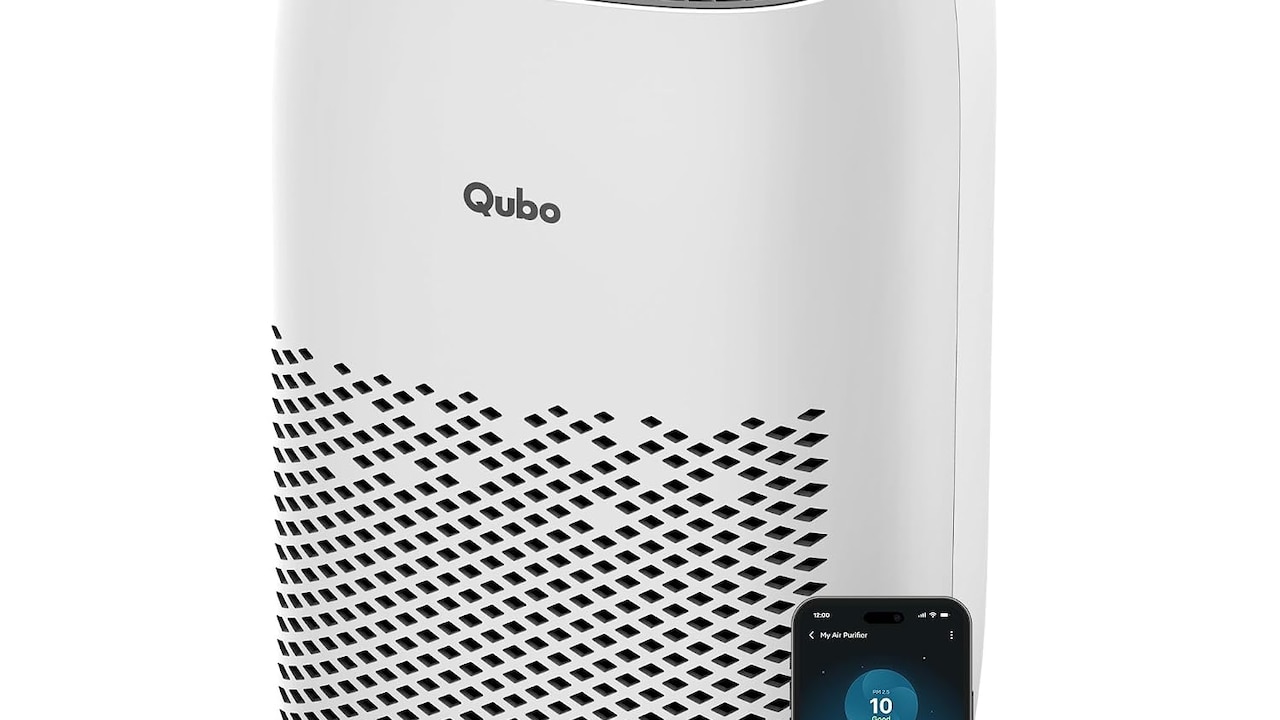
10 Air Purifier Storage Mistakes That Cause Bad Smells After Reuse
Photo Credit: Amazon
Products Related To This Article
1. Coway Airmega 150 (Ap-1019C) Air Purifier For Home
2. Xiaomi Air Purifier 4 Lite|160 Sq.ft. in 6 mins
3. LEVOIT Core Mini Air Purifier for Coverage Area 183 Sq Ft
4. Honeywell Air Purifier for Home & Office, 3-in-1
5. Qubo Q200 Smart Air Purifier for bedroom by Hero Group
6. Xiaomi Air Purifier 4 Lite|160 Sq.ft. in 6 mins
7. Sharp Air Purifier for Home & Office with Plasmacluster
An odd smell from a stored air purifier does not automatically point to an expensive repair. More often, storage has quietly allowed moisture, dust, old filter odours or surrounding household smells to settle where they should not.
The best prevention begins before the purifier disappears into the cupboard. Clean it, dry washable components thoroughly, check ageing filters and choose a dry location away from chemicals and damp floors. Cover it against dust without trapping moisture, and inspect everything again before restarting it.
These habits require little effort compared with dealing with a stale-smelling machine on the first hazy day of the season.
An air purifier spends its working life dealing with everything floating around a home. During storage, it deserves a cleaner corner of its own. Treat those quiet months carefully, and the next switch-on should bring moving air rather than a mysterious smell that sends everyone sniffing suspiciously around the room.
(Disclaimer: This article may include references to or features of products and services made available through affiliate marketing campaigns. NDTV Convergence Limited (“NDTV”) strives to maintain editorial independence while participating in such campaigns. NDTV does not assume responsibility for the performance or claims of any featured products or services.)