Does An Immersion Rod Give Shock? Safety Tips And Facts You Must Know
Immersion rods heat water quickly, but can they give you an electric shock? Discover the facts, safety tips, and alternatives before your next winter bath.
Does An Immersion Rod Give Shock? Safety Tips And Facts You Must Know
Immersion rods are a common sight in many homes during winter, offering a quick and affordable way to heat water. But as convenient as they seem, a lingering question often pops up: can they give you an electric shock? This concern is not unfounded, as these devices work by directly immersing a live heating element in water. Understanding the risks and precautions is essential for anyone who uses them regularly. Let's have a look into the facts and find out if your immersion rod is truly safe.
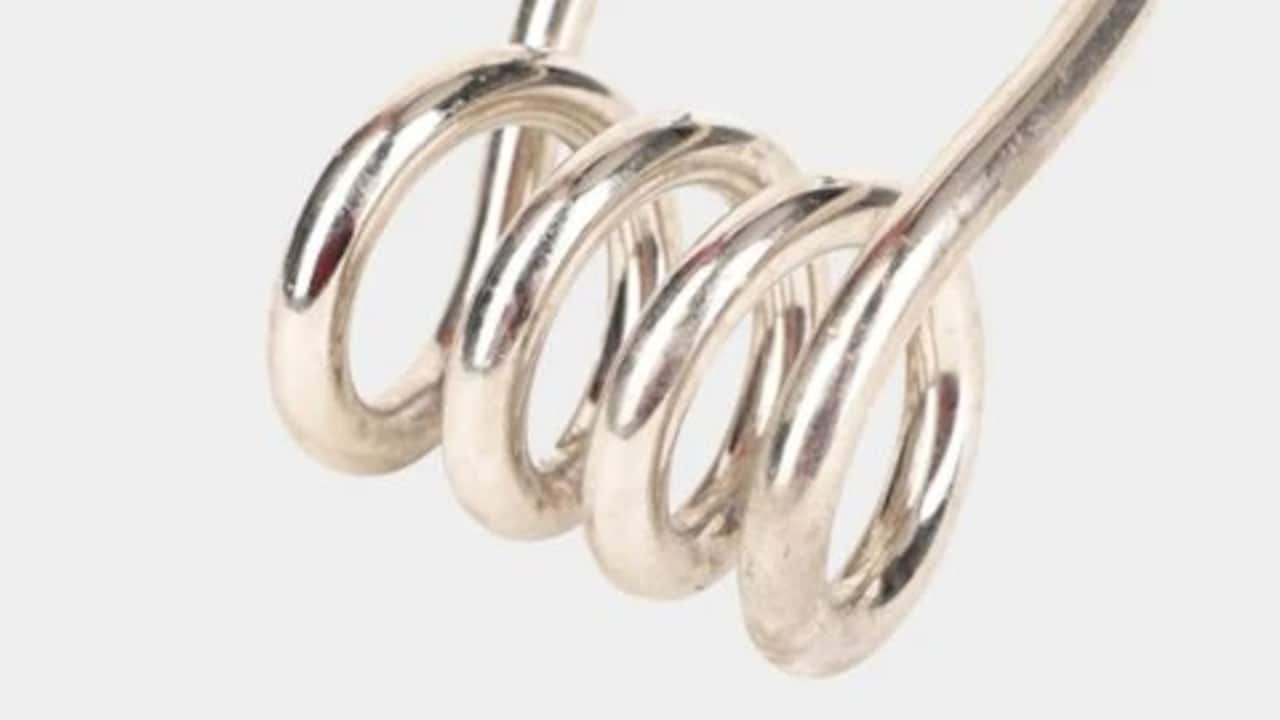
Smart Tips For Using Immersion Rods
Photo Credit: Freepik
While immersion rods are budget-friendly and easy to use, they come with inherent electrical risks that many overlook. A simple mistake, like touching the water while the rod is plugged in, can lead to dangerous consequences. With increasing awareness about home safety, it's time to examine whether these devices are worth the risk or if safer alternatives exist. This article explores how immersion rods work, why shocks happen, and what you can do to protect yourself and your family from potential hazards.
| Feature | Immersion Rod | Electric Kettle | Geyser |
|---|---|---|---|
| Heating Speed | Fast | Moderate | Slow |
| Cost | Low | Moderate | High |
| Safety Level | Low | High | High |
| Portability | High | High | Low |
| Electricity Consumption | Moderate | Low | High |
How Does An Immersion Rod Work?
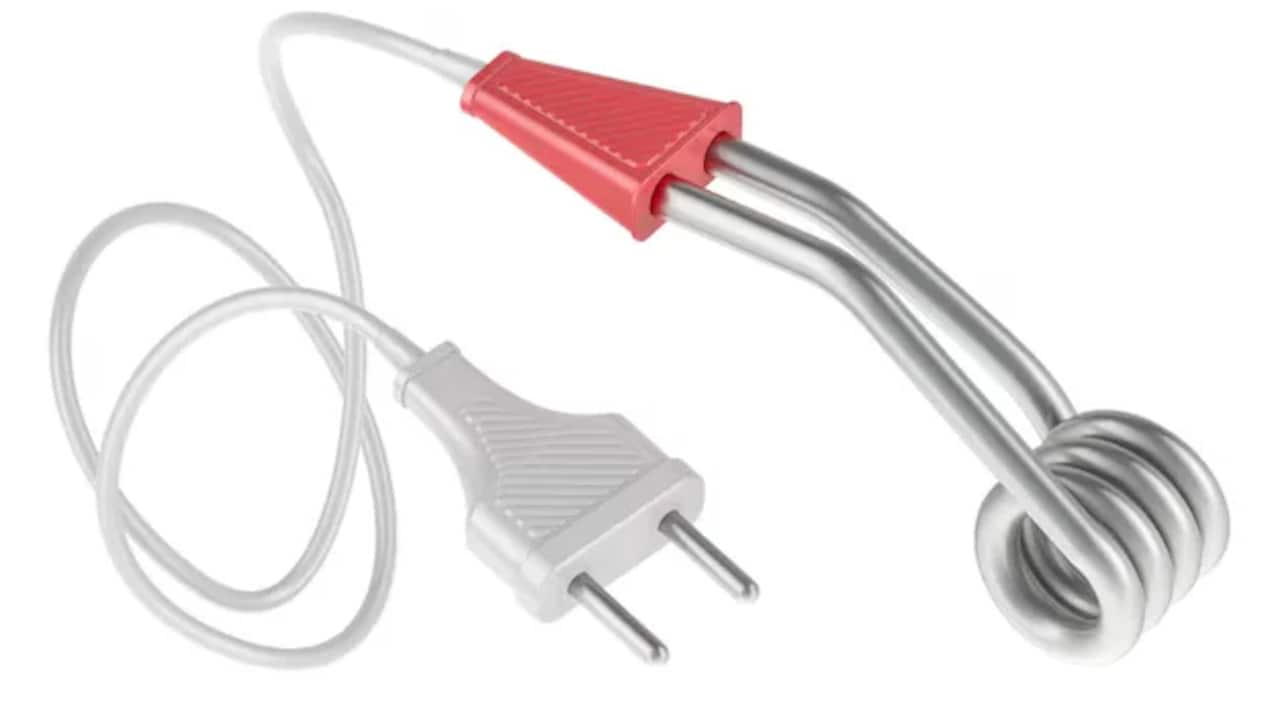
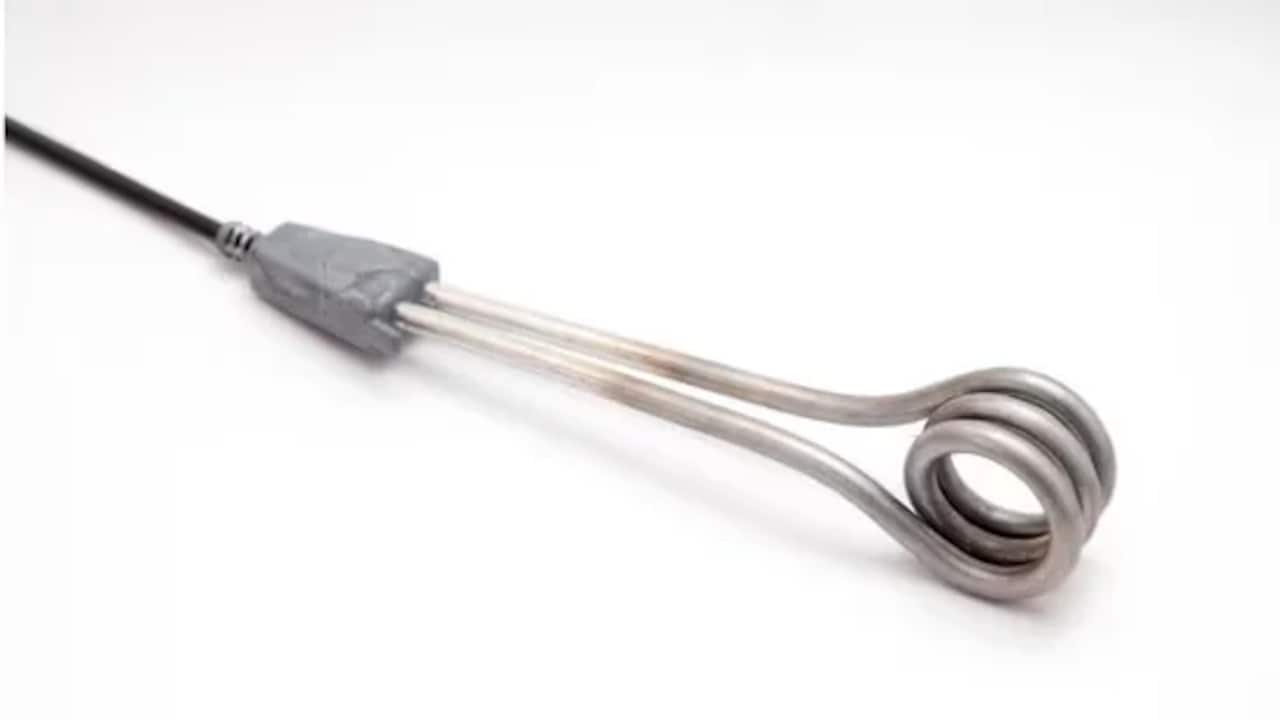
An immersion rod is a simple electrical appliance designed to heat water quickly. It consists of a metallic heating element connected to a power source through insulated wires. When plugged in, electricity flows through the coil, converting electrical energy into heat. This heat transfers directly to the water, raising its temperature. The simplicity of the design makes it affordable and portable, but it also means the heating element is in direct contact with water. This direct exposure is what makes immersion rods prone to electrical hazards if not used correctly.
Why Can Immersion Rods Give Shock?
The risk of electric shock arises because the heating element is submerged in water while connected to a live electrical circuit. If the insulation on the rod is damaged or the wiring is faulty, electricity can leak into the water. Touching the water during this time can complete the circuit through your body, resulting in a shock. Additionally, poor-quality rods or improper earthing in your home can increase the danger. Even splashes on the plug or socket can create short circuits, making vigilance essential when using these devices.
Also Read: Immersion Rod Vs Geyser Power Consumption: Which One Uses More Electricity?
Safety Precautions You Must Follow
To minimise the risk of electric shock, always unplug the immersion rod before touching the water. Ensure the rod is fully submerged before switching it on, as partial immersion can damage the coil and cause leakage. Use a socket with proper earthing and avoid extension cords that may not handle the load. Inspect the rod regularly for cracks or exposed wires, and replace it immediately if you notice any wear. Never leave the rod unattended while in use, and keep children away from the bucket during heating.
Enjoy Warm Baths Without Worry
Photo Credit: Freepik
Are There Safer Alternatives To Immersion Rods?
Yes, there are several safer options available today. Electric kettles are ideal for small quantities of water and come with automatic shut-off features, reducing the risk of overheating. Geysers, though more expensive, offer a permanent and safe solution for households, with built-in thermostats and insulation. Instant water heaters are another modern alternative, providing hot water on demand without exposing live elements to water. While these options may cost more upfront, they offer peace of mind and long-term safety, making them a worthwhile investment for families.
Also Read: Warm Up Your Winter With These Top Havells Water Heaters
The Role Of Quality And Certification
Not all immersion rods are created equal. Cheap, uncertified products often compromise on insulation and wiring quality, increasing the risk of accidents. Always look for rods that carry safety certifications and comply with electrical standards. Branded products usually undergo rigorous testing and provide better durability. Spending a little extra on a certified rod can significantly reduce the chances of electric shock. Remember, safety should never be sacrificed for cost, especially when dealing with appliances that combine electricity and water.
Some Electric Immersion Roda You May Like
1. Orient Electric Arc Plus Shock Proof 1500 W Immersion Heater Rod (Water)
2. RedShell SmartBuy ISI Mark Shock-Proof & Water-Proof 2000 W Shock Proof Immersion Heater Rod (Tubular)
3. NOVA Submersible NIH 430-05 1500 W Immersion Heater Rod (Water)
4. BAJAJ Waterproof 1500 W Shock Proof Immersion Heater Rod (water)
5. BAJAJ Waterproof 1000 W Shock Proof Immersion Heater Rod (water)
6. NOVA ISI Mark NIH 421 With Indicator 1000 W Immersion Heater Rod (Water)
7. Longway LWIR01 1500 W Shock Proof Immersion Heater Rod (Water)
8. HAVELLS HP15 Auto 1500 W Immersion Heater Rod (Water)
9. Rico IR1412 1500 W Shock Proof Immersion Heater Rod (Copper, Stainless Steel)
10. NOVA Submersible NIH 426 Instant Heat 1500 W Immersion Heater Rod (Water)
Immersion rods are undeniably convenient, but they come with real risks if used carelessly. Electric shock is a possibility when safety precautions are ignored or when the device is of poor quality. By following simple guidelines like unplugging before contact and ensuring proper earthing, you can reduce these dangers. However, considering safer alternatives such as electric kettles or geysers is a smart move for long-term peace of mind. Ultimately, the choice is yours, but prioritising safety over convenience will always be the best decision for your home and family.
Frequently Asked Questions (FAQs):
Q1. Can an immersion rod give an electric shock?
Yes, it can if the insulation is damaged or if you touch the water while the rod is plugged in. Always unplug before contact to stay safe.
Q2. Is it safe to leave an immersion rod unattended?
No, leaving it unattended can lead to overheating or accidents. Always monitor the heating process and switch it off once the water is hot.
Q3. How long should I keep an immersion rod in water?
Typically, 10–15 minutes is enough for heating. Avoid prolonged use as it can damage the rod and increase the risk of electrical faults.
Q4. What should I do if my immersion rod gives a mild shock?
Stop using it immediately and check for insulation damage. Replace the rod or consult an electrician before using it again.
Q5. Are immersion rods energy efficient?
They are moderately efficient for small quantities of water. For larger needs, geysers or instant heaters are more practical and safer.
(Disclaimer: This article may include references to or features of products and services made available through affiliate marketing campaigns. NDTV Convergence Limited (“NDTV”) strives to maintain editorial independence while participating in such campaigns. NDTV does not assume responsibility for the performance or claims of any featured products or services.)