Four vs Three Burner Gas Stove? How To Choose Based On Pan Size, Not Family Size
Four burner vs three burner gas stove comparison made simple: Learn how to choose the right one based on pan size, cooking habits, and kitchen efficiency, not just family size.
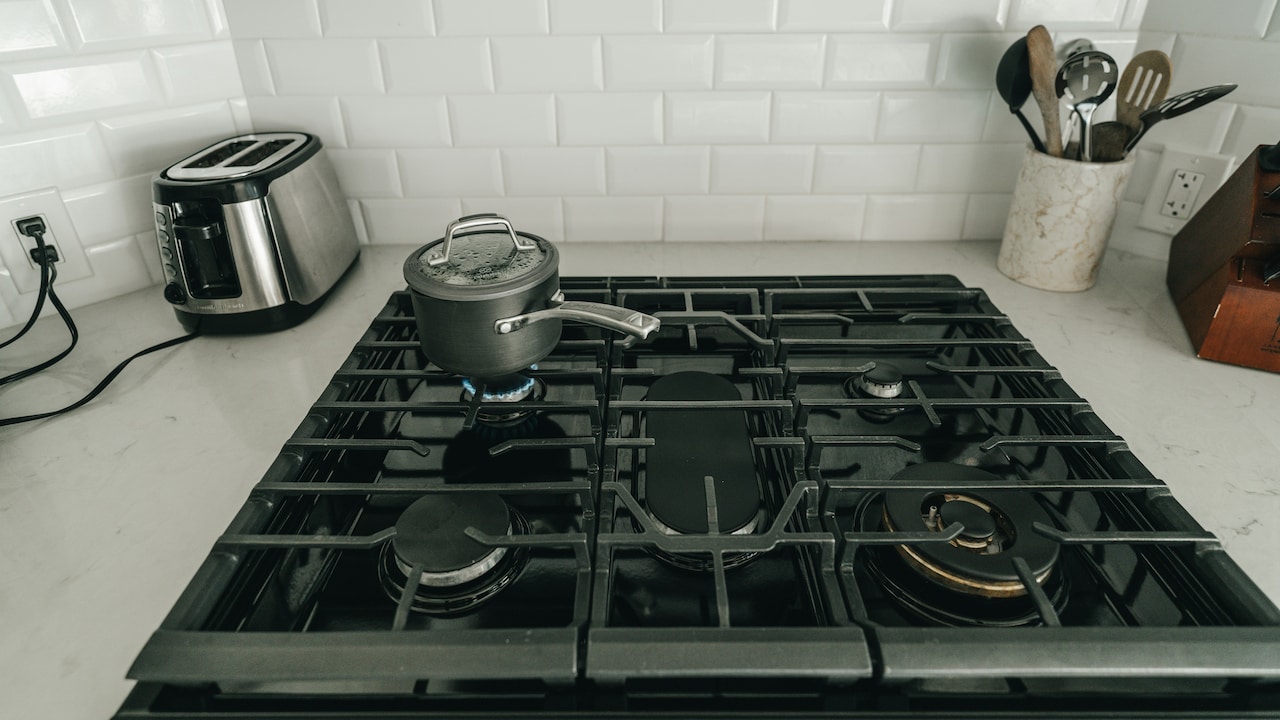
Four-Burner vs Three-Burner Gas Stove: How Pan Size Helps You Choose the Right One.
Walk into any store, and a familiar sales pitch appears within seconds: “Four-burner stove for big families, madam, three-burner is enough for smaller homes.” It sounds logical, but it's far from the truth. Real kitchens have their own rules, the clash of wide kadais, the morning frenzy of tiffin-making, and the eternal challenge of fitting three different pots without playing a round of stove-side chess. Choosing between three and four burners is not about how many people live at home but about how you cook, the kind of pans you use, and the space your chimney or countertop can spare.
A compact household may need four burners, while a large, bustling one may find three more than enough. Once pan sizes, cooking habits and ergonomics come into the picture, the choice becomes clearer, smarter and far more practical. Let's break it down with relatable examples from everyday kitchens, the ones filled with crackling tadkas, rushed breakfasts, and the comforting aroma of dinner simmering after a long day. So, when it comes to four burner vs three burner gas stove comparison, here is how to choose based on pan size and not family size.
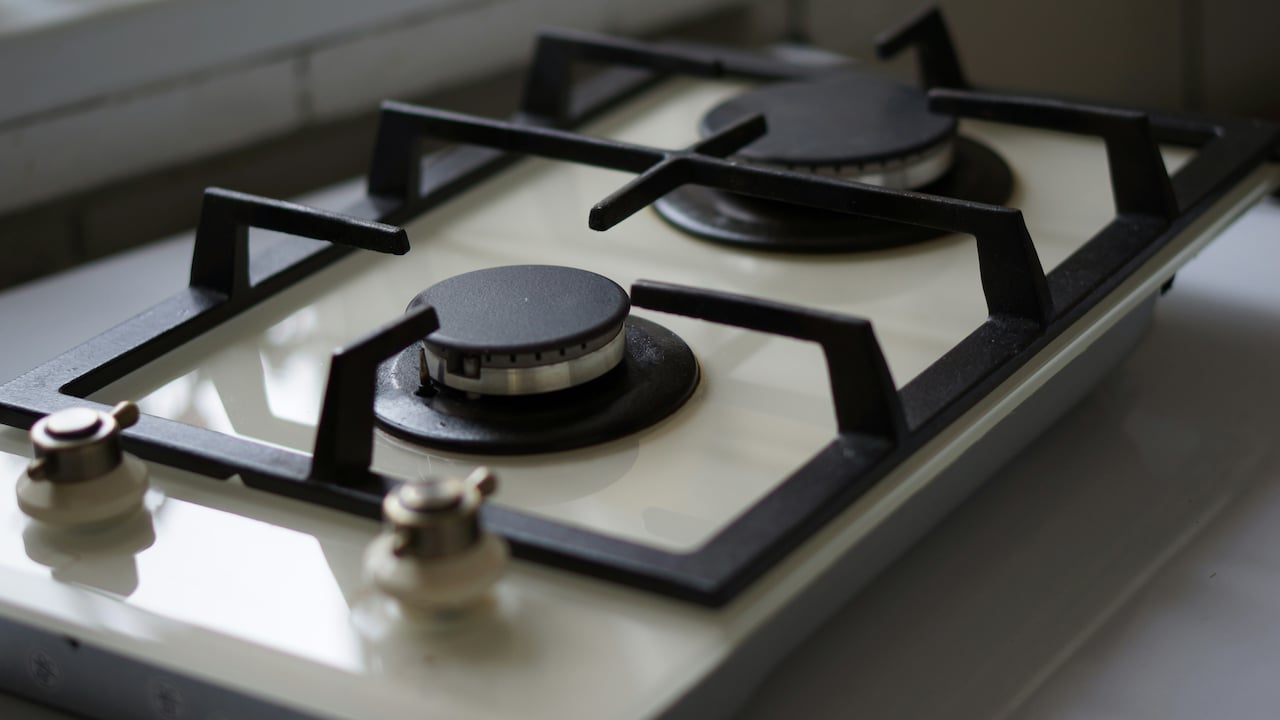
Four vs Three Burners? Choose Based On Pan Size, Not Family Size; Photo Credit: Pexels
Before You Choose: What Really Influences the Right Burner Count
1. Pan Size Decides Everything, Not Headcount
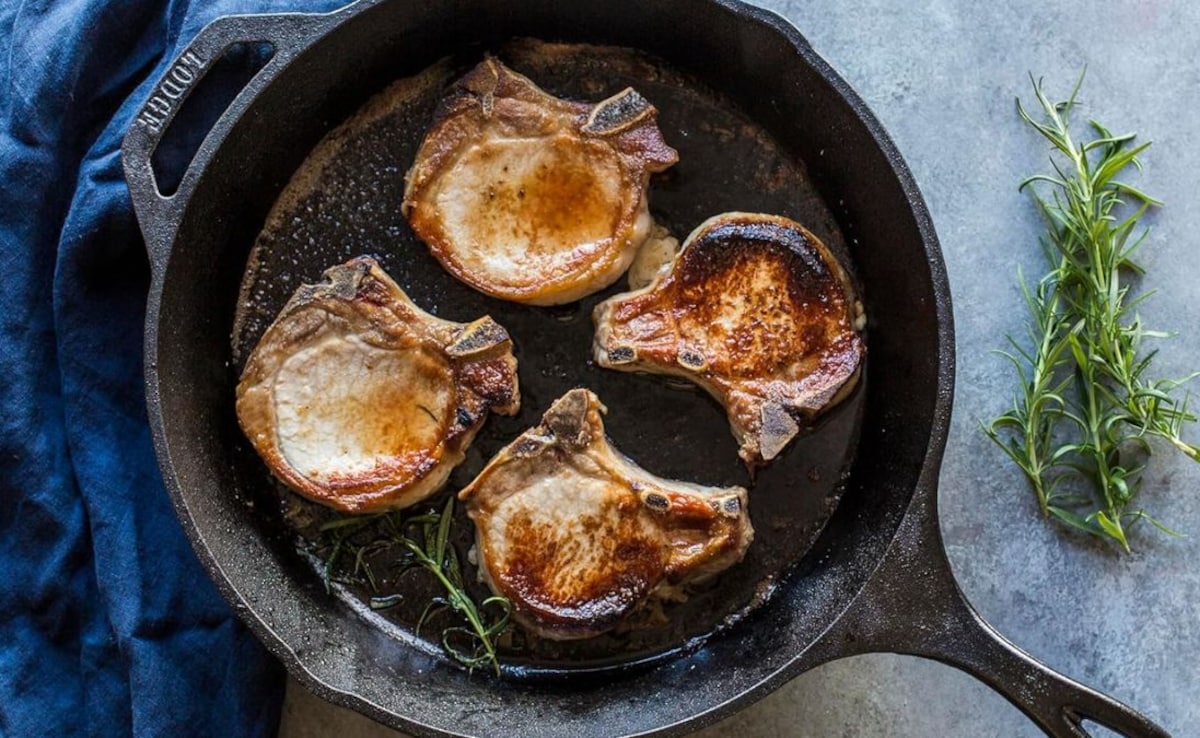
Walk into the kitchen on a Sunday morning when a large dosa tawa, a milk pot and a bubbling curry pot are all demanding space. You instantly see the problem. Even with four burners, only two may fit comfortably if your utensils are wide. Many assume an extra burner means more efficiency, but the real test comes when placing pots beside each other. Wide pans overlap, handles crash, and flames get blocked.
Before picking a stove, place your biggest pans on the counter and imagine them lined up. Do they sit snugly side-by-side, or do they demand more elbow room? A household that uses large kadais or heavy-bottomed pans may find a three-burner more practical because the spacing is often wider. On the other hand, those who use compact vessels may easily make full use of all four burners. The key is simple: your stove should complement your cookware, not fight with it. When pan size rules, the choice makes itself.
2. A Fourth Burner Often Remains a Decorative Bonus
Many dream of using all four burners at once, yet reality tells another story. The typical weekday routine involves two or three tasks: boiling milk, cooking rice, sautéing vegetables. The fourth burner quietly remains a spectator, used only during festivals, house gatherings or the occasional feast. Buying a four-burner with the hope of transforming everyday cooking into a four-act symphony often leads to disappointment.
A three-burner stove, with well-spaced burners, handles daily cooking with ease and rarely feels restrictive. In fact, many experienced cooks swear that fewer burners mean better heat control and less crowding. If the fourth burner becomes active only once in a blue moon, it might be worth reconsidering the need for it. A stove should fit daily use, not the rare event that pops up once or twice a year.
Also Read: 5 Best-Selling Gas Stoves Under ₹4600 - Single, Double And Triple Burner
3. Countertop Space Can Make or Break the Decision
Not every kitchen offers the luxury of a long countertop. In many homes, the stove, sink and prep area fight for every inch. A four-burner stove takes up more space, leaving less room for chopping, kneading dough or placing ingredients. Those with compact kitchens often find a three-burner more comfortable because it keeps the cooking area open and functional.
Think about your routine. If you like spreading vegetables, chutneys, spices and ladles as you cook, tight counter spaces can feel suffocating. A slightly smaller stove can create breathing room. Also consider the height and flow of the chimney above, some wider stoves extend beyond the suction area, affecting ventilation. Kitchen geometry matters more than most people realise. A well-fitting stove can make the space feel organised, while an oversized one can disrupt the rhythm of daily cooking.
4. Energy Efficiency Improves When You Use What You Need
Burners run on LPG, and that flame comes with a cost, quite literally. A four-burner stove doesn't consume extra gas on its own, but many people unintentionally burn more fuel because they feel encouraged to multitask. Running three or four burners simultaneously may rush the process, but it increases gas consumption.
On the other hand, three burners naturally create a mindful pace. You cook what's necessary, manage heat better, and waste less. For many, this translates to noticeable savings over months, especially when refilling a cylinder now costs over ₹1,000. A stove should not tempt unnecessary multitasking; it should support balanced, efficient cooking. Choosing based on usage rather than the allure of “more burners” helps maintain both energy efficiency and household budgets.
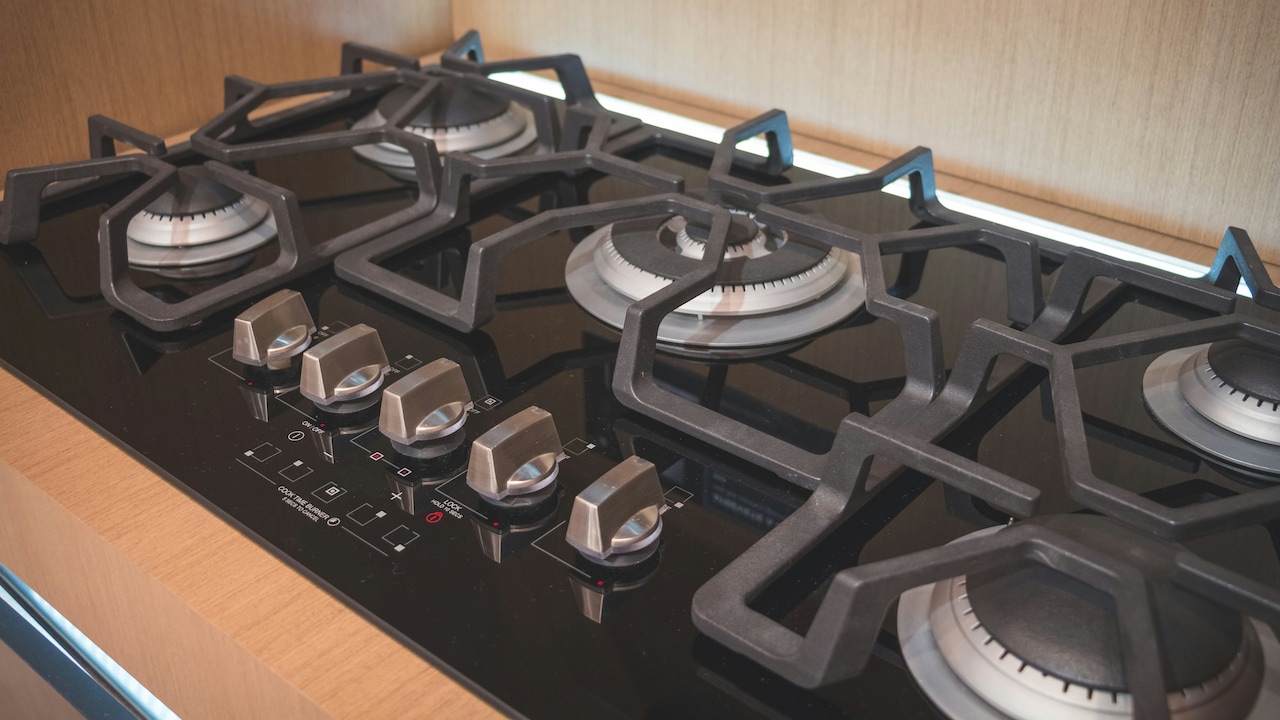
Four vs Three Burners? Choose Based On Pan Size, Not Family Size; Photo Credit: Pexels
5. Cooking Style Shapes the Choice More Than Anything Else
Some kitchens come alive with elaborate meals, biryani simmering, dal bubbling, vegetables frying and chapatis puffing all at once. Others follow a minimalist routine: rice, one sabzi, and maybe a quick tadka. Your stove should match your cooking rhythm.
If your meals require constant multitasking, a well-spaced three-burner may actually outperform a cramped four-burner simply because it accommodates larger pans without collisions. Conversely, if you often prepare several small dishes simultaneously, for example, separate curries for kids, elders and guests, a four-burner can be a blessing. Cooking is personal, and so is the clock you follow. Instead of choosing based on the number of people at home, observe how your meals unfold throughout the week. That reveals what your kitchen truly needs.
6. Utensil Shapes Matter More Than Quantity
Round-bottom kadais, long-handle tawas, tall pressure cookers and tiny seasoning pans, each behaves differently on a stove. A four-burner layout can feel restrictive if your utensils flare outwards or have wide handles. Many people realise only after installation that their kadai blocks the flame of the adjacent burner.
Three-burner stoves often come with generous spacing, letting various pan shapes sit comfortably without competing for room. If your kitchen loves experimenting with different cookware sizes, this extra spacing becomes invaluable. While four burners sound like more freedom, mismatched pan geometry can cause disappointment. Before choosing, lay out your pans on the floor or table and check how they align. This simple test clears up confusion that specs and catalogues never explain.
7. Time-Saving Depends on Burner Placement, Not Count
Mornings are a race against the clock. Tiffins need packing, breakfasts need flipping, and tea waits for no one. Surprisingly, the number of burners doesn't decide how fast you finish, their placement does. A well-designed three-burner stove often positions the burners so all can be used without interference.
In contrast, many four-burner models place the burners too close. You end up using only the front two because the back ones are blocked by big vessels. The illusion of “more burners equals faster cooking” quickly fades when pots collide. If speed is the aim, consider how comfortably each burner can operate. Smooth workflow trumps burner quantity every single time.
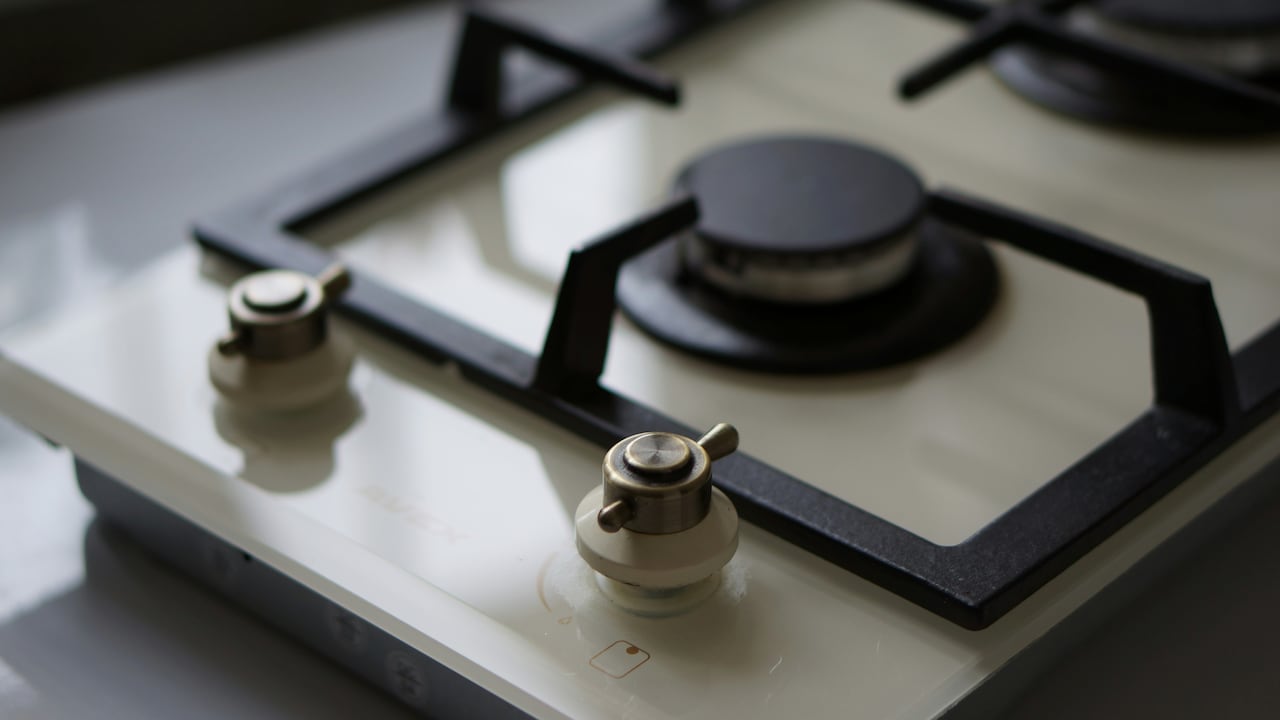
Four vs Three Burners? Choose Based On Pan Size, Not Family Size; Photo Credit: Pexels
8. Maintenance Becomes Easier With Fewer Components
A four-burner stove brings extra knobs, extra pipelines and extra parts, all of which need cleaning and occasional servicing. Oil splatters, dried food and dust sneak into the corners, making deep cleaning a tiring affair. It's not impossible; it just demands more effort.
Three-burner stoves are simpler to maintain. Fewer parts mean fewer chances of malfunction, and cleaning around the burners becomes less time-consuming. This convenience often shows up during festive cleaning, where every corner of the kitchen gets scrubbed. Practical households value anything that makes cleaning easier, and burner count undoubtedly plays a role in long-term upkeep. A stove that's easier to maintain quietly saves time, effort and repair expenses.
9. Budget Occasionally Influences the Choice, But Not the Way You Think
The price difference between a high-quality three-burner and four-burner stove is usually modest, but the best decision isn't always the more expensive one. A premium three-burner model with toughened glass, auto-ignition and durable brass burners may outperform a larger but average four-burner any day.
Instead of stretching the budget for an extra burner, many people prefer investing in long-lasting durability, better build quality or enhanced safety features. A stove is a long-term partner in the kitchen, it's worth choosing reliability over size. A well-chosen stove saves unexpected repair costs, reduces gas leaks and keeps the cooking environment safe. Value lies in daily performance, not burner quantity.
10. Family Size Is Not a Predictor of Stove Needs
This is the biggest misconception of all. A household with two working adults may prepare multiple dishes at the same time to manage tight schedules, making a spacious stove essential. Another home with six members might cook in stages because meals are simpler or routines are staggered. The number of people does not dictate how many burners you need.
Buying based on family size often leads to mismatches. A small family with elaborate cooking habits may feel cramped with three burners. A large one may find four unnecessary because their meals don't demand that kind of multitasking. The smartest approach is to analyse your kitchen routine, utensil sizes, and workflow. When these factors align, the perfect stove, three or four burners, becomes obvious.
Products Related To This Article
1. Butterfly Smart 3 Burner Glass Top Gas Stove
2. Glen 3 Burner Toughened Glass Top LPG Gas Stoves Auto Ignition
3. Lifelong 2 Burner Gas Stove Top for Kitchen
4. Prestige Iris 2 Burner Gas Stove
5. Lifelong Glass Top Gas Stove
Choosing between a three-burner and a four-burner stove is not a mathematical decision. It's a reflection of kitchen rhythms, pan sizes, countertop layout and the cooking habits that shape everyday life. A stove should feel like a natural extension of your kitchen, spacious where needed, compact where convenient, and perfectly aligned with how meals unfold day after day.
Instead of following the age-old belief that more burners suit bigger families, choose based on what truly matters: the size of your pans, the dishes you prepare, the space you have and the comfort you seek while cooking. When selection is based on real-life needs, the kitchen transforms from a crowded battlefield into a smooth, efficient and enjoyable space.
If you'd like, a tailored recommendation can also be created based on your kitchen size, cookware type and cooking habits.
(Disclaimer: This article may include references to or features of products and services made available through affiliate marketing campaigns. NDTV Convergence Limited (“NDTV”) strives to maintain editorial independence while participating in such campaigns. NDTV does not assume responsibility for the performance or claims of any featured products or services.)