Gas vs Induction Cookware Explained: How to Choose the Right Pots, Pans And Materials
Choosing cookware isn’t just about looks or price. The right pots and pans can save gas, cook food evenly, and make daily meals less tiring. This guide breaks down what actually works on gas and induction stoves, without jargon or guesswork.
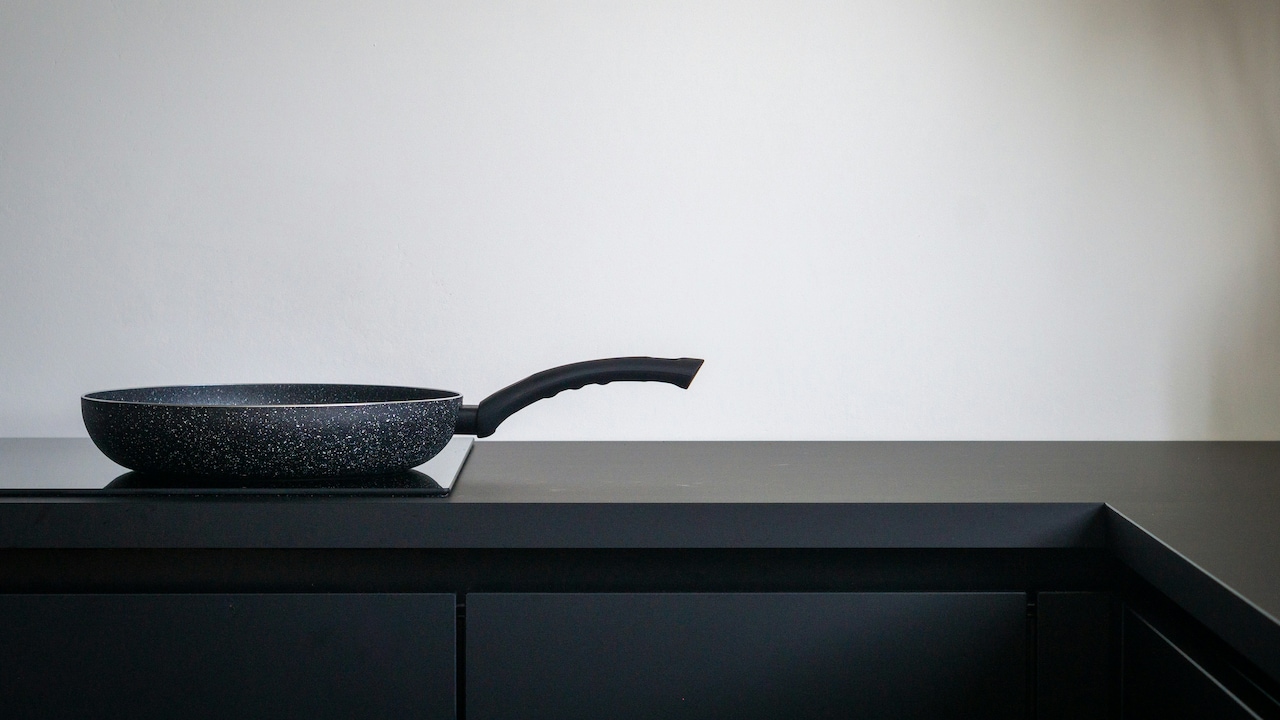
How To Choose Cookware for Gas And Induction Stoves: Best Pots, Pans, Materials And Kitchen Tips.
Cookware shopping often starts with good intentions and ends in confusion. One pan works beautifully on a gas flame but refuses to heat on induction. Another looks premium but burns food or feels too heavy for daily use. Add rising fuel costs, compact kitchens, and mixed cooking styles, and the choice becomes even trickier.
Most homes today juggle more than one cooking method. A gas stove handles everyday curries and tadkas, while an induction cooktop steps in during summers, power cuts with inverter backup, or quick weekday meals. That's why cookware needs to be practical, compatible, and comfortable to use, not just stylish on a shelf.
This guide breaks cookware choices down to what actually matters: materials, base thickness, pan shapes, maintenance, and small kitchen habits that make a big difference. No brand hype, no technical overload. Just clear, everyday advice rooted in how real kitchens function.
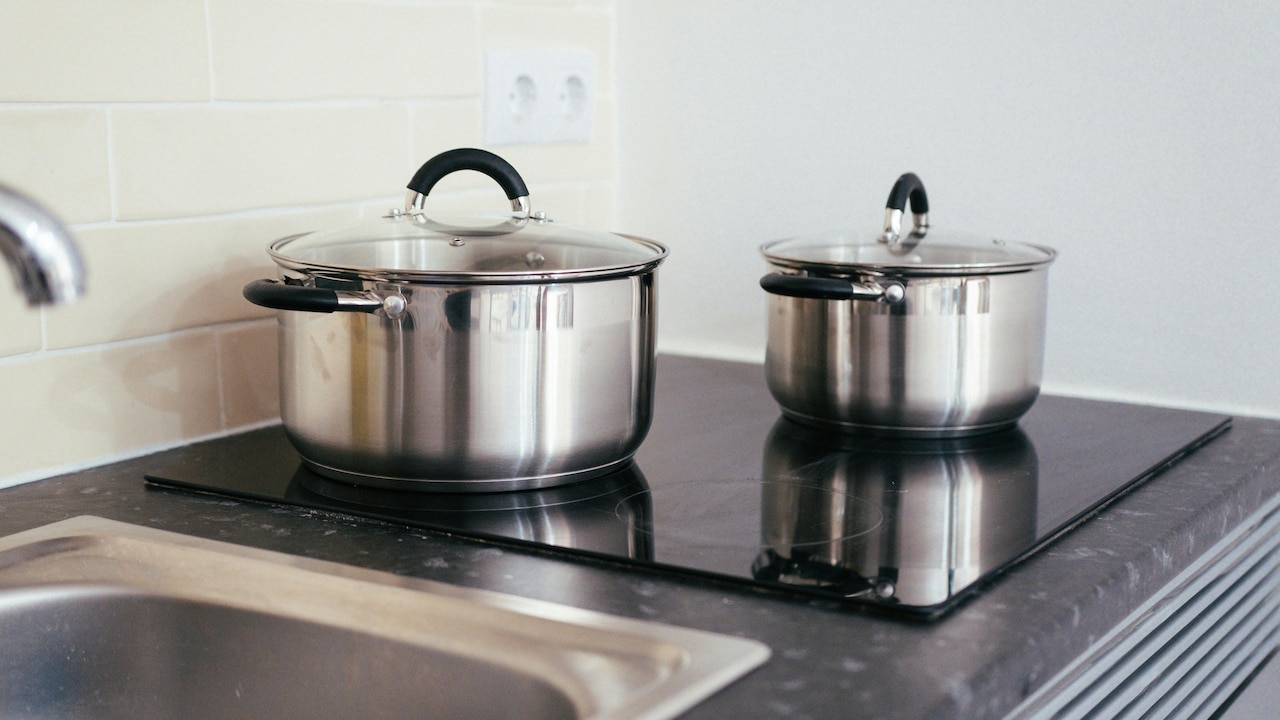
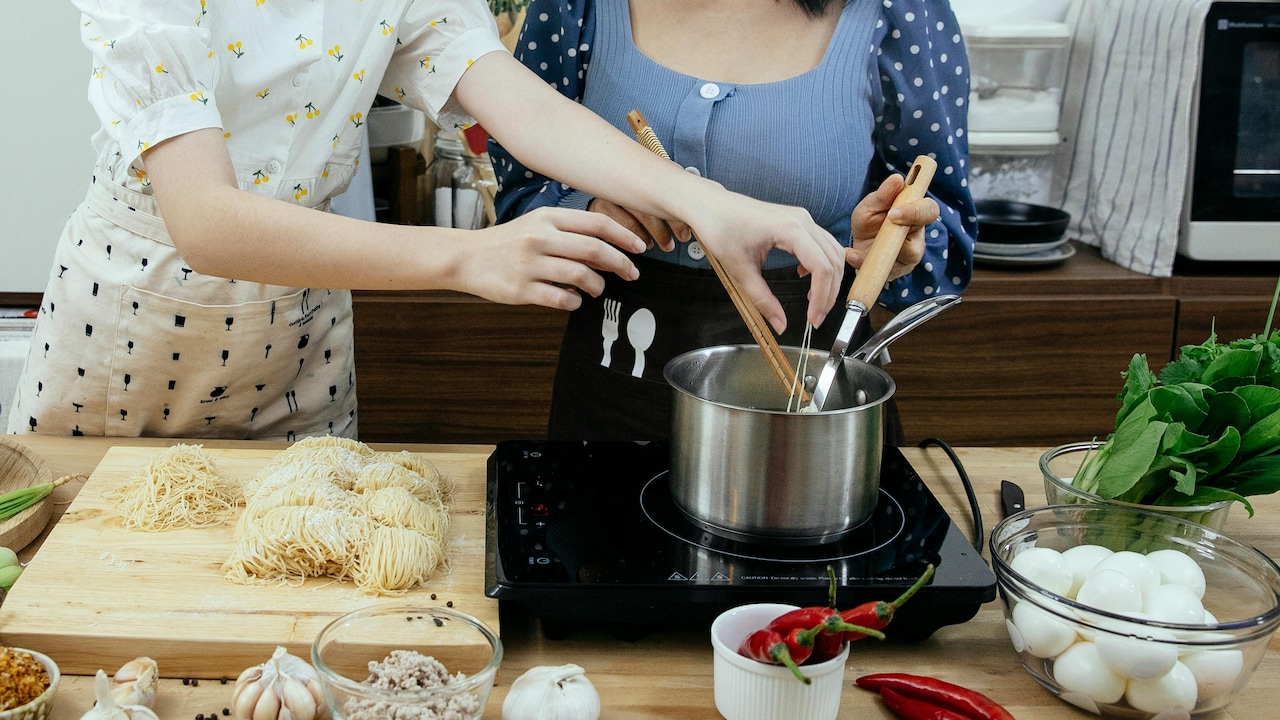
Gas vs Induction Cookware Explained: How To Pick The Right Pots And Pans; Photo Credit: Pexels
What To Know Before Choosing Cookware For Gas And Induction
1. Understand How Gas and Induction Heat Differ
Gas stoves heat cookware through an open flame. The flame spreads heat along the bottom and slightly up the sides, which means pans benefit from even material thickness and good heat tolerance. Induction stoves work differently. They heat cookware using magnetic energy, so only materials with ferrous (magnetic) properties work.
This difference explains why aluminium kadais cook evenly on gas but stay cold on induction. It also explains why some pans heat incredibly fast on induction and scorch food if attention slips. Gas cooking allows visual control; you can see the flame and adjust instinctively. Induction feels more precise but demands cookware that responds quickly and evenly.
Understanding this basic contrast prevents wasted purchases. If a home uses both stoves regularly, cookware must handle direct flame heat without warping and still respond efficiently on induction. That usually means choosing layered or bonded materials rather than single-metal pans.
2. Stainless Steel: The Everyday Workhorse
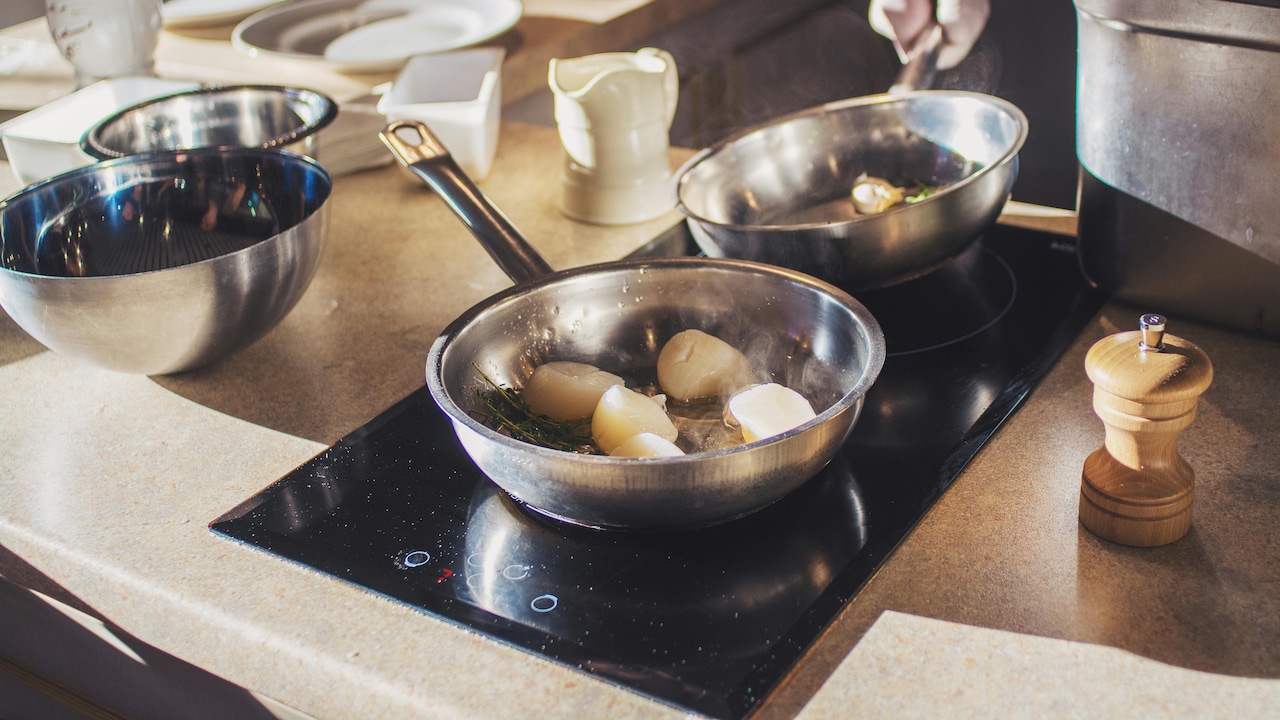
Stainless steel cookware earns its place because it handles almost everything reasonably well. It works on gas effortlessly and, if it has a magnetic base, performs reliably on induction too. The key lies in construction, not just material.
Good stainless steel cookware uses a sandwich base, usually steel-aluminium-steel. The aluminium core spreads heat evenly, while the steel exterior ensures induction compatibility. Thin, single-layer steel pans tend to heat unevenly and stick easily, leading to frustration during everyday cooking.
Stainless steel excels at boiling, sautéing, pressure cooking, and simmering gravies. It doesn't react with acidic foods and survives high heat without damage. It also ages well. Scratches appear, but performance stays intact. For daily dal, sabzi, and rice, stainless steel remains one of the safest long-term investments.
3. Aluminium Cookware: Great on Gas, Limited on Induction
Aluminium heats quickly and evenly, making it ideal for gas stoves. That's why it's so common in kadais, tawas, and large cooking vessels. Food cooks faster, fuel usage stays efficient, and handling feels lighter compared to steel or cast iron.
The limitation shows up on induction. Aluminium isn't magnetic, so unless it has a bonded induction base, it simply won't work. Even when it does, cheaper versions may warp over time due to rapid heating and cooling cycles.
Hard-anodised aluminium improves durability and resistance to scratches. It also reduces food sticking and handles higher heat better. For gas-only kitchens or homes where induction is secondary, aluminium still makes sense. For mixed setups, aluminium works best when paired with a proper steel base.
4. Cast Iron: Traditional, Heavy, and Surprisingly Versatile
Cast iron feels intimidating at first, heavy, dark, and demanding. But once seasoned properly, it becomes one of the most forgiving and flavour-enhancing materials in the kitchen. It works beautifully on gas and is naturally compatible with induction due to its magnetic nature.
Cast iron retains heat exceptionally well. Once hot, it stays hot, making it ideal for slow cooking, shallow frying, and dishes that benefit from steady heat. Rotis puff well, dosas crisp evenly, and gravies thicken naturally without constant flame adjustments.
The downside lies in maintenance. Cast iron needs drying, light oiling, and patience during the first few uses. It's not ideal for rushed cooking or frequent acidic dishes. But for those willing to adapt, cast iron offers durability measured in decades, not years.

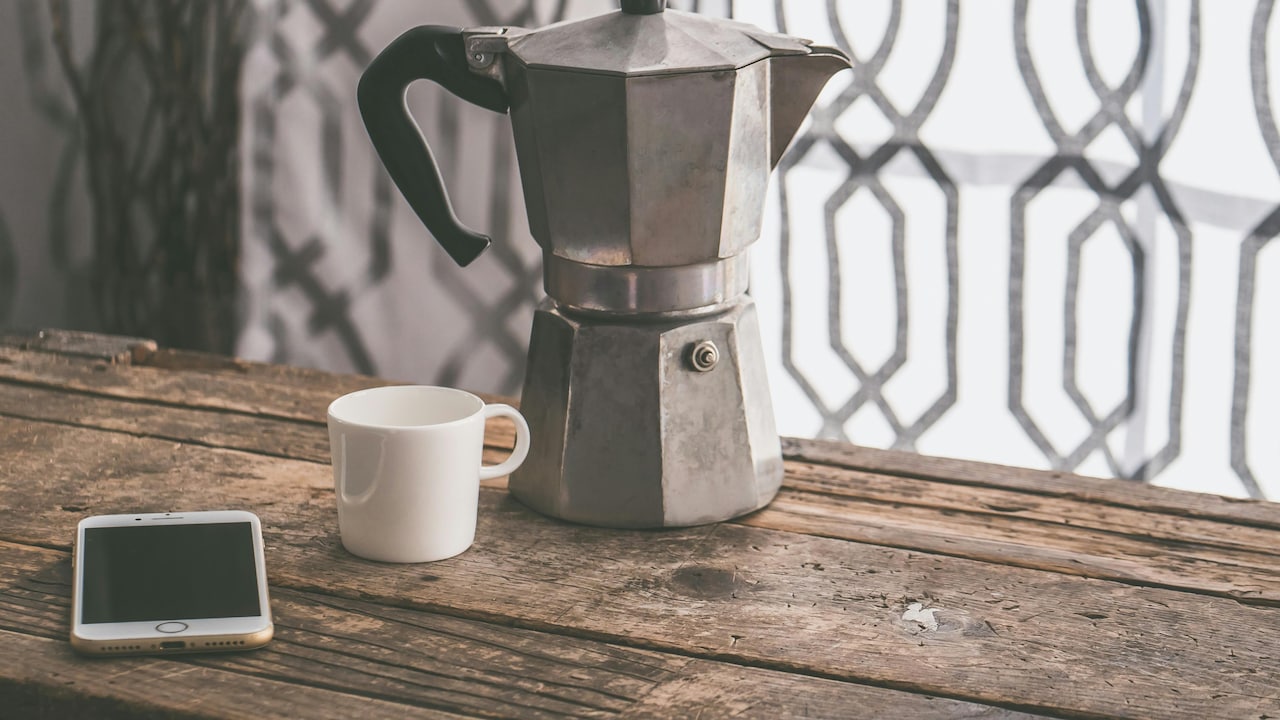
Gas vs Induction Cookware Explained: How To Pick The Right Pots And Pans; Photo Credit: Pexels
5. Non-Stick Cookware: Convenience With Conditions
Non-stick cookware simplifies daily cooking. Less oil, easier flipping, faster cleaning. On gas, it works well if flames stay controlled and never lick the sides. On induction, compatibility depends on the base, not the coating.
The biggest mistake is overheating non-stick pans. High heat degrades coatings quickly, leading to peeling and reduced lifespan. Induction's rapid heating makes this risk higher, so lower power settings matter.
Non-stick works best for eggs, pancakes, shallow frying, and quick meals. It shouldn't replace all cookware, but it earns a place for specific tasks. Choosing thicker bases, avoiding metal spatulas, and accepting a shorter lifespan help set realistic expectations.
6. Copper and Ceramic: Style Meets Selective Use
Copper cookware looks stunning and heats extremely evenly on gas. However, pure copper doesn't work on induction unless layered with steel. It also reacts with food unless lined, which increases cost and maintenance.
Ceramic cookware, often marketed as healthy or toxin-free, usually consists of ceramic-coated metal. Performance varies widely based on build quality. On gas, it works decently at medium heat. On induction, only versions with proper magnetic bases perform reliably.
Both materials suit occasional cooking or aesthetic-focused kitchens, but rarely replace everyday staples. They shine in controlled cooking, not rushed weekday meals.
7. Flat Bases Matter More Than You Think
A pan's base determines how efficiently it transfers heat. Warped or uneven bases waste energy on induction and cause hot spots on the gas. Flat, thick bases maintain better contact and distribute heat evenly.
Induction cooktops are especially sensitive. Even slight warping reduces heating efficiency. That's why cheaper cookware often disappoints despite being technically compatible.
Before buying, checking the base thickness and flatness saves long-term frustration. Heavier bases often signal better heat control, even if they feel slightly cumbersome at first.

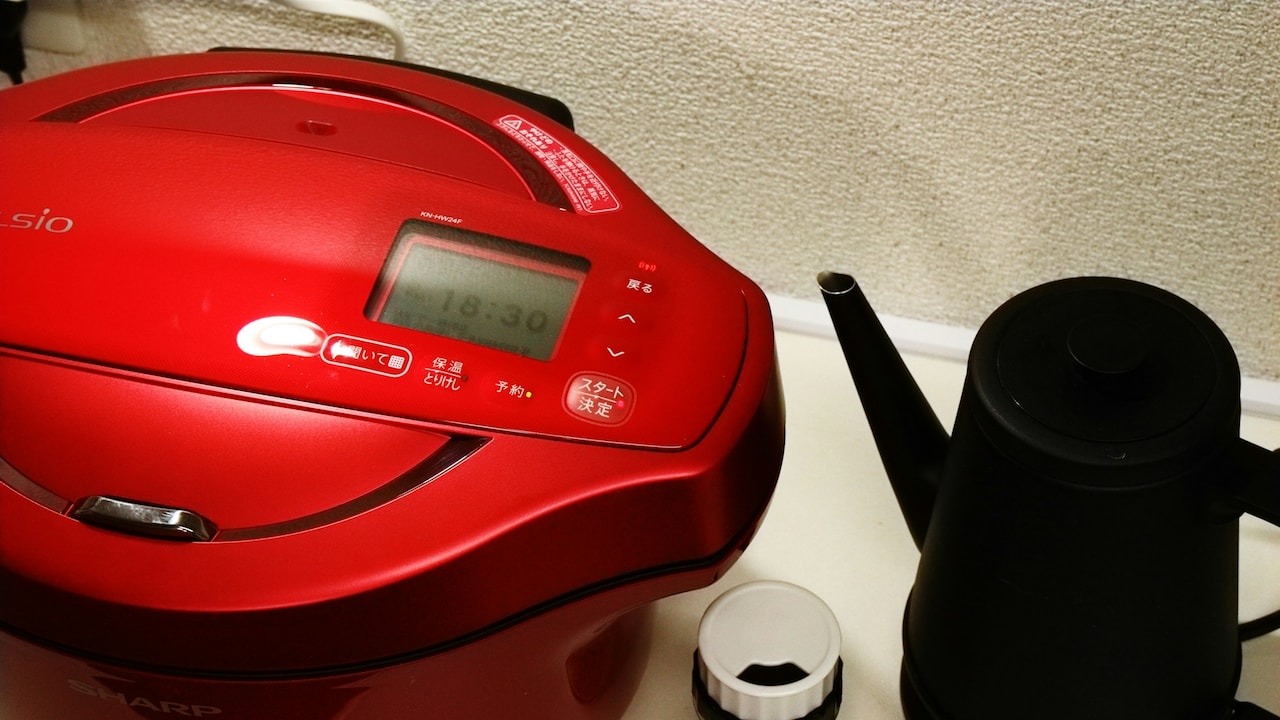
Gas vs Induction Cookware Explained: How To Pick The Right Pots And Pans; Photo Credit: Pexels
8. Size and Shape Influence Cooking Results
Wide-bottom pans work better on gas, as flames spread outward. Narrow bases trap heat inefficiently. On induction, matching pan size to the heating zone matters even more.
Tall vessels suit boiling and pressure cooking. Wide kadais excel at sautéing and frying. Deep pans hold gravies without spills. Choosing cookware shapes based on cooking habits reduces overcrowding and uneven cooking.
One versatile kadai, one flat tawa, one medium saucepan, and one pressure cooker handle most needs comfortably. More pieces add clutter without adding convenience.
9. Handles, Lids, and Daily Comfort
Comfort often gets overlooked. Heavy pans with poor handles strain wrists during daily use. Loose rivets heat up dangerously. Lids that don't fit properly release steam and waste energy.
Heat-resistant handles, balanced weight distribution, and snug lids improve cooking efficiency. Glass lids help monitor food without lifting, while steel lids retain heat better for slow cooking.
Small design choices impact daily cooking far more than flashy finishes or brand names.
10. Maintenance Habits Extend Cookware Life
Good cookware lasts longer when treated thoughtfully. Avoid sudden temperature changes. Let hot pans cool before washing. Use wooden or silicone tools where needed.
Induction cooking benefits from lower heat settings and patience. Gas cooking rewards flame control. Cleaning promptly prevents residue buildup that affects performance.
Proper storage matters too. Stacking without protection scratches surfaces. Simple cloth separators keep cookware looking and performing better over time.
Products Related To This Article
1. Milton Pro Cook Kitchen Jewel Set of 5 Non-Stick Cookware
2. Crystal Classic Series 7-pc Non-Stick Induction Bottom Cookware Set, PFOA Free
3. AADHIK Stainless Steel Sauce Pan
4. Triply Stainless Steel Casserole/Dutch Oven/Handi
5. Amazon Basics Granite Finish Non-Stick 5 Pcs Induction Base Cookware Set-Granito Grey
Choosing cookware isn't about chasing trends or building a matching set. It's about understanding how different materials behave on gas and induction stoves, and aligning those traits with everyday cooking habits.
Stainless steel offers reliability. Aluminium delivers speed. Cast iron brings depth and tradition. Non-stick adds convenience. Each material serves a purpose when chosen thoughtfully.
The best kitchens aren't filled with expensive cookware; they're equipped with pieces that feel familiar, respond well, and quietly make daily cooking easier. When cookware works with the stove instead of against it, meals feel less like chores and more like routines worth enjoying.
(Disclaimer: This article may include references to or features of products and services made available through affiliate marketing campaigns. NDTV Convergence Limited (“NDTV”) strives to maintain editorial independence while participating in such campaigns. NDTV does not assume responsibility for the performance or claims of any featured products or services.)