How To Choose The Right Water Purifier For Your Home In 5 Minutes
Confused between RO, UV, UF or copper filters? Picking the right water purifier shouldn’t feel like decoding a chemistry textbook. This is a simple, engaging and quick guide to help make the best choice for your home in just five minutes.
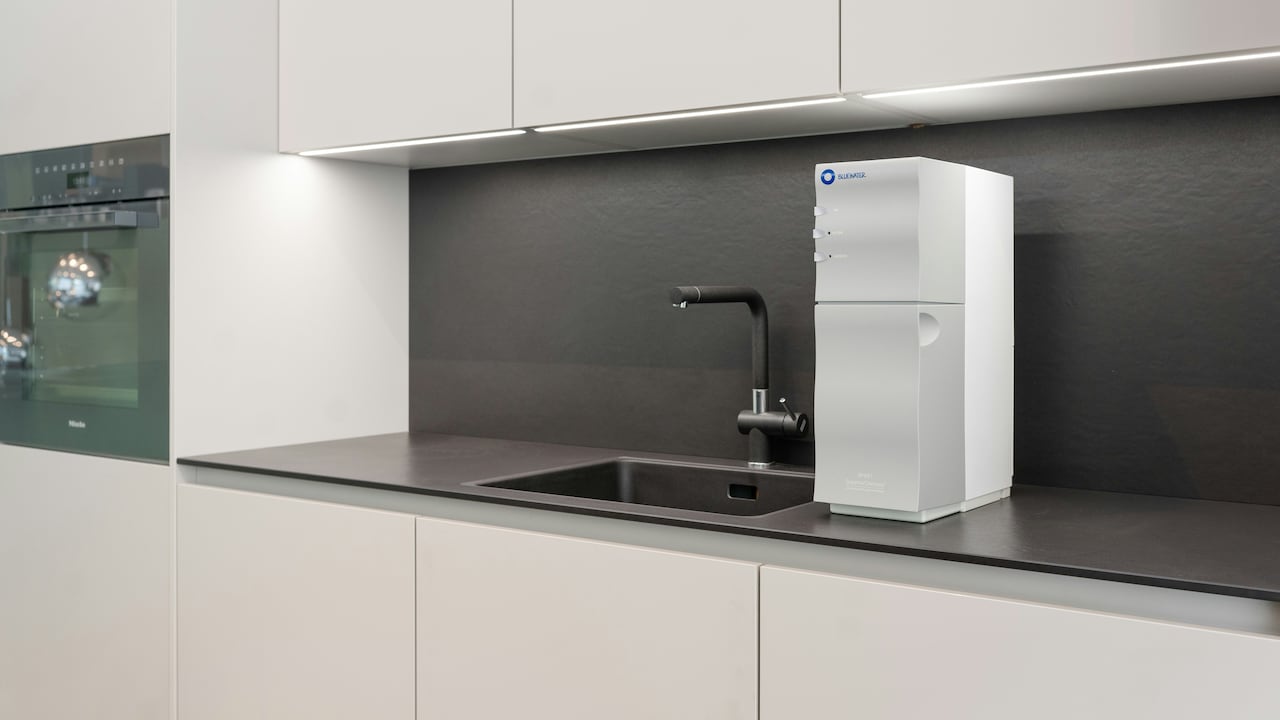
RO, UV, UF or Copper? How to Choose the Best Water Purifier for Your Home in 5 Minutes.
Walk into any electronics store, and the wall of water purifiers looks like a battleground of big brands shouting RO, UV, UF, alkaline, copper-charged and whatnot. The sales assistant throws around jargon faster than news headlines during election season. You nod politely, while your mind tries to figure out whether RO is an engine oil or UV is a sunscreen feature. Truth is, choosing a purifier shouldn't feel like a brain workout. Clean drinking water is as essential as morning chai, and getting the wrong purifier could lead to wasted money, poor taste, and worse, unsafe water.
So how does someone decide? Thankfully, there's no need to sit with a lab coat or memorise the periodic table. With clarity on your water source and what each technology does, the choice becomes surprisingly simple. Think of it as matching the right treatment to the right problem. Let's uncover the mystery around how to choose the right water purifier for your home, one sip at a time.
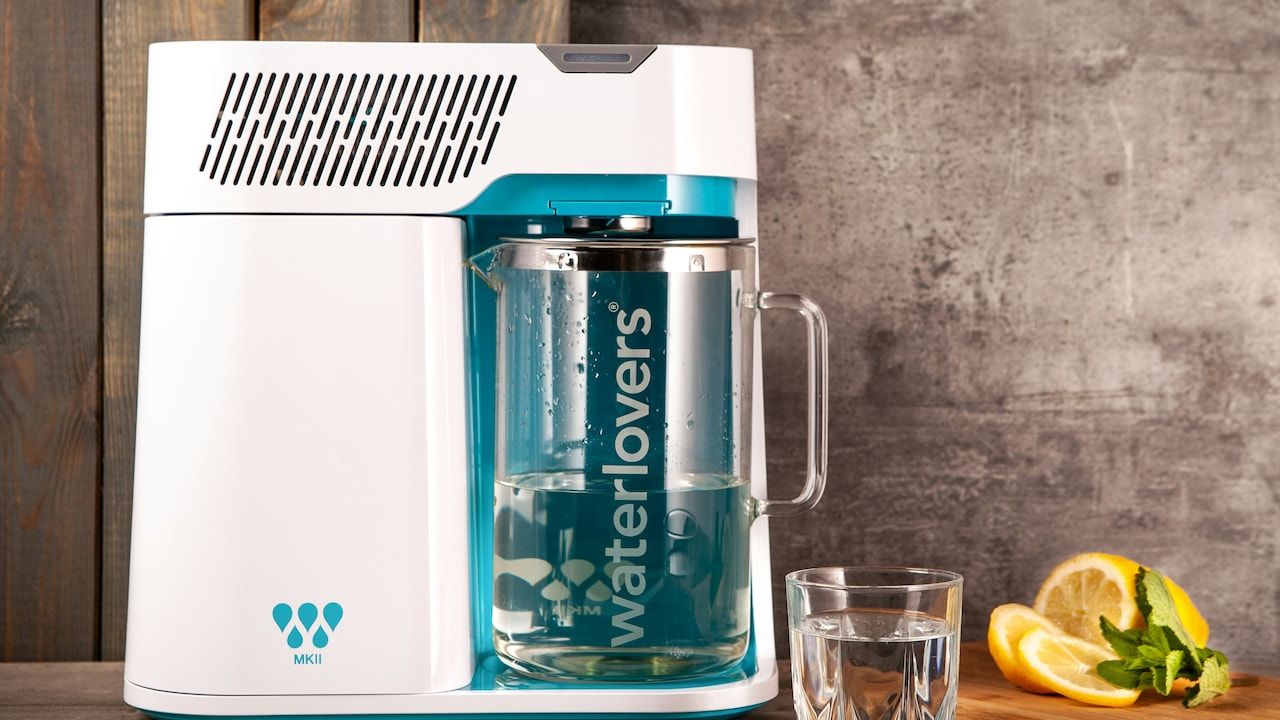
How To Choose The Right Water Purifier For Your Home In 5 Minutes
Photo Credit: Unsplash
Quick Breakdown: Matching Your Water To The Perfect Purifier
1. Know Your Water Source Before Spending a Rupee
Most people buy purifiers based on brand ads, neighbour recommendations, or fancy terms printed on the box. Yet the real clue hides in your water source. Borewell water often carries dissolved salts and heavy metals. Tanker water can swing between salty and impure depending on where it's coming from. Municipal tap water usually has microbial contamination and sometimes smells like it came through an archaeological pipeline.
The water purifier works like a doctor. It needs a diagnosis before medication. A quick TDS test, which many brands offer for free or can be bought for around ₹300, becomes your check-up. If TDS (Total Dissolved Solids) is above 500 ppm, the water tastes brackish, and metals might be present. If it's lower, microbes or chemicals might be the trouble. Understanding the source makes you a smart buyer instead of a confused shopper staring at shiny features. Choosing wisely starts with knowing what you're actually drinking.
2. When RO Purifiers Become Absolute Heroes
Reverse Osmosis (RO) technology is like a heavyweight bodyguard that screens every drop. It tackles heavy metals, salts, pesticides, and even chemicals hiding in the water. RO should be your pick if the water tastes salty or comes from borewells with TDS above 500 ppm. These neighbourhood water tanks and deep-boring pipelines often carry impurities invisible to the naked eye, yet harmful over long use.
RO purifiers use pressure to push water through a semi-permeable membrane, separating contaminants and flushing them out. The output tastes clean, smooth and much lighter to drink. A cup of tea brewed with RO water often tastes clearer, without that odd aftertaste. However, RO isn't needed when TDS is low, as it may strip minerals unnecessarily and waste more water. So treat RO as a specialist doctor, amazing when needed, excessive when used without reason. Use it only when the water demands that level of purification.
3. UV Purifiers: The Germ Killers for Everyday Use
Ultraviolet (UV) purifiers act like sunlight supercharged in a compact box. They zap harmful microbes, viruses and bacteria running wild in the water, especially where municipal supply dominates. Tap water might look perfectly clear, but still carry unseen microorganisms. UV comes into play exactly for such situations, killing germs without changing taste, minerals, or natural properties.
Since UV doesn't remove dissolved salts or heavy metals, it's perfect only when TDS is within safe limits, below 500 ppm. Many households rely on UV because there's no salty taste or metallic flavour in the water. For families constantly boiling water on gas stoves, UV is a low-maintenance upgrade. It offers germ-free water without costing extra time or LPG. Its compact design, lower price, and zero wastage make it practical for everyday urban kitchens. Think of UV as a shield that doesn't alter the water, just protects you from invisible threats.
4. UF Purifiers: Simple, Clean and No Electricity Needed
Ultrafiltration (UF) acts like a fine sieve that blocks bacteria, dirt, and particles without needing electricity. It's a reliable companion for areas where the water supply is reasonably clear but still untrustworthy. Households often complain that the water looks fine yet feels unsure, like a stranger you wouldn't trust with your phone. UF handles such doubts effortlessly.
UF membranes have tiny pores that physically trap contaminants, making the water safe to drink. Since it doesn't require power, it serves well in regions facing frequent power cuts or in storage-tank-dependent homes. It's also a smart pick for places that rely mostly on municipal water with occasional dirt issues. UF doesn't remove dissolved salts, so it's not the option for salty or heavy water sources. Pairing UF with UV or using it in gravity-based purifiers enhances safety. UF is your dependable, no-frills purification buddy, simple, economical, and fuss-free.
5. Copper-Infused Purifiers: Health Trend or Real Benefit?
Copper purifiers have turned into stylish celebrities in advertisements, promising immunity boosts, improved digestion, and glowing skin. Copper has carried health benefits recognised for centuries, visible in traditional storage vessels. A copper vessel at home gives water a subtle flavour and natural antimicrobial protection. Yet, the question remains: does a purifier with copper infusion offer the same magic?
Many modern purifiers add copper via cartridges or charge the water with trace copper ions. While beneficial, it should only remain a bonus, not the main deciding factor. Copper works best when the water is already free from contaminants. If the base water is unsafe, no amount of copper touch-up fixes that. Think of it like adding saffron to spoiled milk; it won't cure the problem. Copper features are excellent add-ons but never replacements for RO, UV or UF technologies. Choose core purification first, then enjoy copper if it complements the system.
Also Read: Why Your Water Purifier Is Not Working: Common Mistakes That Damage It Faster
6. Don't Ignore Maintenance and Filter Replacement Costs
Buying a purifier isn't just a one-time deal; it's like adopting a pet; care is mandatory. Filters need regular change every 6 to 12 months, depending on water quality and usage. Ignoring it leads to slow purification, foul taste and unsafe drinking water. Maintenance varies widely; RO models typically cost more to service than UV or UF units due to multiple cartridges and membranes.
Many households buy expensive purifiers and later dread the service bills. Smart buyers check annual maintenance contracts (AMC) before purchase. An RO purifier's AMC may range from ₹2,000 to ₹5,000 per year, while simpler UV or UF systems may barely touch ₹1,000. Branded machines come with better service networks, saving headaches later. Before falling for elegant designs or extra features, ask yourself whether upkeep will burn a hole in your pocket. Maintenance isn't glamorous, but it keeps your purifier honest.
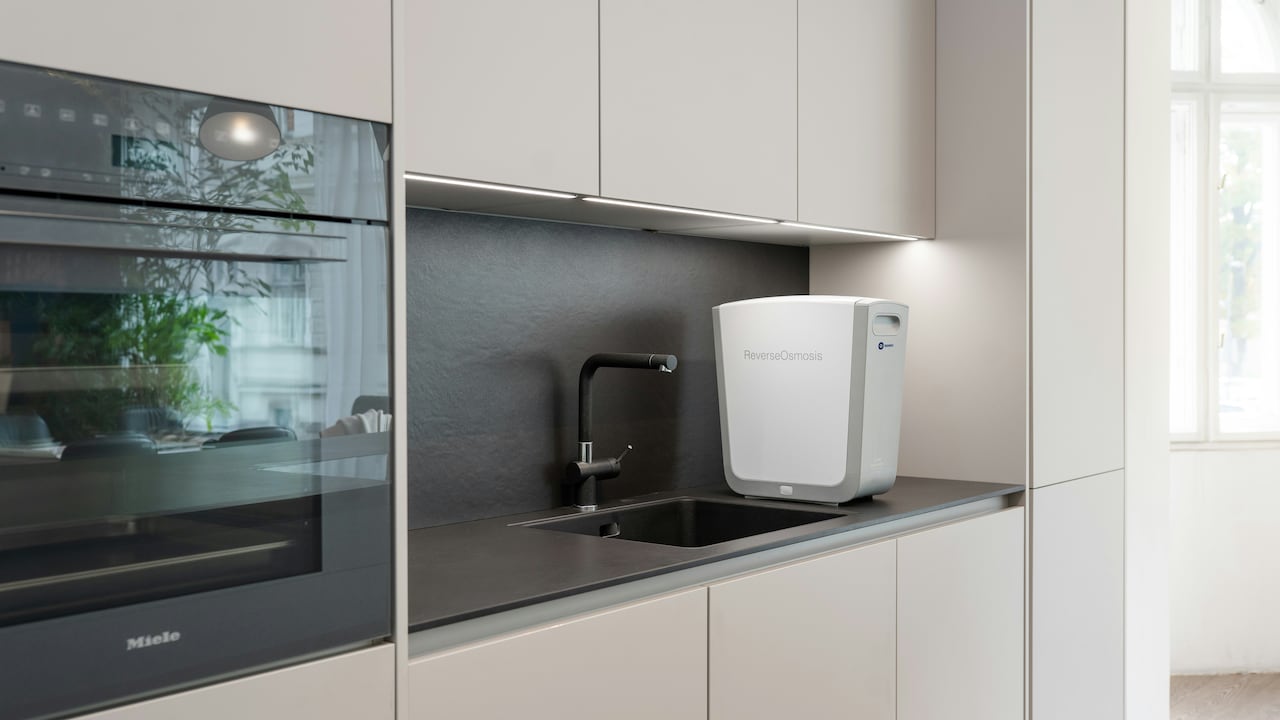
How To Choose The Right Water Purifier For Your Home In 5 Minutes
Photo Credit: Pexels
7. Look for Extra Features Only If They Truly Matter
Modern purifiers occasionally feel like smartphones, LED screens, mineral boosters, pH controllers, app connectivity and even voice alerts telling you when filters need changing. These features look impressive, especially when a salesperson demonstrates them with enthusiasm. Yet, every extra bells-and-whistles comes with a higher price and sometimes a higher maintenance burden.
Extra features matter only when they serve a real purpose. Mineral boosters help when RO strips essential minerals. A TDS controller ensures the water doesn't taste flat. Storage tanks are essential in areas with inconsistent supply, and copper cartridges may appeal to wellness-conscious households. But app controls or fancy indicators might not add value in everyday use. Think function, not glamour. A purifier should prioritise safety, taste and reliability, not merely cosmetic charm. Choosing practical features helps save thousands without compromising health or comfort.
8. Water Wastage: A Concern You Can't Ignore
RO purifiers, while extremely effective, waste a significant amount of water. For every litre purified, 500 ml to 3 litres may go down the drain. In a country where many households schedule tanker deliveries like VIP arrivals, wasting water feels irresponsible. Fortunately, the wastewater can be reused smartly, mopping floors, cleaning utensils, watering plants or washing vehicles.
Some brands now offer recovery technology that reduces water loss, but it often comes at a premium price. Families should focus on practical recycling instead of spending heavily on new trends. UV and UF units waste almost no water, making them ideal when purification doesn't require heavy treatment. Wise users pay attention not just to what the purifier does, but also how it impacts the environment around them. After all, responsible living means protecting every drop, not just drinking purified ones.
9. Storage Capacity and Tank Hygiene Matter More Than Looks
A purifier may look sleek, but what lies inside its tank tells a different story. Tanks must be food-grade, easy to clean and resistant to slimy build-ups. In areas with irregular supply, a tank capacity of 7–10 litres becomes essential so the kitchen never waits for fresh drinking water. Families with frequent guests should opt for larger tanks, while small households can choose compact designs.
Tank hygiene gets overlooked until someone takes a peek months later and gets a shock. UV plus storage tanks also need periodic cleaning since stagnant water can encourage bacterial growth over time. A purifier with auto tank cleaning or closed, dust-free lids helps maintain safety. So, instead of falling in love with sleek designs, ask how easy it is to clean the tank. The cleaner it stays, the safer every sip becomes.
10. Budget Wisely: Paying More Doesn't Always Mean Better Water
Some buyers assume a ₹25,000 purifier delivers healthier water than one priced at ₹12,000. Pricey models often just pack extra features, brand prestige and premium finishing. What truly matters is compatibility with your water quality. RO for high TDS, UV/UF for low TDS. It's not a luxury purchase; it's a necessity that must match your need, not your aspiration.
A sensible budget might look like ₹8,000–₹15,000 for most households. Spend only on features that solve a real problem. If TDS is low, a UV+UF purifier under ₹10,000 could do wonders. If the area depends on borewell water, a reliable RO around ₹12,000–₹18,000 would serve well. Copper, mineral boosts and digital displays can be add-ons, but never let them justify doubling the cost. Smart spending puts value before vanity, saving money for things that truly matter.
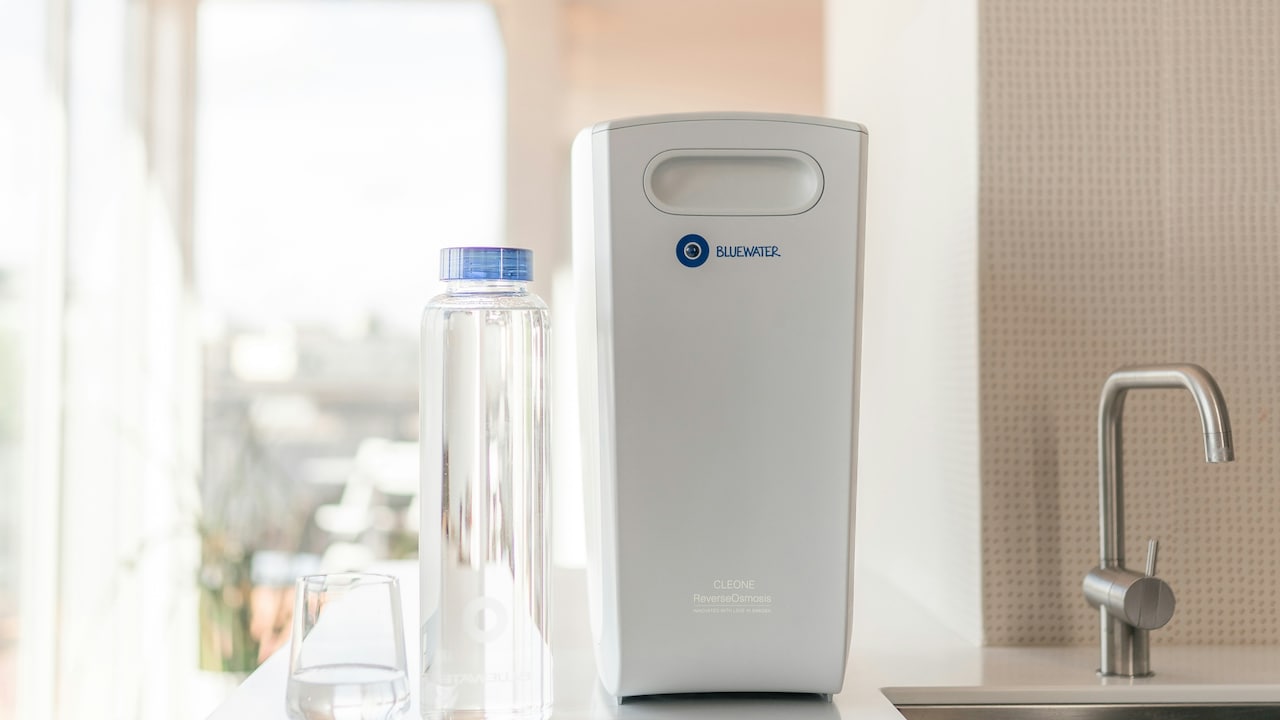
How To Choose The Right Water Purifier For Your Home In 5 Minutes
Photo Credit: Unsplash
Products Related To This Article
1. Havells Aquas Neo Water Purifier
2. AQUA D PURE 4 in 1 Copper RO Water Purifier with 10 Stage Purification Filtration
3. Atomberg Intellon - India's 1st Adaptive Water Purifier
4. Native by Urban Company M2 RO+UV+Copper+Alkaline+Mineraliser
5. Atomberg Intellon - India's 1st Adaptive Water Purifier\
Finding the right water purifier isn't a complicated science experiment. It's about matching your water problem with the correct solution. RO handles heavy and salty water, UV takes care of microbes, UF filters out visible and invisible dirt, while copper adds wellness, not purification. Maintenance, water wastage, and practical features matter just as much as the core technology. Once the confusion clears, choosing a purifier feels less like a gamble and more like a confident, informed decision.
Safe, tasty and healthy water shouldn't come wrapped in unnecessary jargon. With awareness and sensible choices, a home gains clean hydration without overspending, overthinking or falling for shiny distractions. Ultimately, the best purifier is not the most expensive one, but the one that suits your water and your lifestyle perfectly.
(Disclaimer: This article may include references to or features of products and services made available through affiliate marketing campaigns. NDTV Convergence Limited (“NDTV”) strives to maintain editorial independence while participating in such campaigns. NDTV does not assume responsibility for the performance or claims of any featured products or services.)