How To Epilate At Home: A Step-by-Step Guide For Less Pain And Better Results
Epilators don't have to hurt. Learn the right prep, technique, and aftercare to reduce pain, avoid bumps, and stick with hair removal long-term, without quitting after two uses. Say goodbye to hair removal with these tips to use epilators at home.
How To Use Epilators Pain-Free and Actually Stick With Hair Removal Long-Term.
Epilators are one of those things people buy with full confidence, use twice, then abandon in a drawer next to the old phone chargers and that one lipstick nobody wears. The problem isn't the epilator itself. The problem is that nobody teaches the part that matters: how to use it in a way that doesn't feel like personal punishment.
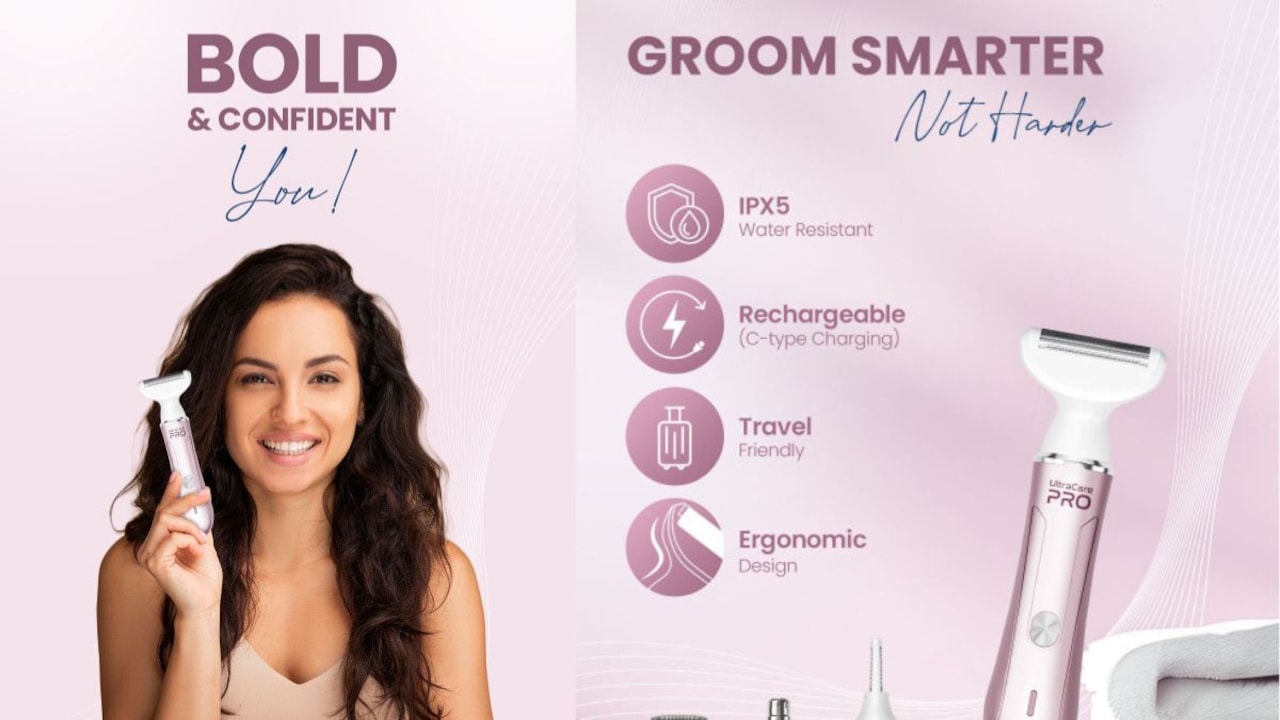
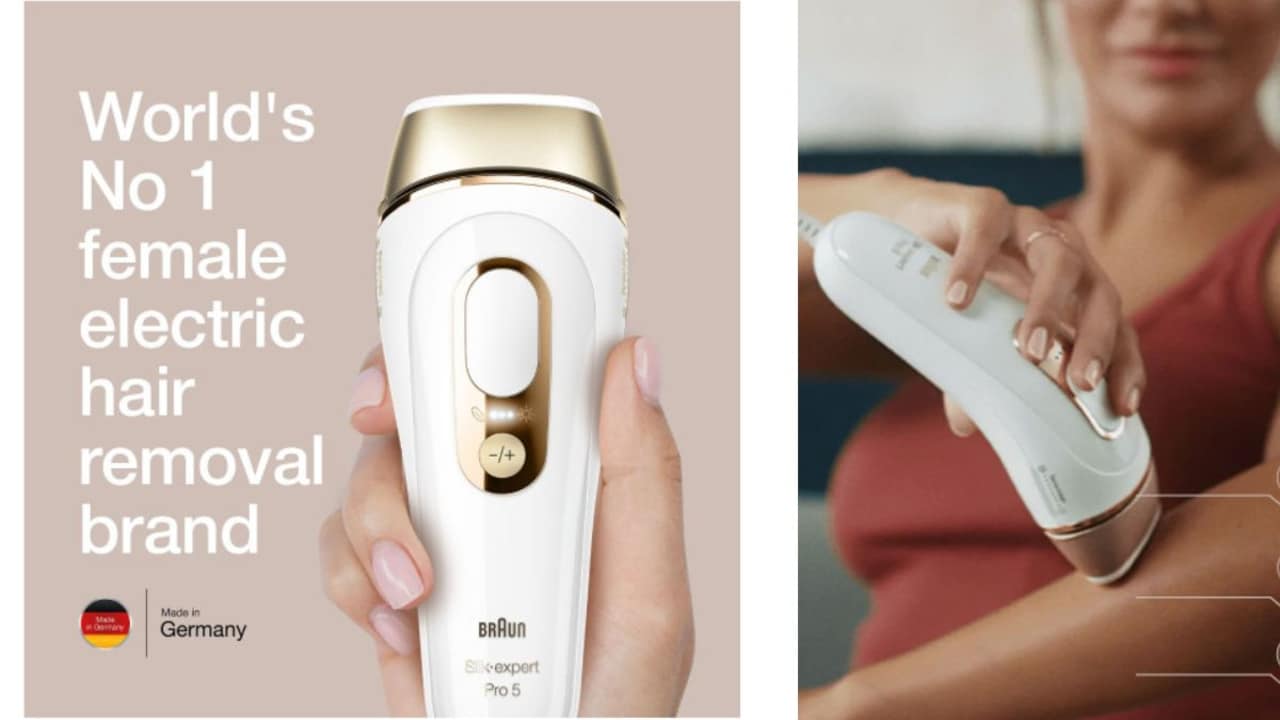
Always remember these crucial steps when using an epilator at home; Photo Credit: Myntra
Hair removal is already annoying enough. Between salon appointments, shaving every other day, and waxing that always seems to happen right before a surprise event, it's easy to feel like body hair runs your schedule. Epilators can change that if they stop feeling like a pain marathon.
The good news is that pain-free doesn't mean “zero sensation”. It means manageable, quick, and not emotionally draining. With the right approach, epilation becomes one of those routines that feels oddly satisfying, like cleaning your room with music on. This article covers ten practical ways to make epilating easier and actually stick with it long-term, without turning it into a dramatic life event.
Also Read: Top 5 Epilators That Remove Hair From the Root and Save You Salon Trips
Do This Once, and Epilating Stops Feeling Like a Punishment
1) Start With the Right Mindset (Because Panic Makes It Worse)
The first reason epilation feels unbearable is not just the pulling. It's the fear. That tense, braced-for-impact feeling makes everything sharper. Skin tightens, muscles clench, and suddenly, even a tiny tug feels like betrayal.
Approach epilation like a skill, not a test of bravery. The first few sessions will feel more intense because the hair is thicker, and the follicles are stronger. That's normal. It doesn't mean you're doing it wrong. It means you're at the “first day at the gym” stage, where everything aches, and nothing makes sense.
A helpful trick is to treat the first two sessions as training rounds. Do smaller areas. Stop before frustration kicks in. Take breaks without guilt. If you epilate for ten minutes and quit, that's still progress. That's still ten minutes of less hair later.
Also, avoid doing it when already stressed. Epilating after a long commute or during a bad mood is like trying to have a calm conversation while hungry. Technically possible, but emotionally risky.
2) Use the Right Hair Length (The Most Underrated Pain Hack)
Hair length can make or break the experience. Too long and the epilator doesn't just pull, it yanks. It may snap hairs halfway, which feels sharp and leaves you with prickly regrowth. Too short and the epilator struggles to grip, forcing you to go over the same patch repeatedly. That repetition is what turns “a bit uncomfortable” into “why did you do this to yourself”.
The sweet spot is usually short enough to be grabbed cleanly but not long enough to twist. For most people, that means around the length you get after a few days of growth, not weeks.
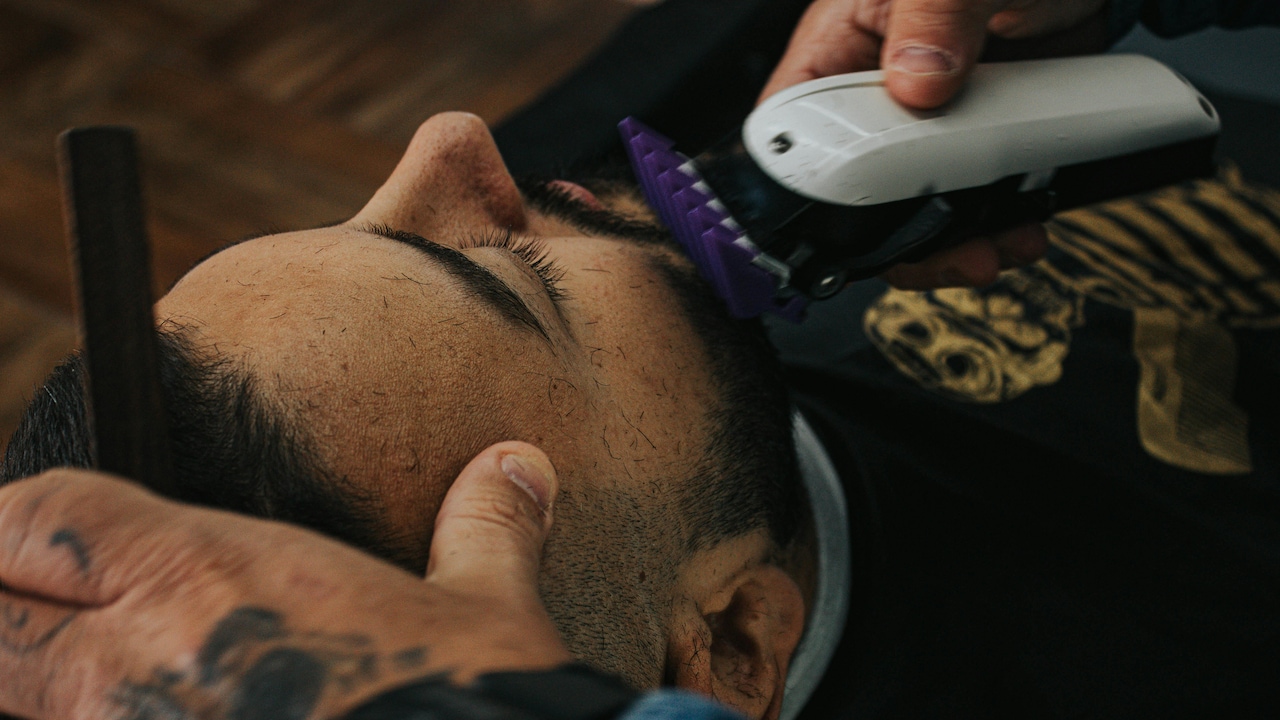
If hair is long, trim it first. Not a dramatic haircut situation. Just a quick tidy using scissors or a body trimmer. This step alone can reduce pain a lot because the epilator grips at the root instead of dragging the hair along the skin.
It also makes results better. Clean root removal means smoother skin, slower regrowth, and fewer ingrown hairs. And when results feel good, it becomes easier to stick with the habit long-term.
3) Time It Right: Epilate After a Warm Shower (Not Randomly at 11 PM)
There's a reason waxing salons feel like steam rooms. Warmth relaxes skin, softens hair, and makes the whole process less intense. Epilating works best when the body is warm and calm, not cold and rushed.
A warm shower helps in three ways. First, it loosens dead skin, so hair comes out more easily. Second, it relaxes the follicle slightly, which reduces that sharp “pluck” feeling. Third, it gives you a clean base, which lowers the chance of irritation and bumps.
The biggest mistake is epilating at random times, like late at night before bed, in a hurry before heading out, or right after coming home sweaty. That's when skin is either too sensitive or too dirty, and the experience becomes unnecessarily unpleasant.
If possible, make epilation a weekend routine. Put on music. Take a warm shower. Dry off properly. Then epilate in a well-lit space. When the process feels like a small self-care ritual instead of a punishment, consistency becomes far easier.
4) Dry vs Wet Epilation: Choose What Your Skin Actually Likes
Some epilators work both wet and dry, and people often assume wet must be better because it sounds gentler. Sometimes it is. But not always.
Wet epilation, especially in the shower, can feel less painful because water softens hair and distracts the senses. It also helps sensitive skin types because there's less friction. The downside is that wet hair can sometimes slip, meaning you need more passes. And more passes equal more irritation.
Dry epilation can be faster and more precise. The epilator grips better on dry skin, and you can see what you're doing. But if your skin is dry or easily irritated, it can feel harsher.
The best approach is to test both methods. If wet epilation feels easier, stick with it. If dry gives cleaner results with fewer passes, go with dry. There's no “correct” version. There's only what works for your body.
And if you're new to epilation, wet sessions can be a great starting point. They feel less intense and help build confidence. Once you get used to it, switching to dry becomes easier.
5) Use Proper Technique: Slow, Steady, and Against Hair Growth
A lot of epilation pain comes from rushing. When the epilator moves too fast, it catches hair unevenly. Some hairs get pulled cleanly, others get snapped, and a few get yanked sideways. That mixed signal to your nerves is why it feels worse than it needs to.
Move slowly. Let the epilator do the work. Think of it like vacuuming: if you sprint across the room, you'll miss everything and still feel exhausted.
Always move against the direction of hair growth. This helps the tweezers grip at the base and pull from the root. If you go with the grain, the device may just skim and tug without removing properly.
Keep the skin taut. This is another underrated trick. When skin is stretched slightly, hairs stand more upright and come out cleaner. It also reduces the chance of the epilator catching skin, which is not only painful but emotionally scarring.
Use short strokes instead of dragging the epilator across a huge area. Small, controlled movements reduce discomfort and give better results.
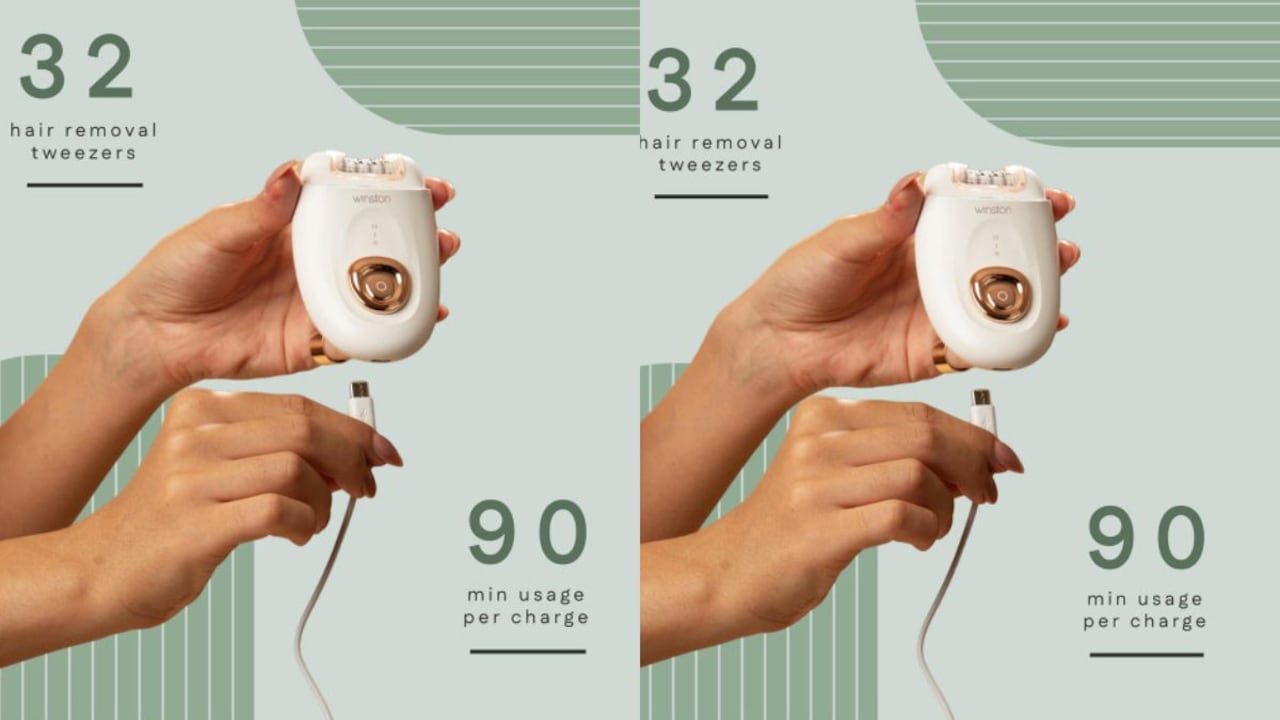
Always move the epilator against the direction of hair growth; Photo Credit: Myntra
6) Start With Easier Areas First (Don't Begin With Your Most Sensitive Zone)
There's a pattern many people follow: buy an epilator, get ambitious, and immediately attack the most sensitive area. Then the device gets labelled “torture tool” and disappears into a drawer.
Start with easier zones. Legs are usually the best beginner area because the skin is thicker and flatter. The sensation still exists, but it's more manageable. Once you get used to it, arms are often the next step.
Sensitive areas require practice, patience, and sometimes different attachments. They also require you to know your pain tolerance and skin reaction. Starting there is like learning to swim by jumping into deep water.
Also, epilating gets easier with regular use. Hair grows back finer over time, and the root becomes less stubborn. That means the first session is the hardest. If you start with the hardest area too, you're stacking difficulty levels for no reason.
Build momentum. Start with legs. Get comfortable. Learn your technique. Then expand slowly. When you feel in control, you're more likely to keep going.
7) Manage Pain Smartly: Cold Compress, Numbing, and Timing
Pain management doesn't need drama. It needs a strategy.
A cold compress after epilation reduces inflammation and calms the skin. It also stops that hot, prickly sensation that can linger for hours. Wrap ice in a clean cloth and press it gently. No need to rub.
Some people use numbing creams, but those aren't always necessary. They can also irritate sensitive skin if used too often. Suppose you do use them, patch-test first. Skin reactions are not a fun surprise.
Timing matters too. Many people find epilation feels less intense in the evening. The body is warmer, and you're not rushing out the door. Also, any redness has time to settle overnight.
Avoid epilating right before an event. Even if your skin usually behaves, the one time you do it before a wedding or festival is the one time your legs decide to turn pink. Give yourself a day buffer.
And remember: pain reduces with consistency. The goal isn't to suffer through one heroic session. The goal is to do it regularly enough that the hair grows back finer and the process becomes genuinely easy.
8) Exfoliate the Right Way (Because Ingrown Hair Is the Real Villain)
Most people blame epilators for ingrown hair, but the real culprit is trapped hair and dead skin buildup. Epilation pulls hair from the root. When it grows back, it needs a clear path to the surface. If skin is clogged, hair curls under, and you get bumps.
Exfoliation prevents this, but only when done correctly. Scrubbing like you're sanding wood will irritate the skin and make bumps worse. The best exfoliation is gentle and consistent.
A mild body scrub a couple of times a week works well. So does a soft exfoliating glove. Some people prefer chemical exfoliants like lactic acid-based body lotions. Those can be great for rough areas like legs and arms, especially if you get strawberry skin.
Avoid exfoliating right before epilating. That combination can make skin too sensitive. Instead, exfoliate the day before. Then epilate on clean, dry skin.
After epilation, wait at least a day before exfoliating again. Let the skin settle. Treat it like it has done a job and deserves a break.
9) Aftercare Matters More Than People Think
The epilation itself is only half the story. The aftercare decides whether your skin feels smooth or angry.
Right after epilation, the skin has tiny open follicles. This is not the time for heavy perfumes, strong deodorants, or thick body butters loaded with fragrance. Those can sting and trigger irritation.
Use something calming. Aloe gel works well. A light, fragrance-free moisturiser is also a safe bet. If your skin gets red easily, a soothing lotion with ingredients like oat or panthenol can help.
Wear loose clothing after epilating. Tight jeans or leggings right after hair removal can cause friction and trap heat, which increases bumps. If you epilate at night, soft cotton pyjamas are your skin's best friend.
Also, don't touch the area repeatedly. It's tempting to keep checking how smooth it feels, but hands carry bacteria, and your skin is extra vulnerable.
Good aftercare makes epilation feel rewarding. When your skin looks calm and smooth, you start associating the routine with success instead of suffering.
10) Build a Long-Term Routine (So You Don't Quit After Two Sessions)
The real magic of epilators isn't just smooth skin. It's freedom. But you only get that freedom if you stick with it long enough for hair to grow back finer and slower.
The mistake most people make is treating epilation like a huge project. They wait until the hair is fully grown, then try to do everything at once. That's when it hurts more, takes longer, and feels like a chore.
Instead, keep it small and regular. Short sessions every week or so are far easier than one big session every month. You'll remove less hair each time, which means less pain and less irritation.
It also helps to pick a consistent day. Many people choose a weekend morning or a quiet evening. Put on a show. Play music. Make it a routine, not a battle.
If you miss a session, don't spiral into “now it's ruined”. Just start again. Hair removal isn't a moral test. It's maintenance, like doing laundry.
And yes, the first month can feel like effort. After that, it becomes surprisingly simple. The epilator stops being scary. It becomes just another tool, like a hairdryer, but louder and slightly more dramatic.
Products Related To This Article
1. BELENZO Facial Hair Remover
2. WINSTON Women Rechargeable 2-in-1 Body Epilator & Shaver with Smooth Glide Technology
3. CUVLY Facial & Eyebrow Hair Removal Epilator
4. VGR V-722 2-In-1 Epilator & Shaver
5. URBANYOG Facial Hair Remover
Epilators aren't pain-free by default. But they can absolutely become low-pain, low-drama, and genuinely sustainable. The secret is not a superhuman tolerance. It's small, practical choices: the right hair length, a warm shower, slow technique, smart aftercare, and a routine that doesn't overwhelm you.
When used properly, epilation becomes less about hair removal and more about time saved. No more last-minute salon panic. No more shaving every other day. No more realising your legs feel prickly the moment you step out in a dress.
The first few sessions may still feel like a negotiation with your nerves. That's normal. But stick with it, and it gets easier. The hair grows back finer. The sessions get faster. The discomfort fades into the background.
And one day, without realising it, you'll reach for your epilator like it's the most normal thing in the world, because it finally is.
(Disclaimer: This article may include references to or features of products and services made available through affiliate marketing campaigns. NDTV Convergence Limited (“NDTV”) strives to maintain editorial independence while participating in such campaigns. NDTV does not assume responsibility for the performance or claims of any featured products or services.)