Why Your Mixer Grinder Gives a Burnt Smell and Easy Ways to Prevent It
A burnt smell from your mixer grinder usually means overheating, overloading, or worn parts. Learn the real causes and simple prevention tips to keep your grinder safe, smooth and long-lasting.
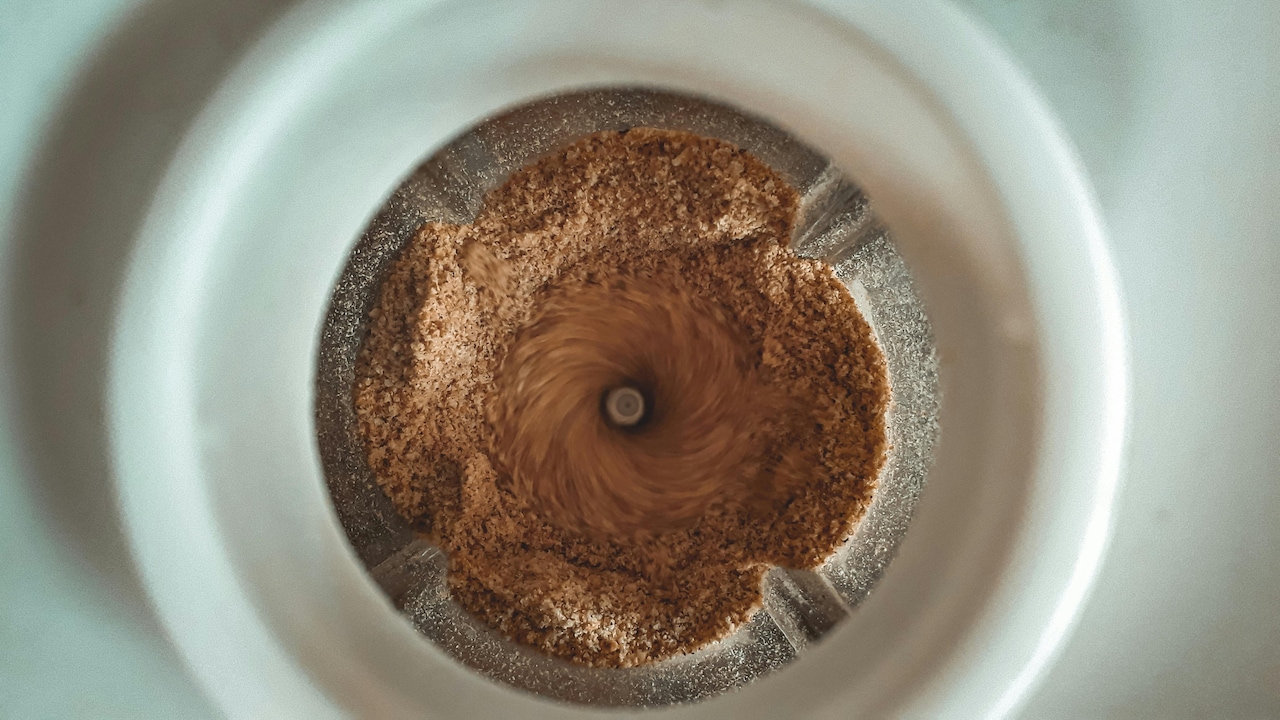
Mixer Grinder Smells Burnt? Discover Common Causes and Simple Preventive Tips to Keep It Fresh.
Few kitchen sounds feel as familiar as a mixer grinder starting up in the morning. The jar rattles, the chutney begins to swirl, and the whole house quietly accepts that breakfast is officially happening. But then comes the smell. That unpleasant, burnt, slightly metallic whiff that makes anyone instinctively reach for the plug.
A burnt smell doesn't always mean your mixer grinder is about to die dramatically. In many cases, it's just overheating, friction, or a small part working harder than it should. The good news is that most causes are preventable with a few habits that take less effort than hunting for the service centre number.
The aim here is simple: understand why the smell happens and stop it before it becomes a real problem. No complicated steps. No scary warnings. Just practical, kitchen-friendly solutions.
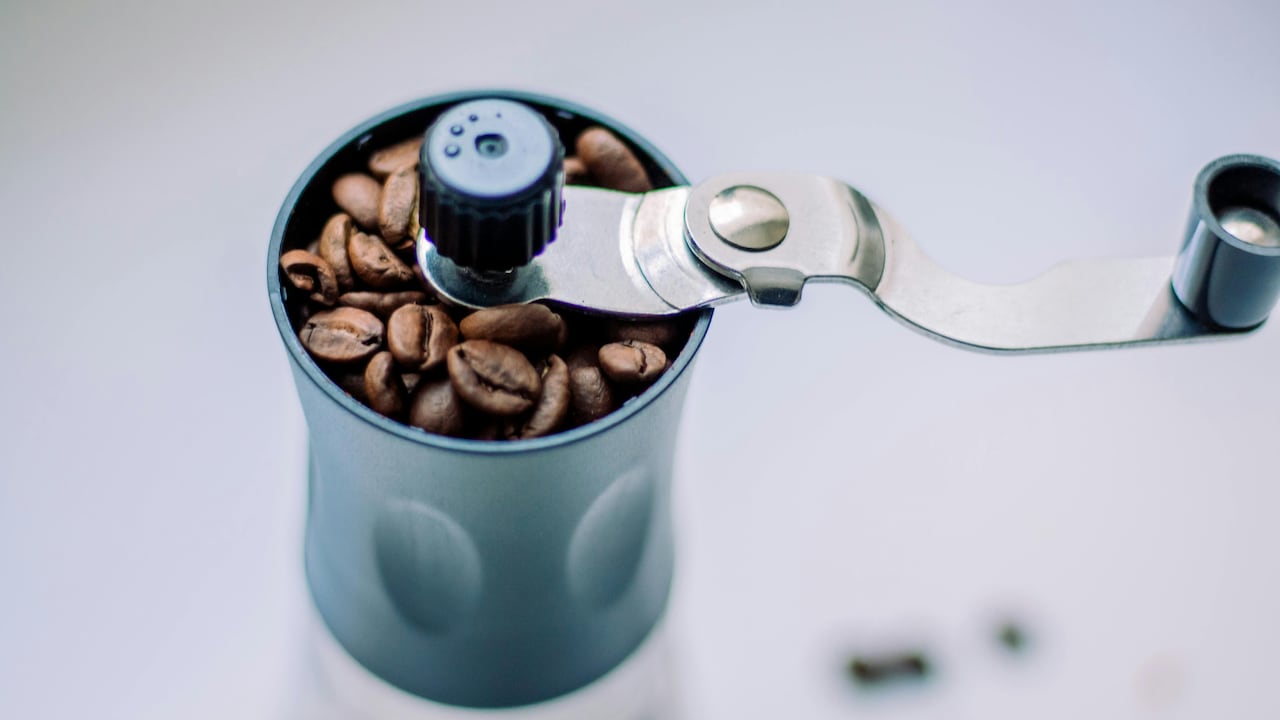
Why Your Mixer Grinder Gives a Burnt Smell and Easy Ways to Prevent It
Photo Credit: Pexels
The Real Causes Behind That Burnt Smell: Plus Simple Prevention Tips
1) Overloading The Jar: The Fastest Way To Overheat The Motor
One of the most common reasons for a burnt smell is overloading. It's tempting, especially during busy cooking, to pack the jar with extra onions, tomatoes, soaked dals, or coconut. It looks like it will grind eventually. The motor disagrees.
When the jar is overloaded, the blades struggle to rotate smoothly. The motor then draws more power to force the blades through the ingredients. That extra strain creates heat, and heat is often the start of that burnt smell. Sometimes the smell comes from the motor winding warming up. Sometimes it's the coupler or internal parts heating due to stress.
Prevention is surprisingly easy. Fill the jar only up to the recommended level, even if that means grinding in two batches. If the grinder sounds deeper or slower than usual, that's the machine begging for mercy. A mixer grinder is hardworking, but it's not a cement mixer. Giving it breathing space saves the motor and saves money, too.
2) Running The Grinder Too Long Without Breaks
A mixer grinder isn't designed for marathon sessions. Yet many kitchens unknowingly treat it like one. Grinding idli batter, masala paste, or thick chutney can take time, and it's easy to keep the switch on continuously.
Continuous operation builds heat in the motor. Even a good-quality mixer grinder can overheat if it runs for long stretches. Once the temperature rises, the insulation around the motor windings warms up, and that creates a faint but distinct burnt smell. If ignored, the heat can weaken parts over time.
The best habit is to use short bursts. Run it for 20 to 30 seconds, then pause for a few seconds. This gives the motor time to cool down. It also improves grinding because ingredients settle and redistribute. Many people notice the smell, especially when making thick pastes like ginger-garlic or grinding dry masalas. Those tasks demand more from the motor. Breaks make a bigger difference than people expect, and your grinder will quietly thank you by lasting longer.
3) Thick, Dry Mixtures Creating Friction And Stress
Some ingredients are simply harder to grind. Dry coconut, turmeric pieces, roasted chana, or stiff dough-like mixtures can push a mixer grinder into a struggle. When the blades don't get enough movement, friction rises, and the motor works harder to keep turning.
This is a sneaky cause because it often starts with a small change in sound. The grinder may begin with its normal whirr and then shift into a strained growl. That growl is your warning. If the grinder keeps running, heat builds quickly, and the burnt smell follows.
The easiest prevention is adjusting the texture. Add a little water where appropriate, or use the right jar for the job. Dry grinding should be done in the dry jar, not the wet jar. For stiff mixes, avoid forcing the machine. If something feels too thick, it probably is. A mixer grinder is brilliant for pastes, chutneys, and batters, but it has limits. Respecting those limits prevents burnt smells and keeps the blades sharper for longer.
4) Dull Blades And Worn Parts Forcing The Motor To Overwork
Blades don't stay sharp forever. Over time, they lose their edge, especially if the grinder is used daily. A dull blade doesn't cut ingredients cleanly. It drags and tears them instead. That means the motor has to put in more effort for the same result.
The same applies to internal parts like the coupler. If the coupler is worn, it may slip slightly. That slipping creates friction, which creates heat, which creates smell. Many people assume the burnt smell comes only from the motor, but worn mechanical parts can cause it too.
The clue is performance. If grinding takes longer than it used to, or the texture remains coarse despite running longer, the blades may be dull. Prevention involves basic maintenance. Replace blades when needed, and check the coupler if the jar feels loose or vibrates more than usual. These parts are relatively affordable compared to a motor replacement. Spending ₹150 to ₹400 on small parts at the right time can prevent a ₹1,500 to ₹3,000 repair later.
5) The Rubber Gasket, Lid, Or Jar Base Is Heating Up
Sometimes the smell isn't from the motor at all. It's from rubber. The lid gasket, jar ring, or base seals can heat up due to friction, especially if the jar isn't fitted properly.
When rubber warms, it gives off a very distinct burnt smell. It's sharper and more “plastic-like” than the smell of a heating motor. This often happens when the jar is slightly misaligned or when the gasket has aged and become stiff. It can also happen when the lid is pressed too tightly, trapping heat and increasing pressure.
Prevention is simple: ensure the jar sits properly on the base and locks into position. Clean the jar base regularly because stuck masala bits or oil residue can prevent proper seating. Also, check the rubber gasket. If it looks cracked, stretched, or hardened, replace it. A fresh gasket improves sealing, reduces vibration, and prevents that strange smell that makes people suspicious of everything in the kitchen, even the chai.
6) Carbon brush wear: the hidden culprit in many burnt smells
In many mixer grinders, carbon brushes play an important role in the motor. These brushes wear down over time. As they wear, they can spark slightly inside the motor. That sparking can cause a burnt smell, especially during startup or under heavy load.
This smell is often accompanied by other signs. The mixer may run unevenly, lose power, or stop suddenly. Sometimes it restarts after a while. Many people assume the mixer is “just old” and keep using it until it fails completely. That's like ignoring a toothache until the whole side of the face hurts.
Prevention here requires awareness. If the grinder smells burnt even with light grinding, and the smell returns frequently, carbon brush wear is a strong possibility. The good news is that replacing brushes is usually cheaper than replacing the motor. A service technician can do it quickly. It's one of those repairs that feels oddly satisfying, because the mixer suddenly runs smoother and quieter, like it's had a proper night's sleep.
7) Voltage fluctuations and power issues in the kitchen
Not every burnt smell is your fault or the mixer's fault. Sometimes it's the electricity supply. Voltage fluctuations can stress the motor. When the voltage drops, the motor may draw more current to maintain performance, which increases heat. When voltage spikes, it can damage internal components.
This becomes more noticeable in areas where voltage fluctuates during peak usage times. People often notice the smell during evenings or early mornings. The grinder may also feel hotter than usual after short use.
Prevention doesn't need fancy gadgets, but a stabiliser or good surge protector can help. It's especially useful for higher-wattage mixers. Also, avoid using the mixer while other heavy appliances are running on the same socket line, such as a microwave or induction cooktop. If the mixer plug or socket feels warm, that's another warning. Power issues can silently shorten the life of a motor, and a burnt smell is often the first hint.
8) Blocked ventilation and dust buildup inside the motor housing
Mixer grinders need airflow to cool the motor. Most models have ventilation slots at the base. Over time, these slots can get blocked by dust, oil vapour, and fine masala particles. Kitchens are busy places, and the air carries more than just aromas.
When ventilation is blocked, the motor heats up faster and stays hot longer. The burnt smell appears even after short usage because the heat has nowhere to go. Many people clean the jar daily but forget the base entirely. The base quietly collects grime like it's part of the décor.
Prevention is straightforward. Wipe the base regularly with a dry or slightly damp cloth, especially around vents. Avoid washing the base or letting water drip into it. If the grinder has been used for years, internal dust buildup can also occur. In such cases, a service cleaning can help. Good ventilation is one of the simplest ways to reduce overheating. It's the kitchen equivalent of opening a window when the pressure cooker whistles too aggressively.
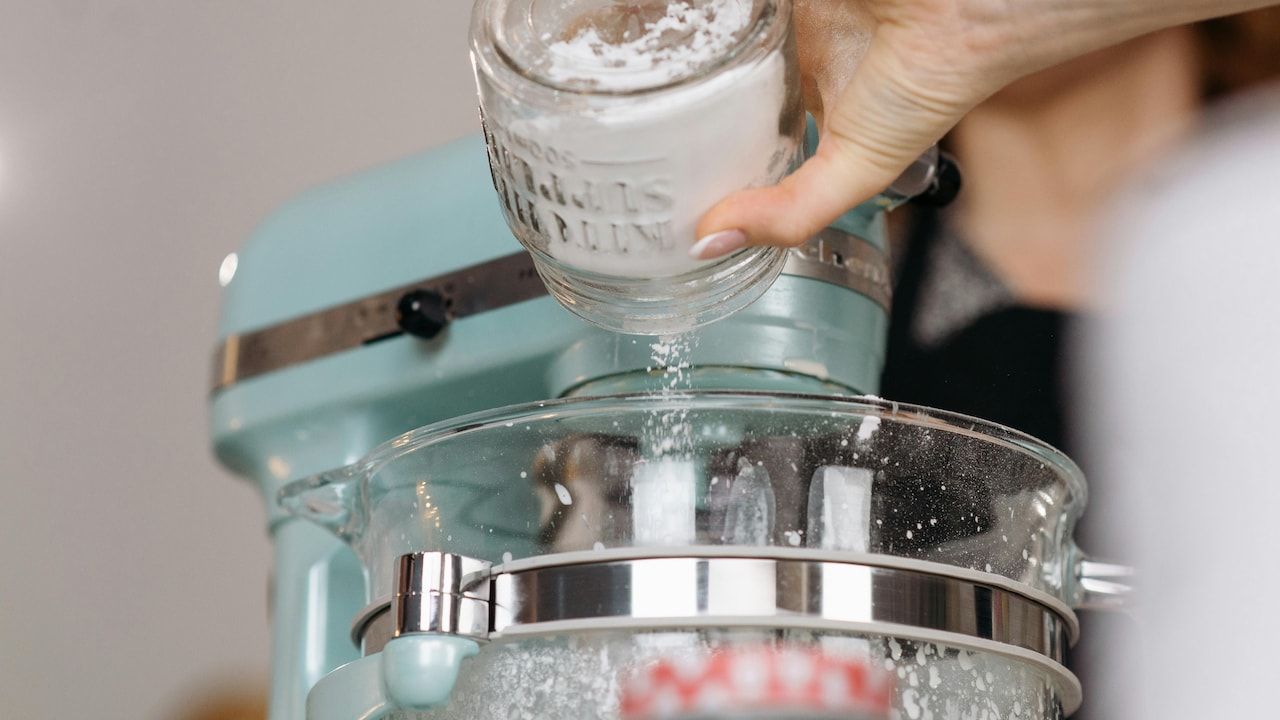
Why Your Mixer Grinder Gives a Burnt Smell and Easy Ways to Prevent It
Photo Credit: Pexels
9) Burning Smell During First Use Or After Long Storage
A burnt smell isn't always a problem. Sometimes it's normal, especially with a brand-new mixer grinder. New motors can emit a mild smell during the first few uses as protective coatings and internal components settle in.
Similarly, if a mixer grinder has been stored for months, dust and residue inside can heat up when the motor runs again. That can create a brief burnt smell. It's unsettling, but not necessarily dangerous.
Prevention here is more about smart handling. For a new mixer, run it empty for a few seconds in short bursts before grinding food. For a stored mixer, clean the jars, wipe the base, and run it briefly before full use. If the smell disappears after a few uses and performance is normal, it's usually fine. However, if the smell becomes stronger or the mixer gets unusually hot, then it's time to stop and investigate. A normal settling smell should fade quickly. A real motor problem only grows louder and smellier.
10) Ignoring Early Warning Signs Until The Motor Starts Failing
The burnt smell is rarely the first sign. It's usually the last polite warning. Before that, the grinder often gives smaller clues: slower speed, unusual noise, extra vibration, longer grinding time, or the jar heating more than usual.
Many people push through these signs because the mixer still works “well enough.” That's understandable. A busy kitchen doesn't always have time for repairs. But ignoring warning signs often turns a small fix into a big repair.
Prevention comes down to timing. If the grinder frequently smells burnt, stop using it for heavy tasks. Use it only for light grinding until it's checked. Don't keep running it “just one more time” for chutney. That's how motors burn out completely. If the mixer shuts off automatically, that's thermal protection doing its job. Let it cool. Repeated overheating damages internal components.
Treat the burnt smell like a check-engine light. It doesn't mean disaster today, but it absolutely means something needs attention.
Products Related To This Article
1. Philips HL7756 Mixer Grinder 750 watt with 3 Stainless Steel Jars
2. Longway Super Dlx Juicer Mixer Grinder
3. Cadlec JarGenie 4 Jar 750 Watt Mixer Grinder
4. Prestige Apex 500 Watt Mixer Grinder with 3 Stainless Steel Jars
5. Bajaj Military Series Rex 750W 4 Jar Mixer Grinder
A mixer grinder is one of the most loyal appliances in the kitchen. It shows up daily, handles everything from coconut chutney to garam masala, and rarely complains. So when it starts giving off a burnt smell, it's not being dramatic. It's signalling stress, heat, friction, or wear.
Most causes are simple: overloading, long continuous use, thick mixtures, dull blades, or poor ventilation. A few causes, like carbon brush wear or voltage issues, need a bit more attention. The good news is that prevention doesn't require expensive upgrades or complicated routines. Small habits, short bursts, proper jar filling, regular cleaning, and timely part replacement make a big difference.
A mixer grinder should smell like fresh coriander, roasted cumin, or that first whiff of ginger. Not like burnt wiring. Keeping it healthy means fewer breakdowns, fewer repair bills, and fewer moments of panic right when guests are about to arrive.
(Disclaimer: This article may include references to or features of products and services made available through affiliate marketing campaigns. NDTV Convergence Limited (“NDTV”) strives to maintain editorial independence while participating in such campaigns. NDTV does not assume responsibility for the performance or claims of any featured products or services.)