Washing Machine Smells Bad? 10 Easy Cleaning Tips to Remove Odour and Get Fresh Laundry
Clothes smell musty even after washing? Your washing machine may be the culprit. These simple maintenance tips will remove odour, prevent mould build-up, and bring back that fresh laundry fragrance.
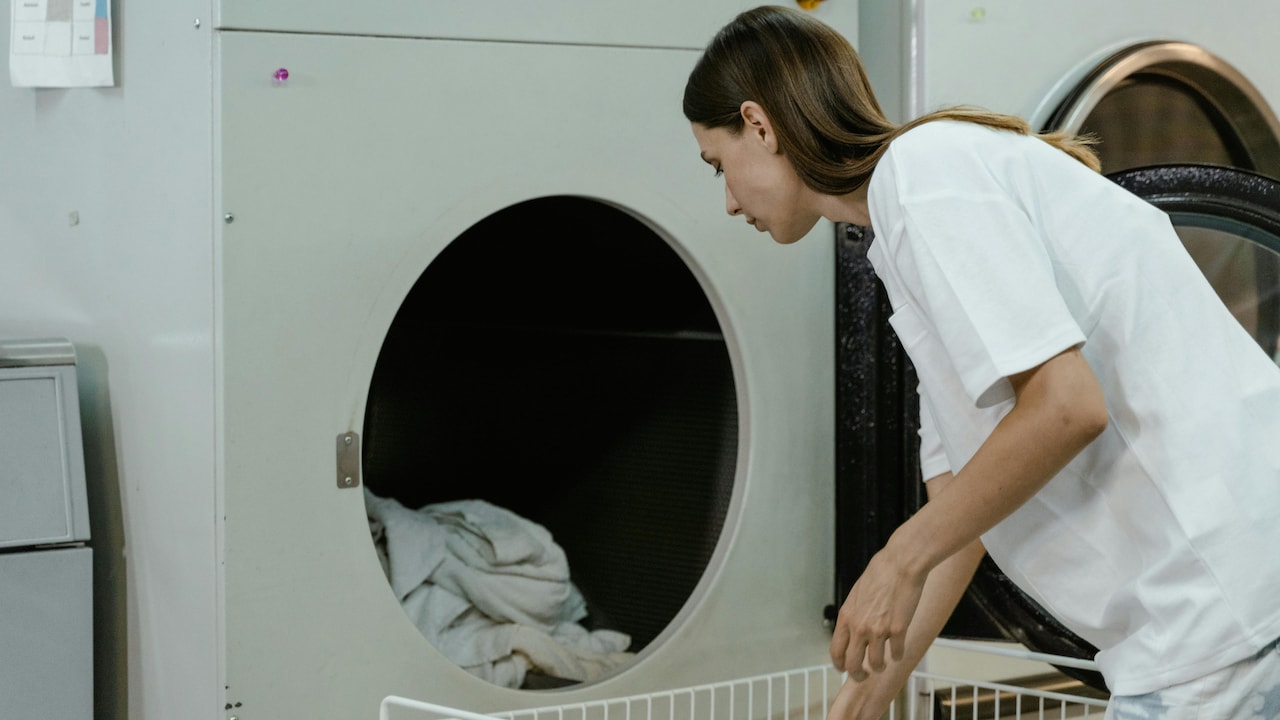
Bad Smell After Washing? Washing Machine Maintenance Tips to Restore Fresh Laundry Fragrance.
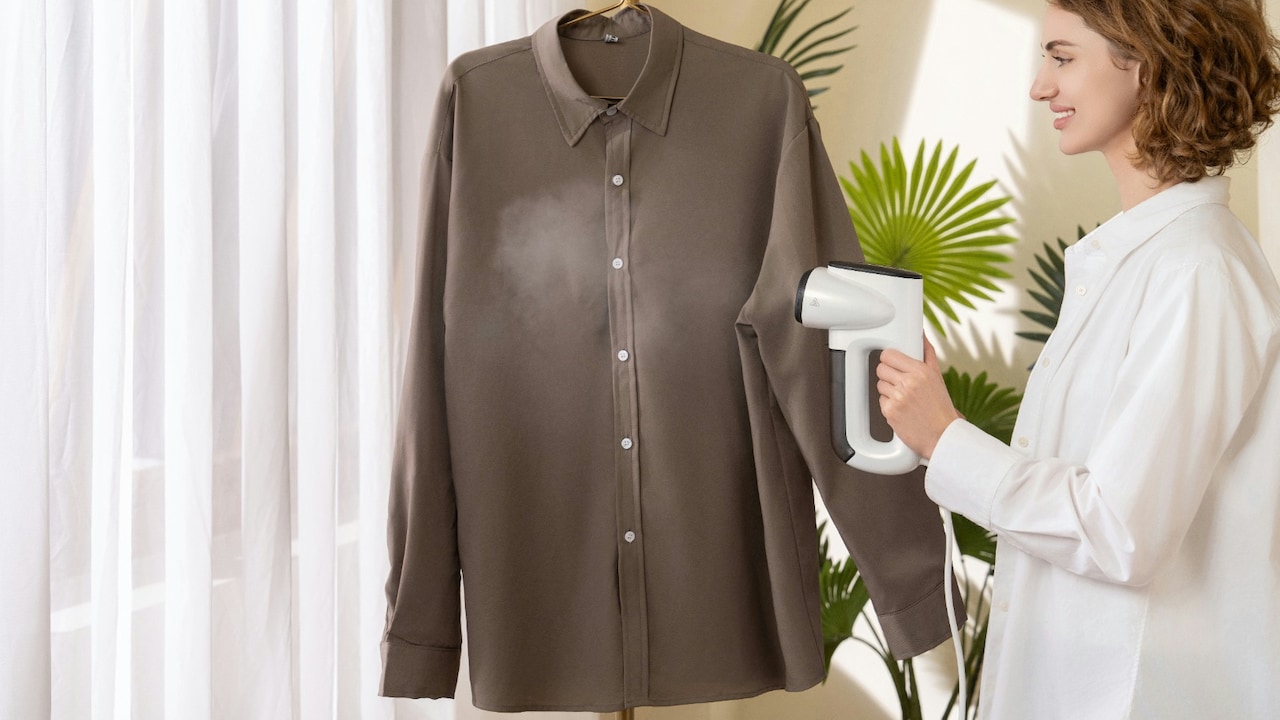
There's a special kind of disappointment that happens when laundry looks clean but smells suspicious. The shirt is bright, the towel is fluffy, but the scent says “stored under the bed during monsoon”. And then comes the second blow: you realise the smell gets worse after ironing.
This problem is more common than most people think. Modern washing machines are brilliant at saving water and electricity, but they also create the perfect environment for odour: moisture, leftover detergent, fabric fibres, and warm temperatures. Add a bit of humidity, and the machine becomes a five-star hotel for bacteria and mildew.
The solution isn't to drown your laundry in perfume, or switch detergents every week like it's a reality show elimination round. It's maintenance. Simple, regular, non-dramatic maintenance. The kind that takes minutes but saves you from embarrassment when guests ask, “Is there a damp smell in here?” Let's fix it properly, so your clothes smell like fresh laundry again, not like regret.
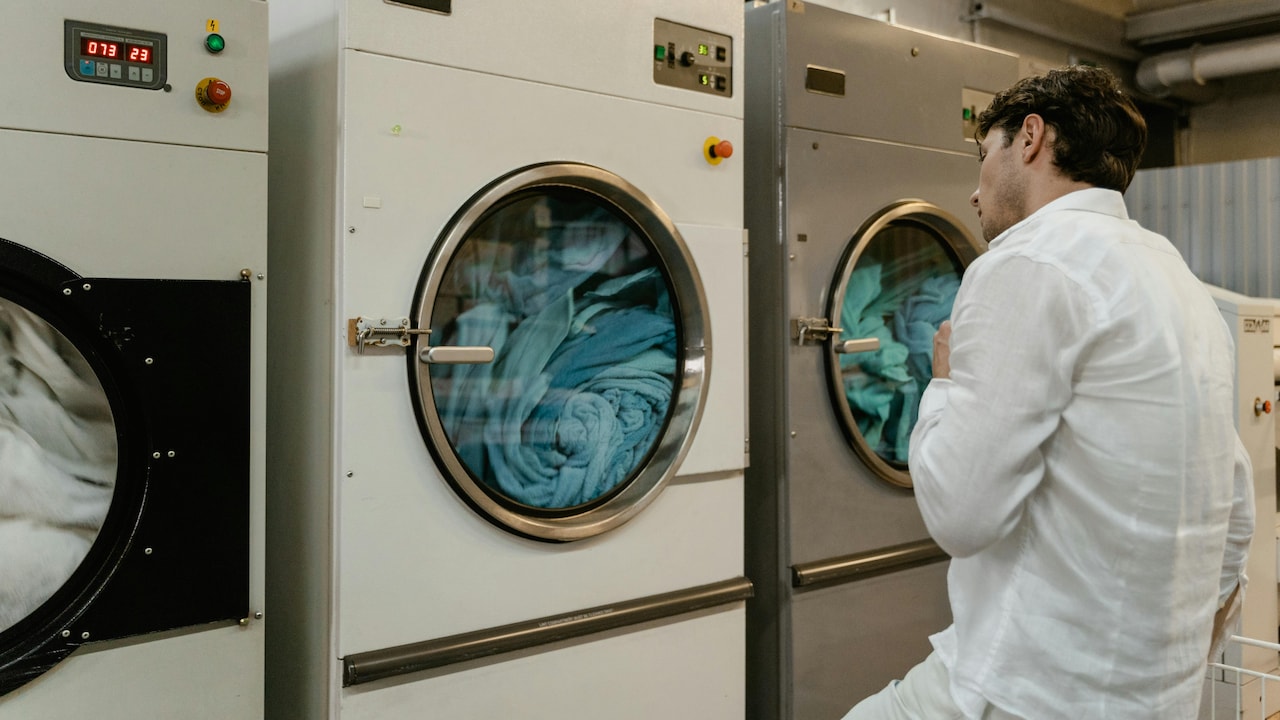
Bad Smell After Washing? Washing Machine Maintenance Tips to Restore Fresh Laundry Fragrance
Photo Credit: Pexels
10 Washing Machine Maintenance Fixes To Remove Bad Smell
1) Clean the Rubber Gasket: The Hidden Odour Warehouse
If your washing machine has a front door, the rubber gasket around it is the prime suspect. It's the perfect hiding spot for trapped water, lint, hair, and the occasional mystery object that fell out of a pocket and never returned. Over time, this damp ring becomes a breeding ground for mildew, which then transfers that stale smell to your laundry.
A quick check can be eye-opening. Pull back the folds gently and look inside. You may find black specks, slime, or residue that feels like it belongs in a science experiment rather than a household appliance. Wiping it once in a while helps, but the key is doing it properly. Use a cloth with warm water and a little mild soap, then go into the folds and corners. Dry it afterwards. The drying part matters more than most people realise.
If the smell has become stubborn, do a deeper clean once a month. This one habit alone often fixes the issue dramatically. It's not glamorous work, but neither is wearing a “clean” kurta that smells like a wet umbrella.
2) Run a Hot Empty Wash: Let Heat Do the Heavy Lifting
A washing machine that only runs cold or lukewarm washes starts to develop a personality, and not a good one. Cold water is great for saving energy and protecting delicate fabrics, but it doesn't dissolve oils and detergent residue as effectively. Over time, a greasy film builds up inside the drum and pipes. That film traps odour and then politely returns it to your clothes.
A hot empty wash acts like a reset button. Once every two to three weeks, run the machine empty on the hottest cycle available. This flushes out bacteria, residue, and stale water sitting in hidden areas. If your machine has a “tub clean” or “drum clean” mode, use that.
This is especially important in humid weather, when even a small amount of trapped moisture turns funky quickly. Think of it like boiling water in a kettle that has started smelling odd. Heat clears things out.
Your clothes will thank you. Your towels will stop smelling like they've given up on life. And your machine will stop behaving like a damp cupboard.
3) Stop Overusing Detergent: More Soap, More Problems
Detergent marketing has convinced many households that more foam equals more cleanliness. In reality, too much detergent is one of the most common reasons laundry smells bad. Excess detergent doesn't rinse out fully, especially in quick cycles. It sticks to the drum, the pipes, and even the clothes. Then it mixes with body oils, sweat, and dirt. That mixture turns into residue that smells sour and stale.
The worst part is that the machine looks fine from the outside, so the problem gets blamed on the detergent brand. People switch brands, add extra fragrance boosters, and keep increasing the dose. The machine quietly collects the mess like a hoarder.
Use the amount recommended for your load size and water hardness. If your area has hard water, you may need a little more, but not double. Also, if you use concentrated liquid detergent, remember it's designed to work in smaller quantities.
If clothes feel slightly waxy after washing, that's a big clue. Less detergent often results in cleaner-smelling laundry. It feels backwards, but it works.
4) Clean the Detergent Drawer: The Slime Zone Nobody Checks
The detergent drawer looks innocent. It slides out smoothly, holds detergent, and feels like a neat little organiser. But inside, it often turns into a sticky, mouldy mess. Liquid detergent and fabric softener leave behind a film. Add moisture, and that film becomes a playground for bacteria. Every wash then pulls that smell back into the drum.
Many people never remove the drawer fully. That's like washing plates without cleaning the sink. Pull the drawer out and rinse it under warm water. Scrub the corners where residue collects. If the drawer has separate compartments, pay attention to the fabric softener section. That one tends to develop a smell first.
Also, check the slot where the drawer sits. That area often has black mould spots and sticky residue. Wipe it clean and dry it. It takes five minutes and makes a noticeable difference.
If you do this once every couple of weeks, the machine stays fresher. It also prevents clogs that cause the detergent not to flush properly. A clean drawer is not exciting, but it's quietly powerful.
5) Don't Leave Wet Clothes Sitting: That's How Smell Gets Baked In
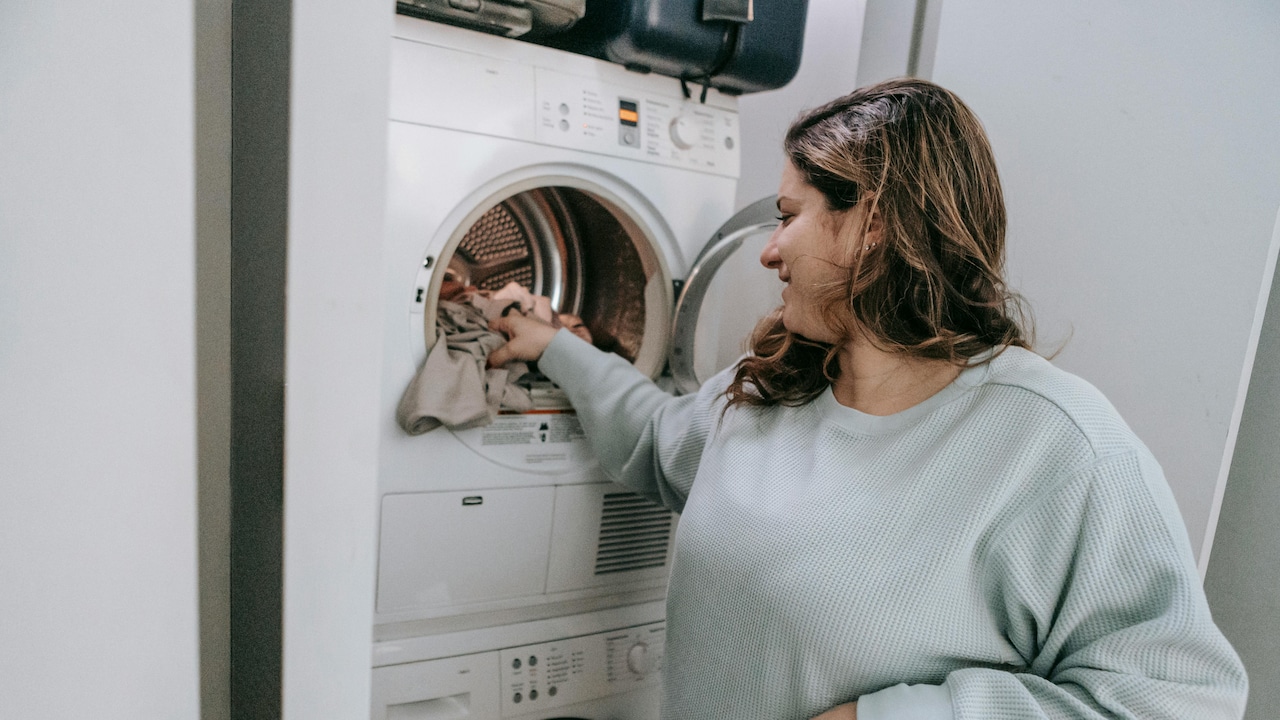
One of the fastest ways to ruin laundry fragrance is leaving washed clothes inside the machine for too long. It happens to everyone. A call comes in, the doorbell rings, or a nap becomes a full sleep. Then two hours pass. Then four. When the drum stays closed with wet clothes inside, the moisture has nowhere to go. The warm, damp environment encourages bacteria, and that sour smell starts forming quickly.
Once that smell sets in, it clings. Even if you dry the clothes later, the odour often stays faintly, especially in thick fabrics like towels, jeans, and bedsheets. And if you iron those clothes, the heat “locks in” the smell. It's like sealing it into the fibres.
A simple rule helps: treat the end of the wash cycle like a timer for freshness. Take clothes out as soon as possible, shake them out, and dry them properly. If you know you'll get busy, a delay-start can help. Run the wash closer to when you'll be free.
Fresh laundry is not only about washing. It's also about timing.
6) Leave the Door Open: Let the Machine Breathe
A closed washing machine is a humid box. After every wash, moisture remains inside the drum and gasket. If you shut the door immediately, that moisture sits there for hours. In warm weather, it becomes a smell factory.
Leaving the door slightly open after each wash is one of the simplest and most effective habits for preventing odour. It allows airflow and helps the drum dry naturally. The same goes for the detergent drawer; leave it ajar too.
This habit feels small, but it changes everything over time. Machines that stay closed all day develop that distinct musty smell that hits you the moment you open the door. And once the drum itself smells bad, your laundry never smells truly clean.
If you're worried about children or pets, keep the door open just a little rather than fully wide. Even a small gap helps. Think of it like airing out a room after cooking fish. You wouldn't lock it up and hope for the best.
A washing machine needs ventilation. It's not a vault. It's a wet appliance.
7) Check and Clean the Filter: Where the Gross Stuff Goes
Most modern washing machines have a filter, usually at the bottom front behind a small panel. This filter traps lint, hair, coins, buttons, and all the little things that escape pockets. It also traps water. And if it traps water, it traps smell.
A clogged or dirty filter causes drainage issues, which means dirty water may linger in the machine. That leads to odour and sometimes even leaves clothes smelling like damp drain water. Lovely.
Cleaning the filter isn't difficult, but it can be messy. Keep an old towel and a shallow tray ready because water will come out. Open the panel, twist the filter out slowly, and remove debris. Rinse it well. Wipe the cavity inside too.
Do this once a month if you wash frequently, or at least once every two months. If you have pets, do it more often.
This step feels like the most “adulting” of all maintenance tasks. But once you do it, you'll wonder why you didn't earlier. Your machine runs better and smells dramatically fresher.
8) Rethink Fabric Softener: It Can Cause Stink Over Time
Fabric softener smells nice at first, so it feels like the hero in this story. But long-term, it can become part of the problem. Many fabric softeners leave a coating on fabrics. That coating can trap body oils and bacteria. Towels become less absorbent, gym clothes hold on to sweat smells, and the washing machine slowly collects softener residue in the drum and pipes.
The result is laundry that smells fine straight out of the wash but turns sour quickly once worn. Or towels that smell odd the moment they get wet. That's not your imagination. It's a residue meeting moisture.
Instead of using a softener every time, reduce frequency. Use it only for certain items, like bedsheets or specific clothes. For towels and sportswear, skip it entirely. If you want softness, good drying habits and proper rinsing help more than a softener does.
If you love fragrance, there are safer ways to get it, like keeping the machine clean and drying clothes in fresh air. That scent lasts longer and doesn't come with hidden consequences.
Bad Smell After Washing? Washing Machine Maintenance Tips to Restore Fresh Laundry Fragrance
Photo Credit: Pexels
9) Deep Clean with Safe Household Options: Remove the Build-Up
Sometimes the machine needs more than a hot wash. If the smell has become stubborn, it usually means build-up has already settled inside. A deep clean helps remove detergent scum, mineral deposits, and bacteria.
A common approach is using white vinegar or baking soda, but the key is not mixing them together like a school volcano project. Used separately, they can help. Vinegar works well for breaking down mineral build-up and neutralising odours. Baking soda helps loosen grime and freshen the drum.
Run one cycle with vinegar in the drum (or where your machine allows), then a separate cycle with baking soda if needed. After that, wipe down the gasket, drawer, and door. The goal is to clean the whole ecosystem, not just the visible drum.
If the smell is severe, a dedicated washing machine cleaner can also help. Many cost under ₹300 and are designed specifically for this purpose. Use them occasionally, not daily.
Deep cleaning isn't about perfection. It's about stopping the stink at its source.
10) Watch Your Washing Habits: Small Tweaks That Prevent Smell
Even a clean machine can start smelling bad if daily habits work against it. Overloading is a big one. When the drum is packed too tightly, clothes don't move freely. Detergent doesn't rinse out properly. Water gets trapped in folds. That creates the damp smell that shows up later.
Using quick wash cycles all the time can also contribute. Quick cycles are convenient, but they often don't rinse thoroughly, especially with heavy loads. Balance them with normal cycles when possible.
Another overlooked factor is water quality. Hard water can cause mineral build-up, which traps residue and smell. If your area has very hard water, consider using a water softening option or adjusting detergent accordingly.
Also, pay attention to what goes into the machine. Very sweaty clothes, kitchen cloths, and heavily soiled items should not sit in a basket for days before washing. Bacteria multiply, and then the machine has to deal with them.
Laundry freshness is a system. When the system improves, the smell disappears without drama.
Products Related To This Article
1. Samsung 8 Kg, 5 Star, AI Wash, AI Energy Mode
2. Haier 6 kg 5 Star Oceanus Wave Drum Washing Machine Fully Automatic Top Load
3. LG Smart Choice, 7 Kg, 5 Star, Steam, Inverter Direct Drive Technology
4. Bosch 9kg 5 Star Anti Stain & AI Active Water+ Fully Automatic Front Load Washing Machine
5. Godrej 7.5 Kg 5 Star, AI Powered, Inbuilt Heater
A washing machine should clean clothes, not secretly sabotage them. When laundry comes out smelling musty, sour, or damp, it's almost always a sign that the machine needs attention, not a sign that your detergent has betrayed you.
The fix doesn't require a technician on speed dial or a pricey replacement. It requires a few practical habits: cleaning the gasket, airing out the drum, using the right amount of detergent, and doing a regular hot wash. These steps don't just remove the smell. They also help the machine run better, last longer, and treat your clothes more kindly.
Fresh laundry has a comforting power. It makes a home feel clean. It makes mornings easier. It even makes you feel more put-together, like life is slightly under control.
And honestly, in a world full of chaos, clothes that smell genuinely fresh are one small joy worth protecting.
(Disclaimer: This article may include references to or features of products and services made available through affiliate marketing campaigns. NDTV Convergence Limited (“NDTV”) strives to maintain editorial independence while participating in such campaigns. NDTV does not assume responsibility for the performance or claims of any featured products or services.)