RO Water Purifiers: The Water Wastage Myth Explained
RO water wastage is often exaggerated. Learn what reject water actually is, why it happens, and how modern RO systems reduce it. Common myths about RO water wastage and the hidden truth.
RO Water Wastage Explained: Facts, Causes, and Smart Solutions - All You Wanted To Know.
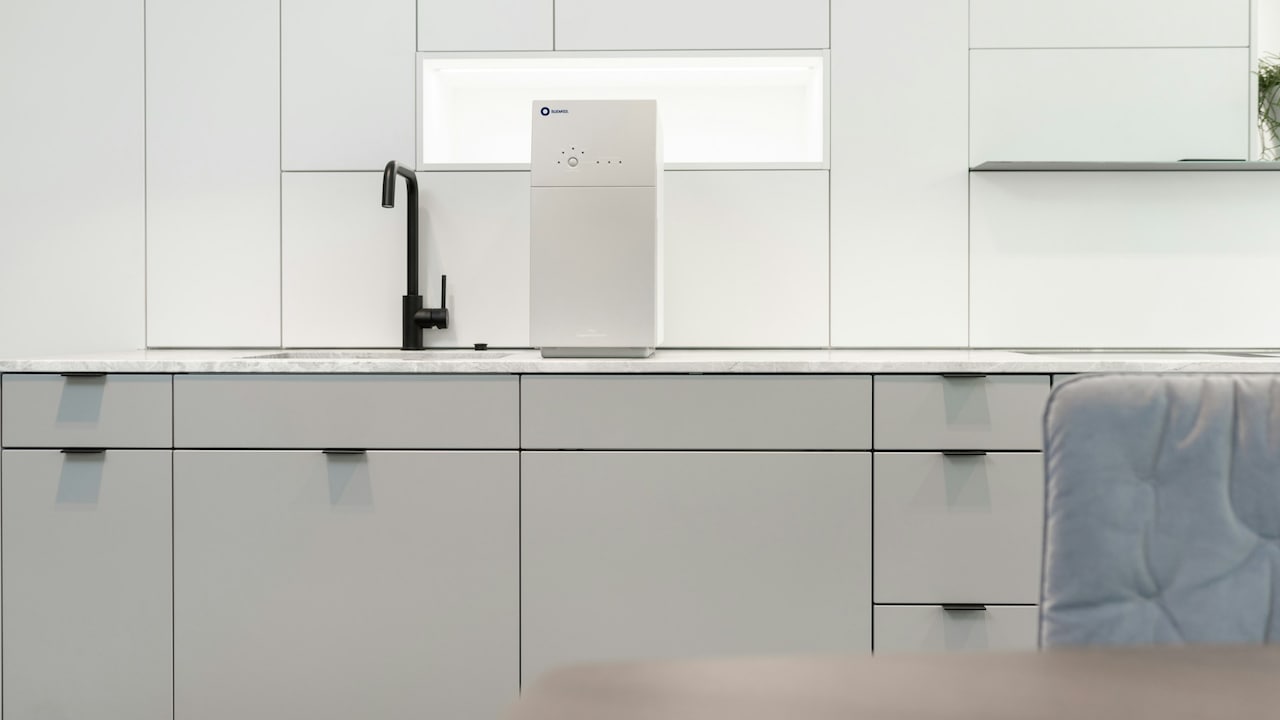
The RO purifier has become a permanent member of many kitchens. It sits quietly on the wall, hums softly, and delivers clean water on demand. Yet it also carries a reputation that follows it like a neighbourhood rumour: “RO wastes too much water.”
The claim sounds convincing at first. A pipe drips into the sink. A bucket fills up. Someone in the house mutters that this “reject water” could have filled half the building's overhead tank. Then comes the guilt. And sometimes, the decision to switch it off or avoid using it altogether.
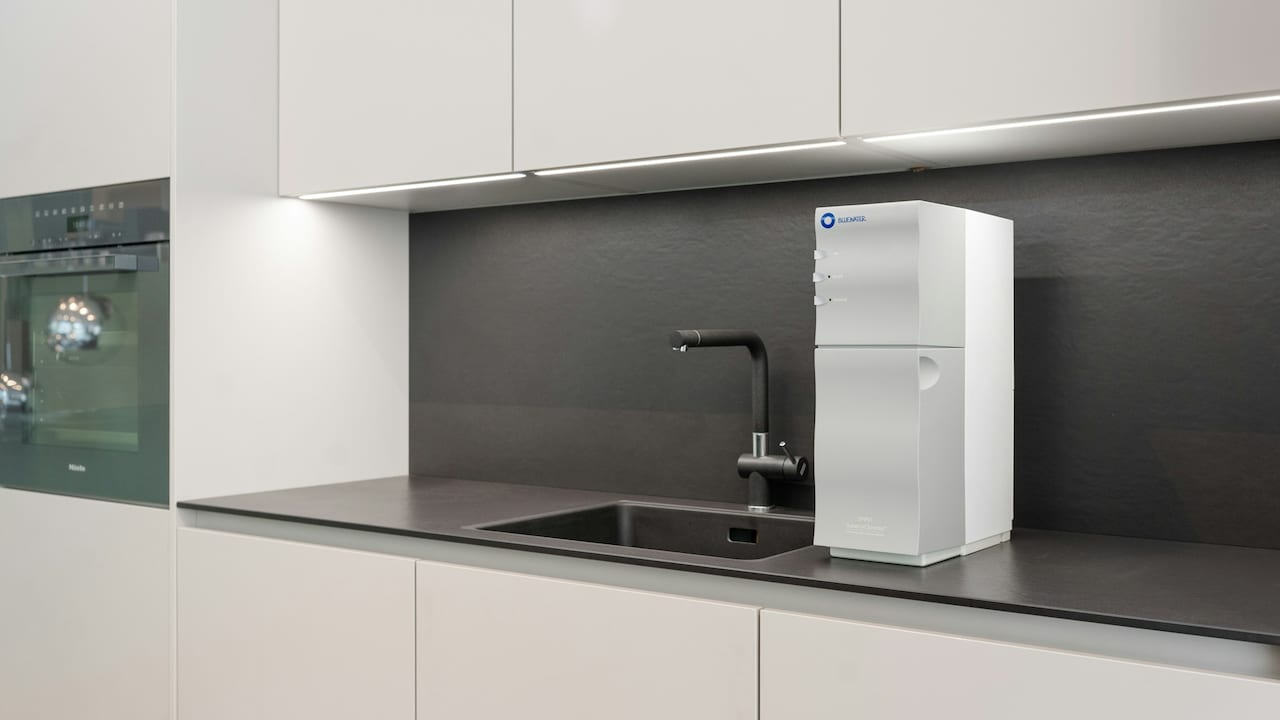
Explore 10 important things to know about RO waste water; Photo Credit: Unsplash
But here's the thing. The story of RO water wastage is not as simple as people make it sound. It is a mix of outdated information, half-truths, and a lack of understanding of how purification works. It also ignores one major reality: water quality has changed, and so has the way many households receive water.
Let's unpack the myth properly, without fear-mongering, without marketing fluff, and without pretending every home has the same water problem.
Also Read: Best Non-Electric Water Purifiers in India Under ₹5000, From Kent to Pureit: Pure Water, Zero Waste
The Truth Behind RO Reject Water: What Really Happens and Why It Matters
1) The “waste” isn't waste, it's how filtration works
Calling RO reject water “waste” is like calling the peel of a banana “food wastage.” It's a by-product of separation. Reverse osmosis works by pushing water through a membrane that blocks dissolved salts, heavy metals, and other impurities. The membrane does not magically delete contaminants. It separates them.
So where do those impurities go? They get carried away with a portion of water, which becomes reject water. That is the trade-off for removing things that regular filters cannot handle.
This is where the myth begins. People assume the purifier is throwing away clean water. In reality, it is flushing out the dirty load so the drinking water stays safe. It is similar to rinsing rice before cooking. The water used for rinsing may look harmless, but it carries starch and dust. Nobody calls that “wastage” when the result is better food.
The key point: reject water is not useless, and it is not a sign of a “bad” purifier. It is simply part of the process.
2) The old 1:3 ratio story refuses to retire
One reason the wastage myth feels so strong is because of an old number that refuses to leave public memory. Many people still quote the ratio: for every 1 litre of purified water, 3 litres are wasted.
That ratio did exist in many older RO models, especially those built for high TDS water and low household pressure. They needed more flushing to keep the membrane from clogging. But that is not the full picture today.
Modern RO systems are more efficient. Many use better membranes, improved flow restrictors, and smarter designs that reduce reject output. Some also come with technology that recovers more water while maintaining purification quality. In many homes, the reject ratio is closer to 1:1 or 1:2, depending on input water quality.
The myth survives because people rarely update their beliefs. It's like still believing that phones explode while charging because someone heard a story in 2012.
Yes, RO produces reject water. But no, it is not always the dramatic waterfall people imagine.
3) Water quality decides the reject water, not just the brand
Here's a reality that most people skip: RO water wastage depends heavily on the quality of incoming water. Two homes can use the same purifier and get very different reject outputs.
If the incoming water has high TDS, lots of dissolved salts, or hardness, the purifier needs more flushing. That means more rejected water. If the incoming water is already fairly clean, the RO membrane doesn't need to work as aggressively.
This matters because many neighbourhoods have unpredictable supply. Some days it is borewell water. Other days it is treated municipal water. In some buildings, the source switches depending on availability. So the purifier is not working with a stable input.
Blaming the RO system for water wastage without checking water quality is like blaming the pressure cooker for taking too long when the gas cylinder is almost empty.
If a home has low TDS municipal water, a UV or UF system might be enough. But if the water is hard or salty, RO is not being “extra.” It's necessary.
4) The real villain is low water pressure
One of the most overlooked reasons for higher reject water is low water pressure. Many homes, especially in multi-storey buildings, get inconsistent pressure. The kitchen tap might trickle like it's saving water for retirement.
RO needs pressure to push water through the membrane. If the pressure is low, the system struggles. Some units compensate by producing more reject water to maintain purification quality. Others slow down and fill the tank painfully slowly, which makes people think the purifier is inefficient.
This is also why many RO models include a booster pump. When the pump is missing, weak, or faulty, wastage can increase.
In short, the purifier isn't always the problem. Sometimes, it is the plumbing.
And yes, it is mildly ironic when a home spends ₹20,000 on a purifier but refuses to fix a pressure issue that costs far less. That's not judgment. That's just a very common household plot twist.
5) Reject water is not sewage, it's reusable for daily chores
A lot of the guilt around RO comes from imagining rejected water as something dirty and unusable. But reject water is not sewage. It is water with a higher concentration of dissolved salts and impurities than the input.
In many households, this water is perfectly usable for cleaning floors, washing utensils, rinsing mops, flushing toilets, or watering certain plants (depending on salinity). Many people already collect it in buckets without any extra effort. Some connect the reject pipe directly to a storage container.
The trick is simple: treat rejected water like utility water, not drinking water. That's it.
This also makes the “wastage” argument less dramatic. Water used for mopping floors is not supposed to be drinking-grade anyway. Using RO reject for that purpose is not just practical. It is smart.
Of course, if the water is extremely salty, it may not suit plants. But for cleaning and flushing, it often works well.
The myth loses power once the water gets a second job.
RO waste water can be used for cleaning floors, rinsing mops, or flushing toilet; Photo Credit: Unsplash
6) Many homes waste more water in the bathroom than in the kitchen
If the goal is to reduce water wastage, RO is not the biggest leak in most households. The bathroom is.
A long shower, a running tap during brushing, or a half-flush used as a full flush can quietly waste more water than an RO system does in a day. Even a small tap leak can waste an absurd amount over a month. Yet nobody starts a family debate about “bathroom wastage technology.”
The RO gets targeted because the rejected water is visible. It flows through a pipe and lands in a bucket, so it feels like a loss. Bathroom waste is invisible because it goes straight into the drain.
There's also the psychological factor. When something feels like a machine is “throwing away” water, it triggers outrage. When people waste water themselves, it feels normal.
This is not to excuse RO wastage. It is to put it in perspective. If a household wants to be serious about water conservation, the biggest wins often come from fixing leaks and changing habits, not from blaming a purifier.
7) Switching off RO can create a bigger problem than water loss
Some people respond to the wastage myth by turning off the purifier and relying on bottled water or boiling. That can backfire.
Bottled water looks like a clean alternative, but it comes with plastic waste and recurring expense. A family can easily spend ₹800 to ₹2,000 a month on packaged water, especially during summer. It also raises trust issues because not every bottle is as pure as it claims.
Boiling water helps with bacteria but does not remove dissolved salts, heavy metals, or chemical contaminants. It can also become a daily inconvenience, and many homes eventually stop doing it consistently. The habit fades the moment guests arrive, the gas runs low, or the day gets hectic.
RO is not perfect, but it offers reliable purification for the contaminants that matter in many areas.
So yes, reject water should be managed better. But abandoning RO out of guilt can lead to health risks or other forms of waste that are worse.
8) Not every home needs RO, but some absolutely do
One of the most important truths in this conversation is also the most uncomfortable: RO is not necessary for everyone.
If the water supply is treated, has low TDS, and meets safety standards, then a good UV or UF purifier might be enough. In such cases, using RO is like wearing a raincoat in bright sunshine. It works, but it's not required.
However, many homes deal with borewell water, mixed supply, or high hardness. In these situations, RO is not a luxury. It is a protective barrier.
The problem is that people often buy purifiers based on fear or neighbour recommendations, not on water testing. A friend says, “Just get RO, safest.” The shopkeeper agrees. And the household ends up with an RO system even when it doesn't need one.
The smarter approach is simple: test the water. Then choose the right purifier.
That single step prevents both unnecessary rejected water and unnecessary health risks.
9) Modern RO systems have improved, but maintenance still matters
Even the best RO system can become wasteful if it is poorly maintained. A clogged pre-filter, an old membrane, or a worn-out flow restrictor can increase reject water. It can also reduce the quality of purified water, which defeats the whole point.
Many households delay servicing until the purifier starts making strange noises or the water starts tasting “different.” By then, the system has often been struggling for months.
Maintenance is not just about replacing filters. It is about keeping the system efficient. When the membrane is in good condition, it rejects contaminants properly without needing excessive flushing. When the pre-filter works well, the membrane doesn't get overloaded.
Think of it like a scooter. The same vehicle can give excellent mileage or terrible mileage, depending on servicing and tyre pressure.
A well-maintained RO system is not just safer. It is often less wasteful, too.
10) The real solution is smarter use, not dramatic rejection
The RO wastage debate tends to become emotional. It becomes a moral argument: “Using RO is wrong.” But water conservation is not about guilt. It is about smarter systems.
The best approach is balanced. If the home truly needs RO due to water quality, then use it without shame. But manage to reject water thoughtfully. Collect it. Use it for cleaning. Connect it to a storage tank if possible. Avoid letting it flow directly into the drain.
If the home does not need RO, switch to a more suitable purifier. That reduces rejected water to nearly zero without compromising safety.
And if the concern is water shortage, address the bigger leaks too. Fix the dripping taps. Install aerators. Use bucket baths when the water supply becomes unreliable. Stop running the tap like it's background music.
RO is not the enemy. Poor choices and poor habits are.
Once that truth sinks in, the myth loses its grip.
Products Related To This Article
1. Pureit Wave Prime Water Purifier for Home (Black) with RO+MF Filtration
2. AQUA D PURE 4 in 1 Copper RO Water Purifier with 10 Stage Purification Filtration
3. Aquaguard Sure Delight NXT RO+UV Water Purifier
4. Havells Aquas Lite Water Purifier, UV + UF Purification
5. Faber CUV 8000 (UV + UF + Copper)| NOT RO | 7L Storage
RO water purifiers do produce reject water, and pretending otherwise helps nobody. But the popular idea that RO “wastes too much water” is often based on outdated ratios, missing context, and a misunderstanding of how purification works.
In many homes, RO is essential because the water contains dissolved impurities that simpler systems cannot remove. In such cases, the real question is not whether RO wastes water, but how the reject water is managed.
The good news is that reject water can be reused for everyday chores, and modern RO systems are far more efficient than older models. Add proper maintenance and the right purifier choice, and the wastage problem becomes far less dramatic.
Clean drinking water and responsible water use do not have to be enemies. With a little awareness and a little common sense, they can easily live in the same kitchen.
(Disclaimer: This article may include references to or features of products and services made available through affiliate marketing campaigns. NDTV Convergence Limited (“NDTV”) strives to maintain editorial independence while participating in such campaigns. NDTV does not assume responsibility for the performance or claims of any featured products or services.)