Weak AC In Large Rooms? Top 10 Smart Airflow Fixes That Instantly Improve Cooling Comfort
Weak AC in a large room? Smart airflow tweaks like better fan placement, sealed gaps, and clear vents can boost cooling fast, improve comfort, and cut electricity costs without replacing your unit.
What causes ACs to lose cooling efficiency in large rooms and how to fix it
A large room can be both a blessing and a battle during peak summer. Spacious halls, open-plan flats, and oversized bedrooms offer comfort until the heat arrives like an uninvited wedding guest who refuses to leave. Many households assume that if the AC feels weak, the machine itself is failing. In reality, poor airflow often steals the cool air before it can work its magic. Air conditioners cool air, but airflow decides where that comfort actually reaches. Without proper circulation, cool air can gather near the unit while the rest of the room remains warm enough to roast papads. The challenge grows even bigger in homes with high ceilings, broad windows, or furniture blocking circulation.
Different ways to improve AC cooling and airflow in large rooms; Photo Credit: Amazon
Thankfully, improving airflow does not always demand expensive renovations. Smart adjustments can dramatically enhance cooling, boost comfort, and even reduce monthly electricity costs. Here are ten practical fixes that can make a noticeable difference almost instantly.
Also Read: Top 5 Split Air Conditioners That Offer The Biggest Price Savings
Top 10 Smart Airflow Fixes That Instantly Improve Cooling Comfort
Reposition Ceiling Fans For Better Air Distribution
Ceiling fans often play an underrated role in cooling large rooms. While they do not lower temperature directly, they help spread cool air more evenly across the space. During summer, fans should rotate counter-clockwise to push air downward, creating a refreshing wind-chill effect.
Many people forget to check fan direction, yet this small tweak can significantly improve comfort. In larger rooms, running the fan alongside the AC prevents cool air from settling only near the vents. Instead, it reaches sofas, dining corners, and those frustrating warm spots.
For homes with older fans, upgrading to energy-efficient models can also help. A reliable ceiling fan may cost around ₹3,000 to ₹8,000, far cheaper than replacing an entire AC system. It is a simple fix, but one that can make the room feel noticeably cooler without extra strain on the air conditioner.
Keep Air Vents Clear And Unblocked
Furniture placement can quietly sabotage cooling efficiency. Large sofas, bookshelves, or curtains positioned near AC vents often obstruct airflow, forcing the unit to work harder while cooling less effectively.
A blocked vent is like trying to enjoy chai through a sealed lid. The cooling power exists, but it cannot reach where it matters. Ensuring at least a few feet of open space around vents allows air to circulate freely throughout the room.
Regularly dusting vents also matters. Dust buildup reduces airflow and can make the system less efficient over time. This small maintenance habit takes only minutes but improves cooling quality. In many cases, simply rearranging furniture can produce a surprisingly immediate difference, all without spending a single rupee.
Use Pedestal Or Tower Fans Strategically
When large rooms challenge AC performance, additional fans can act like cooling assistants rather than power-hungry replacements. Pedestal or tower fans placed strategically can guide cool air into neglected corners.
For example, positioning a fan across from the AC helps push conditioned air deeper into the room. This works particularly well in rectangular living spaces or open dining areas. Instead of letting cool air linger near the AC, it gets distributed where people actually sit and relax.
Modern tower fans, priced from around ₹4,000 onwards, offer sleek designs and oscillation features that improve circulation without cluttering interiors. It is a practical approach, especially during family gatherings when one part of the room suddenly feels like summer while another feels like Shimla.
Seal Gaps Around Doors And Windows
Large rooms often lose cooling faster than expected because of tiny air leaks. Gaps around windows, balcony doors, or poorly sealed frames allow precious cool air to escape while inviting hot outdoor air inside.
This constant exchange forces the AC into overdrive. Weather stripping or simple door seals can dramatically improve insulation. These fixes usually cost between ₹500 and ₹2,000, making them highly affordable compared to soaring electricity bills.
Heavy curtains or thermal blinds also strengthen cooling retention, especially in rooms exposed to harsh afternoon sunlight. In many homes, sunlight streaming through windows can heat interiors faster than the AC can cool them. Blocking this heat source keeps indoor temperatures more stable and manageable.
Adjust Thermostat Settings Wisely
Many people set the AC to extremely low temperatures, hoping for faster cooling. Unfortunately, this often wastes energy without significantly improving comfort.
A balanced setting between 24°C and 26°C usually delivers effective cooling while maintaining efficiency. Pairing this with proper airflow solutions often feels cooler than blasting the AC at 18°C in a poorly circulated room.
Smart thermostats or programmable timers can also help regulate cooling cycles more effectively. Though not yet standard in every household, they offer long-term savings and convenience. Sensible thermostat use ensures the system cools steadily rather than exhausting itself in an endless struggle.
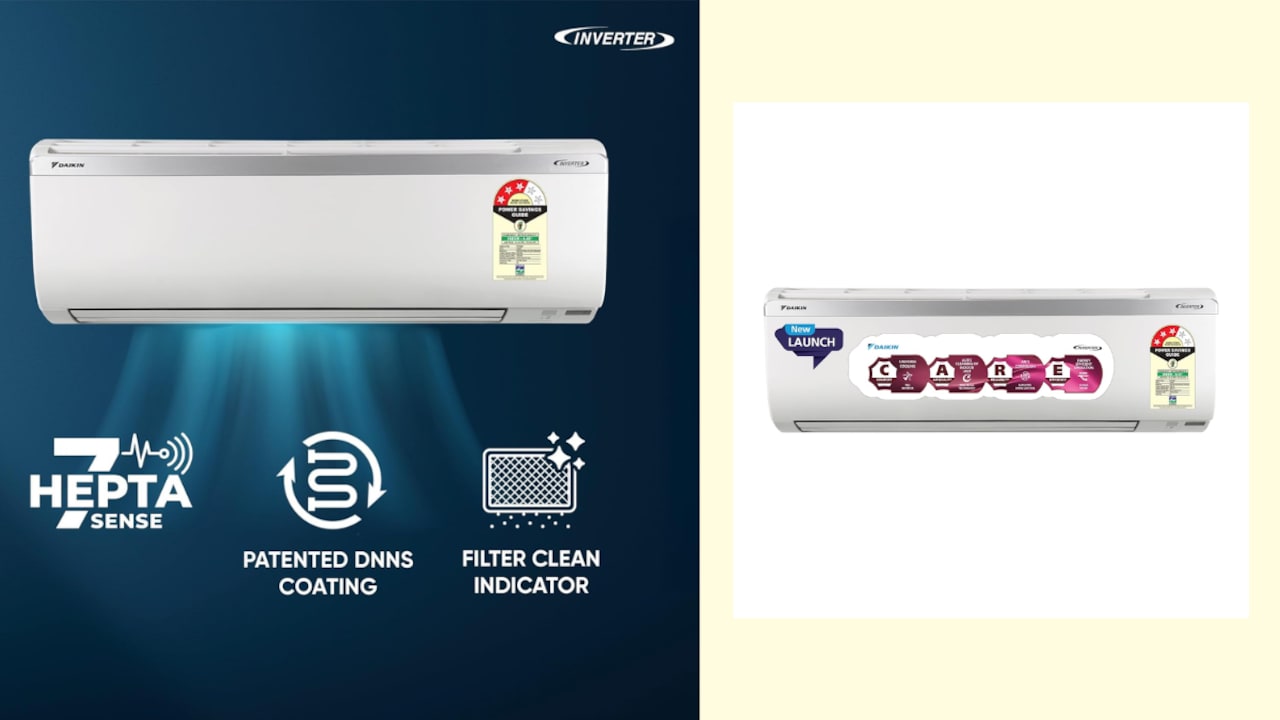
Set the AC at a balanced setting between 24°C and 26°C for effective cooling and efficiency; Photo Credit: Amazon
Clean Filters Regularly For Maximum Performance
Dirty filters are among the most common reasons an AC feels weak. Dust and debris restrict airflow, reduce cooling efficiency, and increase power consumption.
In cities where dust levels rise quickly, filters may need cleaning every two to four weeks during heavy-use seasons. A neglected filter can make even a premium AC perform like an exhausted table fan.
Cleaning filters is simple, often requiring only water and mild soap. Professional servicing every few months adds another layer of efficiency. This small routine can restore cooling power dramatically, proving that sometimes the solution is not replacement, but maintenance.
Optimise Furniture Layout For Air Movement
Interior design choices can influence cooling more than expected. Bulky furniture placed in central airflow paths can trap cool air or create hot pockets.
Large sectionals, decorative dividers, or oversized cabinets may look stylish, but they can interrupt circulation. Rearranging layouts to encourage open movement helps air travel naturally across the room.
This does not mean sacrificing aesthetics. Even slight shifts can improve airflow while maintaining design harmony. In many cases, a better room arrangement creates an immediate cooling upgrade without spending anything beyond a bit of weekend effort.
Consider Zoning Large Spaces
Open-plan spaces often challenge single AC units because one machine must cool multiple functional areas simultaneously. Zoning offers a smarter solution.
Using partitions, curtains, or even decorative screens can help define cooling zones and retain conditioned air where it is needed most. For example, separating the dining section from the lounge area can reduce the cooling burden.
This approach works especially well during peak afternoons when certain areas receive more sun exposure. Temporary or stylish dividers can make cooling more focused, practical, and cost-effective.
Reduce Heat-Producing Appliances
Large rooms often contain electronics that quietly generate extra heat. Televisions, gaming consoles, refrigerators, and even bright lighting contribute to rising indoor temperatures.
Switching to LED lights, turning off unused devices, or reducing appliance usage during peak heat hours can ease the cooling load. It may seem minor, but every bit helps.
A room packed with running electronics can force an AC to battle unnecessary heat sources. Managing internal heat production gives cooling systems a much fairer chance.
Upgrade Airflow With Professional Duct Inspection
Sometimes, persistent weak cooling points to hidden ductwork issues. Leaks, blockages, or poorly designed airflow systems can severely impact performance.
Professional duct inspections may cost ₹3,000 to ₹10,000, but they often reveal problems that basic troubleshooting misses. In centralised systems, repairing ducts can significantly improve cooling distribution.
While this fix requires investment, it can prevent far greater expenses down the line. For larger homes, proper duct efficiency often makes the difference between constant discomfort and reliable cooling.
Products Related To This Article
1. Carrier 2 T 5Star,New Star rated,Wi-Fi Smart Flexicool Inverter Split AC
2. Cruise 1 Ton 3 Star, New Star rated, Inverter Split AC with 7-Stage Air Filtration
3. Voltas 1.5 ton 3 star,New star rated, Rating Inverter Split AC
4. IFB 1 Ton 3 Star,New star rated, AI Powered Inverter Split AC
5. Carrier 1.5 Ton 3 Star Flexicool Inverter Split AC
6. Cruise 1.5 Ton 3 Star,New Star rated, Inverter Split AC with 7-Stage Air Filtration
7. LG 1.5 Ton 5 Star,New star rated, Smart Inverter Split AC
Weak AC performance in large rooms does not always signal equipment failure. More often, poor airflow, hidden inefficiencies, and simple household habits create the real problem. By improving circulation, sealing leaks, managing heat sources, and optimising room layout, cooling comfort can increase dramatically without the burden of major expenses.
Summer comfort should not feel like an endless battle against rising temperatures. With these smart airflow fixes, even the most stubborn large room can become a refreshing retreat. Sometimes, the secret is not stronger cooling, but smarter cooling.
(Disclaimer: This article may include references to or features of products and services made available through affiliate marketing campaigns. NDTV Convergence Limited (“NDTV”) strives to maintain editorial independence while participating in such campaigns. NDTV does not assume responsibility for the performance or claims of any featured products or services.)