Why Strong Suction And Filtration Are Essential For Effective Kitchen Chimneys
Weak chimney suction and poor filtration leave kitchens greasy, smoky and harder to clean. Overlooking these essentials can turn a stylish appliance into an expensive mistake.

Weak Chimney Suction Leaves Kitchens Greasy: Focus On Filtration Strength
The modern kitchen has transformed dramatically over the years. Gleaming countertops, modular cabinets, and advanced appliances now dominate urban homes. Amid this evolution, the kitchen chimney has become less of a luxury and more of a practical necessity. Whether preparing spicy tadkas, frying pakoras during monsoon evenings, or simmering rich gravies, cooking releases smoke, grease, and odours that can quickly overwhelm enclosed spaces. Yet many buyers fall into a familiar trap. Attention often centres on appearance, brand popularity, or festive discounts rather than technical performance. A chimney may look stylish above the hob, but if its suction struggles and filtration system lacks strength, trouble brews quietly. Walls gather grime, surfaces become sticky, and the kitchen slowly loses its sparkle.
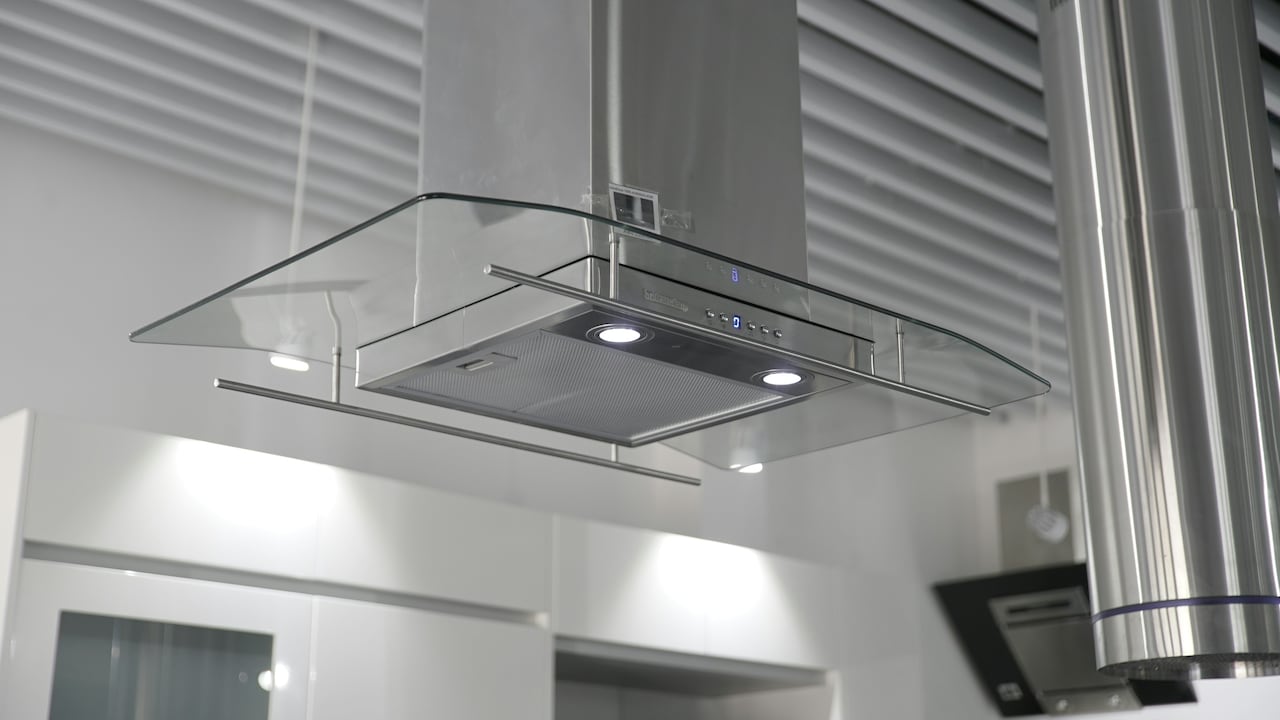
Weak Chimney Suction Leaves Kitchens Greasy: Focus On Filtration Strength; Photo Credit: Pexels
The issue is more common than many realise. Weak chimney suction and poor filtration do not simply affect cleanliness; they influence air quality, appliance longevity, and even household comfort. In homes where cooking involves generous use of oil, spices, and high heat, overlooking these factors can prove costly. A chimney should do more than decorate the kitchen. It must actively defend it.
Understanding Why Chimney Performance Matters More Than You Think
The Hidden Problem Behind Stylish Kitchen Chimneys
A beautifully designed chimney can easily steal attention in a showroom. Curved glass, touch controls, and dramatic lighting often create the impression of superior performance. However, visual appeal can mask functional shortcomings. Many homeowners only realise this after weeks of use, when greasy film begins coating kitchen cabinets despite regular chimney operation.
This happens because design does not always equal efficiency. Some models prioritise aesthetics while compromising on motor strength or filter quality. In busy kitchens, especially where frying and tempering are routine, weak suction struggles to capture airborne grease particles before they spread.
The result feels frustratingly familiar. Countertops lose their shine, exhaust smells linger, and cleaning routines intensify. Spending ₹15,000 or more on a chimney that underperforms can feel like buying an umbrella full of holes during monsoon season.
Choosing solely based on appearance often leads to disappointment. A chimney must function as an effective ventilation system first and a stylish appliance second. Ignoring this reality often leaves kitchens battling grease despite expensive installations.
Also Read: Top 5 Chimneys in India: Smoke-Free Kitchens Made Easy
Why Suction Power Matters More Than Most Buyers Realise
Suction power serves as the backbone of any effective kitchen chimney. Measured in cubic metres per hour (m³/hr), it determines how efficiently smoke, heat, and grease-laden air are removed during cooking. Yet many households underestimate its significance.
A low-suction chimney may cope with light boiling or occasional steaming. However, the moment onions hit hot oil or fish begins frying, limitations become painfully obvious. Smoke escapes, odours spread, and grease settles on nearby surfaces.
For average family kitchens, suction requirements often range between 1000 and 1500 m³/hr, depending on cooking habits. Heavy cooking styles require stronger systems. Without adequate power, the chimney becomes little more than an expensive wall accessory.
Imagine preparing festive snacks for guests while smoke stubbornly hovers overhead. The kitchen heats up, cabinets absorb residue, and the room feels oppressive. Proper suction prevents this chaos by swiftly extracting pollutants.
Overlooking suction specifications often leads to higher maintenance costs, poorer hygiene, and dissatisfaction. In practical terms, stronger suction translates to cleaner kitchens and less daily frustration.

Weak Chimney Suction Leaves Kitchens Greasy: Focus On Filtration Strength; Photo Credit: Pexels
Filtration Strength: The Silent Hero Of Kitchen Cleanliness
While suction grabs most of the spotlight, filtration quietly determines long-term effectiveness. Filters trap grease, oil particles, and contaminants before they clog internal systems or recirculate into the kitchen.
Mesh filters, baffle filters, and filterless technologies each offer varying performance levels. Baffle filters, for instance, often excel in handling oily cooking due to their layered design. They efficiently separate grease while maintaining airflow.
Weak filtration creates a deceptive problem. Smoke may appear reduced initially, but microscopic grease escapes and settles on walls, ceilings, and appliances. Over time, this residue forms stubborn grime that regular wiping cannot easily remove.
A poorly filtered chimney may also demand frequent servicing. Clogged motors and reduced airflow increase electricity consumption and shorten lifespan. In many households, this translates into avoidable repair expenses of ₹3,000 to ₹8,000 annually.
Strong filtration ensures cleaner air, lower maintenance, and better kitchen hygiene. It may not feature prominently in glossy advertisements, but its role proves essential where daily cooking is serious business.
Grease Build-Up: More Than Just A Cleaning Nightmare
Greasy kitchens are not merely unpleasant to look at. Persistent grease build-up creates broader challenges that affect hygiene, safety, and maintenance.
Oil residue attracts dust, forming sticky layers on cabinets, tiles, and countertops. This combination can dull surfaces permanently and encourage bacterial growth in overlooked corners. Kitchens, intended as spaces of nourishment, slowly become harder to sanitise.
Cleaning costs rise, too. Professional deep cleaning services may cost ₹2,000 to ₹6,000 per session, depending on the kitchen size. Frequent need for such services often stems from ineffective chimney systems.
There is also a fire risk. Grease accumulation within filters and ducts can become hazardous if left unchecked. In extreme cases, excessive grease near heat sources poses safety concerns.
Beyond practical issues, greasy environments can dampen the joy of cooking. Nobody enjoys preparing meals while staring at sticky tiles or scrubbing endlessly after every elaborate dinner.
A powerful chimney with reliable filtration significantly reduces these problems, preserving both cleanliness and peace of mind.
Common Mistakes Buyers Make While Choosing Chimneys
Purchasing decisions often revolve around discounts, visual appeal, or sales pitches rather than practical requirements. This leads many households toward unsuitable models.
One common mistake involves underestimating kitchen size and cooking intensity. Compact chimneys with limited suction may seem budget-friendly, but quickly underperform in larger or high-usage kitchens.
Another error lies in ignoring filter maintenance needs. Some buyers choose cheaper models without considering long-term cleaning requirements. Frequent filter replacement or servicing can quietly inflate ownership costs.
Noise levels also deserve attention. Powerful suction matters, but excessively noisy models can become irritating during daily use. Balance proves essential.
Installation quality often gets overlooked as well. Poor duct placement or improper fitting can weaken even high-performance chimneys.
Perhaps the biggest mistake involves assuming all chimneys function similarly. In reality, technical specifications vary widely.
Buying a chimney without researching performance can resemble purchasing a pressure cooker without checking the whistle. It may work, but not quite as expected.
The Role Of Cooking Habits In Chimney Performance
Cooking styles heavily influence chimney requirements. Kitchens focused on steaming and boiling place far less demand on ventilation than those filled with deep frying, grilling, or spice-heavy tempering.
Frequent frying produces substantial grease particles. Rich curries and smoky tadkas generate strong odours and airborne oils. In such environments, weak suction quickly proves inadequate.
Families who cook multiple meals daily need more robust systems than occasional users. A household preparing breakfast, lunch, evening snacks, and dinner naturally generates more airborne residue.
Ignoring cooking habits during purchase often leads to a mismatch. A standard chimney may suffice in one home while failing dramatically in another.
Selecting based on realistic usage patterns ensures better satisfaction. Homes with intensive cooking should prioritise higher suction, durable filtration, and easy maintenance.
Kitchen appliances must adapt to lifestyle, not the other way around. Recognising this makes chimney investment far more practical.
Maintenance Neglect Can Sabotage Even The Best Chimney
Even premium chimneys lose effectiveness when maintenance suffers. Filters clogged with grease restrict airflow, reduce suction, and force motors to work harder.
Routine cleaning remains essential. Baffle filters generally require periodic washing, while other systems may need replacement or professional servicing.
Neglecting upkeep can cause several issues: rising electricity bills, reduced smoke extraction, unpleasant odours, and shortened appliance lifespan. Spending ₹20,000 on a quality chimney only to ignore maintenance defeats the purpose entirely.
Simple habits make a significant difference. Monthly filter checks, scheduled servicing, and prompt grease removal preserve performance.
Many households assume installation alone guarantees long-term efficiency. In truth, a chimney functions much like a vehicle; regular care keeps it running smoothly.
Proper maintenance protects investment and ensures consistent kitchen hygiene, preventing gradual decline into grease-related frustration.

Weak Chimney Suction Leaves Kitchens Greasy: Focus On Filtration Strength; Photo Credit: Pexels
Energy Efficiency And Long-Term Savings
An efficient chimney does more than clean air; it can also reduce ongoing expenses. Models with powerful motors and quality filtration often perform faster and more effectively, reducing prolonged operation times.
Poor-performing chimneys may require extended use, increasing electricity consumption. Frequent repairs and replacements further strain household budgets.
Though premium models may initially cost more, they often offer better durability and lower maintenance expenses over several years. Spending ₹25,000 upfront may ultimately prove wiser than repeatedly replacing cheaper alternatives.
Energy-efficient designs also support environmental responsibility by consuming less power while delivering stronger performance.
Value should not be judged solely by purchase price. Operational efficiency, durability, and reduced maintenance all contribute to smarter financial decisions.
A chimney should represent a long-term household ally rather than a recurring source of inconvenience.
Modern Features Are Useful, But Core Performance Comes First
Auto-clean functions, motion sensors, and smart connectivity certainly add convenience. These features can enhance user experience and simplify maintenance.
However, flashy technology should never overshadow basic essentials like suction and filtration. A chimney with Bluetooth controls but weak extraction offers little practical benefit when grease coats kitchen walls.
Consumers sometimes become distracted by novelty while neglecting foundational performance. This can lead to expensive purchases that disappoint where it matters most.
Smart features should complement strong core engineering rather than replace it.
Prioritising fundamentals ensures that additional conveniences genuinely enhance daily life rather than masking weaknesses. In practical kitchens, performance always outranks gimmicks.
After all, a chimney's true purpose lies not in impressing guests but in keeping the kitchen fresh, clean, and functional.
Creating A Healthier And Happier Kitchen Space
A well-functioning chimney contributes significantly to overall household comfort. Cleaner air reduces irritation caused by smoke and lingering odours. Kitchens remain brighter, cleaner, and more inviting.
Cooking becomes more enjoyable when surrounded by freshness rather than heat and grease. Family members gathering for meals benefit from a more pleasant environment.
This impact extends beyond appearance. Cleaner kitchens often support better hygiene, lower stress, and reduced cleaning burdens.
Investing wisely in chimney performance means protecting one of the home's most important spaces. The kitchen serves as a daily hub of nourishment, conversation, and tradition. Keeping it clean enhances everyday life.
Strong suction and reliable filtration transform kitchens from grease traps into welcoming spaces where culinary creativity thrives.
Products Related To This Article
1. Crompton QuietPro Plus BLDC 1800m3/hr 90cm Slant Chimney
2. Elica 60cm 1500 m3/hr BLDC Filterless Autoclean Kitchen Chimney with 15 Years Motor & 5 Years Comprehensive Warranty
3. Whirlpool 60cm 900 m3/hr Cassette Filter Kitchen Chimney with 5 Years WARR on Motor
4. Faber Pluto 60 cm 1000 m³/hr Wall Mounted Kitchen Chimney
5. Livpure Fenix 90 cm | T-Shape Chimney | 1400 m³/hr Suction
6. KAFF K-Series KEC 60A Filterless Auto-Clean Kitchen Chimney
7. Glen 60 cm 1000 m³/hr Baffle Filter Kitchen Chimney
Kitchen chimneys have become essential appliances in modern homes, but many households continue to underestimate the importance of suction power and filtration strength. Stylish designs and advanced features may attract attention, yet weak core performance often leaves kitchens battling grease, odours, and mounting maintenance costs.
Choosing the right chimney requires practical thinking. Strong suction, dependable filtration, suitability for cooking habits, and regular maintenance all play vital roles. Overlooking these factors can lead to unnecessary frustration and expenses.
A chimney should work tirelessly behind the scenes, preserving cleanliness and comfort rather than adding to household chores. By focusing on functionality over flashy appearances, homeowners can ensure fresher kitchens, healthier living spaces, and smarter long-term value.
In the end, a powerful chimney does more than clear smoke. It protects the heart of the home.
(Disclaimer: This article may include references to or features of products and services made available through affiliate marketing campaigns. NDTV Convergence Limited (“NDTV”) strives to maintain editorial independence while participating in such campaigns. NDTV does not assume responsibility for the performance or claims of any featured products or services.)