How To Avoid Messy Rice Cooker Spills Through Simple Cooking Habits
Rice cooker overflow usually begins with blocked steam vents, excess starch, or poor water ratios. Proper cleaning and smart cooking habits can prevent messy spills and keep rice perfectly cooked.
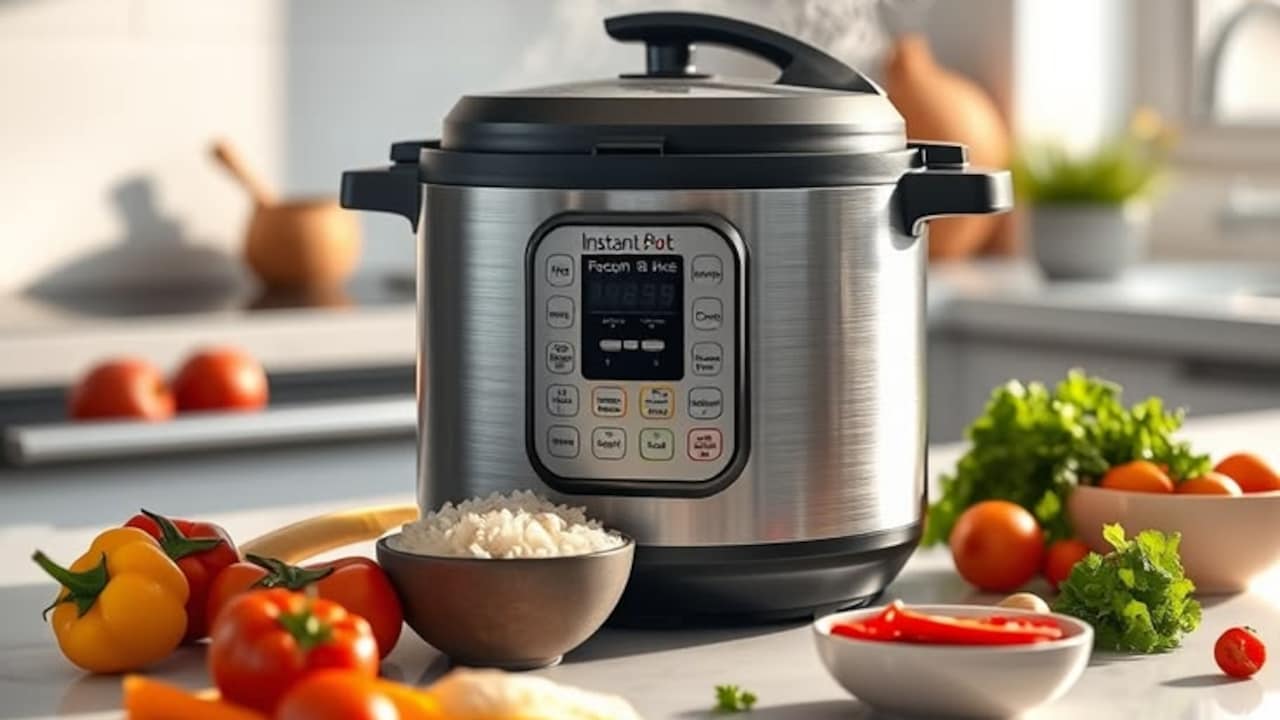
Rice Cooker Overflow Problems Usually Start With Poor Steam Venting
Rice cookers have quietly earned their place as one of the hardest-working kitchen companions. Whether preparing fluffy basmati for Sunday lunch or simple steamed rice for a weekday dinner, this appliance promises convenience with the push of a button. But when foamy water begins spilling from the lid like an angry monsoon drain, frustration arrives quickly. Overflowing rice cookers often appear dramatic, but the issue usually begins with something surprisingly simple: steam cannot escape properly. When steam vents fail to release pressure efficiently, boiling starch and water force their way out. It is less about machine rebellion and more about basic kitchen science.
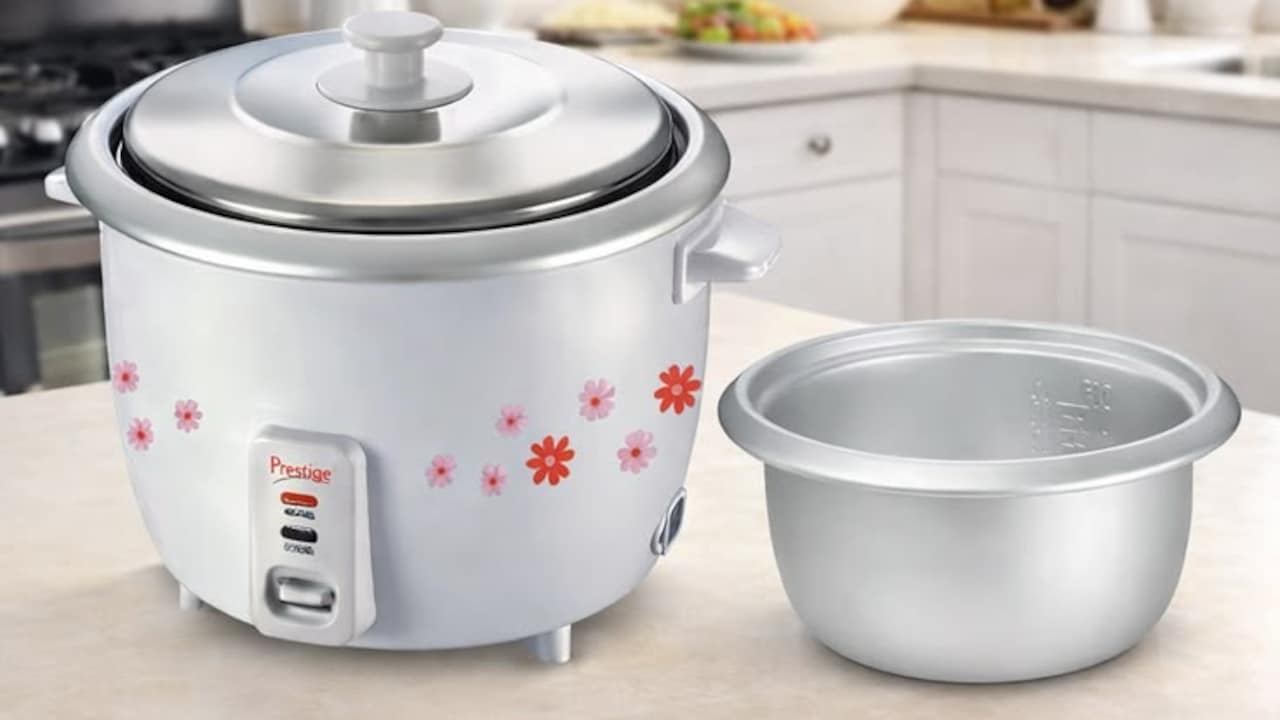
Rice Cooker Overflow Problems Usually Start With Poor Steam Venting; Photo Credit: Amazon
For many households, a rice cooker is not just another gadget. It is part of the daily rhythm. So when it misbehaves, breakfast, lunch, or dinner can quickly become a sticky ordeal. Thankfully, most overflow problems are preventable with the right habits, proper cleaning, and a little understanding of how these machines function.
Why Poor Steam Venting Is Often The Real Cause Of Rice Cooker Overflow
Poor Steam Venting Creates Pressure Build-Up
The steam vent serves as the rice cooker's breathing system. As rice cooks, steam forms naturally and needs a clear path to escape. If this vent becomes clogged with starch residue, food particles, or mineral deposits, pressure begins to build inside.
That trapped pressure pushes boiling water upward, often carrying foam and starch along with it. The result can look like the cooker has suddenly developed volcanic ambitions. In reality, it simply cannot release excess steam properly.
Regular cleaning of the steam vent remains essential. Even a small blockage can disrupt airflow. In many kitchens, this detail gets overlooked because the cooker still seems functional until overflow starts. Much like ignoring a blocked drainage pipe during heavy rain, problems eventually surface.
Keeping the vent clear allows pressure to regulate naturally. This simple habit can dramatically reduce messy spills and preserve the appliance's efficiency over time.
Also Read: Best Electric Rice Cookers Under ₹2000: Top 10 Things To Check Before Buying
Excess Starch In Rice Often Worsens The Problem
Rice naturally contains starch, and certain varieties release more than others. When rice is not rinsed thoroughly before cooking, excess starch mixes with boiling water and creates thick foam.
This foam expands rapidly during cooking. Combined with restricted steam release, it becomes the perfect recipe for overflow. It is similar to boiling milk too quickly and watching it rise with alarming speed.
Rinsing rice until the water runs mostly clear removes much of this loose starch. While some may skip this step in a rush, it often makes the difference between neat cooking and a countertop disaster.
For households cooking rice daily, this small preparation ritual can feel tedious. Yet spending one extra minute washing rice is far better than scrubbing sticky starch from every nearby surface later.
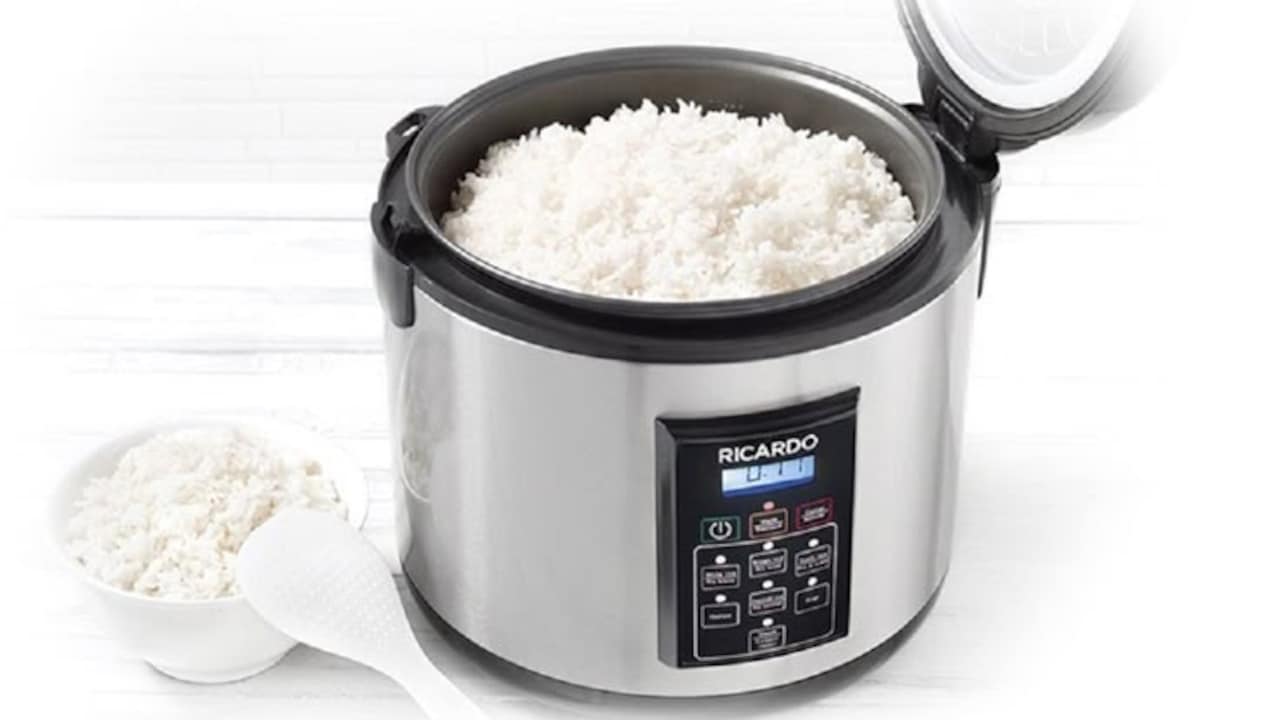
Rice Cooker Overflow Problems Usually Start With Poor Steam Venting; Photo Credit: Amazon
Overfilling The Cooker Invites Trouble
Every rice cooker comes with a maximum fill line for a reason. Exceeding this limit leaves insufficient room for bubbling water and steam circulation.
When too much rice or water fills the pot, the boiling movement becomes restricted. The cooker struggles to manage expansion, and overflow becomes far more likely. It is rather like cramming too many passengers into a local train compartment during rush hour; something is bound to spill over.
Following capacity guidelines ensures proper cooking dynamics. Larger families may feel tempted to squeeze in extra portions, especially during gatherings, but overloading often leads to poor results and unnecessary mess.
Using the correct quantity not only prevents overflow but also improves texture, ensuring evenly cooked grains instead of soggy disappointment.
Damaged Or Misaligned Lids Can Disrupt Ventilation
A rice cooker lid must seal properly while still allowing controlled steam release. If the lid is damaged, warped, or incorrectly positioned, steam flow becomes unpredictable.
Improper sealing can force steam and starchy water through unintended gaps. Sometimes the problem lies in worn rubber seals or loose-fitting components rather than the vent itself.
This issue can develop gradually, especially with older appliances. Frequent handling, accidental drops, or simple wear and tear can compromise lid performance.
Checking that the lid closes securely and inspecting seals regularly can prevent many headaches. Replacing worn parts often costs far less than purchasing a new cooker, usually around ₹300 to ₹800, depending on the model.
Water Ratios Matter More Than Many Realise
Adding too much water creates excess liquid that must boil vigorously before absorption occurs. This increases bubbling and foaming, especially when paired with poor venting.
Each rice type requires specific water measurements. Basmati, jasmine, and short-grain rice all behave differently. Guesswork can easily turn a reliable cooker into a bubbling nuisance.
Using measuring cups designed for the appliance helps maintain consistency. While seasoned home cooks often rely on instinct, precision tends to deliver better results with rice cookers.
Balanced water ratios reduce pressure fluctuations and create stable cooking conditions. It is a small adjustment that can save both ingredients and patience.
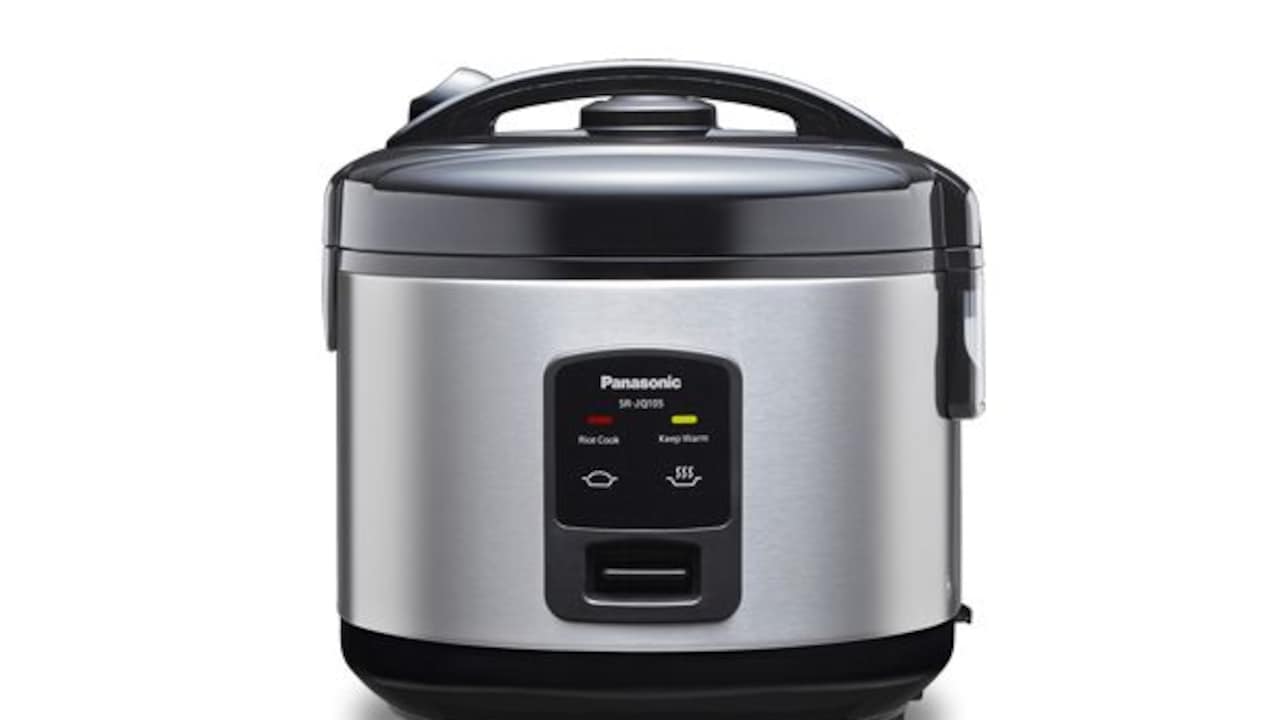
Rice Cooker Overflow Problems Usually Start With Poor Steam Venting; Photo Credit: Unsplash
Steam Vents Need Routine Maintenance
Steam vents accumulate residue gradually. Because build-up occurs over time, performance issues may not become obvious until overflow suddenly appears.
Many users clean the removable bowl diligently while neglecting smaller components. Yet the vent often requires equal attention. Warm water, mild detergent, and occasional deep cleaning can keep it functioning properly.
In areas with hard water, mineral deposits can also narrow vent openings. Descaling every few months helps preserve smooth steam release.
Treating the vent as a priority rather than an afterthought extends the cooker's lifespan. Like servicing a ceiling fan before summer, preventative care avoids future inconvenience.
Cooking Certain Foods Can Increase Residue Build-Up
Rice cookers today often handle more than plain rice. Porridge, lentils, and flavoured dishes may seem convenient, but these foods can produce heavier residues.
Sticky substances or oils may coat vents more aggressively, increasing blockage risks. Repeatedly preparing such dishes without thorough cleaning can gradually impair steam performance.
While multifunctionality is appealing, users should remain mindful of maintenance after cooking anything beyond basic rice.
A versatile cooker can still perform brilliantly, but only when cleaned with equal versatility. Otherwise, yesterday's khichdi could become tomorrow's overflow culprit.
Electrical Heating Issues May Cause Aggressive Boiling
Not all overflow problems stem solely from user habits. Faulty thermostats or heating elements can generate excessive heat, causing unusually vigorous boiling.
When internal sensors fail to regulate temperature correctly, water may bubble too forcefully, overwhelming even a clean steam vent.
This issue tends to appear in ageing or budget appliances. If proper cleaning and measurements do not solve repeated overflow, technical servicing may be necessary.
Ignoring mechanical faults can shorten appliance life and increase safety risks. Spending ₹1,000 on repairs may prove wiser than repeatedly replacing damaged counters or dealing with inconsistent meals.
Environmental Factors Can Also Play A Role
Humidity, water quality, and even rice storage conditions can subtly influence cooking behaviour. Older rice may absorb water differently, while mineral-heavy water can alter starch reactions.
Though these factors seem minor, they can contribute to unusual foaming patterns over time. Seasonal changes, especially during humid weather, may also affect kitchen appliance performance.
Understanding these nuances helps households adapt rather than assume the cooker itself is entirely to blame.
A little observation often reveals patterns that prevent recurring issues. Kitchen wisdom frequently develops through such practical discoveries.
Smart Cooking Habits Prevent Most Overflow Problems
Ultimately, rice cooker overflow rarely results from a single catastrophic flaw. More often, it reflects a combination of poor vent maintenance, incorrect measurements, and rushed preparation.
Simple habits make the greatest difference: rinse rice thoroughly, respect fill limits, clean vents regularly, and inspect appliance components.
These practices require minimal effort but offer substantial rewards. A well-maintained rice cooker delivers dependable convenience, while neglected care invites unnecessary frustration.
Like many household challenges, success lies in consistency rather than dramatic intervention. With proper attention, the rice cooker can return to doing what it does best, quietly delivering perfectly cooked rice without theatrical countertop floods.
Products Related To This Article
1. Instant Pot Duo 6QT(5.7L) 7-in-1 Electric Pressure Cooker
2. Libra 6 Litre Electric Cooker
3. Pigeon by Stovekraft Joy Rice Cooker with Double pot
4. KENT Electric Multicooker Cum Steamer/Kettle 1.2L 800W|
5. V-Guard VRC 1.8-Litre Electric Rice Cooker with 700 W Power
6. Panasonic SR-WA10(E) 450W Automatic Electric Rice Cooker 1 Litre with Auto Switch Off| SS Lid
7. Pigeon Easy 3L Electric Rice Cooker with 2 Pots
Rice cooker overflow may seem like an unavoidable kitchen annoyance, but in most cases, it stems from manageable causes, particularly poor steam venting. Understanding how steam flow, starch levels, water ratios, and maintenance interact transforms this common problem into an easily preventable one.
A rice cooker should simplify meals, not create extra cleaning duties. By adopting careful cooking habits and maintaining the appliance properly, households can enjoy reliable performance day after day.
In the end, preventing rice cooker overflow is less about complicated repairs and more about respecting the small details. A clean vent, measured water, and rinsed rice can spare countless messy episodes, ensuring the only thing overflowing at mealtime is satisfaction.
(Disclaimer: This article may include references to or features of products and services made available through affiliate marketing campaigns. NDTV Convergence Limited (“NDTV”) strives to maintain editorial independence while participating in such campaigns. NDTV does not assume responsibility for the performance or claims of any featured products or services.)