Why Steam Iron Leakage Remains A Common Problem Despite Modern Features
Steam iron leaks continue to frustrate buyers, with poor tank construction emerging as the leading cause. Weak materials and flawed seals often turn daily ironing into a messy, costly chore.
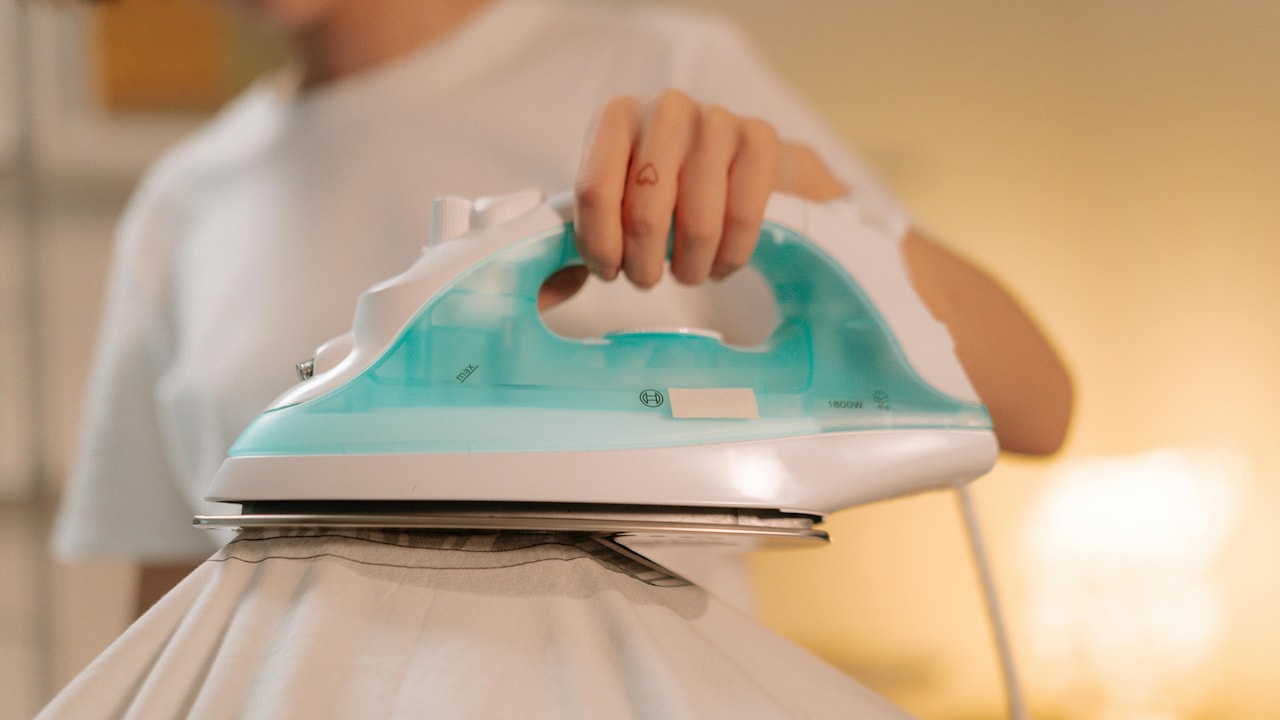
Steam Iron Buying Guide: How Poor Tank Design Causes Costly Leaks
Every home depends on reliable appliances, and the humble steam iron sits firmly among the essentials. Crisp school uniforms, neatly pressed office wear, and wrinkle-free festive outfits all rely on this small but mighty machine. Yet despite technological upgrades and endless marketing promises, one complaint continues to bubble up with frustrating regularity: water leakage. The issue often begins innocently enough. A few drops appear on freshly ironed fabric. Then comes the sputtering, unexpected dribbles, and occasionally a full watery mess that leaves garments looking worse than before. For many buyers, this turns a practical purchase into a recurring headache.
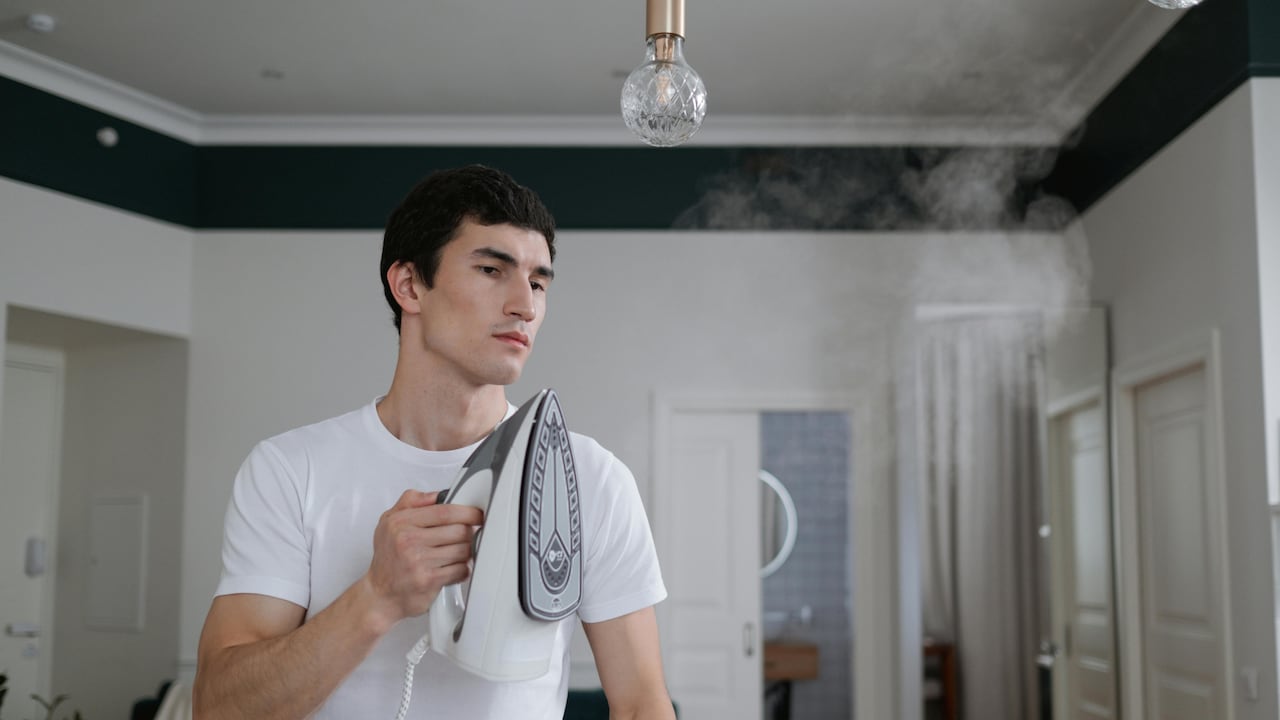
Steam Iron Leakage Continues To Frustrate Buyers: Tank Construction Is Key
Photo Credit: Pexels
While users often blame incorrect settings or overfilling, product experts increasingly point to tank construction as the real troublemaker. Weak materials, poor sealing systems, and flawed engineering frequently sit at the root of leakage woes. In a market crowded with options ranging from budget-friendly ₹800 models to premium irons crossing ₹6,000, understanding tank quality has become more crucial than ever.
For buyers seeking durability rather than disappointment, the structure behind the steam may matter far more than fancy extras.
Steam Iron Leakage Continues To Frustrate Buyers: Tank Construction Is Key
Why Steam Iron Leakage Has Become Such A Common Household Irration
Morning routines often run on tight schedules. When an iron begins spitting water onto carefully chosen clothes, frustration builds quickly. Leakage has become alarmingly common across various brands and price ranges, leaving many households wondering whether modern appliances have sacrificed reliability for gimmicks.
The growing issue stems partly from manufacturers focusing heavily on external features like ceramic plates, vertical steam, or sleek aesthetics while overlooking foundational design. A poorly designed water reservoir can create internal pressure imbalances, loose seals, or cracks over time. Even a small weakness can allow water to escape where only steam should travel.
In humid climates, where appliances may already face added wear, inconsistent tank construction becomes even more problematic. Frequent usage only accelerates deterioration. Buyers expecting years of service often discover leakage within months, especially with lower-end products.
The result is not merely inconvenience. Water stains can ruin delicate fabrics, and repeated leaks can shorten the appliance's lifespan. In practical terms, a steam iron should simplify chores, not transform them into daily battles with damp collars and soggy cuffs.
The Hidden Importance Of Water Tank Material
At first glance, most steam iron tanks appear nearly identical. However, beneath similar appearances lies a major difference in material quality. This often determines whether an iron remains dependable or develops leaks prematurely.
Lower-cost models frequently use thin plastic reservoirs to reduce production expenses. While affordable, these materials may struggle under repeated heating and cooling cycles. Over time, constant temperature fluctuations can warp plastic, weaken structural integrity, or create hairline fractures.
Higher-quality irons typically feature reinforced plastics or superior composite materials designed to withstand prolonged stress. Some premium designs also incorporate better insulation around the tank to reduce heat-related damage.
Material durability matters significantly because even minor imperfections can disrupt steam distribution. Once tank walls weaken, pressure inconsistencies increase, causing drips instead of controlled steam bursts.
For families comparing models, focusing solely on wattage or design can prove costly. Spending an extra ₹1,000 on sturdier construction may prevent repeated replacements or expensive garment damage later. Like many household purchases, long-term value often beats short-term savings.
Poor Sealing Systems Can Turn Convenience Into Chaos
A steam iron relies heavily on effective sealing to keep water secure until needed. Unfortunately, substandard seals remain one of the leading causes of leakage.
Rubber gaskets, valve systems, and lid closures all play vital roles. If these components degrade quickly or fit poorly, water escapes during heating or movement. This can happen even when users follow instructions perfectly.
Budget models sometimes cut corners by using cheaper seal materials that dry out, crack, or loosen with regular use. Once compromised, these seals become weak points that encourage leaks around filling caps or internal channels.
A reliable iron should maintain pressure balance while directing water precisely toward steam vents. Faulty seals undermine this process entirely. Instead of efficient wrinkle removal, users face dripping appliances that may stain expensive kurtas, formal shirts, or treasured festive attire.
Consumers often overlook these invisible details during purchase decisions. Yet strong sealing systems can make the difference between smooth ironing sessions and ongoing household irritation.
Design Flaws Often Outweigh User Error
Many consumers blame themselves when a steam iron leaks. Overfilling, incorrect temperature settings, or improper storage often receive the blame. While these factors can contribute, design flaws frequently bear greater responsibility.
An intelligently engineered steam iron should accommodate realistic household usage. It should tolerate occasional movement, minor filling errors, and regular wear without constant malfunction. When products leak under standard conditions, poor engineering often lies at fault.
Common issues include awkward tank positioning, weak anti-drip systems, or steam chamber imbalances. If water distribution channels lack precision, leakage becomes inevitable. Some irons also suffer from poor vent alignment, causing condensation buildup that eventually escapes onto fabrics.
This distinction matters because consumers deserve appliances designed for practical daily life rather than fragile perfection. Blaming users alone ignores structural shortcomings that manufacturers should address.
For buyers, researching build quality rather than relying solely on branding can reveal whether an iron offers dependable engineering or simply polished marketing.
Price Does Not Always Guarantee Better Tank Construction
A common assumption suggests expensive steam irons automatically offer better quality. Unfortunately, this is not always true.
While premium models often include advanced features, some still suffer from leakage issues due to flawed tank designs. Higher prices may reflect branding, aesthetics, or additional functions rather than core reliability.
Several mid-range options priced between ₹2,000 and ₹4,000 deliver better tank durability than certain premium alternatives. Meanwhile, some luxury models prioritise touchscreen controls or powerful steam bursts while neglecting fundamental construction.
This creates confusion for buyers hoping bigger investments ensure peace of mind. Instead, evaluating user reviews, warranty support, and construction specifics proves more useful than price alone.
A steam iron's true value lies not in glossy advertisements but in its ability to perform consistently over time. Reliable tank construction remains essential regardless of cost bracket.
Wise buyers understand that durability should always outrank decorative extras.
Also Read: Best 5 Curling Irons For Long-Lasting Styling At Home
Regional Conditions Can Intensify Leakage Problems
Climate and water quality play surprisingly significant roles in steam iron performance. Hard water, common in many areas, can accelerate mineral buildup inside tanks and valves.
Over time, limescale deposits may obstruct steam channels, increase pressure irregularities, and strain internal structures. Combined with weak tank materials, this can dramatically worsen leakage.
Frequent heat exposure in warmer climates may also stress plastic reservoirs more rapidly. Appliances stored in less-controlled conditions often experience faster material fatigue.
Manufacturers rarely emphasise these environmental factors, yet they strongly influence product longevity. Buyers should prioritise irons with anti-calc systems, sturdy reservoirs, and easy cleaning functions to combat regional challenges effectively.
Ignoring these realities may result in repeated frustrations despite careful usage. Choosing products suited for local conditions can significantly improve long-term satisfaction.
Sometimes practical adaptation matters just as much as product choice itself.
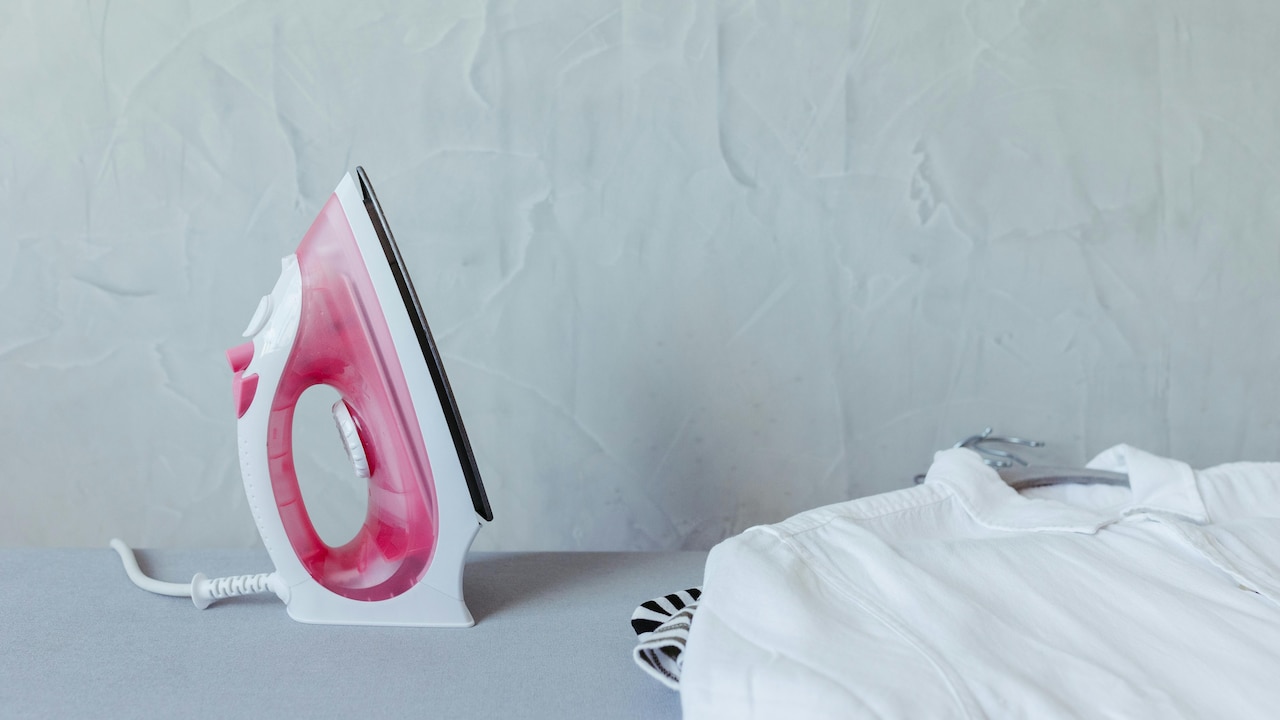
Steam Iron Leakage Continues To Frustrate Buyers: Tank Construction Is Key
Photo Credit: Pexels
Consumer Reviews Reveal Persistent Frustrations
Online marketplaces have become revealing spaces where real buyers share unfiltered experiences. Across numerous steam iron listings, leakage remains one of the most repeated complaints.
Shoppers frequently describe water dribbling after limited use, tank cracks developing unexpectedly, or anti-drip systems failing entirely. These patterns suggest systemic design concerns rather than isolated defects.
Reading consumer feedback offers valuable insight into real-world performance beyond polished promotional claims. A model praised for quick heating but criticised for leakage may ultimately create more trouble than convenience.
For households managing budgets carefully, repeated appliance replacement can become unnecessarily expensive. Reliable reviews help expose products that underperform despite attractive features.
In an era where marketing often overshadows practical quality, buyer experiences serve as a crucial defence against disappointing purchases.
The collective voice of frustrated users consistently reinforces one lesson: tank construction deserves far greater attention.
Manufacturers Must Prioritise Functional Durability
As competition intensifies, brands race to offer more features at lower prices. Unfortunately, this often shifts focus away from core durability.
Consumers do not simply need stronger steam or prettier designs. They need appliances that function reliably under everyday conditions. Investing in better tank materials, improved seals, and rigorous testing should become standard rather than optional.
Leakage issues damage not only garments but also brand trust. A reputation for poor reliability can spread rapidly through digital reviews and word-of-mouth recommendations.
Forward-thinking manufacturers that prioritise practical engineering over superficial innovation may gain stronger customer loyalty. Households increasingly value products that deliver consistency rather than unnecessary complexity.
For brands seeking lasting relevance, addressing tank construction flaws could prove a smarter strategy than endless feature inflation.
Smart Buying Decisions Begin With Better Awareness
Ultimately, consumers hold considerable power through informed purchasing choices. Understanding how tank design affects performance can prevent costly disappointments.
Before buying, shoppers should examine building materials, sealing quality, warranty terms, and authentic user reviews. Features matter, but foundational reliability matters more.
Asking practical questions can make all the difference. Does the model resist limescale? Are replacement parts accessible? Does the tank feel sturdy? These considerations may save far more frustration than choosing the cheapest or flashiest option.
Laundry may never become anyone's favourite chore, but dependable appliances can certainly make it less stressful. A well-constructed steam iron should offer smooth efficiency rather than surprise puddles.
Informed buyers can encourage manufacturers to raise standards simply by demanding better quality.
The Future Of Steam Irons Depends On Engineering, Not Hype
Technology continues evolving, but flashy innovation alone cannot solve persistent leakage issues. The future of steam irons lies in improving essential engineering.
Advanced anti-drip mechanisms, stronger composite tanks, and better pressure control systems could transform user experiences dramatically. Brands willing to invest in these practical upgrades stand to lead the market more effectively than those relying solely on promotional buzz.
Consumers increasingly recognise substance over style. Appliances that combine efficiency with robust construction will likely shape future purchasing trends.
Steam irons remain household staples, and their role is unlikely to disappear soon. However, buyers deserve products that genuinely simplify daily life.
Until manufacturers consistently prioritise tank construction, leakage frustrations may continue steaming ahead.
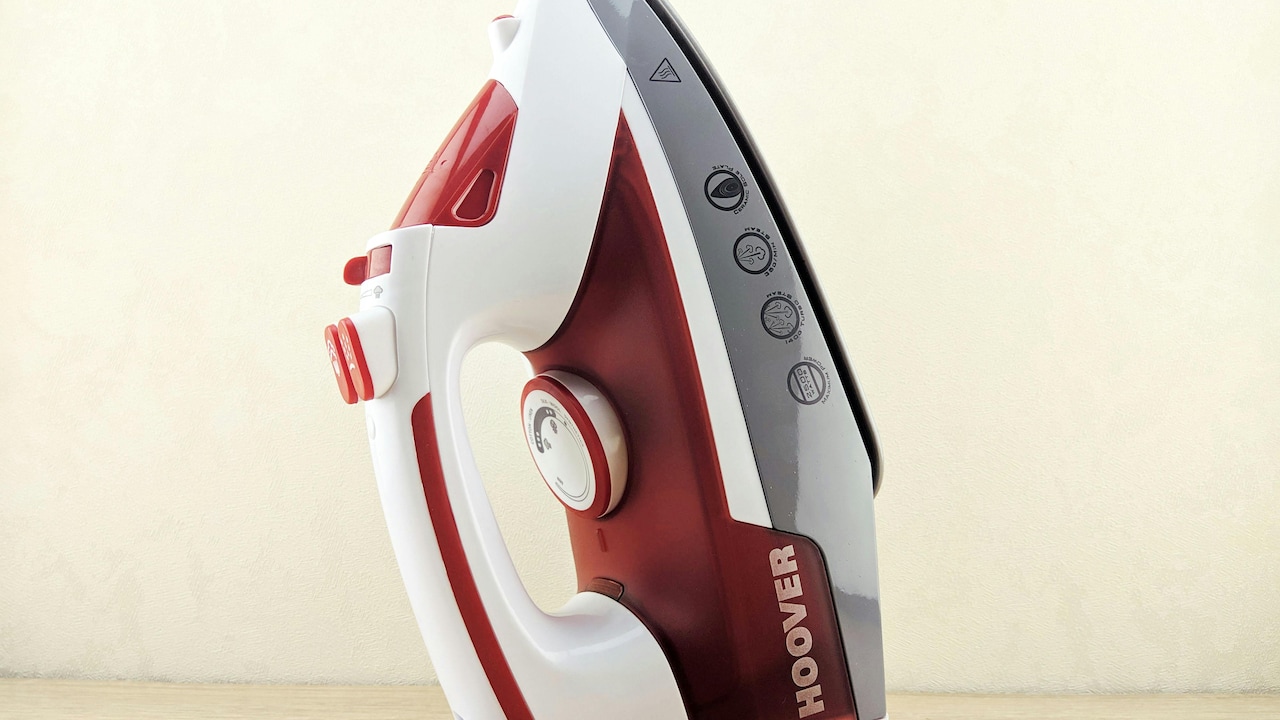
Steam Iron Leakage Continues To Frustrate Buyers: Tank Construction Is Key
Photo Credit: Pexels
Products Related To This Article
1. OWNAIR Steam Iron Handheld for Clothes
2. Bajaj MX 3 Neo Steam Iron
3. NUUK STROM GO V2 Super Compact and Lightweight Travel Garment Steamer For Clothes
4. Usha 3713 1300Watt Steam Iron with Self Cleaning Function
5. Goodscity Garment Steamer for Clothes
6. Philips Steam Iron (Gc1905/21)
7. Havells Glaze 1250 Watts Steam Iron with Self Cleaning Function
Steam iron leakage may seem like a minor household inconvenience, yet its impact reaches far beyond damp fabric. Ruined clothing, wasted money, and repeated buyer disappointment all trace back to one often-overlooked factor: tank construction.
In a market overflowing with choices, understanding what lies beneath sleek exteriors has never been more important. Durable materials, reliable seals, thoughtful engineering, and realistic functionality should define quality far more than superficial features.
For households seeking dependable performance, smarter buying starts with paying attention to construction, not just convenience. Because when it comes to steam irons, a sturdy tank is not merely a technical detail. It is the key to keeping frustration off the ironing board.
(Disclaimer: This article may include references to or features of products and services made available through affiliate marketing campaigns. NDTV Convergence Limited (“NDTV”) strives to maintain editorial independence while participating in such campaigns. NDTV does not assume responsibility for the performance or claims of any featured products or services.)