How To Stop A Hair Dryer From Making Your Hair Frizzy With The Right Heat Settings
Stop frizz at the source: use the right heat setting, strong airflow and better technique. Learn quick fixes for smoother blow-dries in humid weather, without frying your hair. So, if you are battling frizz during blow-drying? The right heat setting and technique can make all the difference.
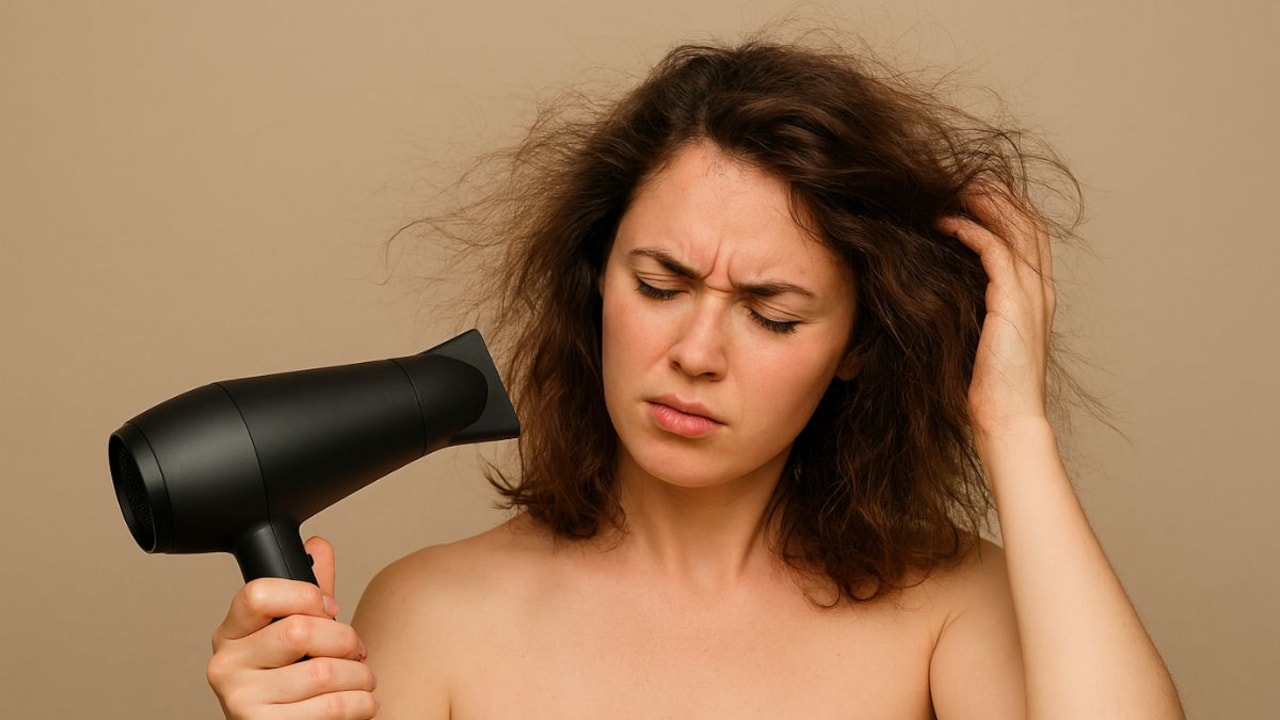
Prevent frizzy hair: Choose proper hair dryer heat settings for smooth, healthy, salon-quality results.
A hair dryer can feel like a best friend on busy mornings. Five minutes with warm air, and the day looks doable. Then frizz shows up like an uninvited guest at a family function. Hair puffs out, ends go fuzzy, and the mirror offers a rude surprise. Most people blame their hair type. The dryer gets away with everything. Frizz usually comes from mismatched heat settings and poor technique. Too much heat roughens the hair surface and makes strands lose moisture. Too little heat for too long can also cause trouble, because hair stays damp and swells in humidity.
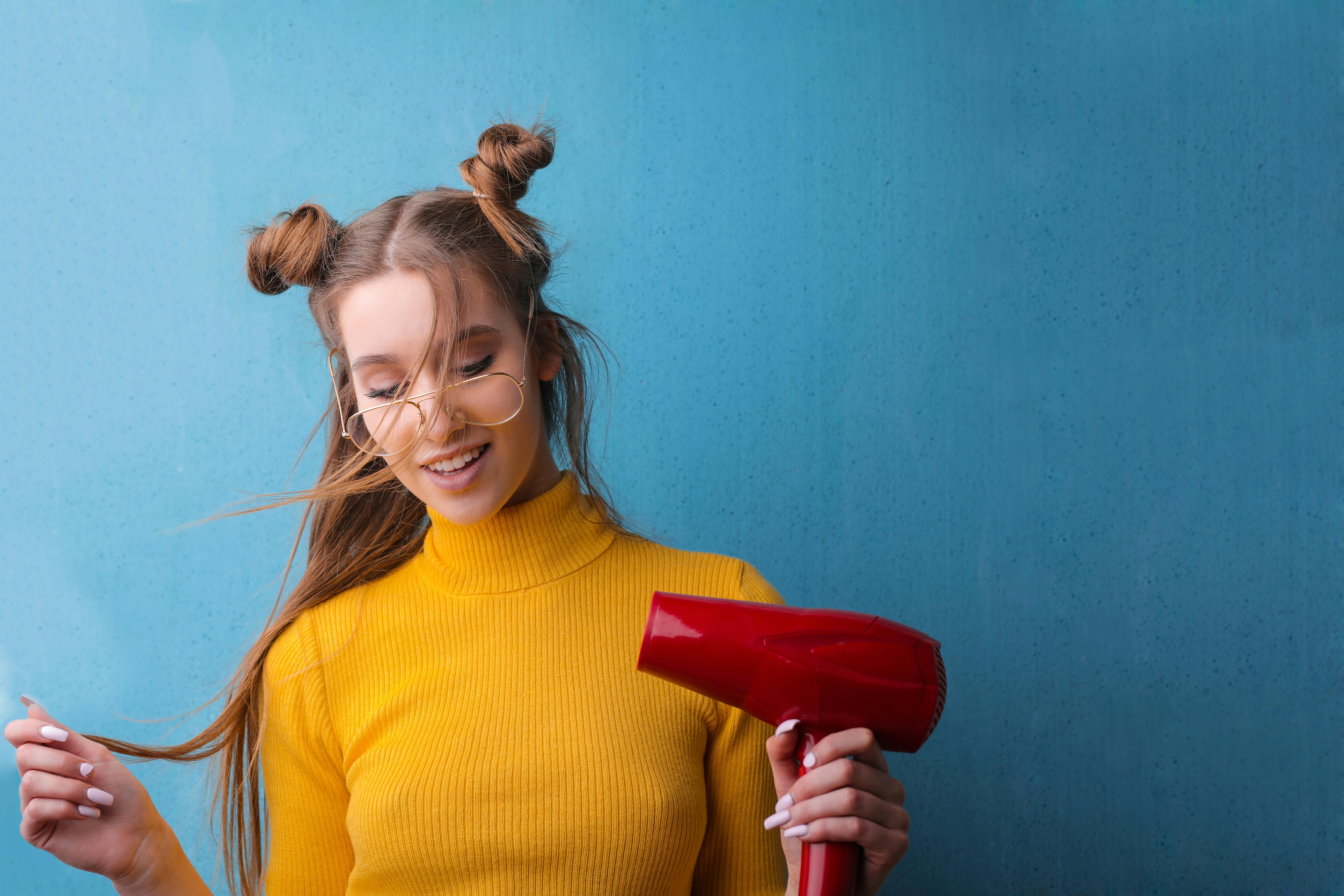
Using a hair dryer without the right technique can lead to frizz, learn how to make heat work for you.
Photo Credit: Pexels
Also Read: How To Tie Your Hair Right With Clips and Scrunchies Without Damage
The aim here stays simple: use heat like a tool, not a weapon. This article breaks down heat settings, airflow, and timing in a way that actually fits daily life. Here is all about how to stop a hair dryer from making your hair frizzy.
10 Heat-Setting Fixes That Stop Frizz While Blow-Drying
1. Choose The Right Starting Point
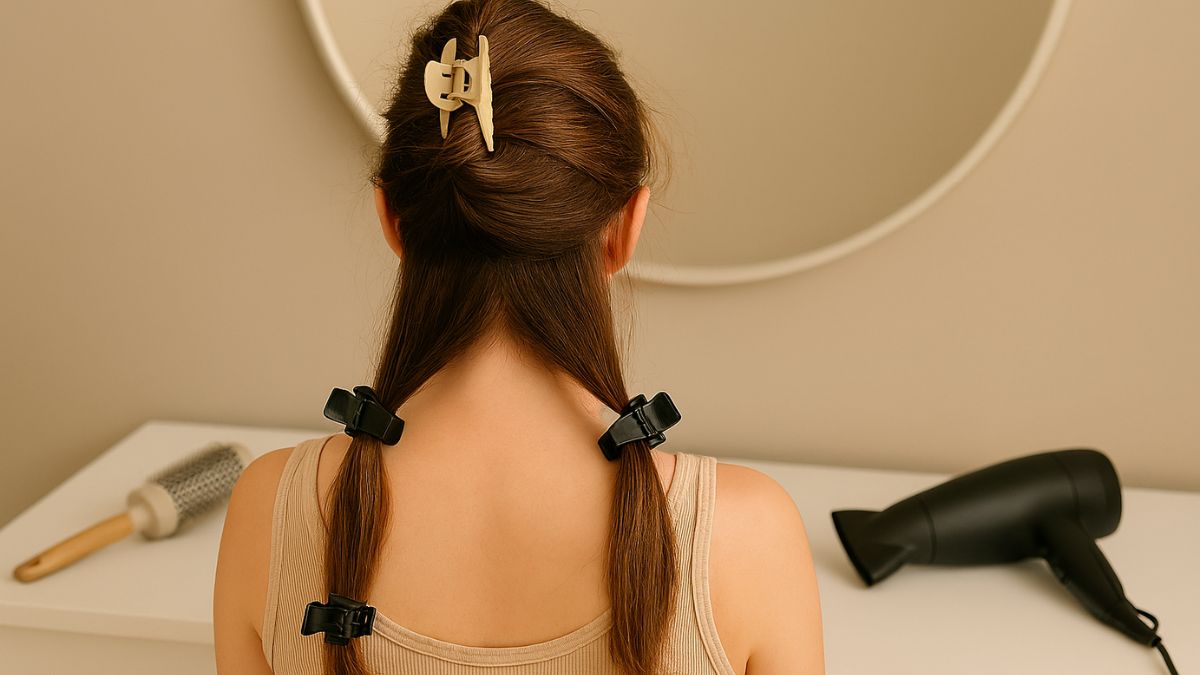
Sectioning hair before blow-drying ensures even drying and reduces frizz.
Photo Credit: Co-Pilot
Heat settings work best when hair starts at the right moisture level. When hair drips, the dryer fights a losing battle. Water sits on the surface and inside the strand. The dryer then blasts longer, and the heat stays on the hair for too long. That combination invites frizz.
After washing, squeeze hair gently from mid-length to ends. Avoid twisting like a wet towel rope. Use a soft cotton T-shirt or microfibre towel and press, then pat. Let hair sit for 10-15 minutes while getting dressed or making chai. This short pause reduces the time the dryer needs.
For thick hair, split it into two loose sections and towel-press each one. For fine hair, handle lightly, because rough towel rubbing creates tiny snags that later look like flyaways. Once hair feels damp and cool, not wet and heavy, pick up the dryer. Less drying time means less heat exposure, and frizz loses its favourite entry route.
2. Match Heat To Hair Type Like You Match Clothes To Weather
One heat setting does not suit everyone, just like one kurta does not suit every wedding event. Fine, colour-treated, or chemically-treated hair needs lower heat. Thick, coarse, or very long hair can handle medium heat, but only with good technique.
A simple rule helps: start low, then move up only if hair takes too long. Low heat with high airflow often works better than high heat with low airflow. Heat does the shaping, but airflow does most of the drying. When airflow stays strong, hair dries faster without feeling fried.
For fine hair: use low heat and medium speed. For medium hair: use medium heat and medium-to-high speed. For thick hair: use medium heat and high speed, then finish with a cooler setting. Save the hottest setting for emergencies only, like a late start before a meeting, and even then, keep the dryer moving. The goal stays steady, drying, not scorching. Hair rewards patience with shine and calm.
3. Use High Airflow First, Then Heat For Styling
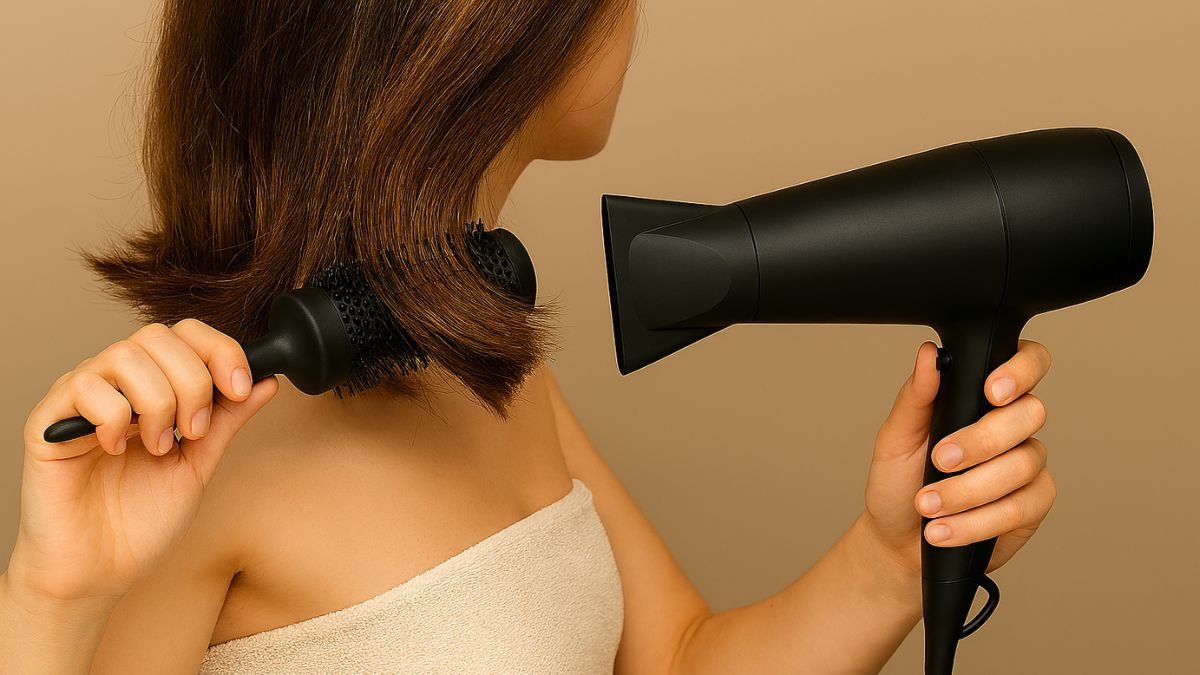
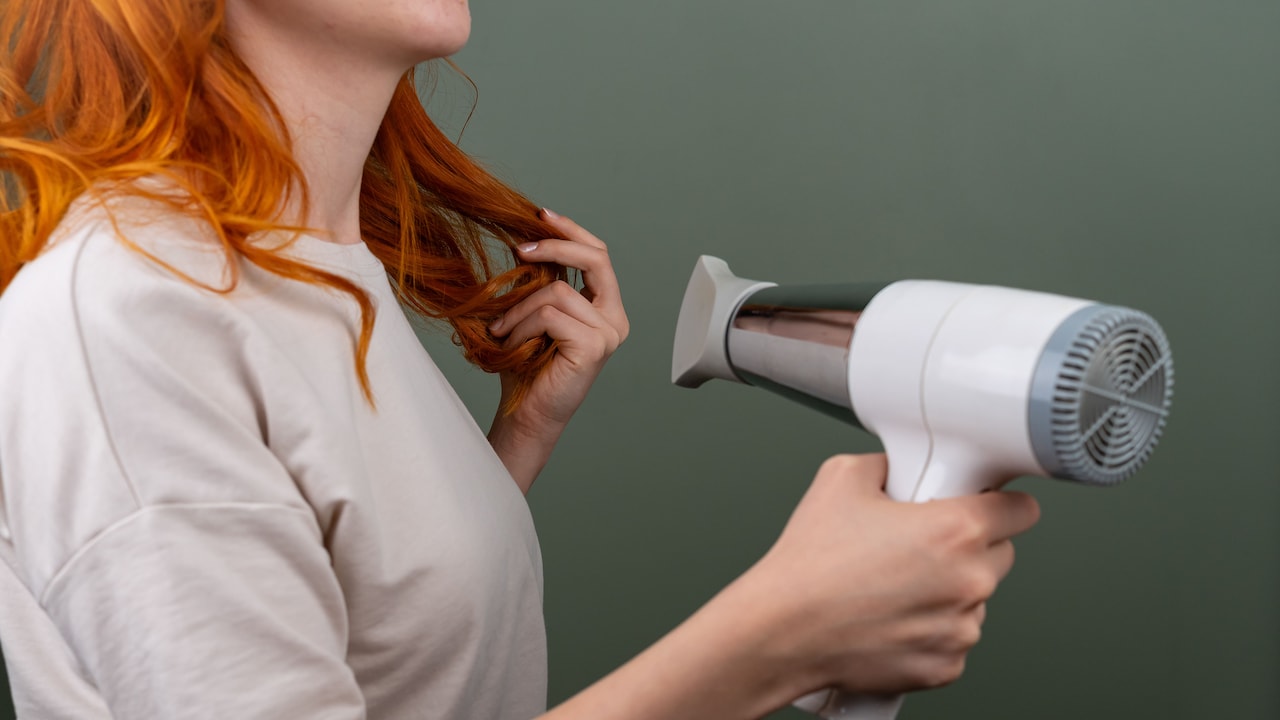
Use a concentrator nozzle and downward airflow to keep cuticles flat and frizz-free.
Photo Credit: Pexels
Many people do the opposite: high heat from the start, then panic when frizz appears. Try a smarter sequence. Use high airflow on low or medium heat to remove most moisture first. Aim for about 70–80% dryness before focusing on shape.
When hair stays very wet, each strand swells. The cuticle lifts, and hair becomes more prone to frizz. Drying to the 'mostly dry' stage quickly reduces swelling. Then hair behaves better when heat steps in for styling.
Think of it like cooking. You would not keep a full flame on delicate paneer for ten minutes. You would set the base, then adjust. Similarly, blast strong airflow at the roots first. Move around the head so one area does not overheat. Once hair stops feeling cool and damp, switch to medium heat to smooth and style. This method shortens total drying time and keeps the hair surface flatter, so it reflects light instead of frizz.
4. Keep The Dryer Moving And Respect The Distance Rule
Frizz loves a stationary dryer. When hot air focuses on one patch, hair overheats fast. Overheated hair loses moisture and looks rough. Keep the dryer moving like a gentle windshield wiper, not a drill machine.
Distance matters as much as heat settings. Hold the dryer about 15–20 cm away from the hair. Too close, and hair gets blasted. Too far, and drying takes longer, which again increases heat exposure. That sweet spot gives controlled drying without cooking strands.
Use your hand as a guide. If the air feels too hot on the back of your hand, it feels too hot on your hair. Shift to a lower heat or move the dryer slightly away. For roots, hover and move in small circles. For lengths, sweep downward from roots to ends. Hair cuticles sit like roof tiles. Downward airflow keeps those tiles lying flat. Upward airflow lifts them, and frizz pops up like it owns the place.
5. Sectioning Turns Chaos Into Order (And Saves Time)
Hair dries unevenly when it stays as one giant cloud. The top dries, the underneath stays wet, and you keep adding heat until everything feels dry. By then, the top has already suffered. Sectioning fixes this fast.
Split hair into four parts: two at the front, two at the back. Clip each section. Start with the lower back area. It holds moisture longest and often gets ignored. Dry roots first, then lengths. Move section by section, like a neat to-do list.
This approach lets you use lower heat because drying becomes more efficient. It also improves smoothness because you can direct airflow properly. When sections stay smaller, the dryer's nozzle and brush can guide hair in one direction. That reduces tangles and flyaways. Even on rushed mornings, sectioning saves time. It feels like extra work for ten seconds, then it rewards you for the next ten minutes. Hair looks calmer, and the dryer does less damage.
6. Nozzle, Diffuser, And Direction: Small Tools, Big Difference
Attachments often sit unused in the box like a forgotten freebie. Yet the nozzle can change the whole frizz story. A concentrator nozzle narrows airflow, so you control direction. Controlled direction means smoother cuticles and less frizz.
Use the nozzle for straight or wavy hair when aiming for sleekness. Point airflow down the hair shaft. Pair it with a brush or even just fingers to keep strands aligned. For curls, use a diffuser. It spreads air gently, protects curl shape, and reduces frizz caused by rough airflow. Keep the heat on low or medium and the speed on low. Curls like gentler drying.
Avoid drying with no attachment if frizz bothers you. Bare airflow can scatter strands everywhere. That creates a fluffy halo that looks cute only in cartoons. Also, avoid pointing the dryer upward to get volume. Volume can happen with technique and root lifting, without turning hair into a frizz festival. Direction and attachments help you get both shape and shine.
7. Heat Protectant: Treat It Like Sunscreen For Hair
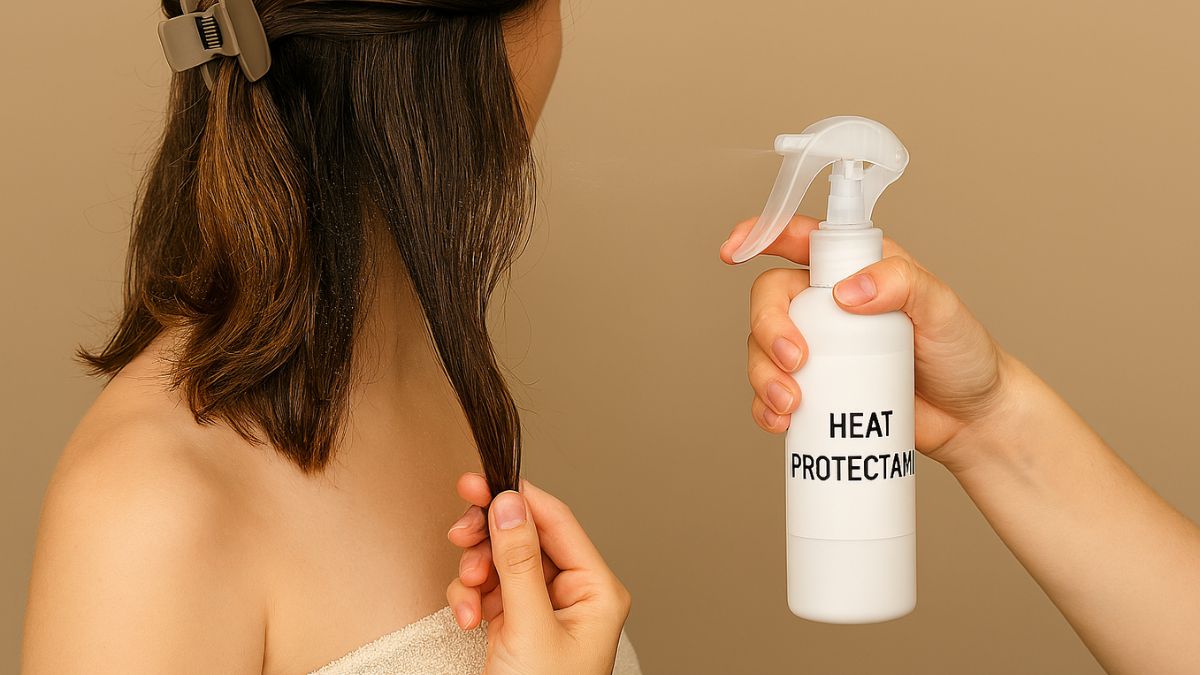
Heat protectant acts like sunscreen for your hair, don't skip this step.
Photo Credit: Co-Pilot
Heat protectant sounds optional until frizz becomes a daily complaint. Heat lifts the cuticle and weakens the surface of hair. A protectant forms a light barrier, reduces moisture loss, and helps strands stay smoother.
Pick a formula that matches hair texture. Fine hair usually prefers a light spray. Thick or dry hair may like a cream or serum. Use a coin-sized amount for medium-length hair. Apply to damp hair before drying, focusing on mid-lengths and ends. Avoid overloading roots, or hair may look flat and oily.
In humid weather, look for products that also mention anti-humidity or smoothing. On budget days, even a simple leave-in conditioner can reduce roughness before drying. Still, avoid heavy oils before blow-drying, because oil can heat up and create a 'fry' effect on the hair surface.
Consistency matters. One day of protection will not undo months of rough drying. Use it often, and hair starts behaving better over time, with fewer flyaways and more shine.
8. Brush And Technique: Let The Tool Do The Smoothing
Heat settings help, but the brush decides the finish. A good brush keeps tension and guides hair straight, so heat and airflow smooth the cuticle. For straight and wavy hair, try a medium round brush or a paddle brush. For curls, skip brushing when dry; use fingers or a wide-tooth comb on damp hair instead.
Work with small sections and keep gentle tension. Pull the brush down while following with the dryer from above. That 'dryer above, brush below' alignment matters. It keeps airflow downward and strands controlled.
If wrists get tired, reduce the heat rather than rushing with harsh movements. Rushed brushing causes snags. Snags lead to broken strands. Broken strands become frizz that refuses to settle.
For bangs or face-framing pieces, use lower heat and shorter bursts. These sections sit in the spotlight and often get heat. A little care here changes the whole look. Proper brushing plus controlled heat creates a polished finish without needing salon-level effort.
9. Finish With Cool Air: Lock In Smoothness Without Extra Products
The cool shot button exists for a reason, yet many people treat it like a decorative feature. Cool air helps set the shape and reduce frizz by bringing the hair's surface temperature down. When hair cools in the style you want, it holds better.
After each section looks dry and smooth, give it 5–10 seconds of cool air. This step matters even more in humid conditions. Hair tends to absorb moisture from the air. Cooling helps the style stay stable for longer.
If the dryer lacks a cool shot, drop to the lowest heat setting at the end, and keep airflow moving. Then let the hair sit untouched for a minute. Avoid immediately tying hair up or stuffing it under a helmet. That creates friction and dents, and frizz returns fast.
To finish, use a tiny drop of lightweight serum or a smoothing cream on ends only. Think 'less is more. Too much product turns hair greasy, and you end up washing again, which restarts the whole cycle.
10. Your Dryer, Your Routine: Maintenance And Habits That Prevent Frizz
Even the best heat settings will struggle if the dryer and routine work against you. Clean the filter regularly. A clogged filter reduces airflow, forces you to use higher heat, and makes drying slower. That extra time equals extra frizz. Check the back of the dryer once a week, especially if hair sheds a lot.
Also consider water and washing habits. Hard water can make hair rough. A clarifying shampoo once every few weeks can remove build-up. Then the conditioner can actually do its job. Use a good conditioner and rinse well. Product residue can make hair feel coated and frizzy at the same time, which feels unfair but happens often.
Sleep habits matter too. A cotton pillowcase can create friction and flyaways. A satin pillowcase or a satin scarf can help. During hectic weeks, a quick routine still works: towel-press, protectant, high airflow first, medium heat for styling, cool shot to finish. These habits feel small, but they stack up like good savings. Over time, hair looks smoother without expensive fixes.
Products Related To This Article
1. Philips ThermoProtect HP8100/60 Hair Dryer Quick Drying 1000W
2. Havells HD1901 Travel Friendly 1200W Hair Dryer
3. WINSTON Hair Dryer Foldable And Travel Friendly For Hair Styling with 3 Heat Settings Mode
4. Agaro 1100 Watts Hair Dryer HD
5. Beurer Black HC25 1600 Watt Travel Hair Dryer
Frizz does not mean hair has 'problems'. It often means heat settings and technique need a small upgrade. The dryer works best when you start with damp hair, use strong airflow, and keep the heat sensible. Medium heat often beats high heat, especially when sectioning and directional drying join the plan. Attachments, a heat protectant, and a cool finish add polish without extra drama. Treat the hair dryer like a styling partner, not a shortcut machine. Use it with intention, and frizz starts showing up less often.
(Disclaimer: This article may include references to or features of products and services made available through affiliate marketing campaigns. NDTV Convergence Limited (“NDTV”) strives to maintain editorial independence while participating in such campaigns. NDTV does not assume responsibility for the performance or claims of any featured products or services.)