Inverter AC vs Non-Inverter AC: When The 'Energy Saving' Claim Actually Fails
Inverter ACs promise big savings, but that’s not always true. From usage habits to room conditions, here’s when the “energy-efficient” claim fails, and why your electricity bill may not agree.
Things to know about inverter vs non-inverter AC for energy savings
Walk into any electronics store in peak summer, and the pitch sounds almost rehearsed. “Sir, inverter AC le lijiye. Bijli ka bill half ho jayega.” The promise feels irresistible, especially when temperatures flirt with 40°C and the ceiling fan begins to feel like decoration rather than relief. Inverter air conditioners have built a reputation around efficiency, intelligence, and long-term savings. Non-inverter models, on the other hand, carry the tag of being old-school, noisy, and power-hungry. But reality often tells a more complicated story.
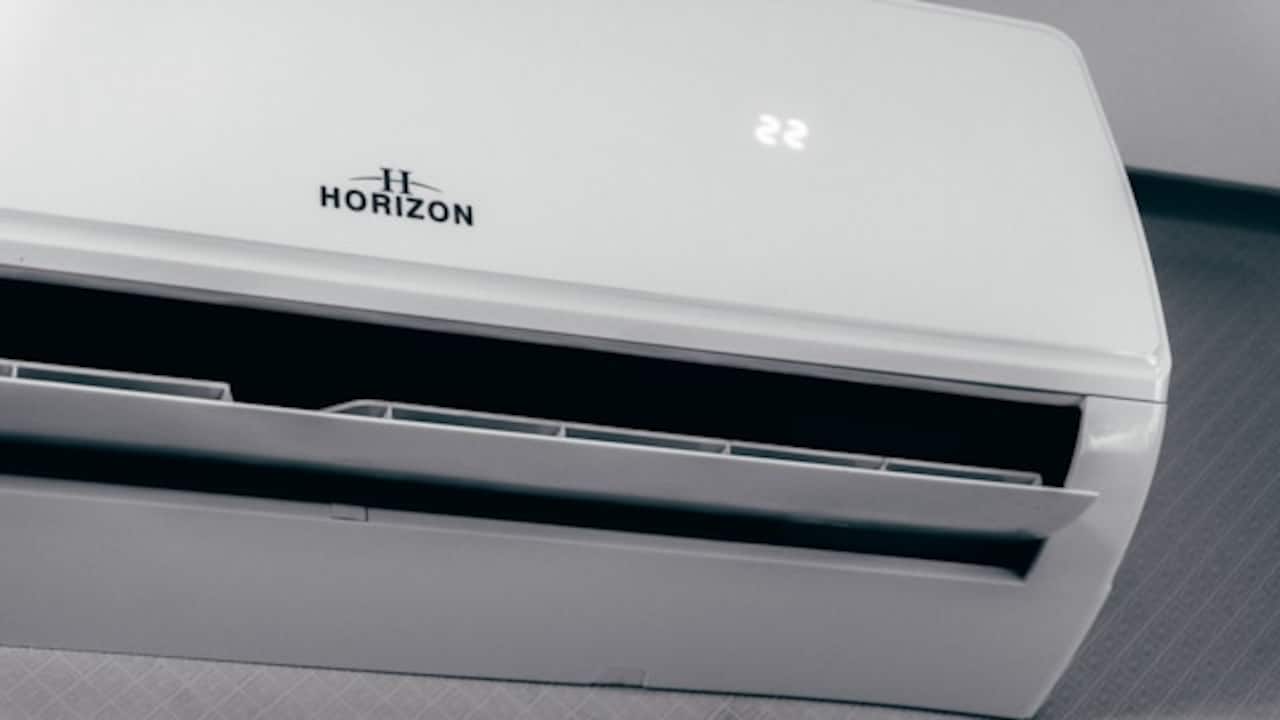
Inverter vs non-inverter ACs for energy savings; Photo Credit: Unsplash
Many households invest in inverter ACs expecting dramatic drops in electricity bills, only to see marginal changes, or worse, unexpected spikes. Conversations in living rooms, office pantries, and even WhatsApp groups often circle back to the same question: “If inverter ACs are so efficient, why isn't the bill reflecting it?”
The truth lies not in the marketing brochures but in how these machines are actually used. Efficiency depends on habits, environment, installation, and expectations. When these don't align, the “energy-saving” advantage quietly fades away.
Let's explore when the inverter AC's biggest promise begins to crumble.
Also Read: Smart Cooling Picks: Top 5 Split Inverter ACs Under ₹40,000 For Home
When Energy Efficiency Doesn't Go As Planned
The Myth Of Constant Savings
The biggest misconception about inverter ACs is that they always save electricity, regardless of how they are used. The idea sounds simple: inverter technology adjusts compressor speed instead of switching it on and off, which should mean less power consumption.
However, this benefit only shows up under specific conditions.
In homes where the AC runs for short bursts, say an hour or two at night, the inverter's advantage barely kicks in. The compressor doesn't get enough time to stabilise at lower speeds. Instead, it keeps ramping up and down, consuming energy in the process. In such cases, a non-inverter AC, with its straightforward on-off mechanism, may end up using similar or even less electricity.
Think of it like driving in heavy traffic. A car designed for highway efficiency won't deliver the same mileage when stuck in stop-and-go conditions. The same principle applies here.
So, when usage patterns don't match the technology's strengths, the expected savings remain more theory than reality.
When Room Size And AC Capacity Don't Match
Choosing the wrong AC capacity is one of the most common mistakes, and it quietly sabotages energy efficiency.
An inverter AC installed in a room that's too large for its capacity works overtime to maintain the desired temperature. Instead of settling into a steady, energy-saving mode, the compressor keeps running at higher speeds. The result? Increased power consumption and uneven cooling.
On the flip side, an oversized AC cools the room quickly but shuts down before removing humidity properly. This leads to discomfort, prompting frequent adjustments, which again affects efficiency.
In many households, the decision is often based on budget rather than room size. A ₹30,000 model may seem attractive compared to a ₹45,000 one, but the long-term cost of inefficient cooling often outweighs the initial savings.
Inverter technology thrives on balance. When that balance is disrupted, the “smart” system behaves no better than a conventional one.
Poor Insulation Cancels Efficiency
Even the most advanced inverter AC struggles in a poorly insulated room.
Rooms with large windows, thin curtains, or constant sunlight exposure act like heat traps. Add to that gaps around doors or windows, and the cool air escapes as quickly as it is generated. The AC keeps working harder to maintain the set temperature, increasing energy consumption.
In such scenarios, the compressor rarely slows down. It remains in a high-performance mode, defeating the purpose of inverter technology.
Imagine trying to cool a room while someone keeps leaving the door open. No matter how powerful the AC is, it can't keep up.
Simple fixes, like thicker curtains, sealing gaps, or even adding reflective films to windows, can make a noticeable difference. Without these, the inverter AC's efficiency claim becomes more of a marketing line than a lived experience.
Frequent Temperature Changes Increase Consumption
The remote control often becomes a tool for constant tweaking. One moment it's set to 24°C, then dropped to 20°C, then nudged back up.
Each adjustment forces the inverter AC to react, increasing compressor activity. Instead of maintaining a steady state, the system keeps chasing new targets. This repeated ramping up consumes more electricity than maintaining a consistent temperature.
Non-inverter ACs, while less sophisticated, don't face this issue in the same way. Their operation remains relatively predictable, regardless of frequent changes.
The irony is subtle. The smarter the machine, the more it demands disciplined usage. Without it, the very feature designed to save energy ends up doing the opposite.
High Ambient Temperatures Push Limits
In regions where summer temperatures soar above 40°C, inverter ACs often struggle to deliver their promised efficiency.
These systems are designed to adjust compressor speed based on indoor conditions, but when the outside heat becomes extreme, the compressor operates near maximum capacity for longer durations. The “variable speed” advantage becomes less relevant because there's little room to slow down.
In such cases, both inverter and non-inverter ACs consume significant power. The difference in efficiency narrows, sometimes to the point of being negligible.
It's a bit like expecting a marathon runner to maintain peak efficiency while sprinting uphill in scorching heat. The conditions simply don't allow it.
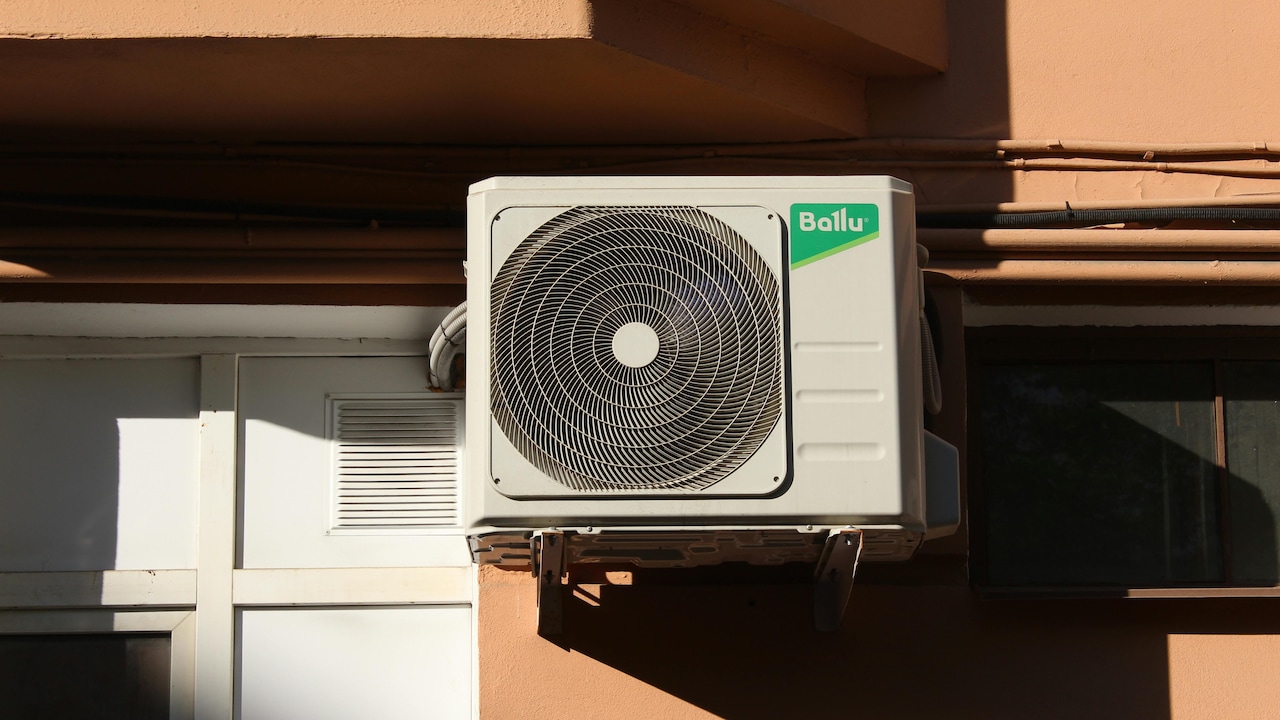
Inverter ACs can struggle in regions with 40 degree celsius temperature; Photo Credit: Unsplash
Maintenance Neglect Undermines Performance
An AC, regardless of its type, depends heavily on maintenance.
Clogged filters, dirty coils, and low refrigerant levels force the system to work harder. In inverter ACs, this disrupts the delicate balance required for efficient operation. The compressor compensates by running longer or faster, increasing electricity usage.
Many households delay servicing until a problem becomes obvious. By then, efficiency has already taken a hit.
Regular maintenance might seem like an added expense, ₹1,000 to ₹2,000 per service, but skipping it often leads to higher electricity bills and reduced lifespan.
Efficiency isn't just about technology. It's about care.
Initial Cost Vs Actual Savings
Inverter ACs come with a higher upfront cost. The expectation is that lower electricity bills will offset this over time.
However, when usage patterns, room conditions, and maintenance don't align, the savings may not justify the initial investment. A household might spend ₹10,000 to ₹15,000 more on an inverter model but recover only a fraction of that through reduced bills.
This doesn't mean inverter ACs are a bad choice. It simply means the return on investment depends on how well the conditions support their strengths.
Without that alignment, the financial advantage becomes less convincing.
Short Usage Cycles Reduce Efficiency
In homes where the AC is used sporadically, an hour in the afternoon, another hour at night, the inverter system doesn't get enough time to operate efficiently.
The initial phase of cooling consumes more power as the compressor works harder to reach the set temperature. If the AC is switched off soon after, it never enters the energy-saving phase.
Non-inverter ACs, despite their simpler design, may perform just as efficiently in such scenarios.
The pattern is clear. Inverter ACs reward long, steady usage. Short bursts, on the other hand, dilute their advantage.
Installation Quality Matters More Than Expected
A poorly installed AC can quietly drain efficiency.
Improper placement of the indoor unit, incorrect piping, or inadequate sealing can all affect performance. In inverter ACs, where precision matters, these issues become even more significant.
For instance, a longer-than-recommended pipe length increases the load on the compressor. Similarly, poor drainage or uneven mounting can disrupt airflow.
Many buyers focus on the brand and features but overlook installation quality. Yet, this is where the foundation of efficiency is laid.
A well-installed non-inverter AC can sometimes outperform a poorly installed inverter model.
User Behaviour Makes Or Breaks Efficiency
At the heart of it all lies one simple factor: behaviour.
Leaving doors open, setting extremely low temperatures, skipping maintenance, or switching the AC on and off repeatedly these habits undermine efficiency.
Inverter ACs are designed to work with consistency. They reward steady settings, closed spaces, and mindful usage.
Without these, the technology can't deliver on its promise.
It's less about the machine and more about how it's used.
Products Related To This Article
1. Panasonic 1.5 Ton 5 Star,New Star rated
2. Daikin 0.8 Ton 2 Star, New Star rated,Fixed Speed Split AC
3. Lloyd 0.8 Ton 3 Star Inverter Split AC (6 in 1 Convertible
4. IFB Model Silver Plus Smart Series 1.5 Ton 5 Star In-built Wifi Split AC with HD Compressor, AI
5. Carrier 1.5 Ton 5 Star, New Star rated, Flexicool Inverter Split AC
The debate between inverter and non-inverter ACs isn't as straightforward as marketing campaigns suggest.
Inverter ACs do offer genuine advantages, but only when conditions support them. Long usage hours, proper insulation, correct sizing, and disciplined habits allow them to shine. Without these, the gap between the two narrows significantly.
The real takeaway is simple. No technology guarantees savings on its own. Efficiency is a partnership between the machine and its environment.
So, before blaming the AC, or praising it, it's worth looking at the bigger picture. Sometimes, the problem isn't the promise. It's how that promise is being put to use.
(Disclaimer: This article may include references to or features of products and services made available through affiliate marketing campaigns. NDTV Convergence Limited (“NDTV”) strives to maintain editorial independence while participating in such campaigns. NDTV does not assume responsibility for the performance or claims of any featured products or services.)