Water Purifier Confusion? RO vs UV vs UF Based On Your Area's Water Quality
Confused between RO, UV, and UF? The right water purifier depends on your water quality, not price. This is a simple guide to choosing the best option for safe, healthy drinking water at home.
Water Purifier Confusion? RO vs UV vs UF Based On Your Area's Water Quality
A glass of water looks harmless. Clear, odourless, and refreshing, at least at first glance. Yet, beneath that clarity can hide dissolved salts, bacteria, or even heavy metals. That is where the confusion begins. Walk into any appliance store or scroll through online options, and the choices feel overwhelming. Salespeople often push expensive models, while neighbours swear by whatever sits on their kitchen counter.
The real question, however, is rarely asked: what kind of water flows into the home?
Municipal supply in one area might be treated and relatively safe, while borewell water in another locality could carry high levels of dissolved solids. Tanker water, a common backup in many cities, adds another layer of unpredictability. Without understanding this, choosing between RO, UV and UF becomes guesswork.
This article cuts through that noise. It breaks down each purification technology, ties it to real-life scenarios, and explains how geography, infrastructure, and lifestyle influence the right choice. Because when it comes to drinking water, guesswork is a luxury no household can afford.
Water Purifier Confusion? RO vs UV vs UF Based On Your Area's Water Quality
Photo Credit: Unsplash
Choosing The Right Water Purifier For Your Home
Understanding Your Water Source Before Choosing Any Purifier
Before comparing technologies, it helps to pause and examine the source of water itself. Municipal supply, borewell, tanker deliveries, or a mix of all three, each brings a different set of challenges. In many urban apartments, water switches between sources depending on availability. One week it might be treated municipal water, and the next, tanker water with questionable quality.
Borewell water often contains high Total Dissolved Solids (TDS). This includes minerals like calcium and magnesium, which can make water taste salty or leave residue on utensils. Tanker water can vary wildly, sometimes appearing clean but carrying contaminants invisible to the naked eye.
Municipal water, while treated, travels through ageing pipelines. This journey may introduce impurities again. The result is water that seems safe but still needs additional purification.
Testing water is not an extravagant step. A simple TDS meter, costing around ₹300–₹500, provides a quick snapshot. Professional lab tests, priced between ₹1,500 and ₹3,000, offer deeper insights. Knowing whether the concern lies in dissolved salts, microbial contamination, or both changes the entire approach.
Skipping this step often leads to overspending or underprotecting. A household might install an expensive RO system unnecessarily or rely on UV when dissolved impurities remain untouched. Understanding water is the foundation; everything else builds on it.
What Is RO, and When Does It Become Essential
Reverse Osmosis, or RO, often carries the reputation of being the “premium” choice. But its value lies not in price, but in function. RO works by forcing water through a semi-permeable membrane that removes dissolved salts, heavy metals, and harmful chemicals.
This makes it particularly useful in areas where TDS levels exceed 300 ppm. Borewell water, common in many residential pockets, typically falls into this category. RO ensures that excess minerals and contaminants are filtered out, making water safer and more palatable.
However, RO is not without drawbacks. It wastes water during the filtration process, which can be a concern in regions already facing water scarcity. Additionally, it strips away essential minerals, often requiring a remineralisation stage to restore taste and balance.
There is also a misconception that RO is universally better. In areas with low TDS, using RO can actually reduce water quality by removing beneficial minerals unnecessarily. It becomes an expensive solution to a problem that does not exist.
RO shines when the challenge is chemical contamination or high dissolved solids. Without those issues, its advantages diminish. Understanding this prevents both over-dependence and misuse.
Also Read: Air Fryer Buyers Regret This One Feature Most: Here Is What To Check Before Buying
UV Purification: The Silent Defender Against Microbes
Ultraviolet purification, or UV, takes a completely different approach. Instead of removing impurities, it neutralises harmful microorganisms. UV light disrupts the DNA of bacteria and viruses, preventing them from multiplying and causing illness.
This makes UV particularly effective in areas where water appears clear but carries microbial risks. Municipal water, despite treatment, can pick up contaminants during distribution. UV acts as a safety net in such cases.
Unlike RO, UV does not alter the taste or mineral content of water. It simply ensures that the water is biologically safe. This makes it suitable for areas with low TDS levels, where dissolved impurities are not a concern.
However, UV has limitations. It does not remove dissolved salts, heavy metals, or chemical contaminants. If the water contains these, UV alone cannot address the issue. Additionally, UV systems require electricity to function, which can be a drawback during power cuts.
UV works best as a targeted solution. It is ideal when the primary concern is microbial contamination, not chemical or mineral imbalance. In many cases, it pairs well with other technologies to create a more comprehensive purification system.
UF Technology: The Underrated Middle Ground
Ultrafiltration, or UF, often receives less attention, yet it plays a crucial role in certain scenarios. UF uses a membrane to physically block bacteria, cysts, and suspended particles. Unlike UV, it does not rely on electricity, making it reliable even during power outages.
UF systems are particularly effective in areas with low TDS but visible impurities or microbial concerns. They act as a physical barrier, ensuring that contaminants do not pass through.
One of UF's strengths lies in its simplicity. It retains essential minerals while removing harmful particles. This makes it suitable for households that rely on relatively clean water sources but still need an added layer of protection.
However, UF cannot remove dissolved salts or chemicals. In regions where TDS levels are high, UF alone is insufficient. It is best seen as a complementary technology rather than a standalone solution in challenging water conditions.
UF also requires regular maintenance to prevent clogging. The membrane must be cleaned or replaced periodically to maintain efficiency.
In the right context, UF offers a balanced, cost-effective option. It proves that not every solution needs to be complex or expensive to be effective.
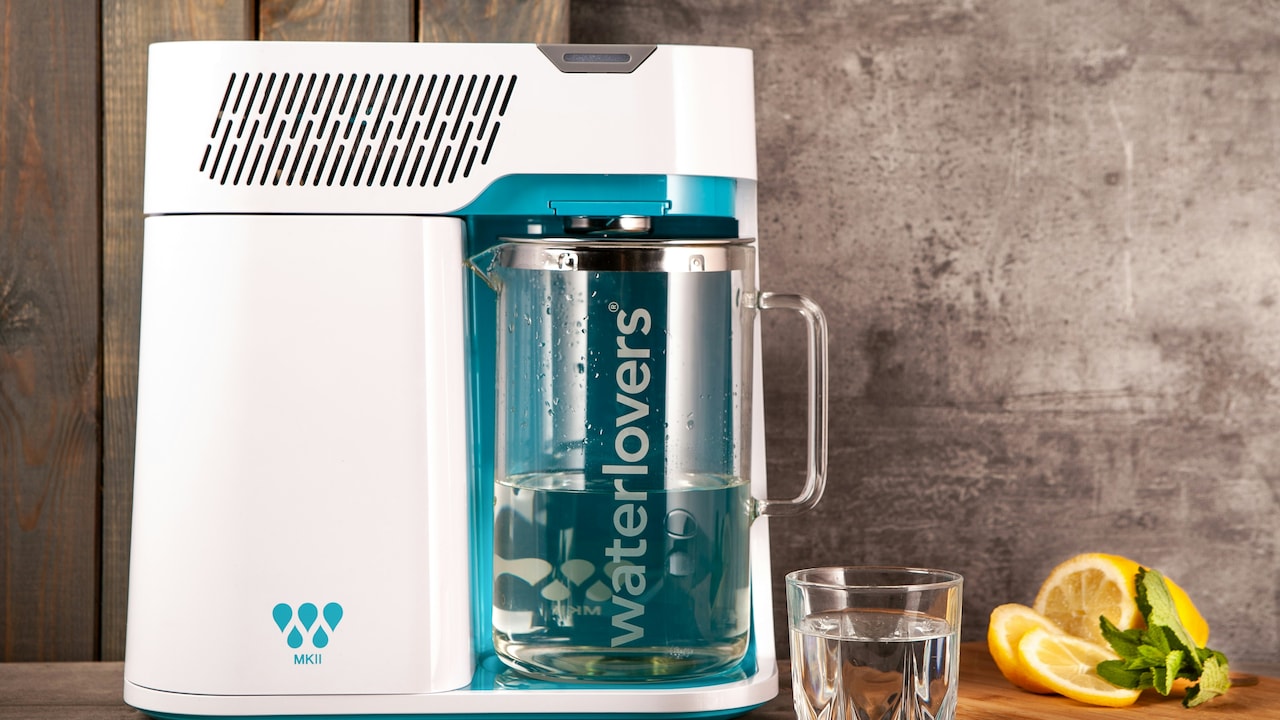
Water Purifier Confusion? RO vs UV vs UF Based On Your Area's Water Quality
Matching Purifier Technology With TDS Levels
TDS, or Total Dissolved Solids, acts as a guiding metric when choosing a purifier. It measures the concentration of dissolved substances in water, providing a clear indication of its quality.
When TDS levels fall below 200 ppm, water is generally considered safe in terms of dissolved solids. In such cases, UV or UF systems are sufficient. They address microbial and particulate concerns without altering mineral balance.
For TDS levels between 200 and 500 ppm, the choice becomes more nuanced. Water may still be acceptable, but additional purification can improve taste and safety. A combination of UV and UF often works well here.
When TDS exceeds 500 ppm, RO becomes essential. At this level, dissolved salts and potential contaminants require removal. RO ensures that water is not only safe but also pleasant to consume.
Blindly choosing a purifier without checking TDS often leads to mismatched solutions. A household might invest ₹15,000–₹25,000 in an RO system when a simpler UV unit costing ₹6,000–₹10,000 would suffice.
Understanding TDS turns confusion into clarity. It transforms the decision from a guessing game into a calculated choice.
The Reality Of Mixed Water Sources In Urban Homes
Many households do not rely on a single water source. Apartments often switch between municipal supply and tanker water, depending on availability. This creates a fluctuating quality that complicates purification.
One day, water might have low TDS and minimal contamination. The next step could carry higher levels of dissolved solids or microbial risks. A purifier must handle this variability without compromising safety.
In such scenarios, combination systems become practical. RO + UV or RO + UV + UF units offer flexibility, addressing multiple types of impurities simultaneously. While they cost more upfront, typically between ₹12,000 and ₹30,000, they provide consistent protection.
However, combination systems also require regular maintenance. Filters, membranes, and UV lamps need periodic replacement, adding to long-term costs.
Choosing a purifier for mixed sources involves balancing versatility with maintenance. It is not about choosing the most advanced system, but the one that adapts best to changing conditions.
Cost Versus Value: Avoiding Over-Spending
Water purifiers range widely in price, from basic UF units under ₹5,000 to advanced RO systems exceeding ₹25,000. The temptation often lies in equating higher cost with better quality.
Yet, the value of a purifier depends entirely on its suitability. Installing an expensive RO system in a low-TDS area offers little benefit. It may even degrade water quality by removing essential minerals.
On the other hand, choosing a cheaper UV system in a high-TDS area leaves dissolved contaminants untreated. This compromises safety despite saving money initially.
Maintenance costs also matter. RO systems require periodic membrane replacement, costing ₹2,000–₹5,000 annually. UV lamps and UF filters add their own expenses.
A well-matched purifier delivers value, not just features. It aligns with the water's needs, ensuring safety without unnecessary expenditure. Spending wisely often means spending less, not more.
Taste, Health, And The Role Of Minerals
Water taste often sparks debate. Some prefer the crisp, light taste of RO water, while others find it flat. This difference comes down to mineral content.
Natural minerals like calcium and magnesium contribute to both taste and health. Removing them entirely can make water less satisfying and potentially less beneficial.
Modern RO systems often include mineral cartridges to restore balance. This ensures that water retains essential nutrients while remaining safe.
In areas with low TDS, preserving natural minerals becomes important. UV or UF systems maintain this balance, offering a more natural taste.
Health considerations extend beyond taste. Long-term consumption of demineralised water may not provide the same benefits as mineral-rich water.
Choosing a purifier involves more than safety. It also affects daily experience and long-term well-being. A balanced approach ensures that water remains both safe and enjoyable.
Maintenance: The Hidden Responsibility
A water purifier is not a one-time purchase. It requires ongoing care to function effectively. Filters clog, membranes wear out, and UV lamps lose intensity over time.
Ignoring maintenance can turn even the best purifier into a liability. Contaminants may bypass worn components, compromising water quality.
Service schedules vary by technology. RO systems typically need annual maintenance, while UV and UF systems may require less frequent attention. Costs can range from ₹1,000 to ₹5,000 per year, depending on usage and model.
Choosing a purifier also means committing to its upkeep. A slightly more expensive system with easier maintenance may prove more convenient in the long run.
Regular servicing ensures consistent performance. It keeps water safe and extends the lifespan of the purifier. Neglecting this aspect often leads to unexpected issues and additional expenses.
Common Myths That Create Confusion
Several myths cloud the decision-making process. One common belief is that RO is always superior. In reality, it is only necessary for high-TDS water.
Another misconception is that clear water is safe water. Many contaminants remain invisible, making appearance an unreliable indicator.
Some believe that boiling water replaces the need for purification. While boiling kills microbes, it does not remove dissolved salts or chemicals.
There is also a tendency to follow neighbours' choices. However, water quality can vary significantly even within the same locality. What works for one household may not suit another.
Breaking these myths simplifies the decision. It shifts focus from assumptions to facts, making the choice more informed and effective.
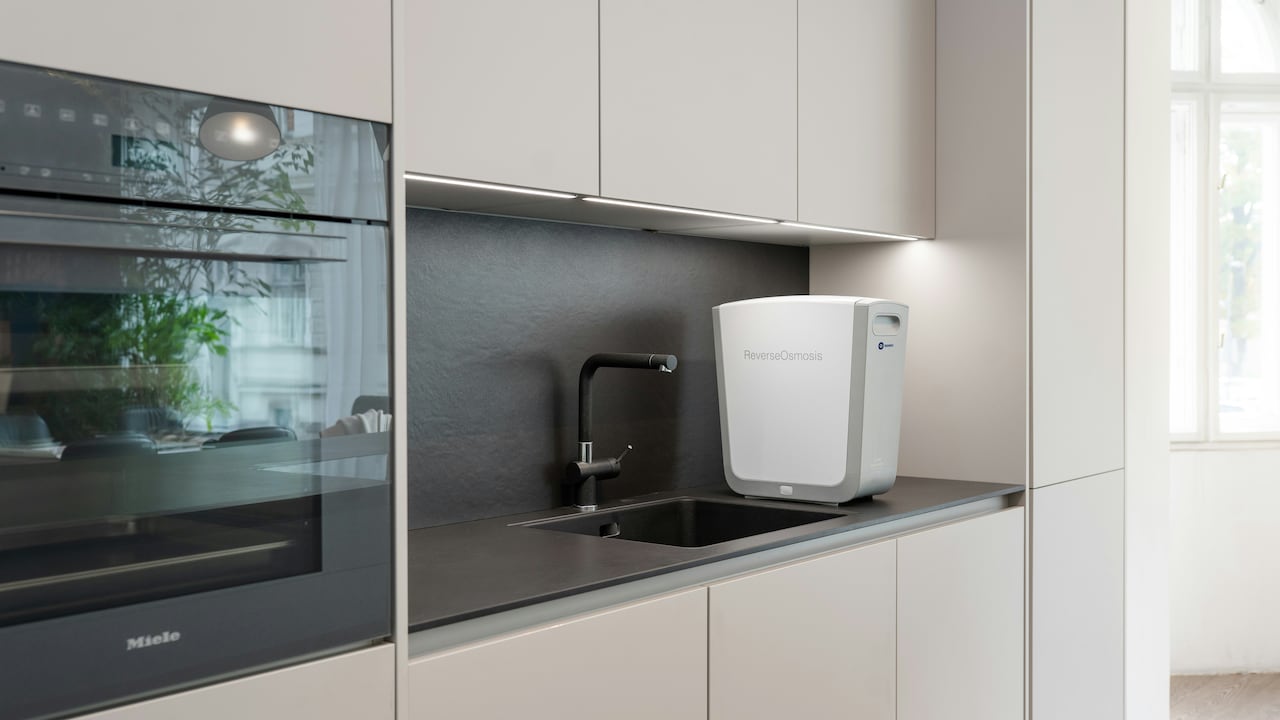
Water Purifier Confusion? RO vs UV vs UF Based On Your Area's Water Quality
Photo Credit: Unsplash
Products Related To This Article
1. Havells Aquas Pro 7L Water Purifier
2. AQUA D PURE 4 in 1 Copper RO Water Purifier with 10 Stage Purification Filtration
3. Aquaguard Sure Delight RO+MC 1X Water Purifier
4. Pureit Revito RO+MF+Mineral+UV in-Tank
5. Native by Urban Company M1 RO+UV+Copper+Alkaline+Mineraliser
Water purification is not about choosing the most advanced technology or the most expensive brand. It is about understanding the water that enters the home and matching it with the right solution.
RO, UV, and UF each serve a distinct purpose. None is universally superior. Their effectiveness depends entirely on context. High TDS demands RO, microbial concerns call for UV, and balanced water benefits from UF.
In a country where water sources vary widely, a one-size-fits-all approach rarely works. Testing water, understanding its composition, and choosing accordingly ensures both safety and value.
A glass of water should offer reassurance, not uncertainty. With the right purifier, that confidence becomes part of everyday life.
(Disclaimer: This article may include references to or features of products and services made available through affiliate marketing campaigns. NDTV Convergence Limited (“NDTV”) strives to maintain editorial independence while participating in such campaigns. NDTV does not assume responsibility for the performance or claims of any featured products or services.)