Why Your Induction Cooktop Keeps Switching Off Mid-Cooking And How To Fix It
Induction cooktop switching off mid-cooking? From wrong cookware to power issues, discover the most common causes and simple fixes to keep your kitchen running smoothly without interruptions.
Why Your Induction Cooktop Keeps Switching Off Mid-Cooking And How To Fix It
Few things test patience like a cooktop that decides to take unscheduled breaks. One moment, the dal is simmering perfectly, and the next, silence. The blinking panel, the sudden pause, the urge to tap the controls repeatedly, many households have faced this little drama.
Induction cooktops are clever appliances. They rely on electromagnetic energy, heat only the cookware, and often come packed with safety features. But this intelligence can sometimes work against the user. When something feels off, the cooktop simply shuts down to protect itself.
The good news? Most of these interruptions are not signs of permanent damage. They are often small, fixable issues hiding in plain sight. With a bit of understanding and a touch of patience, it becomes easier to identify the cause and restore smooth cooking.
Why Your Induction Cooktop Keeps Switching Off Mid-Cooking And How To Fix It; Photo Credit: Pexels
Top Reasons Behind Frequent Cooktop Shutdowns And How To Fix Them
Incompatible Cookware Can Interrupt Heating
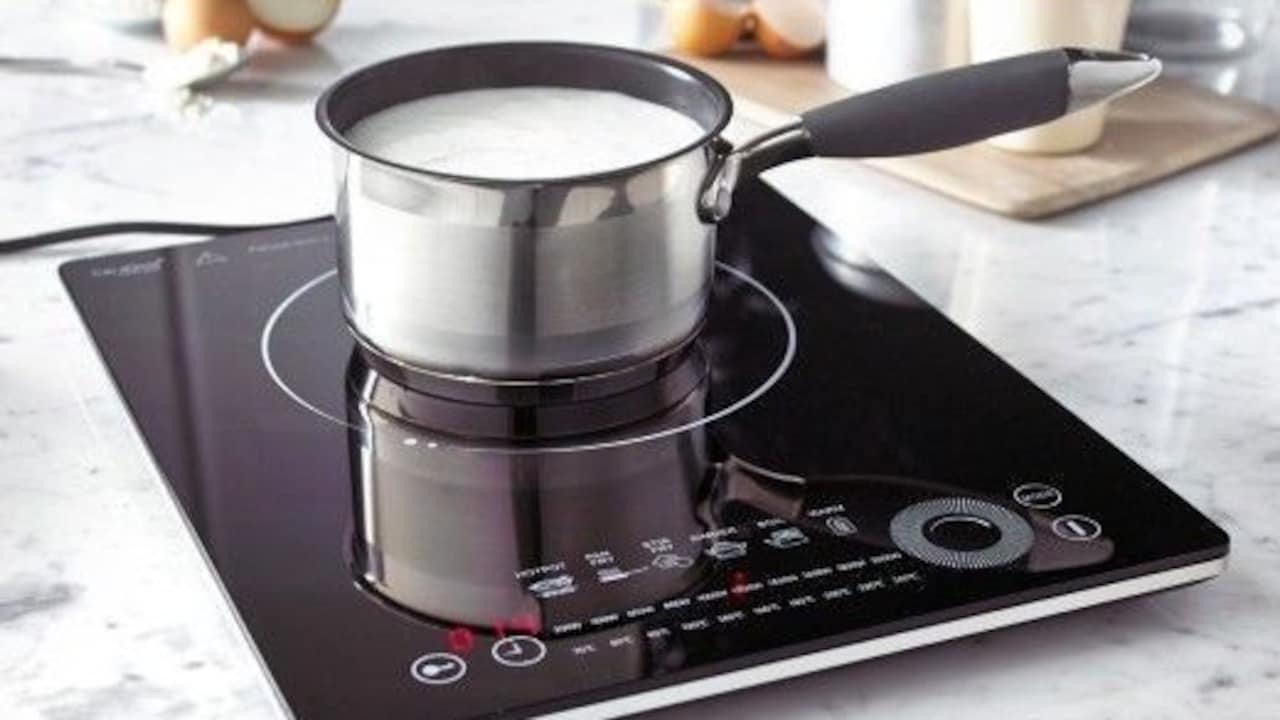
Induction cooktops are quite selective about their companions. Not every pot or pan earns its approval. If cookware lacks a magnetic base, the cooktop struggles to generate heat and may switch off as a result.
Many households still use aluminium or glass cookware for daily meals. While these work beautifully on gas stoves, induction surfaces demand ferrous materials like stainless steel or cast iron. A simple test involves placing a magnet at the base. If it sticks firmly, the cookware is suitable.
Sometimes the issue lies not in the material but in the base. Uneven or warped bottoms disrupt proper contact, causing the cooktop to lose connection and shut down intermittently. Investing in good-quality induction-compatible cookware might feel like an expense, but it saves both time and frustration in the long run.
Overheating Protection Might Be Kicking In
Modern induction cooktops come with built-in safety features that prevent overheating. While this sounds reassuring, it can be inconvenient when the cooktop shuts off mid-cooking.
This often happens during long cooking sessions or when using high heat for extended periods. Preparing dishes that require constant boiling or frying can trigger the internal temperature sensors. Once the system detects excessive heat, it automatically powers down to prevent damage.
The solution is surprisingly simple. Allow the cooktop to cool down before restarting. Reducing the heat level slightly can also help maintain a steady cooking process. Keeping the ventilation area clear ensures proper airflow, which plays a crucial role in preventing overheating.
Also Read: Buying An Induction Stove? Don't Overlook These 8 Crucial Features
Power Supply Fluctuations Can Disrupt Operation
Electricity supply is not always consistent. Voltage fluctuations, especially during peak hours, can affect the performance of an induction cooktop. When the power dips or spikes unexpectedly, the appliance may switch off as a precaution.
This becomes particularly noticeable in areas where multiple appliances run simultaneously. Air conditioners, refrigerators, and washing machines all compete for power, which can strain the system.
Using a voltage stabiliser designed for kitchen appliances can make a noticeable difference. It ensures a steady power supply and protects the cooktop from sudden fluctuations. While the initial cost may hover around ₹1,500 to ₹3,000, the long-term benefits far outweigh the expense.
Incorrect Placement Of Cookware
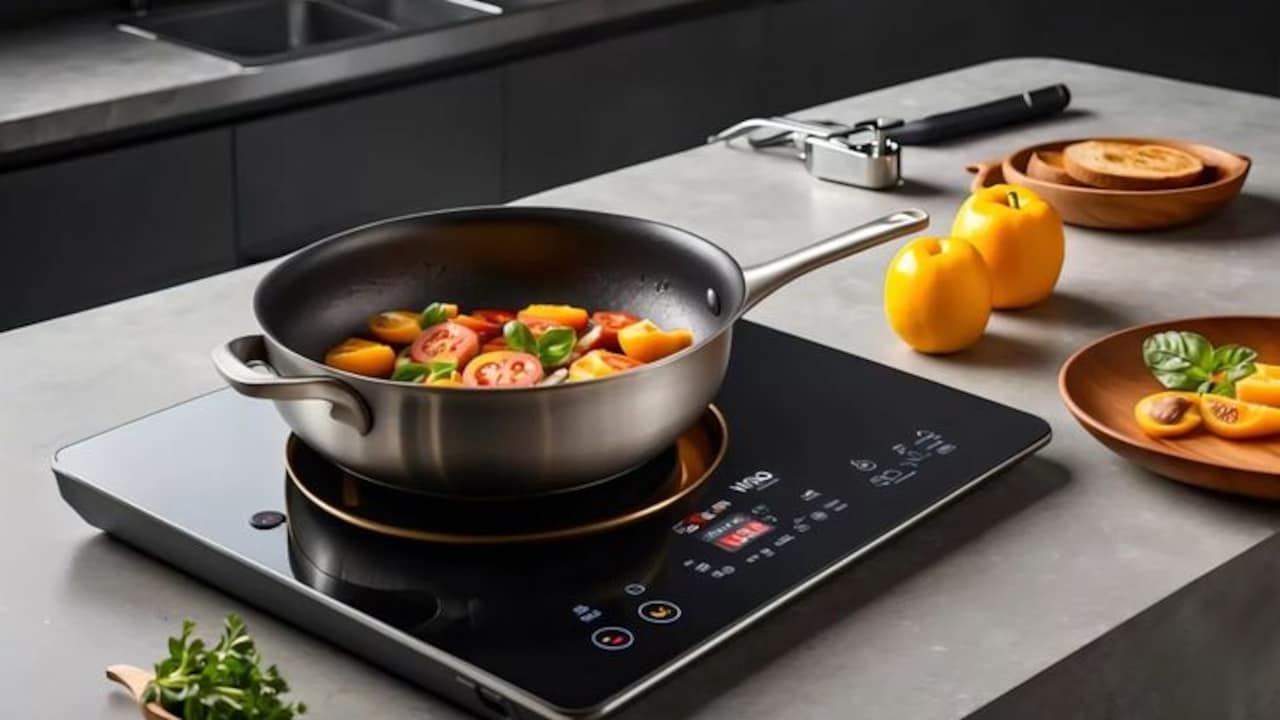
Induction cooktops rely on precise positioning. If the pan is not placed correctly over the heating zone, the appliance may fail to detect it and shut off.
This often happens during hurried cooking sessions. A slightly off-centre pan or one that is too small for the cooking zone can confuse the sensor. The cooktop assumes there is no cookware present and switches itself off.
Taking a moment to centre the cookware properly can resolve this issue instantly. Choosing the right size of pan for each cooking zone also ensures consistent performance. It is a small adjustment that can prevent repeated interruptions.
Why Your Induction Cooktop Keeps Switching Off Mid-Cooking And How To Fix It; Photo Credit: Pexels
Dirty Or Wet Surface Can Cause Shutdown
A spotless cooktop is not just about aesthetics. Residue, spills, or moisture on the surface can interfere with the touch controls and sensors.
Cooking often involves splashes of oil, water, or spices. When these settle on the cooktop surface, they may trigger false signals. In some cases, the appliance may interpret moisture as an unsafe condition and shut down automatically.
Regular cleaning with a soft cloth keeps the surface dry and functional. Avoid placing wet utensils directly on the cooktop. A few seconds of wiping can save minutes of frustration later.
Timer Settings Might Be The Culprit
Many induction cooktops come with built-in timers designed to switch off the appliance after a set duration. While this feature is helpful, it can sometimes lead to confusion.
It is easy to accidentally set a timer while adjusting controls. The cooktop then switches off at the preset time, leaving the user wondering what went wrong. This often happens when multitasking in the kitchen.
Checking the display panel for active timer settings can quickly solve the mystery. Resetting or disabling the timer ensures uninterrupted cooking. Once familiar with the controls, this issue becomes less frequent.
Faulty Internal Components Could Be At Play
Sometimes the problem lies within the cooktop itself. Internal components such as sensors, circuits, or fans may develop faults over time.
Frequent shutdowns without any clear external cause often point towards a technical issue. The cooktop might switch off randomly, even when all conditions seem ideal.
In such cases, professional servicing becomes necessary. Attempting to fix internal components without expertise can lead to further damage. A certified technician can diagnose the issue and suggest appropriate repairs. While servicing costs may range between ₹800 and ₹2,500, it often restores the appliance to full functionality.
Insufficient Ventilation Around The Cooktop
Induction cooktops need proper ventilation to function efficiently. When placed in cramped spaces without adequate airflow, heat builds up quickly, triggering automatic shutdown.
This is common in compact kitchens where appliances sit close to walls or cabinets. The lack of breathing space prevents heat from dissipating effectively.
Ensuring a gap around the cooktop allows air to circulate freely. Avoid blocking vents or placing items too close to the appliance. Even a small adjustment in placement can make a significant difference in performance.
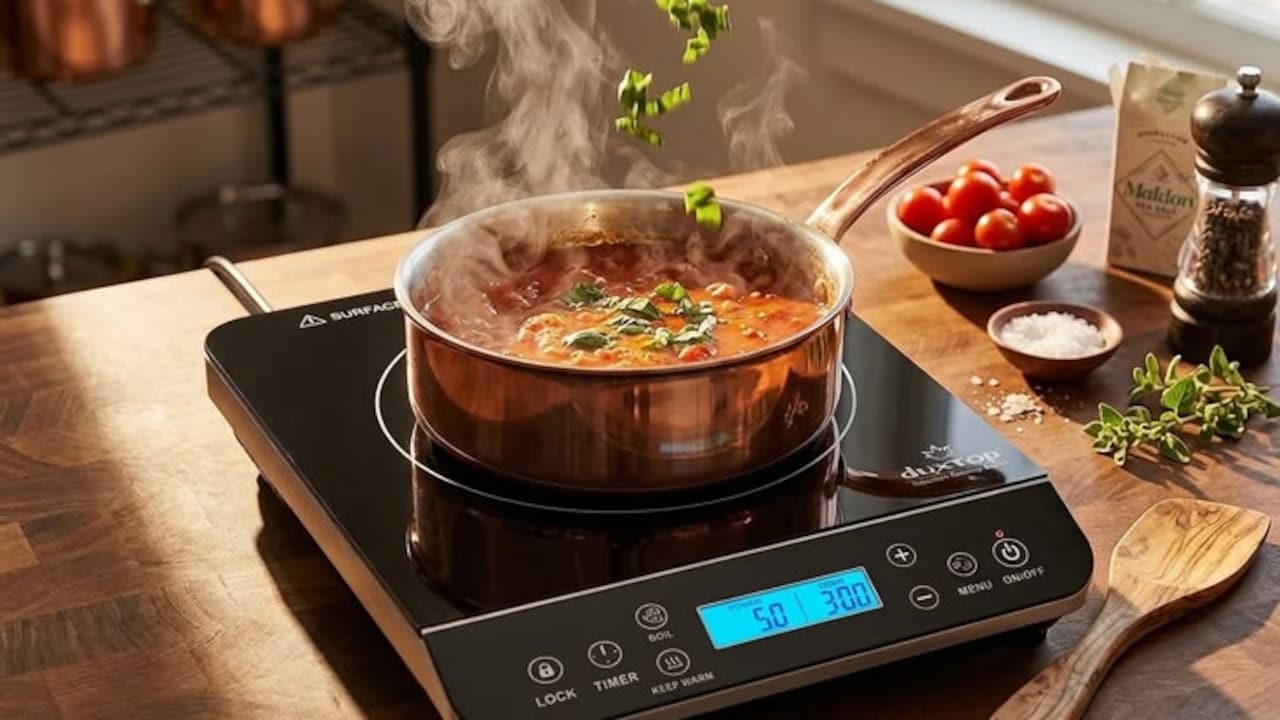
Why Your Induction Cooktop Keeps Switching Off Mid-Cooking And How To Fix It; Photo Credit: Pexels
Low Quality Or Damaged Power Cord
The power cord often goes unnoticed, yet it plays a crucial role in the cooktop's performance. A damaged or low-quality cord can disrupt the electrical connection, causing the appliance to switch off unexpectedly.
Frequent plugging and unplugging, along with wear and tear, can weaken the cord over time. Loose connections or exposed wires pose both functional and safety risks.
Inspecting the cord regularly helps identify issues early. Replacing a faulty cord is a simple and cost-effective solution. Spending around ₹300 to ₹800 on a good-quality replacement ensures reliable operation and peace of mind.
Excess Weight Or Pressure On The Surface
Induction cooktops are designed to handle standard cookware, not excessive weight. Placing very heavy pots or applying pressure on the surface can affect the internal sensors.
Large vessels filled with food can sometimes exceed the recommended weight limit. This may cause the cooktop to shut down as a protective measure.
Using appropriately sized cookware prevents unnecessary strain on the appliance. Being mindful of weight limits ensures longevity and consistent performance. It is a small habit that keeps the cooktop running smoothly for years.
Products Related To This Article
1. Rico BIS-ISI Certified induction stove with Free Vessel & Lid
2. Maharaja Whiteline Superion 14 Dx Neo Induction Stove with Pan Sensor Technology with 7 Preset Indian Menus
3. Philips HD4934/00 1300W Induction Cooktop With Triple MOV For 4Kw Surge Protection With Soft Touch Control
4. Cadlec CookMate 2000W Induction Cooktop with Crystal Glass
5. IBELL SLIM50 Induction Cooktop, 2000W, BIS Certified
An induction cooktop that keeps switching off can feel like a stubborn companion in the kitchen. Yet, in most cases, the issue is not as complicated as it seems. From cookware choices to power supply quirks, the reasons are often practical and fixable.
Understanding how an induction cooktop works makes all the difference. Once familiar with its preferences and safety features, the appliance becomes far less unpredictable. A little attention to detail, clean surfaces, proper placement, and stable power go a long way.
Cooking should feel effortless and enjoyable, not interrupted by constant troubleshooting. With these insights, the kitchen can return to its comforting rhythm, where meals come together without unexpected pauses, and every dish reaches the table just as intended.
(Disclaimer: This article may include references to or features of products and services made available through affiliate marketing campaigns. NDTV Convergence Limited (“NDTV”) strives to maintain editorial independence while participating in such campaigns. NDTV does not assume responsibility for the performance or claims of any featured products or services.)