Why Your Electric Kettle Leaves A Metallic Taste: And How To Choose A Safe One
A metallic taste from your electric kettle isn’t normal. Discover what causes it, whether it is safe, and how to choose a kettle that keeps your water clean, fresh and worry-free.
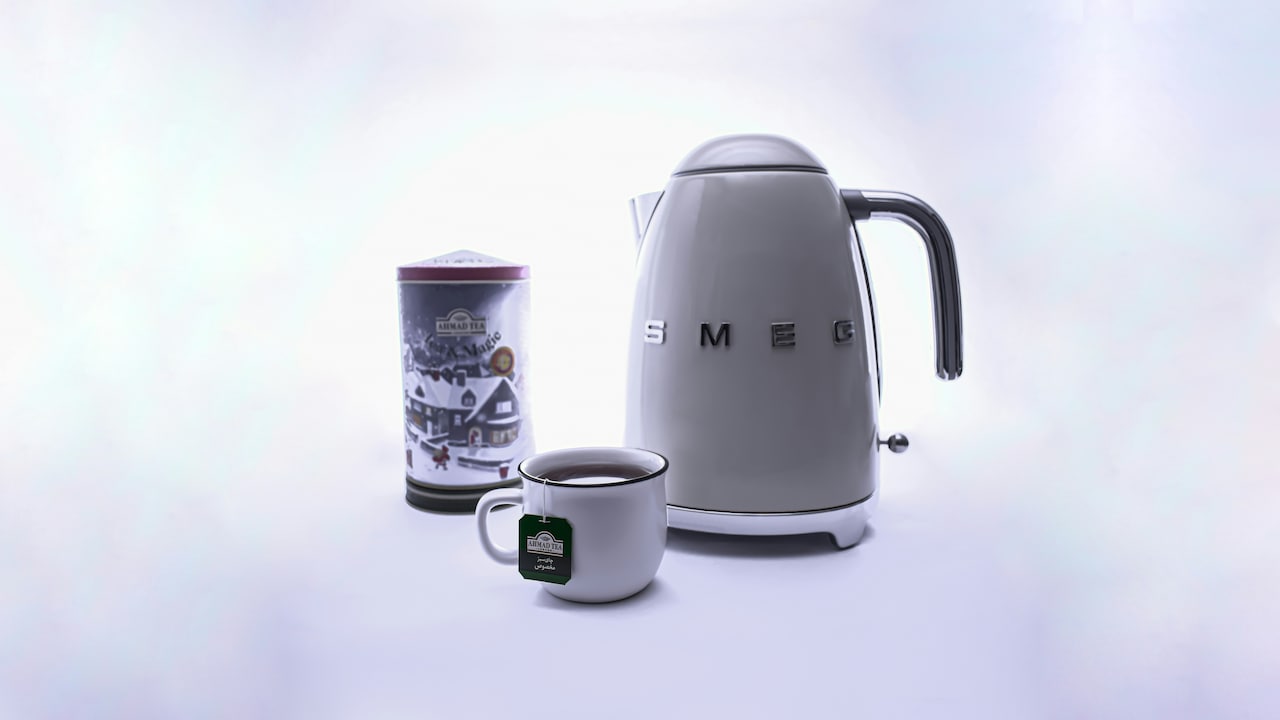
Why Your Electric Kettle Tastes Metallic And How To Choose A Safe One
Morning routines often begin with the soft hum of an electric kettle. Water heats in minutes, tea leaves swirl, and the day feels ready to begin. But sometimes, that first sip carries an odd, metallic note. It is subtle at first, then impossible to ignore. Suddenly, even favourite brews feel slightly off.
This common issue sparks questions. Is the kettle safe? Is the water to blame? Or is something deeper at play?
Electric kettles have become a staple in modern kitchens due to their speed and convenience. Yet, like many appliances, their design, material, and maintenance can affect taste and safety. Understanding these factors not only protects health but also enhances everyday rituals.
This piece dives into the reasons behind that metallic taste and offers practical advice on choosing a kettle that delivers pure, clean boiling water every time.
Why Your Electric Kettle Tastes Metallic And How To Choose A Safe One; Photo Credit: Pexels
Why Your Electric Kettle Leaves A Metallic Taste: And How To Choose A Safe One
The Role Of Material In Your Kettle's Taste
The material inside a kettle plays a major role in how water tastes. Stainless steel, plastic, and glass kettles all behave differently when exposed to heat. Lower-grade metals may release trace elements into boiling water, especially when new or poorly manufactured. That faint metallic flavour often comes from these interactions.
Plastic kettles, while affordable, can sometimes contribute a synthetic or slightly chemical taste when heated repeatedly. Glass kettles tend to remain neutral but rely on metal components for heating, which can still influence flavour.
Higher-quality stainless steel kettles usually offer the best balance. However, not all stainless steel is equal. Food-grade steel resists corrosion and leaching, while cheaper variants may not.
A kettle may look sleek on the outside, but what matters lies within. Choosing the right material ensures that water remains as pure as intended, preserving the authentic flavour of tea, coffee, or even simple hot water with lemon.
New Kettle Smell And Taste: A Temporary Problem
A brand-new kettle often brings excitement along with an unexpected metallic or plastic taste. This happens because manufacturing residues linger inside the appliance. Oils, coatings, or dust from production can cling to internal surfaces.
The first few boils may carry this unwanted flavour, making drinks taste slightly off. Thankfully, this issue rarely lasts long. A few cycles of boiling and discarding water usually clear it.
Many households use simple remedies such as boiling water with a slice of lemon or a splash of vinegar. These natural cleaners help remove residues and neutralise odours. After a couple of rinses, the kettle often settles into normal use.
Ignoring this step may prolong the taste problem, leading to unnecessary concern. A little patience and proper initial cleaning can transform the experience from unpleasant to perfectly normal within a day or two.
Also Read: Top Rated Electric Kettle For Fast Boiling, Efficient Picks For Tea, Coffee, And More
Limescale Build-Up And Its Impact On Taste
Hard water leaves behind mineral deposits known as limescale. Over time, this chalky residue forms inside kettles, especially in areas where water hardness is high. While limescale is not harmful in small amounts, it can alter the taste of water.
The build-up creates a dull, slightly metallic or bitter flavour. It may also affect how efficiently the kettle heats water, leading to uneven boiling. That familiar white crust along the base or walls is a clear sign.
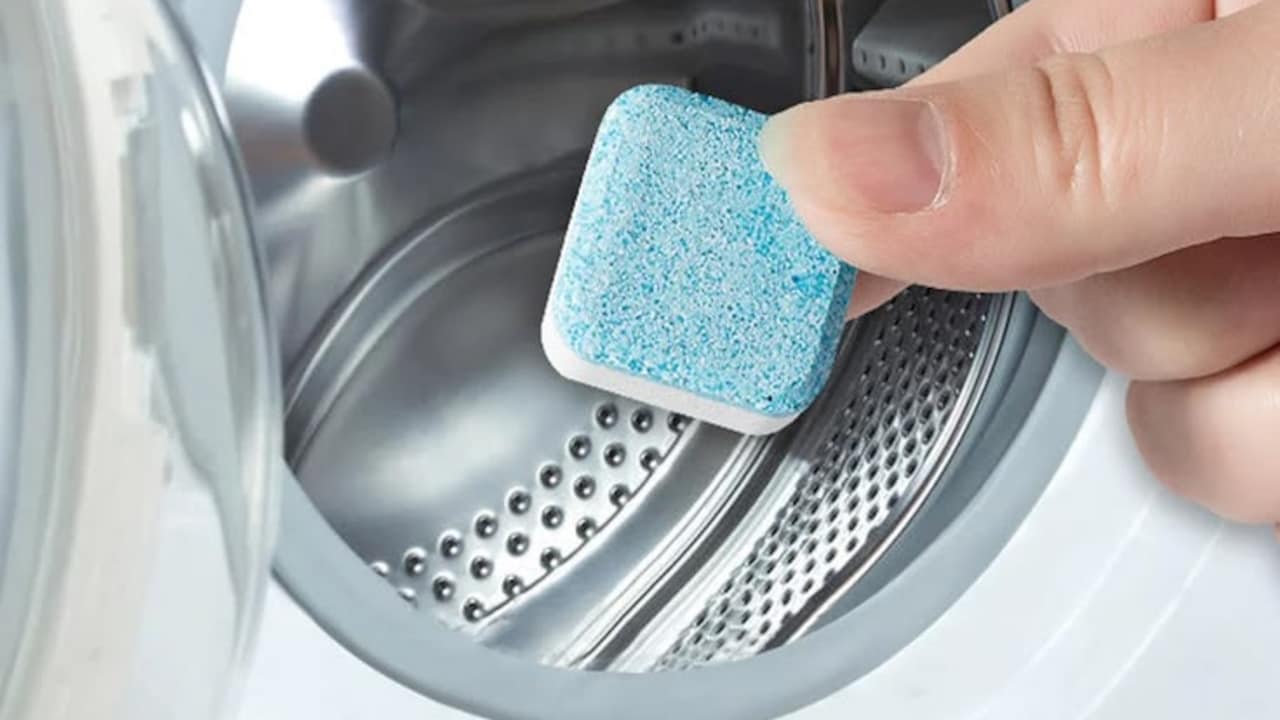
Regular descaling helps prevent this issue. A simple mixture of water and vinegar or a commercial descaling solution works well. Once cleaned, the kettle often produces noticeably fresher-tasting water.
Ignoring limescale does not just affect taste. It can shorten the life of the appliance and increase electricity consumption. A clean kettle ensures both better flavour and better performance, making it a small habit with big rewards.
Water Quality: The Hidden Factor
Sometimes, the kettle is not the culprit at all. The quality of water itself can influence taste significantly. Tap water varies widely depending on the source, treatment methods, and mineral content.
In some areas, water contains higher levels of iron or other minerals, which can create a metallic taste when heated. Boiling may intensify these flavours rather than remove them.
Using filtered water can make a noticeable difference. Even a basic water filter jug can reduce impurities and improve taste. For those particularly sensitive to flavour, this small change often transforms everyday beverages.
The kettle simply acts as a medium. If the input is flawed, the output reflects it. Paying attention to water quality ensures that the kettle performs at its best without carrying unwanted flavours into every cup.
Why Your Electric Kettle Tastes Metallic And How To Choose A Safe One; Photo Credit: Pexels
Cheap Components And Hidden Risks
Budget-friendly kettles often attract attention due to their low price tags, sometimes as low as ₹500. While they may seem like a bargain, hidden compromises can affect both taste and safety.
Lower-cost models may use inferior heating elements or coatings that degrade over time. These components can introduce metallic or burnt flavours into water, especially after prolonged use.
In some cases, poor insulation or wiring may even pose safety concerns. A kettle should not only boil water quickly but also maintain consistent performance without affecting flavour.
Spending slightly more on a trusted brand often ensures better materials and construction. A kettle priced around ₹1,500 to ₹3,000 typically offers improved durability and safer components.
The difference in daily experience becomes clear over time. A reliable kettle quietly does its job without altering taste, while a cheaper one may constantly remind users of its limitations.
The Importance Of Food-Grade Materials
Food-grade materials are designed to remain stable when exposed to heat and water. This quality becomes crucial in appliances like kettles, where boiling temperatures push materials to their limits.
Kettles labelled as BPA-free or made with food-grade stainless steel offer greater assurance. These materials resist chemical reactions and prevent unwanted substances from leaching into water.
Without these standards, the risk of contamination increases. Even if the taste difference seems minor, long-term exposure may raise concerns.
Manufacturers often highlight these features, but it helps to verify rather than assume. Checking product specifications and reviews provides clarity.
A kettle may seem like a simple appliance, yet its role in daily consumption makes material quality non-negotiable. Clean-tasting water begins with safe materials that perform reliably under heat.
How Heating Elements Affect Flavour
The design of the heating element influences both efficiency and taste. Older kettles often feature exposed heating coils, which come into direct contact with water.
These coils can accumulate limescale quickly, affecting taste and performance. They may also contribute to that metallic note, especially if not cleaned regularly.
Modern kettles typically use concealed heating elements. These are hidden beneath a flat surface, reducing direct exposure and making cleaning easier. This design helps maintain a cleaner taste over time.
The difference may seem subtle, but it becomes noticeable with daily use. A concealed element not only improves hygiene but also ensures consistent heating.
Choosing a kettle with this feature enhances both convenience and flavour, making it a practical upgrade for any kitchen.
Plastic Interiors: Convenience Vs Taste
Plastic kettles offer affordability and lightweight design, making them popular in many households. However, their interiors can sometimes affect water taste, especially during the initial weeks of use.
Repeated heating may cause slight odours or flavours to develop, particularly if the plastic quality is not high. While many modern kettles use improved materials, the risk still exists in cheaper models.
Glass or stainless steel interiors tend to avoid this issue altogether. They provide a more neutral environment for boiling water.
That said, plastic kettles are not inherently bad. Choosing one from a reputable brand with proper certifications reduces concerns significantly.
The decision often comes down to priorities. Convenience and cost may favour plastic, while taste and longevity often lean towards steel or glass options.
Maintenance Habits That Make A Difference
A well-maintained kettle rarely causes taste issues. Simple habits can keep it in excellent condition for years.
Emptying leftover water after use prevents stagnation. Leaving water sitting for long periods may lead to a stale taste. Regular rinsing also helps remove minor residues before they build up.
Descaling every few weeks, depending on water hardness, keeps the interior clean. Even a quick wipe of the exterior ensures the appliance remains pleasant to use.
Neglect, on the other hand, quickly shows in taste and performance. A kettle works daily, yet often receives little attention.
Treating it with basic care ensures every cup tastes as intended. It is a small effort that pays off with consistent quality and reliability.
Choosing The Right Kettle For Your Kitchen
Selecting the right kettle involves more than picking a stylish design. It requires attention to material, safety features, and long-term usability.
Stainless steel interiors, concealed heating elements, and reputable certifications should top the checklist. A comfortable handle, automatic shut-off, and boil-dry protection add convenience and safety.
Budget plays a role, but value matters more than price alone. Investing in a well-made kettle reduces the chances of taste issues and frequent replacements.
Many reliable options fall within ₹1,500 to ₹3,000, offering a balance of quality and affordability. Reading reviews and checking warranty details further helps in making an informed choice.
A good kettle blends seamlessly into daily life. It heats water efficiently, preserves taste, and operates without fuss. That quiet reliability often makes all the difference.
Products Related To This Article
1. Chefman Electric Kettle, 1.8L 1500W, Fast Boil Hot Water Kettle
2. Havells Aqua Plus Electric Kettle 1.2 Litre
3. Pigeon by Stovekraft Hot Plus Electric Kettle (16245) with Stainless Steel Body
4. The Better Home FUMATO 2.2L Glass Kettle Electric
5. Havells Aqua Plus Electric Kettle 1.2 Litre, 1250 Watt
A metallic taste in kettle water may seem like a minor inconvenience, yet it reveals important details about materials, maintenance, and water quality. Understanding these factors turns a frustrating experience into an opportunity for improvement.
The solution often lies in simple steps. Cleaning a new electric kettle properly, descaling regularly, and choosing better materials can transform the taste of everyday beverages. Even small changes, such as switching to filtered water, can have a noticeable impact.
A kettle may not be the most glamorous appliance, but it plays a central role in daily routines. From morning chai to late-night coffee, it quietly supports moments of comfort and connection.
Choosing a safe, well-designed kettle ensures that every sip remains pure, free from unwanted flavours. In the end, the goal is simple: water that tastes exactly as it should—clean, fresh, and reassuringly familiar.
(Disclaimer: This article may include references to or features of products and services made available through affiliate marketing campaigns. NDTV Convergence Limited (“NDTV”) strives to maintain editorial independence while participating in such campaigns. NDTV does not assume responsibility for the performance or claims of any featured products or services.)