Juicer Or Blender? Know How To Choose The Right One Before Spending Money
Confused between a juicer and a blender? This guide breaks down nutrition, cost, usage, and lifestyle fit to help choose the right appliance before spending money.
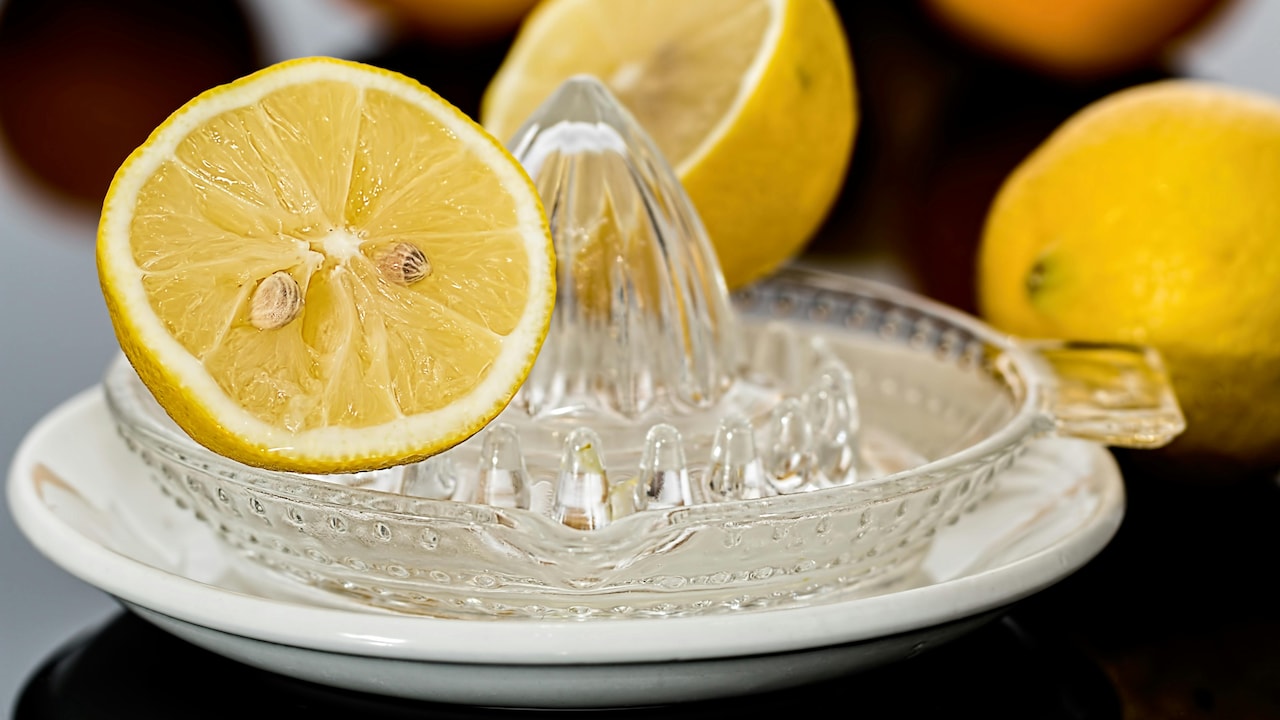
Juicer Or Blender? Check Out The Key Differences, Health Benefits And Buying Tips.
A stroll through any electronics store or online sale page reveals rows of juicers and blenders, all claiming to change life for the better. Salespeople speak about detoxes, fibre, immunity, and speed. Friends recommend one based on personal habits. Social media adds another layer of confusion with colourful smoothie bowls and glowing juice glasses. Busy mornings, shared kitchens, family preferences, seasonal fruits, electricity bills, and cleaning effort all play a role. Spending ₹3,000 or even ₹15,000 without clarity often leads to regret.
When it comes to buying a juicer or blender, know how to choose the right one before spending your hard-earned money. This article explains the difference in a simple, relatable way, helping readers choose wisely and avoid buyer's remorse.

Juicer Or Blender? Pick The Right One Before Spending Money
Photo Credit: Pexels
Before Buying, Consider These Everyday Factors
1. Understanding the Core Difference Between Juicers and Blenders
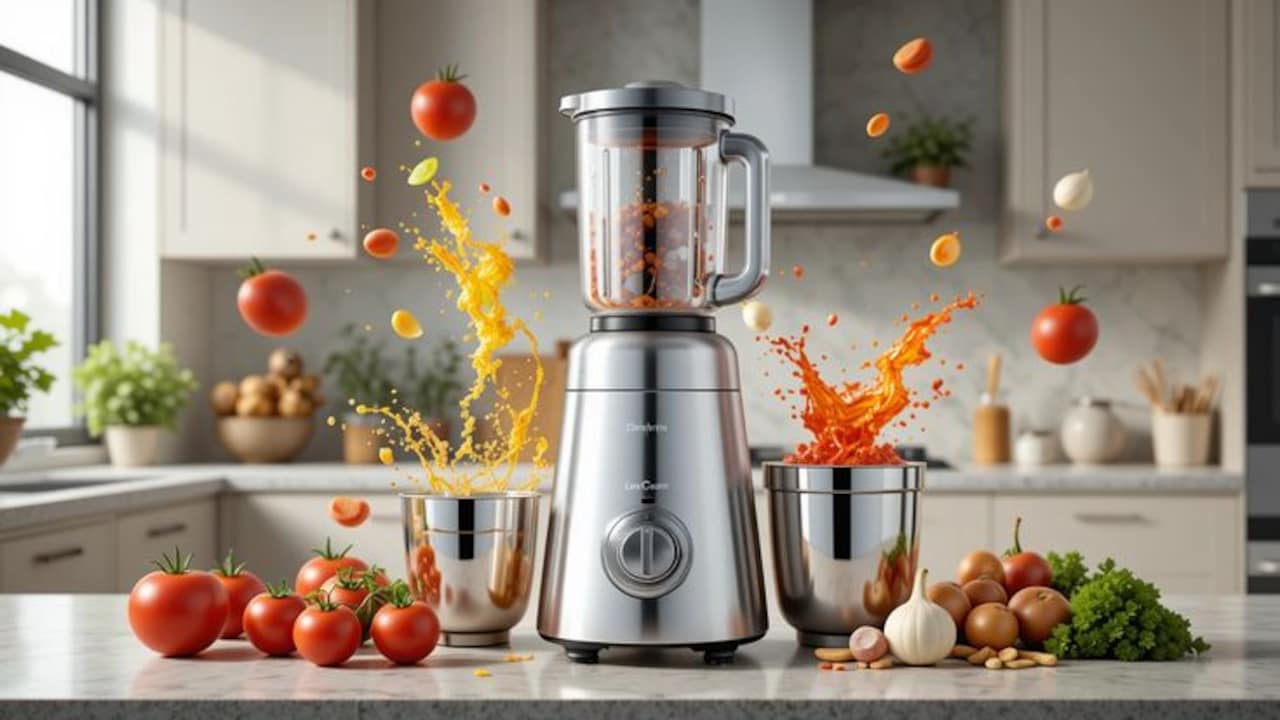
At first glance, both appliances crush fruits and vegetables. The result looks similar in a glass, yet the process differs completely. A juicer separates liquid from pulp. It extracts juice and discards fibre into a separate container. A blender, on the other hand, grinds everything together, fibre included.
This difference affects nutrition, taste, texture, and fullness. Juices feel light and refreshing. They absorb quickly and work well for people who dislike thick textures. Smoothies feel heavier, keep hunger away longer, and suit breakfast routines.
Think of sugarcane juice from a roadside stall. The machine squeezes liquid and throws out dry fibre. That resembles juicing. Now, picture a banana milkshake made at home. Everything blends. That reflects blending.
Understanding this basic distinction clears half the confusion. The rest depends on lifestyle, health goals, and patience levels.
2. Nutrition: Fibre, Vitamins, and the Fullness Factor
Health often tops the reason for buying either appliance. Fibre plays a major role here. Blenders retain fibre, which supports digestion, stabilises blood sugar, and keeps the stomach satisfied for longer. That makes smoothies ideal for weight management and regular meals.
Juicers remove most fibre. The juice delivers vitamins and minerals quickly into the bloodstream. That sounds appealing, yet it may spike blood sugar when consumed frequently, especially with fruits like mango or apple.
A glass of blended spinach, apple, and oats feels like a meal. A glass of carrot-orange juice feels like a quick boost. Both serve a purpose, but not the same one.
Doctors often advise moderation with juices for people managing diabetes or acidity. Smoothies offer more control due to fibre and added ingredients like seeds or curd.
Choosing between the two means choosing how nutrition enters the body each day.
3. Daily Lifestyle: Morning Rush or Leisurely Routine
Appliances should match daily rhythm, not ideal routines seen online. Busy households often prefer quick fixes. A blender works well here. Toss ingredients, blend for a minute, rinse, and move on. Smoothies travel easily in bottles.
Juicers demand more time. Fruits require peeling, chopping, and careful feeding into the machine. Cleaning involves multiple parts and sticky pulp. That suits relaxed mornings or health-focused routines where time allows.
Imagine a weekday morning with school tiffins, office calls, and traffic stress. A blender feels like a friend. Now picture a slow Sunday with fresh fruit baskets and calm tea-time vibes. A juicer fits right in.
Honesty about daily schedules prevents expensive mistakes.
4. Taste, Texture, and Family Preferences
Taste often decides whether an appliance stays in use. Juices feel smooth, light, and refreshing. Children often prefer them due to the absence of fibre bits. Elderly family members also find juices easier to consume.
Smoothies offer thicker textures. Some people love the creamy feel. Others find it heavy or filling. Adding nuts, seeds, or oats enhances nutrition, but changes the taste.
Families with mixed preferences face a dilemma. A blender offers flexibility. It can make thin smoothies, milkshakes, chutneys, and even soups. A juicer does one thing very well but limits variety.
Kitchen harmony matters. Appliances that please more people see more action. Otherwise, they quietly retire to cupboards.
5. Cost Considerations: Purchase Price and Hidden Expenses
Budget always plays a role. Basic blender models start around ₹1,500 to ₹2,500. Good-quality ones with multiple jars cost ₹3,000 to ₹6,000. Juicers usually start higher. Centrifugal juicers cost ₹3,000 to ₹5,000, while cold-press models can cross ₹15,000.
Hidden costs matter too. Juicers require more fruits for one glass due to pulp loss. That increases monthly fruit expenses. Blenders use everything, stretching ingredients further.
Electricity usage differs slightly, though not drastically. Maintenance costs lean higher for juicers due to parts and wear.
Spending wisely means looking beyond the price tag and considering long-term usage costs.
Also Read: 10 Reasons Why Manual Juicers Remain A Practical Choice For Everyday Kitchens
6. Cleaning Effort and Kitchen Practicality
Cleaning effort often decides whether appliances get used regularly. Blenders usually involve one jar and a blade. A quick rinse often suffices. Many models allow easy disassembly.
Juicers involve multiple parts: feeding chute, filter basket, pulp container, and juice jug. Cleaning fibre stuck in a fine mesh requires patience and water pressure.
Small kitchens with limited sink space face challenges here. Busy schedules also reduce tolerance for lengthy cleaning sessions.
Appliances should reduce stress, not add chores. Choosing based on cleaning comfort saves frustration and time.
7. Versatility Beyond Fruits and Vegetables
A blender rarely stays limited to smoothies. It grinds masalas, makes coconut chutney, blends dosa batter, prepares soups, and whips milkshakes. That versatility justifies space and cost.
Juicers focus on one task. Some models handle leafy greens better than others, yet versatility remains limited. They rarely help with everyday cooking needs.
For households where counter space is precious, multi-purpose appliances win hearts. Single-use machines require strong motivation to justify their place.
Choosing versatility often means choosing a blender.
8. Health Goals: Detox Trends Versus Sustainable Habits
Juices often link with detox trends. A week of green juices promises glowing skin and energy. While short-term juice plans may refresh the body, long-term reliance raises concerns.
Smoothies support sustainable habits. They integrate easily into meals, breakfasts, and post-workout routines. Adding protein, seeds, or curd creates balanced nutrition.
Health experts increasingly emphasise consistency over extremes. Daily smoothies support that idea better than frequent juicing.
Goals matter. Quick cleansing or long-term nourishment leads to different choices.
9. Noise Levels and Kitchen Experience
Noise rarely features in buying decisions, yet it affects daily comfort. Blenders make a familiar whirring sound. It lasts briefly and feels manageable.
Juicers, especially centrifugal types, produce louder, sharper noise due to high-speed motors. Early mornings or shared apartments may find this disruptive.
Kitchen experience shapes habits. Appliances that disturb others often stay unused.
Choosing peace matters as much as choosing power.
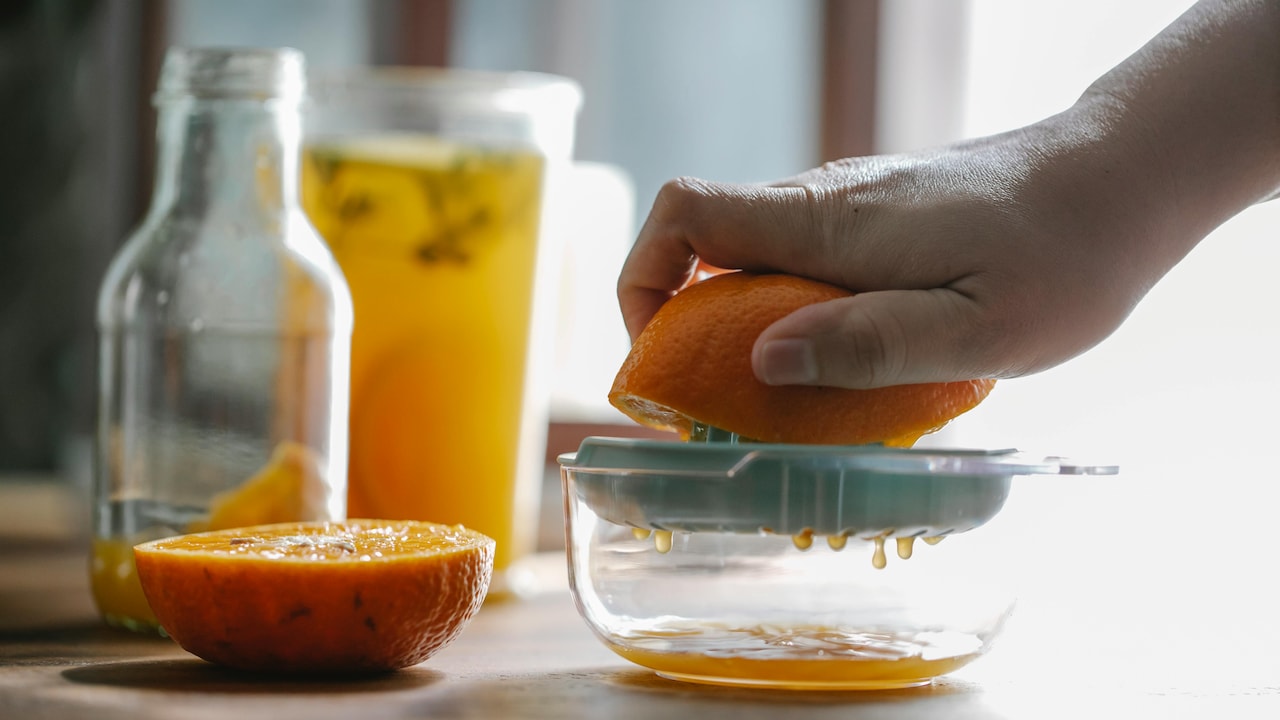
Juicer Or Blender? Pick The Right One Before Spending Money
Photo Credit: Pexels
10. Storage, Durability, and Long-Term Satisfaction
Durability depends on usage and quality. Blenders handle tough ingredients daily and often last for years with proper care. Replacement jars and blades remain easily available.
Juicers involve delicate filters and motors. Heavy usage may reduce lifespan without careful maintenance.
Storage space also matters. Bulky juicers demand dedicated shelves. Blenders fit easily into existing setups.
Long-term satisfaction comes from appliances that blend into routine life, not those requiring special effort.
Products Related To This Article
1. Preethi MiniBlend Compact Food and Juice Blender for Lump Free Purees and Smoothies
2. Kuvings B1700 Cold Press Whole Slow Juicer
3. NutriPro Juicer Mixer Grinder
4. Atomberg Althea Cold Press Juicer
5. KOIOS Personal Blender Portable Juicer
6. Sujata Powermatic Plus Juicer Mixer Grinder
7. Portable USB Rechargeable Blender Dust-Proof Ring Personal Smoothie Juicer Cup with 6 Blades
Choosing between a juicer and a blender does not depend on trends or flashy advertisements. It depends on lifestyle, taste, time, health goals, and patience. Juicers offer refreshing, fibre-free drinks that feel light and energising. Blenders deliver filling, versatile options that suit daily meals. For most households, blenders provide better value due to versatility, ease, and nutritional balance. Juicers suit focused routines and specific preferences. Spending money wisely means choosing what fits real life, not ideal routines.
(Disclaimer: This article may include references to or features of products and services made available through affiliate marketing campaigns. NDTV Convergence Limited (“NDTV”) strives to maintain editorial independence while participating in such campaigns. NDTV does not assume responsibility for the performance or claims of any featured products or services.)