Kitchen Storage Made Simple: The 80% Accessibility Rule That Prevents Clutter Overload
Most cabinets look full, but keep everyday essentials buried under clutter. The 80% accessibility rule helps plan storage so only what’s needed often stays within reach, preventing overload and keeping the kitchen effortless to use.
Kitchen Storage Made Simple: The 80% Accessibility Trick You Need To Know.
Walk into any modern kitchen, and the cabinets usually hold a story. There are shiny boxes purchased during festive sales, spices packed into fancy containers, and steel vessels that have survived generations. Yet, these cabinets bow under rising clutter. Often, the problem is not the lack of space but the way the space is used. Cabinets are stuffed beyond comfort, resembling crowded trains where passengers barely breathe. A smart approach transforms these cabinets into organised, easy-to-reach spaces. The idea is surprisingly simple: keep only 80% of cabinet space accessible for everyday use. This rule prevents your kitchen from turning into a storage battlefield. It also spares your back from endless bending and your arms from frantic rummaging. So, here is all about how to make kitchen storage simple with the 80% accessibility rule that stops clutter in its tracks.
Kitchen Storage Made Simple: The 80% Accessibility Trick You Need; Photo Credit: Pexels
The Secret to a Clutter-Free, Easy-to-Use Cabinet
1. What is the 80% Accessibility Rule?
The 80% accessibility rule encourages keeping only four out of five items within easy reach, while the rest can stay tucked away for occasional use. Think of the way a pantry can turn messy when everything is squeezed into it. The moment a neighbour drops by, someone ends up digging through towers of jars just to find a single pickle bottle. With this planning method, the kitchen transforms from a hunting zone into a smooth workspace. Everyday essentials like spices, rice, oil cans, and tiffin boxes take centre stage and stay visible. Special cookware used only during holidays or big family gatherings can rest on the top shelves or in a separate cabinet. This balance reduces stress, avoids clutter overload, and maintains the flow of a busy kitchen.
2. The Psychology Behind Cluttered Cabinets
Most people collect things not just for use, but for comfort. Old steel containers hold memories of grandparents. Fancy cutlery sits unused yet valuable because it symbolises celebration. While emotional attachment has its charm, it often ends up stuffing cabinets with things rarely touched. Overloaded spaces trigger irritation, especially when searching for one simple ladle becomes a five-minute treasure hunt. A neatly planned cabinet frees the mind and lightens the mood. Just as a clean desk encourages productivity, a sorted kitchen creates calm. This rule respects sentiment by allowing cherished items to remain, but in designated spaces, without suffocating everyday storage. This way, emotional value stays intact without hijacking efficiency.
Also Read: Stylish Crockery Cabinets Under ₹10,000 To Flaunt Your Favourite Dinnerware
3. Everyday Vs. Occasional: Divide and Rule
Kitchen activities are a mix of repeated routines and special cooking adventures. A dosa tawa used every morning deserves a front spot, while the heavy biryani pot used only during Eid feasts or big family parties can occupy a higher shelf. Dividing items into two categories, everyday and occasional, brings order naturally. A smart way is to ask one simple question while storing: “How often does this get used?” If the answer is “once a week or more,” it belongs within easy reach; if it earns less attention, let it rest in storage without hogging space. This small act changes the way cooking feels. Instead of juggling vessels, everything becomes smooth and predictable, almost like choreography.
4. Shelf Zones: Where Each Item Belongs
Divide shelves like road lanes. The eye-level shelf is the most premium spot, reserved for everyday spices, oils and commonly used utensils. The lower shelves are perfect for items that need lifting but are used frequently, such as idli steamers, pressure cookers and mixing bowls. The top shelf can store extras, extra jars, festive serveware and bulk groceries. A single well-planned cabinet lowers cooking time. No arm-stretching circus acts, no bending that threatens to crack your knees. Shelf zoning makes way for a kitchen that respects both your movements and your time. Think of it as a small interior miracle carried out through logic rather than money.
Kitchen Storage Made Simple: The 80% Accessibility Trick You Need; Photo Credit: Pexels
5. Use Vertical Space Without Filling It
People often stack containers one upon another until the whole pile resembles unstable building blocks. One wrong move and everything comes tumbling down. Vertical space is a blessing when used wisely. Simple tools like shelf risers, hanging hooks and under-shelf baskets double space without overcrowding it. A spice rack inside the cabinet door. Hooks for mugs under shelves. A small drawer organiser for lids. Even a ₹200 shelf riser from the local market can rescue a cabinet from collapsing chaos. The aim is to create accessibility, not museum-style stacking. Vertical space brings height into use without turning it into a storage skyscraper.
6. Avoid Buying More to Store More
There's a popular habit, whenever clutter grows, the immediate solution seems to be buying bigger cabinets or new organisers. Yet, cabinets don't multiply time or patience. In most homes, the real issue is not lack of space but surplus things. That tenth set of boxes bought because they were “on offer,” or the oversized bowl saved for “future baking,” quietly eats space. A better practice is asking before purchasing: “Will this truly serve a purpose more than twice a month?” If not, it can stay at the shop. This approach saves money, storage and the long-term headache of figuring out where that shiny new thing fits.
7. Label to Stay Sane
Labels don't simply identify items. They reduce arguments, confusion and the classic kitchen tantrum: “Where did the sugar go now?” Labelling jars, boxes and shelves means everyone can locate things without asking the one person who remembers everything in the kitchen. Paper labels with clear names work well. Colour coding helps even more, red for spices, blue for snacks, and yellow for lentils. Labels reduce brain fog and make cooking faster. They also train children and partners to return things to the same place, preventing small messes from becoming big monsters later.
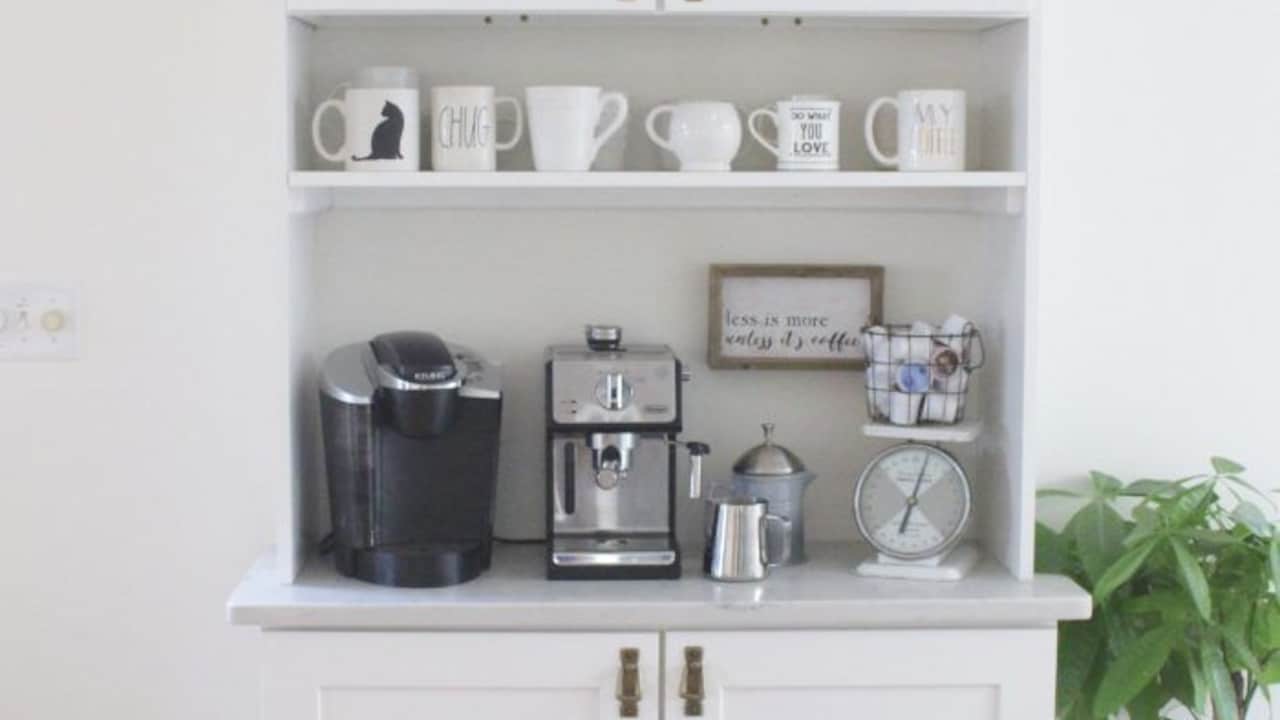
Kitchen Storage Made Simple: The 80% Accessibility Trick You Need; Photo Credit: Pexels
8. Rotate Items Based on Seasons
Just like wardrobes change every season, kitchen cabinets can also rotate to match seasonal needs. Summer calls for sharbat concentrates, kulfi moulds and extra jars for pickles. Winter brings soup pots, extra storage for dry snacks and festive sweet containers. Monsoons need spice jars and airtight boxes to tackle humidity. Rotating items keeps cabinets relevant and reduces unnecessary digging through layers of unused containers. Seasonal planning gives each item its moment of importance instead of letting it gather dust for months.
9. Maintenance: 10 Minutes a Month
A cabinet must breathe. Checking it once every month for just 10 minutes works wonders. One jar that finished long ago. A broken lid that refuses to fit. A rusted spoon is hiding behind a container. These small villains quietly eat space. A monthly clean-up feels lighter when it's a habit rather than a big annual mission requiring a whole Sunday and a sulking family. Ten minutes, one shelf at a time. Remove what isn't useful. Rearrange what has cheated its way into prime spots. Maintenance turns an organisation into a lifestyle instead of a dramatic makeover.
10. Smart Storage Doesn't Need Fancy Products
Modern stores tempt people with chic storage boxes worth ₹1,500 each. Yet, old steel containers, glass jars from pickle purchases and recycled dabba sets can achieve the same magic. Creativity wins over expense. A bit of cloth lining for shelves, repurposing sweet tin boxes for spices, or using leftover biscuit jars for lentils can save money while keeping cabinets neat. Instead of running after designer storage, intelligent use of what's already available keeps kitchen planning grounded, frugal and charming. After all, smart organisation is not about showing off cabinets; it's about making them work seamlessly.
Products Related To This Article
1. Streem Furniture Solid Wooden Sideboard Cabinet for Living Room
2. Kuber Industries Plastic Cabinet Storage Organizer
3. The Attic Georgia Sideboard
4. Solid Wood Madrid 4-Door Glass Sideboard Cabinet
5. Plastic Multi-Purpose Organizer Modular Storage Box for Clothes
A kitchen cabinet holds more than just vessels and ingredients. It preserves stories, traditions, flavours, and the daily rhythm of life. Treating cabinet space thoughtfully ensures those stories unfold without chaos. The 80% accessibility rule simplifies this journey. Not by forcing people to throw away precious things, but by giving everything a rightful place. When a kitchen becomes easy to navigate, cooking transforms from a chore into a gentle, enjoyable routine. Smart cabinet planning protects not just space but peace, the most valuable ingredient in any household.
(Disclaimer: This article may include references to or features of products and services made available through affiliate marketing campaigns. NDTV Convergence Limited (“NDTV”) strives to maintain editorial independence while participating in such campaigns. NDTV does not assume responsibility for the performance or claims of any featured products or services.)