OTG Vs Microwave Oven: Which Is Better For Baking, Grilling, And Daily Cooking
OTG or microwave oven? This guide compares baking, grilling, daily cooking, power use, and costs to help choose the right appliance for modern kitchens.
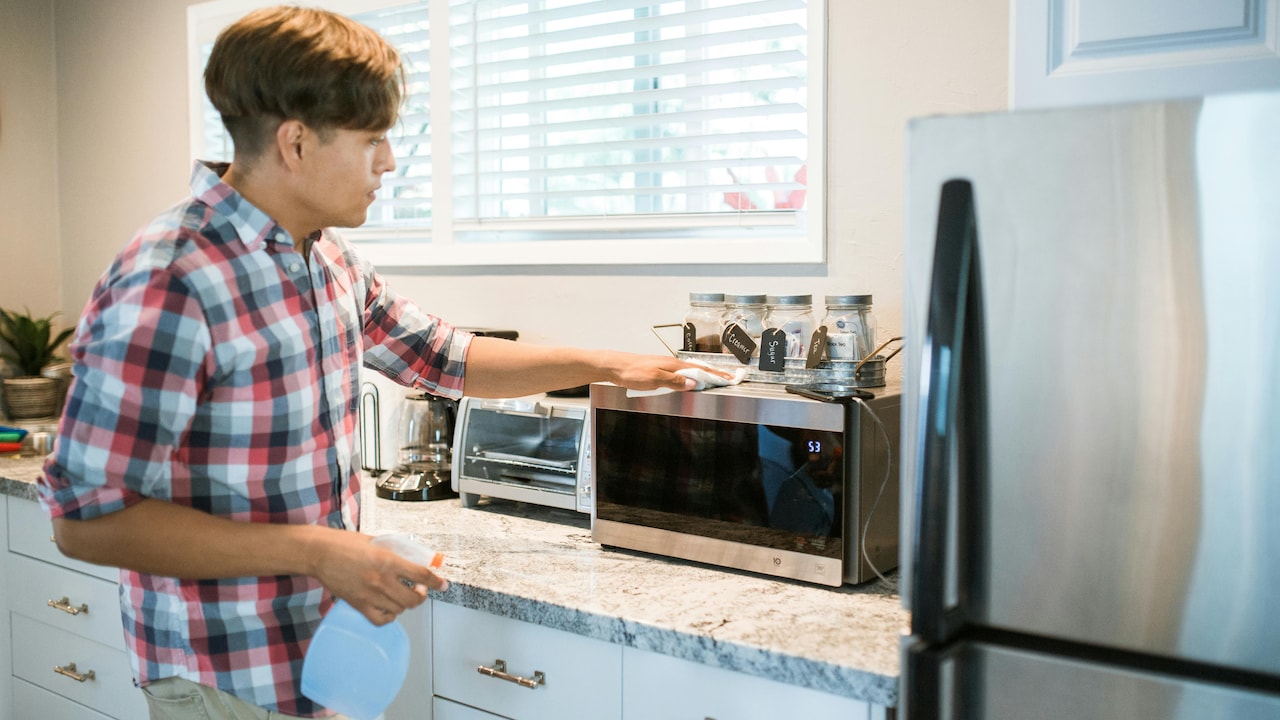
OTG vs Microwave Oven Comparison: Baking, Grilling, and Everyday Cooking Explained.
Kitchen appliances shape how meals turn out and how often cooking feels enjoyable instead of tiring. An oven that works with habits rather than against them can change everything. The OTG and the microwave oven often sit on opposite sides of the showroom, each surrounded by confident sales pitches. One feels traditional and robust. The other feels modern and fast.
Many homes now cook a mix of quick weekday meals and slow weekend indulgences. Grilled sandwiches, reheated leftovers, birthday cakes, and midnight snacks all share the same kitchen. The big question remains simple but important. Which appliance handles this mix better without stress or regret?
This article explores that question from every angle. No technical jargon overload. No marketing fluff. Just clear comparisons, relatable examples, and practical insights that help make sense of the choice.
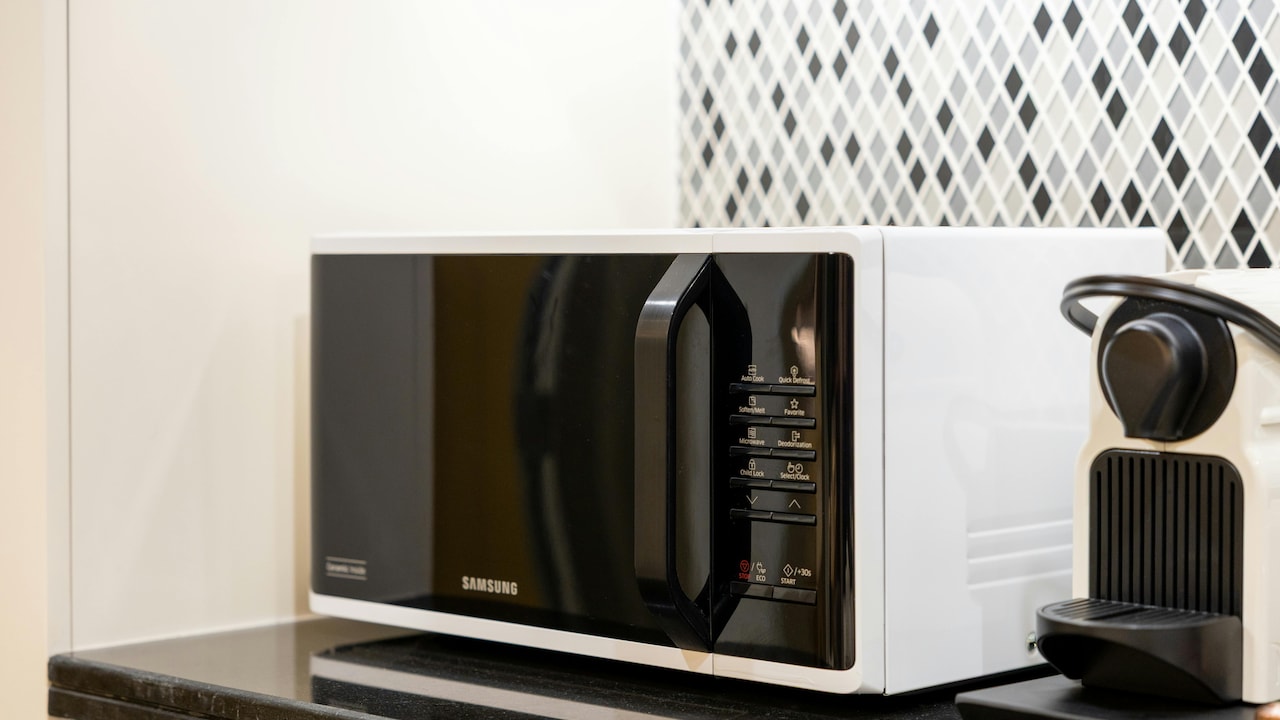
OTG Vs Microwave Oven: Which Is Better For Baking, Grilling, And Daily Cooking
Photo Credit: Pexels
Key Differences Between OTG And Microwave Oven For Everyday Cooking
1. Understanding the Core Difference Between OTG and Microwave Oven
An OTG, short for Oven Toaster Griller, works through direct heat. Heating rods warm the chamber, much like a traditional oven. This method allows food to cook slowly and evenly. A microwave oven uses electromagnetic waves that heat food from the inside by exciting water molecules. The difference may sound technical, but it shows up clearly on the plate.
An OTG suits dishes that need structure. Cakes rise properly. Bread develops a crust. Grilled vegetables get that familiar char. A microwave oven focuses on speed and convenience. Leftover rice reheats in minutes. Milk warms without fuss. Ready meals turn hot fast.
Many buyers assume both appliances do the same job with different speeds. That assumption leads to disappointment later. Each machine has a personality. One encourages patience and planning. The other thrives on urgency and efficiency. Understanding this core difference sets the foundation for every other comparison.
2. Baking Performance: Cakes, Cookies, And Bread Tests
Baking demands precision, consistency, and controlled heat. An OTG shines in this space. The dry heat environment allows cakes to rise evenly. Cookies brown nicely without turning soggy. Bread forms a crust that crackles slightly when pressed.
Microwave ovens struggle with traditional baking. Convection microwaves perform better than solo models, yet the results still differ. Cakes may cook faster but often lack texture. Cookies turn soft rather than crisp. Bread misses that bakery-style finish.
For someone who enjoys weekend baking sessions or plans to explore brownies, banana bread, or even sourdough, an OTG feels rewarding. The process feels hands-on and satisfying. A microwave suits quick mug cakes and instant desserts, not serious baking adventures.
Baking success often decides long-term happiness with an appliance. If baking ranks high on the wish list, the OTG wins without much debate.
3. Grilling And Roasting: Flavour Versus Speed
Grilling brings out flavour through browning and slight charring. An OTG handles this beautifully. Paneer skewers, roasted vegetables, and marinated chicken develop depth and aroma. The grill mode allows close heat contact, creating that restaurant-style finish.
Microwave ovens offer grilling functions, especially in convection or grill models. They cook faster and require less monitoring. The taste, however, feels milder. Browning appears uneven at times. That smoky note often goes missing.
Roasting also favours the OTG. Potatoes crisp up. Nuts roast evenly. Spices release their oils slowly. A microwave roasts faster but lacks the same intensity.
For families that enjoy grilled snacks during evening tea or host small gatherings, flavour matters more than speed. In those moments, the OTG feels like a trusted companion rather than a rushed helper.
4. Daily Cooking And Reheating: The Microwave Advantage
Daily cooking often revolves around speed. Morning milk warming, reheating lunch boxes, defrosting frozen items, and melting butter all demand efficiency. This is where microwave ovens dominate.
A microwave handles these tasks in minutes. No preheating. No temperature guessing. Food heats quickly and evenly when used correctly. Energy consumption stays lower for short tasks, which helps control electricity bills.
An OTG can reheat food, but it feels excessive for small portions. Preheating takes time. Electricity usage increases. The process feels slow for everyday needs.
For busy households with packed schedules, the microwave oven becomes indispensable. It quietly supports daily routines without drawing attention. The OTG waits patiently for those moments when cooking turns into an experience rather than a chore.
5. Learning Curve And Ease Of Use
Ease of use matters more than most people admit. A microwave oven feels intuitive from day one. Buttons are clear. Preset menus guide beginners. Even first-time users feel confident quickly.
An OTG demands learning. Temperature settings, rack positions, and timing require attention. Early attempts may lead to burnt edges or undercooked centres. With practice, results improve, and confidence grows.
This learning curve suits those who enjoy experimenting in the kitchen. It may frustrate those who prefer straightforward solutions. An OTG rewards patience. A microwave rewards simplicity.
Households with elderly members or teenagers often lean towards microwaves for safety and ease. OTGs work better where someone enjoys monitoring food and adjusting settings mid-cook.
6. Space, Capacity, And Kitchen Fit
Kitchen space always feels limited, regardless of size. Microwave ovens usually come in compact designs that fit easily on counters or shelves. Even larger convection models maintain a sleek footprint.
OTGs tend to occupy more space. Their wider bodies and front-opening doors need clearance. This may pose challenges in smaller kitchens.
Capacity also differs. OTGs often handle larger trays, making them ideal for baking multiple cookies or roasting whole vegetables. Microwave ovens focus on bowls and plates rather than wide trays.
Choosing between the two often depends on kitchen layout. A spacious counter welcomes an OTG. A tight setup appreciates the microwave's compact nature. Measuring available space before buying avoids regret later.
7. Power Consumption And Running Costs
Electricity bills influence appliance choices more than marketing brochures suggest. Microwave ovens consume high power but run for shorter durations. For reheating and small tasks, they remain energy efficient.
OTGs consume moderate power but run longer. Baking and grilling sessions may last 30 to 60 minutes. Over time, this adds up on monthly bills.
Initial prices also differ. Microwave ovens start around ₹6,000 and go upwards depending on features. OTGs often range between ₹3,000 and ₹15,000 based on size and build.
Long-term costs depend on usage habits. Frequent reheating favours microwaves. Occasional baking sessions balance OTG expenses. Understanding daily patterns helps predict real costs rather than relying on assumptions.
8. Maintenance, Cleaning, And Durability
Maintenance rarely excites anyone, yet it shapes ownership experience. Microwave ovens require regular wiping to prevent odours. Spills inside can harden if ignored, but cleaning remains simple.
OTGs face grease buildup, especially after grilling. Trays, racks, and interiors need thorough cleaning. Neglect leads to smoke and uneven heating.
Durability varies by brand, but OTGs have fewer electronic components. This simplicity often translates to a longer life. Microwave ovens rely on complex electronics that may require professional servicing.
Cleaning habits influence satisfaction. Those who enjoy keeping appliances spotless may not mind OTG upkeep. Others may prefer the wipe-and-go nature of microwaves.
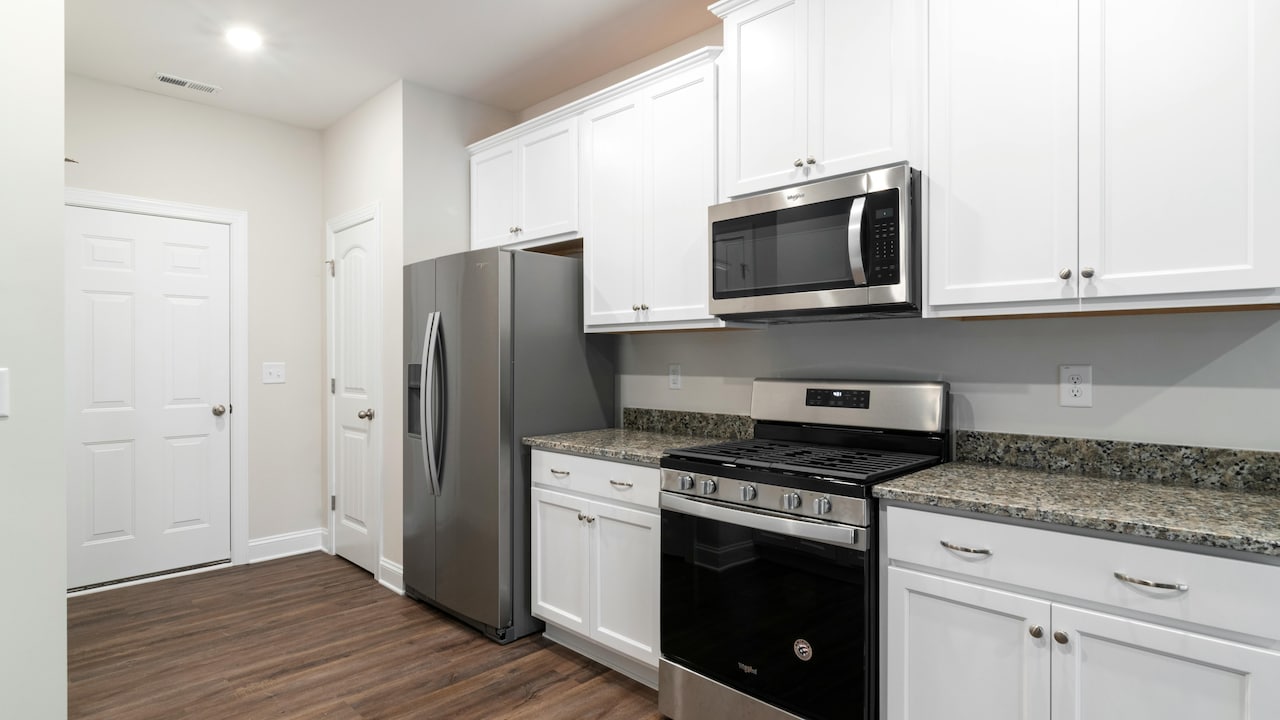
OTG Vs Microwave Oven: Which Is Better For Baking, Grilling, And Daily Cooking
Photo Credit: Pexels
9. Versatility And Cooking Styles
Versatility means different things to different cooks. A microwave oven handles reheating, defrosting, steaming, and quick cooking with ease. Convection models expand this range slightly.
An OTG focuses on baking, grilling, roasting, and toasting. It feels limited for liquid-heavy dishes but excels with dry heat recipes.
Households that cook traditional meals daily may find the microwave more useful. Those who experiment with pizzas, cookies, and baked snacks gravitate towards OTGs.
Some kitchens eventually own both appliances. Each serves a purpose without overlap. For single-appliance buyers, understanding preferred cooking styles becomes crucial.
10. Which Appliance Suits Which Household?
Choosing between an OTG and a microwave oven depends less on features and more on lifestyle. Busy professionals value speed and convenience. Families with school-going children rely on quick reheating. In such homes, a microwave oven fits naturally.
Creative cooks, hobby bakers, and weekend hosts enjoy the process of cooking. They value texture, aroma, and presentation. An OTG complements that mindset.
Budget also plays a role. Entry-level OTGs offer baking access at lower prices. Advanced microwaves cost more but replace multiple small appliances.
The right choice feels invisible once settled. Meals flow smoothly. Cooking feels lighter. That sense of ease signals a decision well made.
Products Related To This Article
1. Glen Multi-Function OTG for Kitchen 35 Litre, 2100W
2. Panasonic 20L Solo Microwave Oven
3. IFB 24L Solo Microwave Oven with 69 Auto Cook Menus
4. Cadlec Cruise Pro Multi-Function OTG for Kitchen
5. Samsung 28L Multi Spit, Convection Microwave Oven
6. AGARO Marvel 48 Liters Oven Toaster Griller
7. Godrej 20 L Multi Distribution System for Even and Faster Cooking
The OTG versus microwave oven debate has no universal winner. Each appliance serves a distinct purpose shaped by habits, space, and expectations. An OTG turns cooking into an experience. It rewards patience with flavour and texture. A microwave oven simplifies daily life. It saves time, energy, and effort.
The best choice aligns with how food fits into everyday routines. Some kitchens thrive on speed. Others celebrate slow cooking. Many balance both worlds over time.
Understanding these differences prevents regret and ensures the appliance becomes a trusted kitchen partner rather than an underused gadget. The right decision does not shout. It quietly supports every meal, every day.
(Disclaimer: This article may include references to or features of products and services made available through affiliate marketing campaigns. NDTV Convergence Limited (“NDTV”) strives to maintain editorial independence while participating in such campaigns. NDTV does not assume responsibility for the performance or claims of any featured products or services.)