Pasta Roller Thickness Settings Explained: How To Make Homemade Pasta That Is Not Chewy
Learn how pasta roller thickness settings affect texture and discover the right levels to create perfectly tender, non-chewy homemade pasta every time.
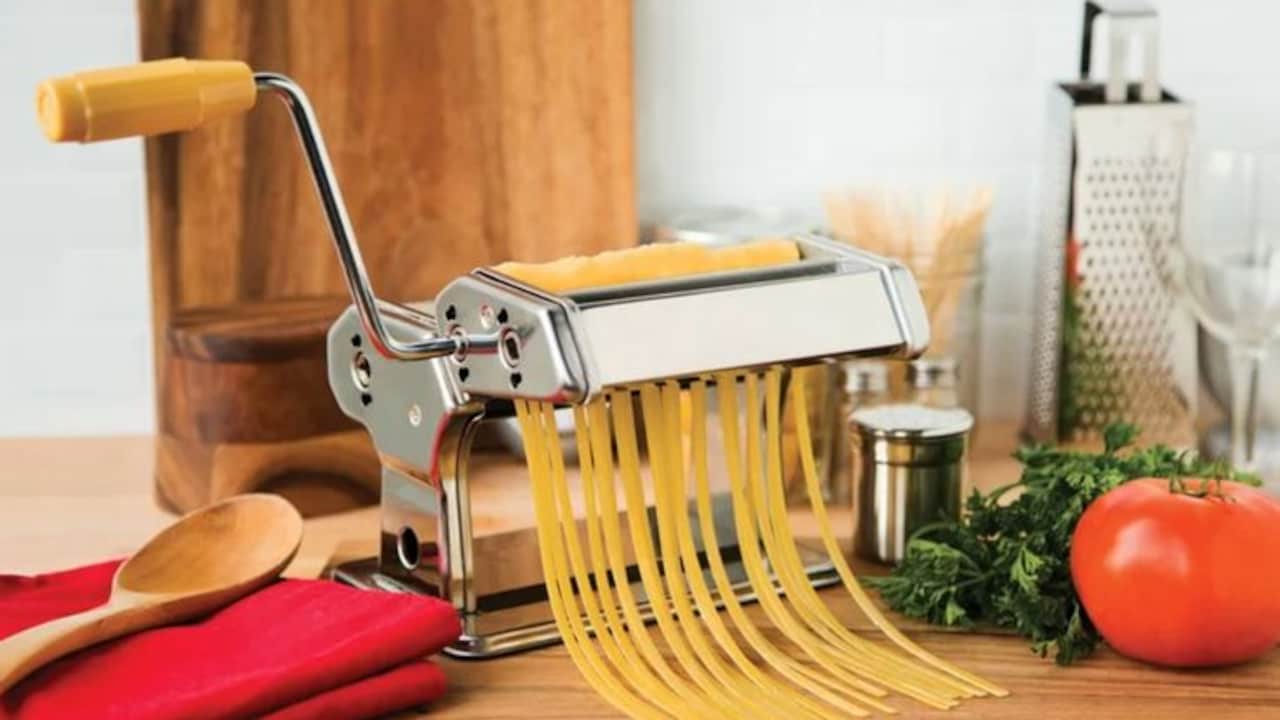
Pasta Roller Thickness Settings: Here Is The Key to Non-Chewy Homemade Pasta.
Fresh pasta carries a kind of magic. The dough feels alive under the palms, and the aroma hints at a meal worth waiting for. Yet disappointment strikes when the cooked pasta turns dense and chewy, closer to rubber than romance. This problem rarely comes from ingredients. Flour, eggs, and water already know their job. Trouble begins when the roller settings go unchecked.
Thickness decides how pasta cooks, how sauce clings, and how each bite feels. Too thick, and the centre stays raw. Too thin, and the strands lose character. Many home cooks rush this stage. The pasta roller thickness settings dial looks intimidating, but it behaves like a friendly guide once understood.
This article explores pasta roller thickness settings in depth. Each section tackles one practical aspect, from dough preparation to matching thickness with shapes. Expect clear explanations, relatable kitchen moments, and a few smiles along the way. After all, pasta making should feel joyful, not stressful.
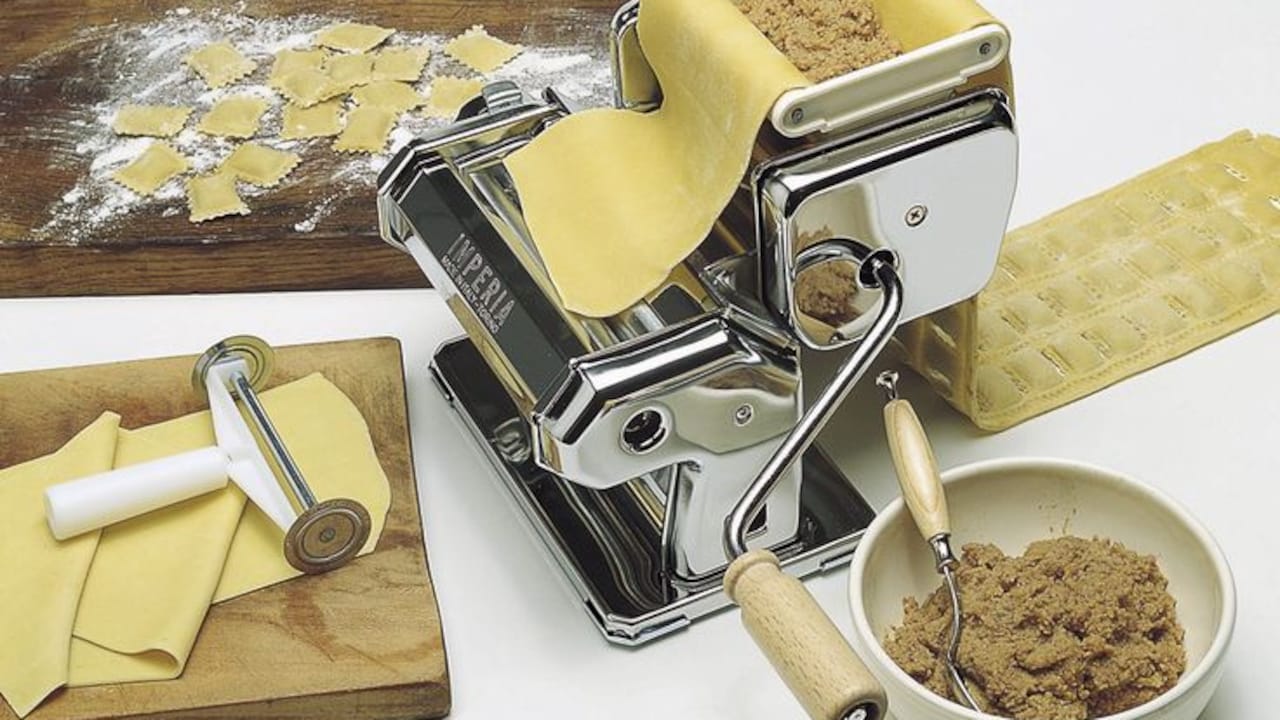
Pasta Roller Thickness Settings: Here Is The Key to Non-Chewy Homemade Pasta.; Photo Credit: Pexels
Before You Turn the Dial: What Thickness Really Does To Pasta
1. Why Thickness Matters More Than Ingredients
Great pasta begins with balance. Ingredients provide structure, but thickness controls texture. Even premium flour and fresh eggs cannot rescue poorly rolled dough. Thick sheets resist water during cooking. The outer layer softens while the centre stays firm, leading to that dreaded chew.
Thin pasta cooks evenly and quickly. Heat travels through the dough without resistance. Sauces also behave better with thinner sheets. A tomato-based gravy coats strands instead of sliding off. A creamy sauce hugs the pasta and carries flavour in every forkful.
Thickness also affects digestion. Overly thick pasta feels heavy after a meal. Thin, well-rolled pasta feels light, even satisfying in smaller portions. Many home cooks blame portion size, yet thickness plays a larger role.
Consider a common kitchen scene. A batch of dough gets rolled just twice before cutting. The sheets look impressive, but cook unevenly. A few more passes through the roller would have solved everything. Understanding thickness saves ingredients, time, and frustration. It turns pasta from a gamble into a guarantee.
2. Understanding Pasta Roller Numbers Without Fear
The numbered dial on a pasta roller often causes hesitation. Each number represents a gap between rollers. Lower numbers mean a wider gap and thicker dough. Higher numbers narrow the gap and thin the sheet. Simple logic, yet often overlooked.
Most rollers start at setting 0 or 1. This setting exists to flatten dough and shape it into a rectangle. It does not create a final pasta. Skipping this stage causes uneven thickness later. Dough needs gradual thinning to develop strength and elasticity.
Moving too fast through settings tears the dough. Gluten needs time to stretch and align. Rolling through each number once or twice allows this process to happen naturally. Think of it like stretching before exercise. Muscles respond better when warmed up.
The highest setting does not suit every pasta shape. Lasagne sheets love thinness, while tagliatelle prefers a little body. The dial offers control, not a challenge. Once the numbers make sense, fear fades, and confidence grows.
Also Read: Rolling Dough, Twisting Joy: How A Pasta Maker Turns A Regular Meal Into A Ritual
3. The Dough Tells the Truth Before the Roller Does
Before touching the roller, the dough speaks volumes. Properly rested dough feels smooth and slightly springy. Pressing a finger leaves a gentle impression that slowly bounces back. Dry or stiff dough resists rolling and cracks at the edges.
Resting allows gluten to relax. Even ten minutes under a bowl makes a difference. Skipping this step forces the roller to work harder and produces uneven sheets. Many chewy pasta stories begin with rushed dough.
Hydration also affects thickness. Dough that feels too dry needs a few drops of water kneaded in. Wet dough needs a dusting of flour. Balance matters. The roller amplifies any flaw present in the dough.
Paying attention at this stage saves effort later. Well-prepared dough moves smoothly through each setting. It stretches without tearing and holds its shape. The roller then becomes a partner, not a battlefield.
4. Rolling Gradually: The Secret to Silky Pasta
Patience rewards pasta makers. Gradual rolling creates layers within the dough that cook evenly. Each pass through the roller stretches gluten strands further, building strength without toughness.
Start at the widest setting. Fold the dough into thirds and roll again. Repeat this process a few times. This technique evens out the texture and removes air pockets. Once the sheet looks uniform, begin increasing the setting one notch at a time.
Rushing from thick to thin shocks the dough. Tears appear, and rough edges form. These imperfections lead to uneven cooking. Gradual rolling avoids these issues and produces smooth sheets that feel almost velvety.
This step often feels repetitive, yet it sets the foundation. Many seasoned cooks treat this stage as a rhythm. Roll, fold, turn. The process becomes calming, almost meditative. The reward arrives later, on the plate.
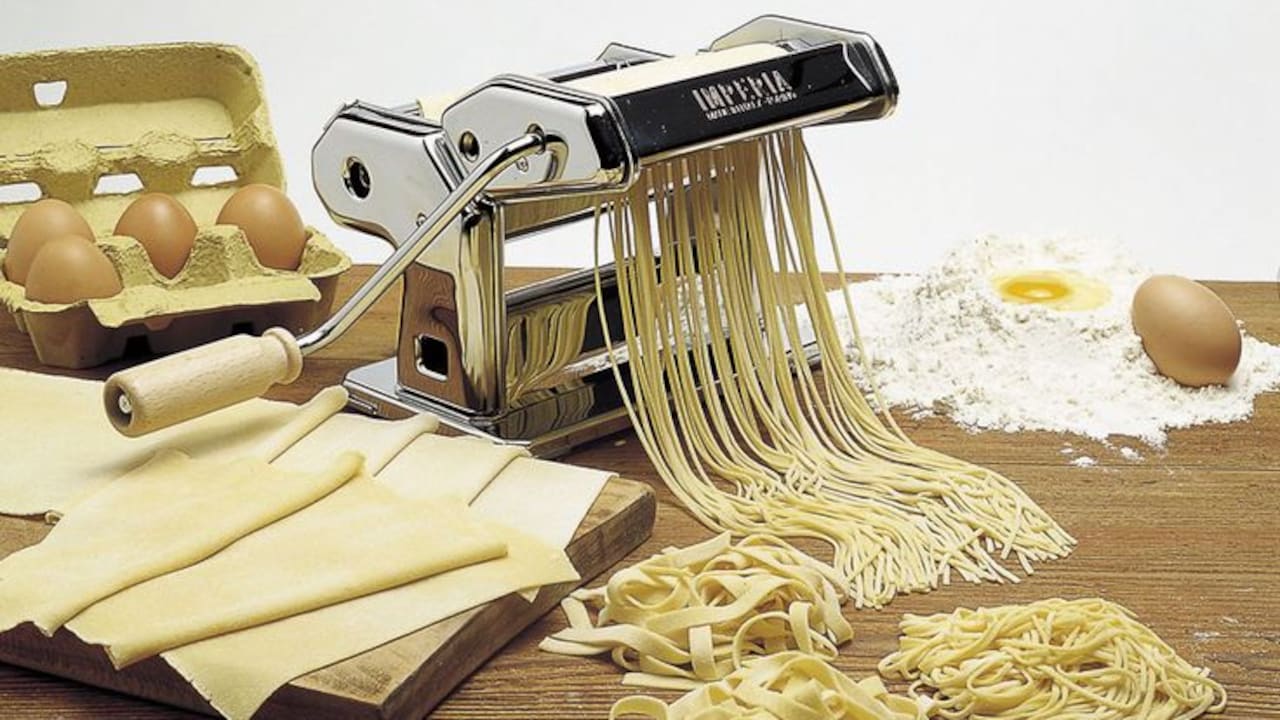
Pasta Roller Thickness Settings: Here Is The Key to Non-Chewy Homemade Pasta.; Photo Credit: Pexels
5. Matching Thickness to Pasta Shapes
Not all pasta shapes share the same needs. Thickness should match purpose. Long strands like spaghetti and fettuccine thrive at medium-thin settings. They need enough body to hold sauce yet remain tender.
Lasagne sheets demand thinness. They stack better and cook evenly in the oven. Thick sheets turn gummy between layers. Ravioli and filled pasta need balance. Too thin, and they tear. Too thick, and the filling overwhelms the bite.
Short shapes cut by hand also benefit from thoughtful thickness. Pappardelle enjoys a slightly thicker sheet that adds chew without heaviness. Angel hair requires the thinnest setting available, or it clumps and overcooks.
Choosing the right setting feels like tailoring clothes. One size never fits all. Understanding this relationship elevates homemade pasta from decent to delightful.
6. Climate, Flour, and Local Kitchens
Kitchen conditions influence pasta more than many expect. Humid weather softens dough quickly. Dry air pulls moisture away. Flour absorbs water differently depending on storage and milling.
During monsoon months, dough may feel sticky sooner. Light dusting helps, but excess flour toughens pasta. In dry seasons, dough may crack at higher settings. A quick mist of water on the surface solves the issue.
Flour types also matter. Finely milled flour rolls thinner with ease. Coarser flour resists stretching and prefers slightly thicker settings. Observing how dough behaves in the roller teaches more than any recipe.
Local kitchens bring personality into pasta making. Ceiling fans, open windows, and ambient heat all play roles. Adjusting thickness settings with awareness leads to consistent results, regardless of weather or flour brand.
7. Common Thickness Mistakes and How to Fix Them
Many pasta problems share familiar roots. Cutting sheets too early ranks high on the list. Thick dough looks impressive but disappoints during cooking. The fix involves returning the sheet to the roller and thinning it further.
Another mistake involves skipping settings. Jumping from setting 2 to 6 saves time but costs texture. Dough needs gradual stretching. Tears and rough surfaces signal stress.
Over-flouring also causes trouble. Excess flour dries the surface and blocks proper rolling. Brushing off extra flour between passes keeps sheets supple.
Finally, uneven pressure creates inconsistent thickness. Feeding dough straight and steady into the roller avoids this. Small adjustments correct big problems. Awareness turns mistakes into lessons rather than failures.
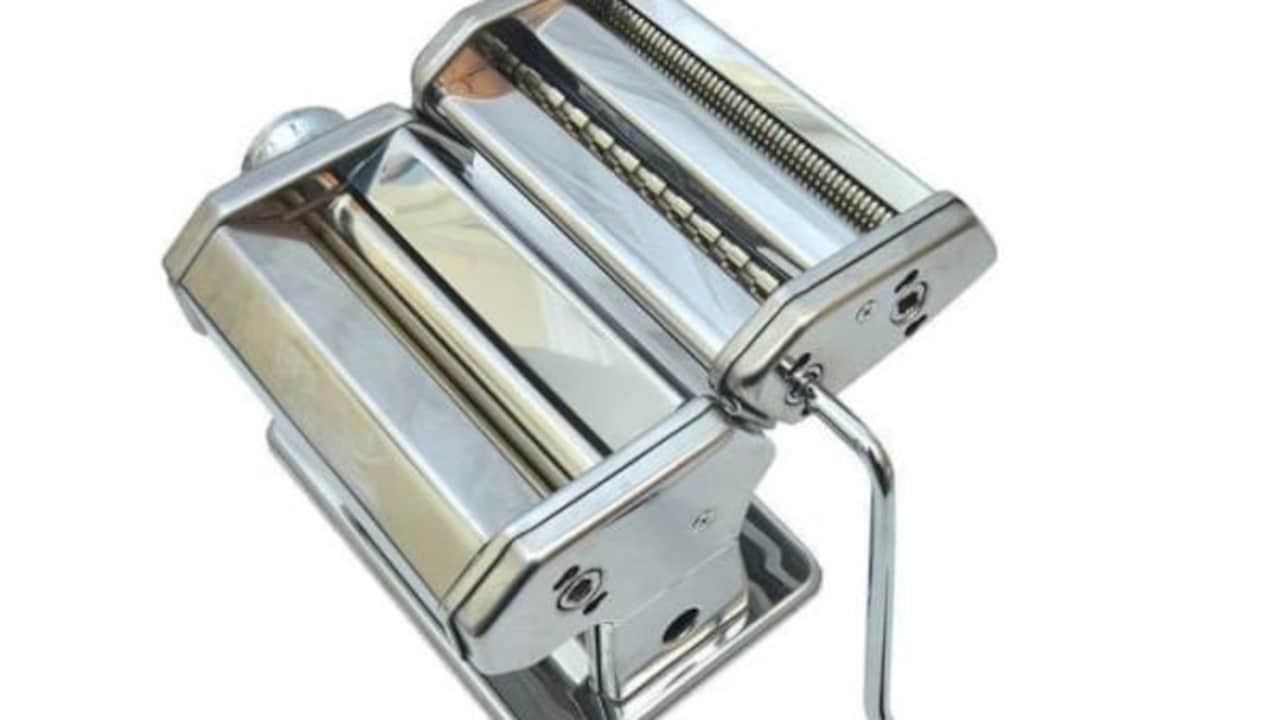
Pasta Roller Thickness Settings: Here Is The Key to Non-Chewy Homemade Pasta.; Photo Credit: Pexels
8. Hand Rollers vs Electric Rollers
Both hand-cranked and electric rollers produce excellent pasta. Thickness principles remain the same. The difference lies in control and pace. Hand rollers encourage slower movement and attentiveness. Electric rollers speed things up and free one hand.
Electric models tempt users to rush. The dough still needs gradual thinning. Skipping steps causes the same issues as with manual rollers. Speed should never replace patience.
Hand rollers build a connection with the dough. Turning the crank allows immediate feedback. Resistance signals when to stop or adjust. Electric rollers require visual cues instead.
Choosing between them depends on kitchen style and volume. Regardless of type, thickness settings dictate success. Mastery comes from understanding, not machinery.
9. Cooking Pasta Confirms the Right Thickness
The pot reveals the truth. Properly rolled pasta cooks quickly and evenly. Fresh pasta rarely needs more than two to three minutes. Thick pasta lingers longer and risks uneven texture.
Taste testing during cooking helps. A bite should feel tender with a slight spring. There should be no chalky centre. Overcooked pasta turns mushy, but undercooked thick pasta stays chewy.
Thickness also affects sauce absorption. Thin pasta releases a little starch, creating a silky coating. Thick pasta often sheds sauce, leaving flavour behind.
Observing cooking behaviour refines future rolling choices. Each batch teaches something new. Over time, thickness settings become instinctive rather than measured.
10. Turning Practice into Pasta Confidence
Confidence grows with repetition. The first few attempts may feel clumsy. Sheets tear, edges fray, and timing feels off. These moments form part of the learning curve.
Keeping notes helps. Jot down which setting worked for which shape. Note weather conditions and flour choices. Patterns emerge quickly. Soon, hands move with certainty.
Pasta making then shifts from task to pleasure. Friends notice the difference. Plates return empty, and compliments follow. Chewy pasta fades into memory.
Mastering thickness settings unlocks creativity. Coloured dough, stuffed shapes, and layered dishes all become achievable. The roller dial stops being mysterious and starts feeling like a trusted tool.
Products Related To This Article
1. 2-in-1 Pasta Maker Machine with Cleaning Kit
2. YASHE 2-in-1 Pasta Maker with Cleaning Kit
3. Marcato Atlas Pasta Machine
4. BEYOND BASIC Stainless Steel Pasta Noodle Cutter
5. DAS Stainless Steel Manual Pasta Maker Machine
Non-chewy homemade pasta does not rely on luck or luxury tools. It depends on understanding thickness and respecting the process. Each turn of the roller dial shapes texture, flavour, and enjoyment. Taking time to roll gradually, matching thickness to shape, and listening to the dough transforms results. Pasta roller thickness settings hold quite a power. Mastering them unlocks tender strands, delicate sheets, and meals worth remembering.
(Disclaimer: This article may include references to or features of products and services made available through affiliate marketing campaigns. NDTV Convergence Limited (“NDTV”) strives to maintain editorial independence while participating in such campaigns. NDTV does not assume responsibility for the performance or claims of any featured products or services.)