Why Portable Blenders Stop Working and Things To Check Before Buying One
Portable blenders often stop working due to weak motors, battery issues, water damage, or poor design. Learn the top reasons they fail and what to check before buying one.
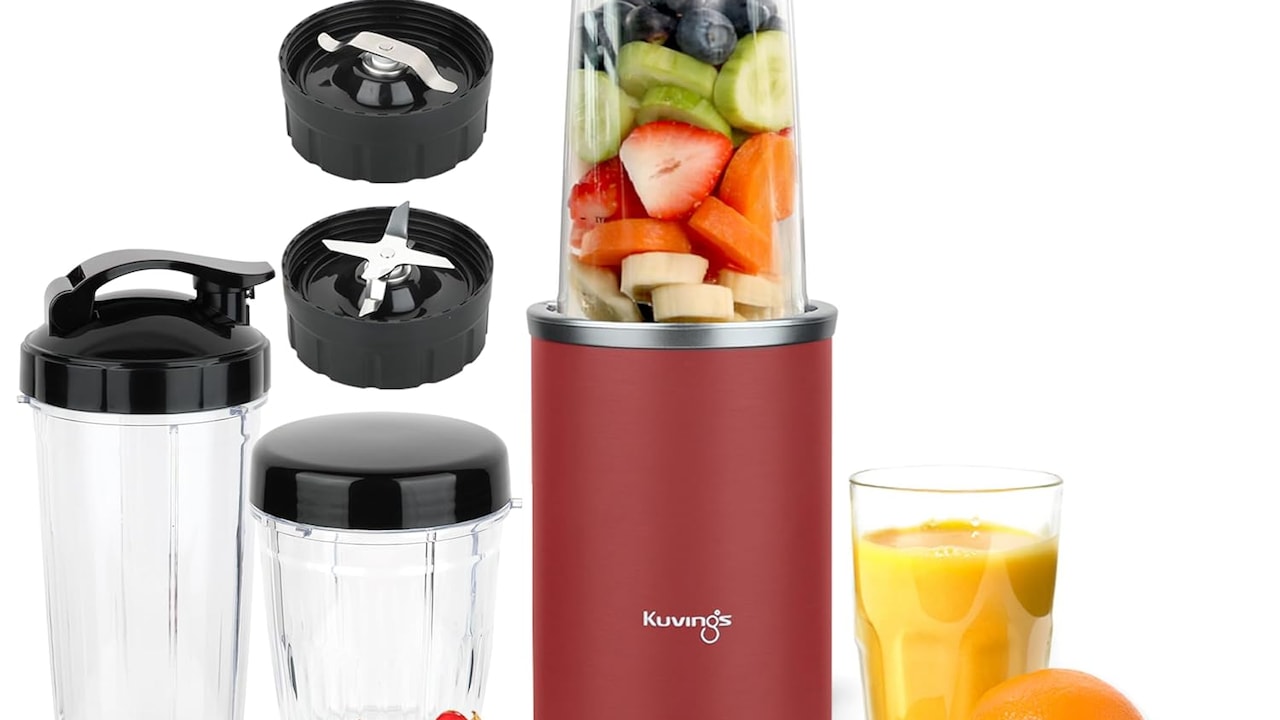
Your Portable Blender Not Working? Here Are Top Reasons They Fail And What To Check Before Buying.
Portable blenders have become the new “must-have” gadget. They look cute, feel convenient, and the marketing makes them seem unstoppable, like they can crush ice, grind nuts, and blend frozen fruit while sitting in a handbag. In real life, many of them behave more like moody roommates. Some work brilliantly for three weeks, then refuse to start. Others run, but the smoothie stays stubbornly chunky. And a few simply die after one accidental drop of water near the charging port.
The truth is, portable blenders are useful, but they have limits. They also have common failure points, and most buyers learn them only after spending ₹1,500 to ₹4,000 and feeling personally betrayed by a small appliance.
This article covers ten practical reasons portable blenders stop working, and the things to check before buying one. The goal is simple: fewer regrets, fewer dead gadgets, and smoother mornings.
Why Portable Blenders Stop Working: 10 Common Reasons and Buying Tips
Photo Credit: Amazon
10 Common Reasons Portable Blenders Stop Working
1) The Motor Is Smaller Than the Marketing Claims
One of the most common reasons portable blenders stop working is also the least dramatic: the motor is simply not built for what people ask it to do. Many models advertise big numbers, “high speed”, “ice crushing”, “powerful vortex blending”, but inside, the motor is compact and designed for soft blending.
This becomes obvious the moment someone tosses in frozen banana chunks, ice cubes, or dry nuts. The blender tries. It struggles. It heats up. Then it shuts down, sometimes permanently. It's like expecting a scooter to pull a truck just because the sticker says “turbo”.
Before buying, check the motor rating and be realistic about usage. A portable blender works best for soft fruits, protein shakes, and pre-cut ingredients. If the plan includes daily frozen smoothies, it needs a sturdier motor and a better blade system. Otherwise, the blender will fail early, and the owner will start blaming the universe, the brand, and possibly the fruit itself.
2) Battery Quality Is Often the Weakest Link
Portable blenders run on batteries, and batteries age. The problem is that many budget models use cells that age quickly, especially in hot weather. After a few months, the blender still charges, but the runtime drops sharply. It starts slowing down, stalling mid-blend, or refusing to start unless it's fully charged.
This can feel confusing because nothing looks broken. The jar is fine. The blades look normal. The lights turn on. But the battery no longer delivers the power needed to spin the blades under load.
Before buying, check battery capacity and charging time. Some blenders claim “20 blends per charge”, but that number usually assumes watery fruit and tiny portions. If a blender charges in 2–3 hours and has a decent battery capacity, it tends to behave better. Also, check whether the brand sells replacement parts or offers service support. A portable blender with a dead battery becomes a plastic cup with ambition.
3) Overloading Happens More Than People Admit
Portable blenders have small jars, and people still manage to overload them. It happens because the jar looks bigger than it is, and there's always that temptation to squeeze in “just one more piece” of mango.
Overloading puts stress on the motor and battery. It also makes the blade jam. Many portable blenders have a safety mechanism that stops the motor when resistance is too high. That's good in theory, but repeated overload cycles can damage the motor or the internal circuitry.
Before buying, check the jar capacity and the max fill line. Some models also include clear guidance for portion sizes. That matters more than it sounds. A good portable blender should blend smoothly without needing constant shaking, tapping, or bargaining with it.
If the blender requires a full workout to make a smoothie, it will stop feeling convenient fast. A blender should not make mornings feel like a gym session.
4) Water Damage Sneaks In Through Charging Ports
Water damage is a silent killer for portable blenders. These devices get washed frequently, and most people rinse them quickly at the sink. The problem is that water loves travelling. It slips into charging ports, button gaps, and tiny seams near the base.
Some blenders claim to be “water resistant”, but many are not properly sealed. Once water reaches the electronics, corrosion begins. The blender might work for a week, then suddenly refuse to charge or turn on.
Before buying, check whether the blender has a covered charging port or a proper rubber seal. A flap that actually stays shut matters. Also, check if the base is designed to be separated safely from the jar for cleaning. The safest design is one where the blade unit and jar can be washed without exposing the motor base to water.
Because the truth is simple: portable blenders do not fear fruit. They fear the sink.
5) Blade Assembly Problems Are More Common Than People Think
Blades are the heart of a blender. In portable models, blade assemblies often include seals, bearings, and locking mechanisms. If any of these parts loosen, the blender may leak, wobble, or stop working.
Sometimes the blade gets bent after hitting a hard ingredient. Sometimes the seal wears out. Sometimes the blade assembly gets stuck with pulp, making it harder to rotate. When the motor senses resistance, it shuts down.
Before buying, check whether the blade assembly is removable and replaceable. Many brands sell portable blenders but do not sell spare blades or seals. That means a tiny damaged part forces a full replacement.
A good portable blender should allow cleaning without forcing fingers near sharp blades. It should also feel solid when screwed into place, without a flimsy wobble. If the blade unit feels like it belongs in a toy, the blender will behave like one, too.
6) Safety Locks Can Fail or Become Annoyingly Sensitive
Portable blenders often include safety features that stop the blades unless the jar is locked properly. That's important because nobody wants a blender spinning open on a kitchen counter. But the same safety mechanism can become the reason the blender “stops working”.
Some models have sensors that become too sensitive. A slight misalignment, a worn thread, or even a tiny piece of pulp in the locking groove can stop the blender from starting. It feels like the blender is dead, but it's actually being overly cautious.
Before buying, check how the locking system works. A good design makes it easy to align and secure. It should click into place with confidence. If the jar needs multiple attempts, the safety sensor will eventually become a daily irritation.
Portable blenders should make life easier, not turn every smoothie into a puzzle.
7) Charging Issues Are Often a Design Flaw, Not User Error
Many portable blenders stop working because they stop charging properly. People often assume the cable is faulty, but the real issue can be the charging port itself. Some ports loosen quickly. Some sit too deeply. Some have poor soldering inside.
In a country where charging cables get tugged, twisted, and occasionally yanked out in frustration, weak ports do not last long. Also, voltage fluctuations can affect cheap charging circuits.
Before buying, check whether the blender uses a common charging standard like USB-C. That's not just a modern feature, it's a practical advantage. USB-C ports tend to be sturdier and easier to replace in daily life. Also, check whether the blender can run while charging, and whether it has clear charging indicators.
A blender that charges unpredictably becomes the most annoying kind of gadget: the one that wastes time.
8) Cheap Plastic Jars Crack, Cloud, or Start Smelling
The jar might not seem like the main reason a blender stops working, but it often triggers the chain reaction. Cheap plastic jars crack from drops, become cloudy from repeated washing, or start holding smells. Once the jar is damaged, leaks begin. Once leaks begin, water reaches the motor base.
Some jars also warp slightly over time, which affects the blade alignment. That creates friction. That friction makes the motor work harder. The motor overheats. The blender shuts down.
Before buying, check the jar material. BPA-free plastic is common, but quality still varies. Tritan jars tend to handle daily use better. Also, check whether the brand sells replacement jars. That one detail can extend the blender's life by years.
Nobody wants a blender that smells like yesterday's protein shake no matter how much it's washed. That is not “flavour”. That is trauma.
9) People Expect It to Replace a Full-Size Blender
This is a big one, and it's not talked about enough. Portable blenders are designed for convenience, not heavy-duty performance. Yet many buyers expect them to handle the same tasks as a countertop blender.
That expectation leads to abuse. Ice crushing, grinding almonds, thick smoothie bowls, and blending without enough liquid all push portable blenders beyond their limits. Over time, the motor weakens, the battery strains, and the blades dull.
Before buying, decide what the blender is for. If it's for quick fruit smoothies, lassi-style drinks, and protein shakes, a portable blender can be brilliant. If it's for making thick nut butter or crushing ice daily, it will fail, and it will fail fast.
Portable blenders are like small hatchbacks. They are great for daily travel. But they are not meant to haul cement bags.
10) Poor After-Sales Support Turns Small Problems Into Total Failure
Even the best portable blender can develop issues. A seal wears out. A blade assembly loosens. The battery weakens. The difference between a good purchase and a regret is often after-sales support.
Many brands sell portable blenders online with glossy photos and big claims. But when the blender stops working, service becomes a maze. There's no spare parts system, no repair centre, and no clear warranty process. So a small fix becomes impossible.
Before buying, check the warranty period and what it covers. Also, check whether the brand has service options in major cities. If the product page looks suspiciously vague about service, that's a warning sign.
A portable blender should not be disposable after a few months. If the brand treats it like a throwaway item, the buyer ends up paying repeatedly and slowly building a collection of dead gadgets at home.
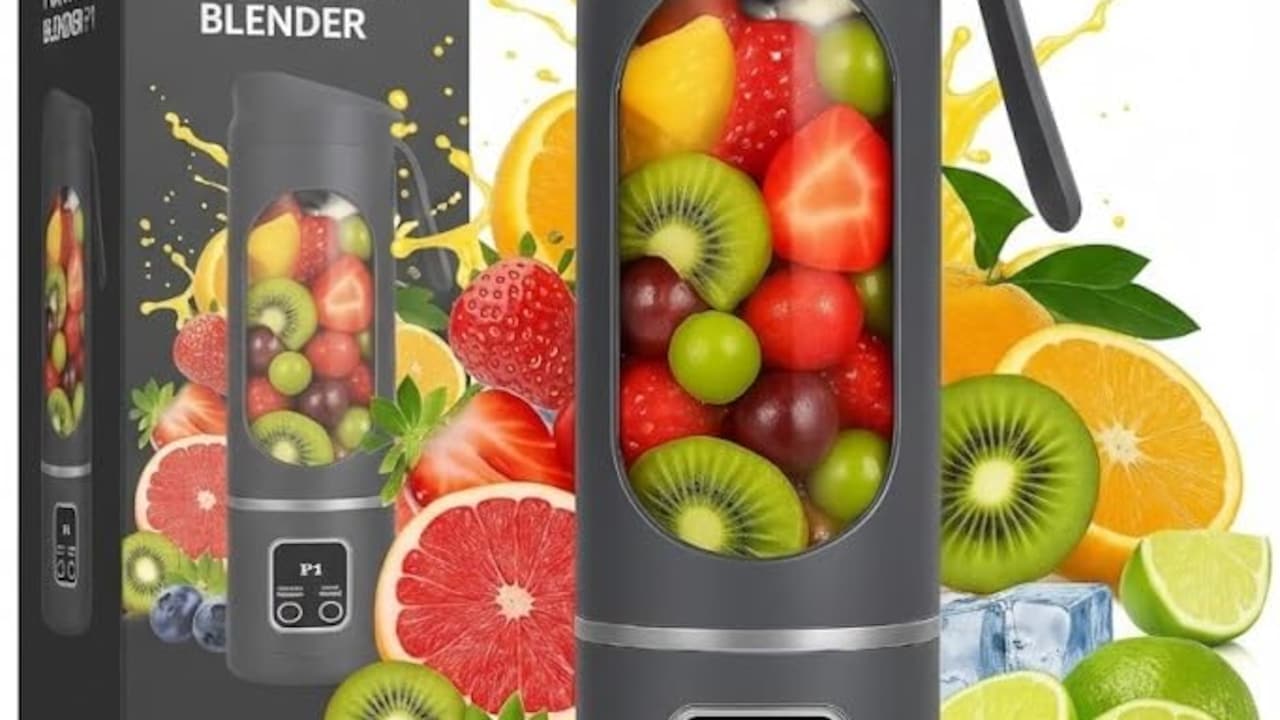
Why Portable Blenders Stop Working: 10 Common Reasons and Buying Tips
Photo Credit: Amazon
Products Related To This Article
1. OWNAIR Portable Blender
2. Kuvings New 2025 Nutri Blender PRO 2.0 Ferrari Red
3. NutriPro Juicer Mixer Grinder - Smoothie Maker - 500 Watts
4. InstaCuppa Portable Blender for Smoothie and Juices
5. Kilig Vortex Pro 360W Dual Mode Portable Blender for Smoothie and Juices
Portable blenders can be genuinely useful. They save time, reduce mess, and make it easier to stick to healthier routines without turning the kitchen into a crime scene every morning. But they are also small machines with real limitations, and they tend to fail in predictable ways.
Most breakdowns happen because of motor strain, weak batteries, water damage, blade assembly issues, and charging problems. And many of these failures can be avoided by buying smarter: choosing a solid build, checking charging standards, looking for replaceable parts, and picking a blender that matches realistic needs.
A portable blender should feel like a helpful sidekick, not a fragile gadget that needs emotional support. With the right checks before buying, it can stay reliable and keep mornings smooth, literally and otherwise.
(Disclaimer: This article may include references to or features of products and services made available through affiliate marketing campaigns. NDTV Convergence Limited (“NDTV”) strives to maintain editorial independence while participating in such campaigns. NDTV does not assume responsibility for the performance or claims of any featured products or services.)