RO Water Purifiers Water Wastage Myth Busted: The Truth Behind the Misconception
RO water wastage is one of the most repeated myths. Learn what reject water really is, why it happens, and how modern RO systems are far more efficient than people think.
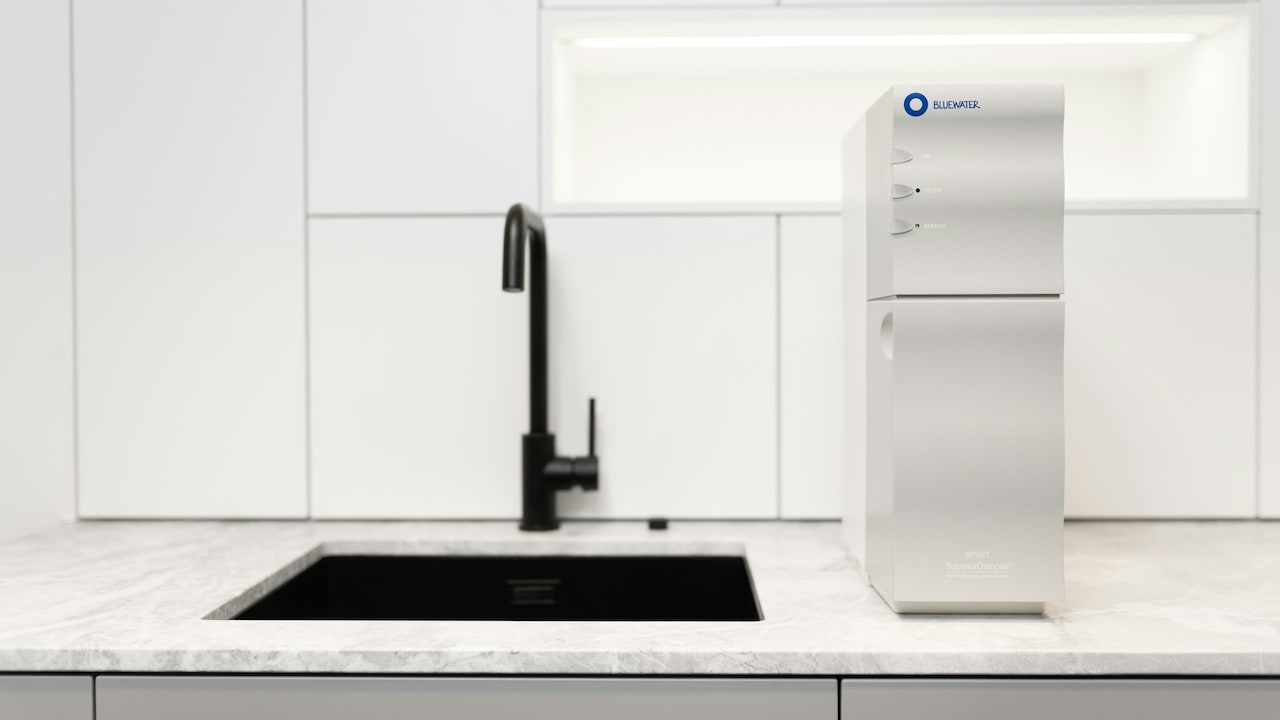
Does RO Really Waste Water? Here Is The Actual Truth About RO Purifiers and Water Wastage.
There's a familiar scene in many homes: someone fills a glass from the RO tap, takes a sip, nods approvingly, and then someone else says, “But you know RO wastes a lot of water, right?” And just like that, a perfectly good glass of water turns into a moral dilemma.
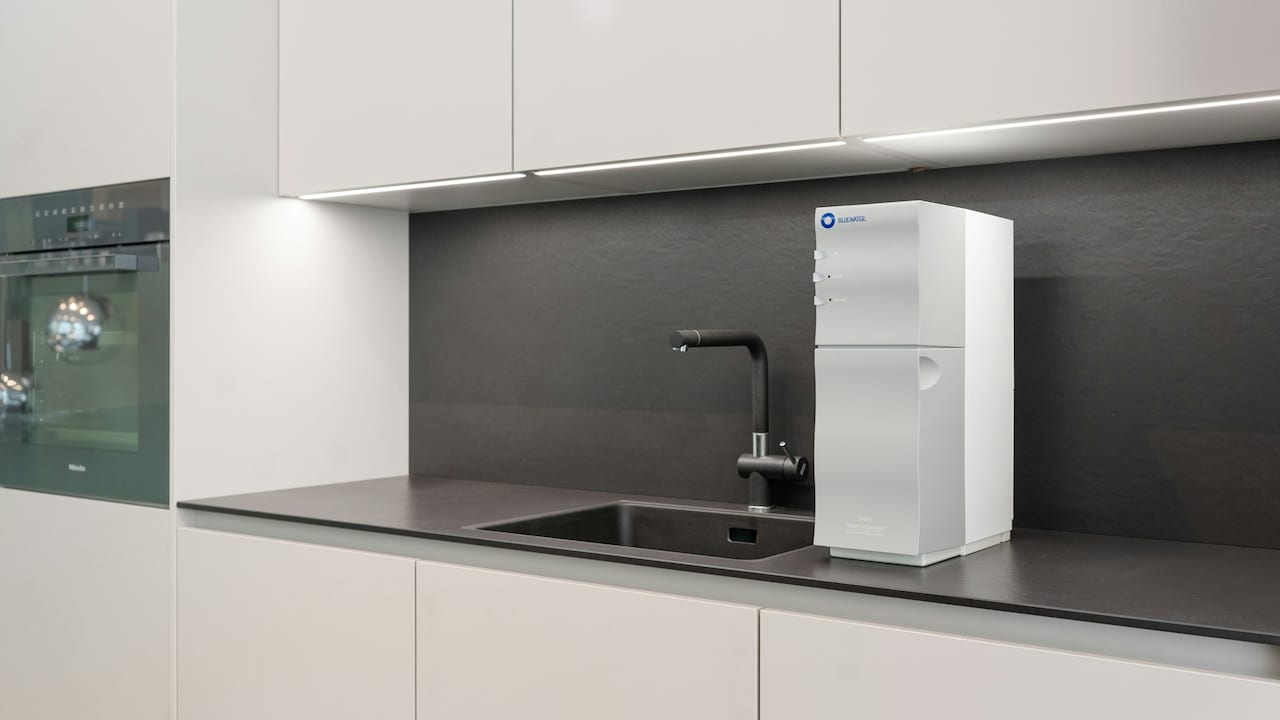
Important things to know about RO water wastage; Photo Credit: Unsplash
The “RO water wastage” argument has become so popular that it now feels like common sense. Yet, common sense and water science don't always shake hands. Yes, RO purifiers do reject water during filtration. But no, that doesn't automatically mean the purifier is irresponsible or unsuitable. In fact, the wastage conversation often ignores what the purifier is actually doing: removing harmful dissolved contaminants that regular filters simply cannot handle.
The bigger truth is this: the real question isn't “Does RO waste water?” The real question is “What water is it saving you from consuming?”
Let's bust the myth properly, without technical headaches, guilt trips, or the classic “one-size-fits-all” advice.
Also Read: Top 5 Water Purifiers Under ₹10,000 In India
Let's Break The Myth Down, Point By Point
1. The Myth Began with Older RO Technology (and It Never Updated Its Resume)
A lot of the outrage around RO wastage comes from numbers that used to be true. Early RO systems had a reputation for rejecting 70–80% of input water. That means for every litre of drinking water, 2–3 litres went down the drain. Those figures spread like gossip at a wedding: fast, loud, and rarely corrected.
But RO technology didn't stop evolving just because the myth got comfortable. Newer systems use better membranes, smarter flow restrictors, and improved recovery ratios. Many models now work closer to 1:1 or 1:2 ratios, depending on water pressure and TDS levels. In normal homes with a stable municipal supply, the recovery rate is often far better than the scary figures people quote.
The myth also survives because people love simple villains. “RO wastes water” is an easy sentence. “RO rejects water based on dissolved solids, membrane performance, pressure, and inlet quality” doesn't fit into a casual conversation. But the second one is closer to the truth.
2. What People Call “Wastage” Is Actually the Purifier Doing Its Job
RO works differently from UV or sediment filters. A sediment filter removes visible particles like sand, rust, and dirt. UV kills microbes. But RO tackles dissolved impurities, the sneaky stuff that doesn't show up in colour or smell.
Dissolved impurities include heavy metals, excess salts, fluoride, arsenic, nitrates, and other contaminants that can quietly build health risks over time. RO pushes water through a semi-permeable membrane. Clean water passes through. The concentrated impurities get flushed away as reject water.
That rejected water is not “extra water the purifier wasted for fun.” It's the water carrying away what you don't want in your body. Calling it wastage is like calling the dustbin “food wastage” because it contains vegetable peels.
The purifier is not producing clean water. It's separating. The rejected part exists because the contaminants need somewhere to go. If they stayed, the “purified” water would just be an illusion.
3. The Real Water Waster in Most Homes Isn't RO
This part tends to sting a little, but it's worth saying: many homes lose more water through daily habits than through RO rejection.
A leaky tap that drips steadily can waste shocking amounts over a month. A shower that runs while someone scrolls reels can quietly pour litres into the drain. Washing a scooter with a hose instead of a bucket can feel satisfying, but it's also a small flood disguised as cleaning.
Now compare that with RO usage. A typical family might consume 10–20 litres of drinking and cooking water per day. Even if the RO rejects double that amount, the total is still far lower than what many households lose through casual everyday waste.
The RO becomes the scapegoat because its reject pipe is visible. The drip behind the bathroom tap isn't. The hosepipe drama on Sunday morning isn't labelled “wastage” because it's normalised.
If the goal is water responsibility, it makes more sense to fix household leaks and habits first, instead of demonising the purifier that protects health.
4. Water Quality Decides RO Efficiency More Than the Machine Does
Here's a key detail people often miss: RO wastage depends heavily on inlet water quality. If the incoming water has very high TDS, the purifier must reject more water to keep the output safe and palatable.
In areas where borewell water dominates, TDS can shoot up. It can also carry hardness and dissolved salts. In such cases, RO has to work harder, and rejection rises. But that doesn't mean the purifier is badly designed. It means the water is tough.
On the other hand, in places where treated municipal water comes with moderate TDS, RO rejection can be much lower. Some households even find that RO isn't required at all and a UV + UF setup does the job.
So the wastage myth becomes misleading because it assumes all homes receive the same kind of water. They don't. A flat in a metro with a stable supply and a house in a semi-urban area with borewell water live in two different universes, water-wise.
5. Modern RO Purifiers Are Smarter Than People Give Them Credit For
Older RO units worked like stubborn uncles: one method, one mood, no adjustments. Newer systems behave more like smart devices. Many now come with features that improve efficiency and reduce rejection.
Some models use water-saving technology, high recovery membranes, and pump-based pressure systems. Some include TDS controllers that prevent over-purification. That matters because when RO strips too many minerals, it can make water taste flat and unnecessary rejection increases.
There are also models with storage and auto-flush features that keep membranes healthy. A well-maintained membrane rejects less water over time because it doesn't get clogged with scale.
This is the part that's quietly funny: people often complain about RO wastage while using a 10-year-old purifier that hasn't seen a proper service in ages. A neglected RO will behave inefficiently, like a scooter that hasn't had an oil change and then gets blamed for low mileage.
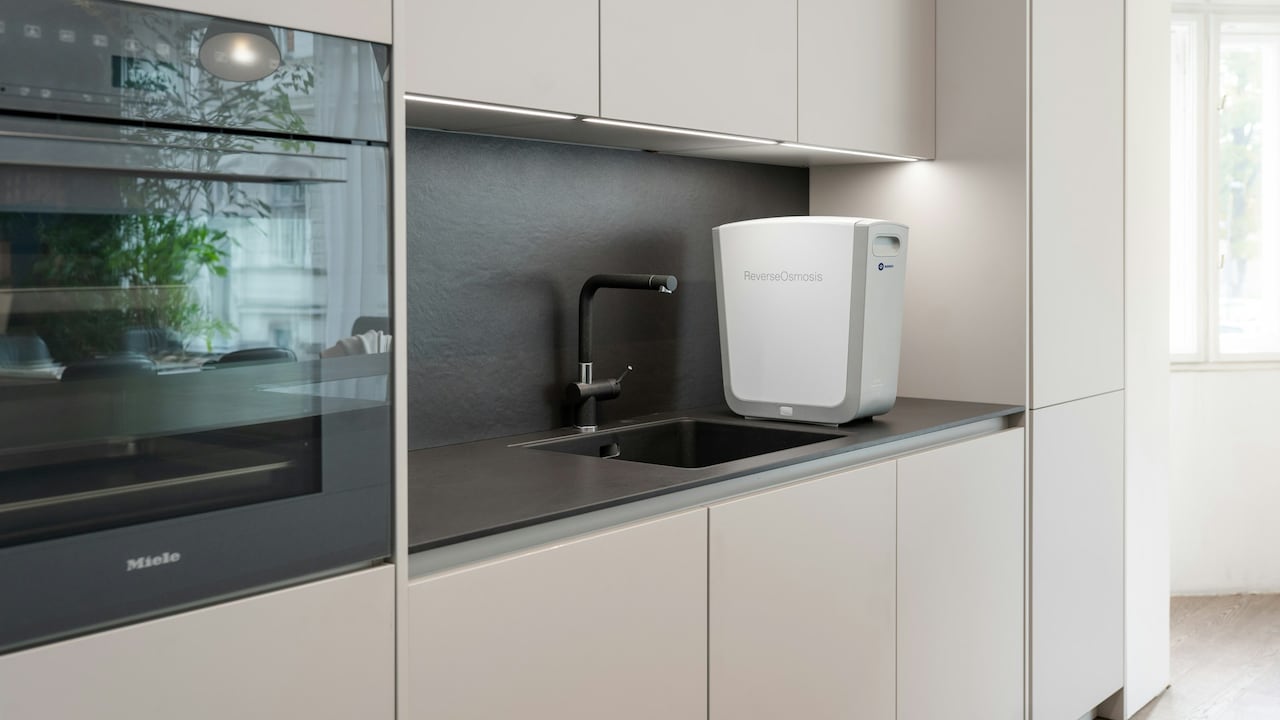
Modern water purifiers use water-saving technology and TDS controllers that prevent over-purification; Photo Credit: Unsplash
6. The Reject Water Isn't Useless: It's Just Not for Drinking
A big reason people feel guilty is that the water they reject usually goes straight into the drain. It feels wasteful because it disappears. But in many homes, it doesn't have to.
Reject water is not sewage. It's simply water with higher dissolved solids. That makes it unsuitable for drinking and cooking, but it can still be used for tasks where dissolved salts don't matter much.
It works well for mopping floors, cleaning balconies, washing utensils (especially the pre-rinse stage), and flushing. Some households even collect it in a bucket for watering hardy plants, though sensitive plants may not love it if TDS is too high.
Even without fancy plumbing, small changes help. A simple collection container near the reject pipe can capture a few litres a day. Over a month, that becomes meaningful reuse.
So the myth that RO water is “wasted” is often just a myth of convenience. It's wasted only when the home chooses not to reuse it.
7. RO Is Often Misused: The Bigger Problem Is Overkill
Now for an uncomfortable truth: many homes install RO even when they don't need it. And this is where the criticism gains some ground.
If the incoming water already has low TDS and is treated properly, using RO can become unnecessary. In such cases, the purifier may remove minerals that the body can benefit from, and it may reject water that didn't need such aggressive filtration in the first place.
This happens because “RO” has become shorthand for “safe water.” It's like assuming the most expensive phone automatically gives the best experience. Not always.
Water purification should match water quality. A good water test is far more useful than guesswork. If the TDS is within a safe range and microbial risk is the main concern, UV and UF options may be better.
The myth shouldn't be “RO wastes water.” The more accurate sentence is: “RO wastes water when it's installed blindly.”
8. The Health Trade-Off Matters More Than the Purifier Debate
This part gets lost in the noise. The point of purification is not just taste. It's long-term health protection.
In many areas, groundwater can carry contaminants that don't show up in colour or smell. Heavy metals like lead, excess fluoride, arsenic, nitrates, and high hardness can pose risks over time. A normal candle filter or basic purifier cannot remove many of these.
RO is one of the few household technologies that can reduce such dissolved impurities significantly. So the decision becomes a trade-off: a few litres of reject water versus the risk of consuming contaminants daily.
Nobody enjoys the idea of wasting water. But nobody should romanticise drinking unsafe water either. Health costs are also real, and they don't come with a polite warning.
The most sensible approach is not emotional. It's practical: use RO when required, optimise it, and reuse reject water wherever possible.
9. Efficiency Is a Setup Issue: Pressure, Plumbing, and Maintenance Change Everything
Two identical RO purifiers can behave very differently in two homes. That surprises people, but it's normal.
Low water pressure can increase rejection. Poor installation can lead to inefficient flow. Old membranes can reject more water because they struggle to filter efficiently. Incorrect pre-filter changes can clog the system and reduce recovery.
Maintenance is not just a service-centre upsell. It directly affects water recovery. A purifier with a choked sediment filter will strain the membrane. A damaged flow restrictor will mess up ratios. A neglected tank can lead to repeated flushing.
Many households judge RO wastage without checking the basics. It's like blaming the fridge for high electricity bills while keeping the door open for five minutes every time.
A well-installed and well-maintained RO often uses far less water than people assume. Most wastage horror stories come from poorly maintained units.
10. The Real Truth: RO Isn't the Enemy, Careless Use Is
So what's the truth behind the misconception?
RO does reject water, yes. But calling it wastage without context is lazy. The rejected water carries dissolved impurities away. That's the whole purpose. The amount rejected varies based on inlet water quality, pressure, technology, and maintenance.
The real problem is not RO itself. The real problem is when people install it without testing the water, ignore servicing, and let rejected water flow into the drain, even when it could be reused.
If a home truly needs RO because of high TDS or dissolved contaminants, then using RO is not irresponsible. It's sensible. If a home doesn't need RO, then installing it is like wearing a raincoat in May and complaining it feels sweaty.
The best way to be water-smart is not to fear RO. It's to understand it. Choose correctly, maintain it well, and reuse what it rejects.
Products Related To This Article
1. AquaX Pure Ro water Purifier RO+UV+COPPER+ZINC 10 Stages Purification
2. AQUA D PURE 4 in 1 Copper RO Water Purifier with 10 Stage Purification Filtration
3. AO Smith Z9 Pro Black RO Water Purifier For Home
4. KENT Supreme Plus Alkaline+Copper RO Water Purifier
5. Pureit Eco Water Saver RO Purifier (Black) with RO+UV+MF Filtration
6. Aquaguard Enrich Marvel RO+UV+UF 2X
7. Pureit Revito RO+MF+Mineral+UV in-Tank
The “RO water wastage” claim sounds convincing because it's simple. But reality is rarely that tidy. RO doesn't waste water for no reason. It rejects water because it is removing dissolved impurities that other filters cannot remove.
The myth survives because many people still imagine RO as old, inefficient technology. In truth, modern systems have improved significantly, and the biggest drivers of rejection are water quality, pressure, and maintenance. In many homes, daily habits waste more water than an RO purifier ever will.
The smarter approach is clear: test the water, choose the right purifier, maintain it properly, and reuse reject water wherever possible. That way, clean drinking water doesn't come with guilt.
And the next time someone declares, “RO wastes too much water,” there's a good response ready: “Only when people use it the wrong way.”
(Disclaimer: This article may include references to or features of products and services made available through affiliate marketing campaigns. NDTV Convergence Limited (“NDTV”) strives to maintain editorial independence while participating in such campaigns. NDTV does not assume responsibility for the performance or claims of any featured products or services.)