Top 10 Common Steam Iron Mistakes To Avoid That Leave Clothes Creased
Using a steam iron seems simple, yet stubborn creases often remain. From rushing the process to misreading fabrics, small mistakes undo the effort. These 10 common steam iron mistakes explain why clothes stay wrinkled and how to fix them fast.
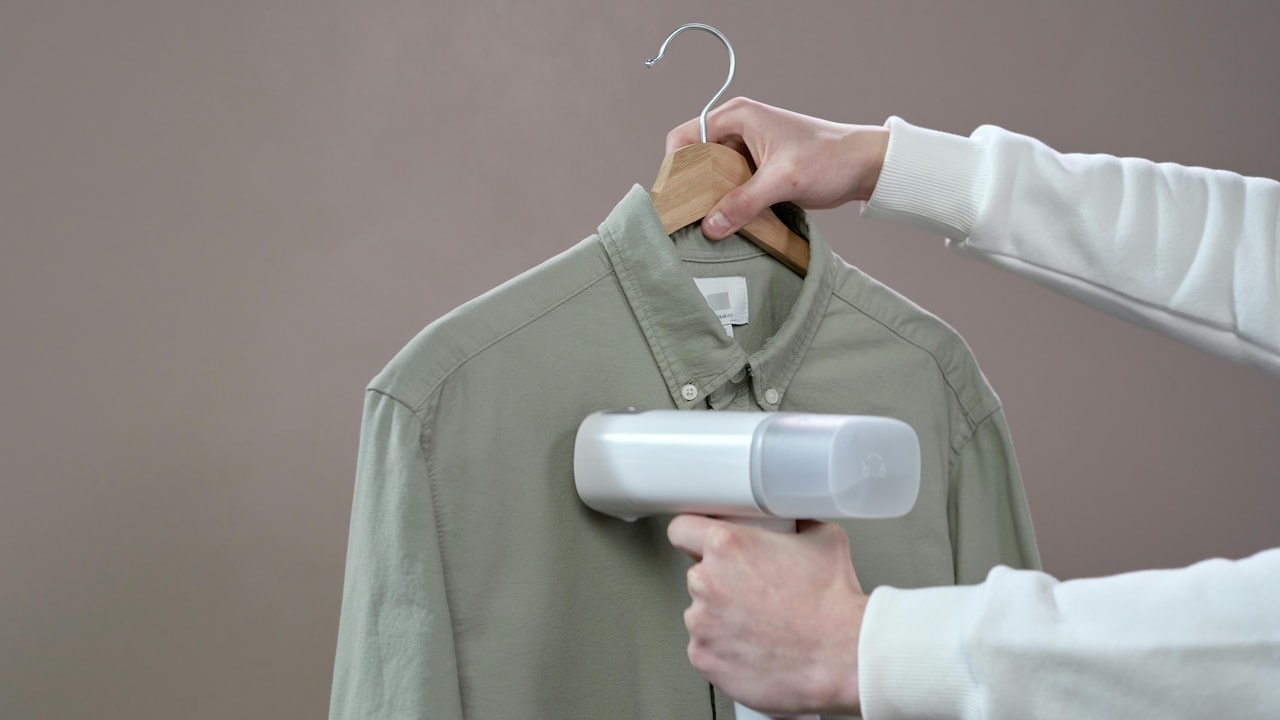
Using Your Steam Iron The Wrong Way? These 10 Common Mistakes Leave Creases Behind On Clothes.
There is something oddly satisfying about water vapour billowing out of a steam iron over a wrinkled shirt. It promises neatness, confidence, and a polished look in minutes. Yet many people step out after steaming, only to spot stubborn creases mocking them in the mirror. The problem often isn't the steam iron. It's the way it gets used. Using a steam iron looks simple, but it carries its own set of rules. A small mistake here, a rushed move there, and the fabric refuses to cooperate. In homes where mornings move fast, and power cuts or water shortages sometimes add drama, steaming needs to work the first time.
This article dives into the top 10 common steam iron mistakes to avoid that leave clothes rumpled. Each point explains what goes wrong, why it matters, and how to fix it without fancy gadgets or expensive upgrades. Think of it as friendly advice passed over a cup of cutting chai, with a few laughs and plenty of practical sense woven in.
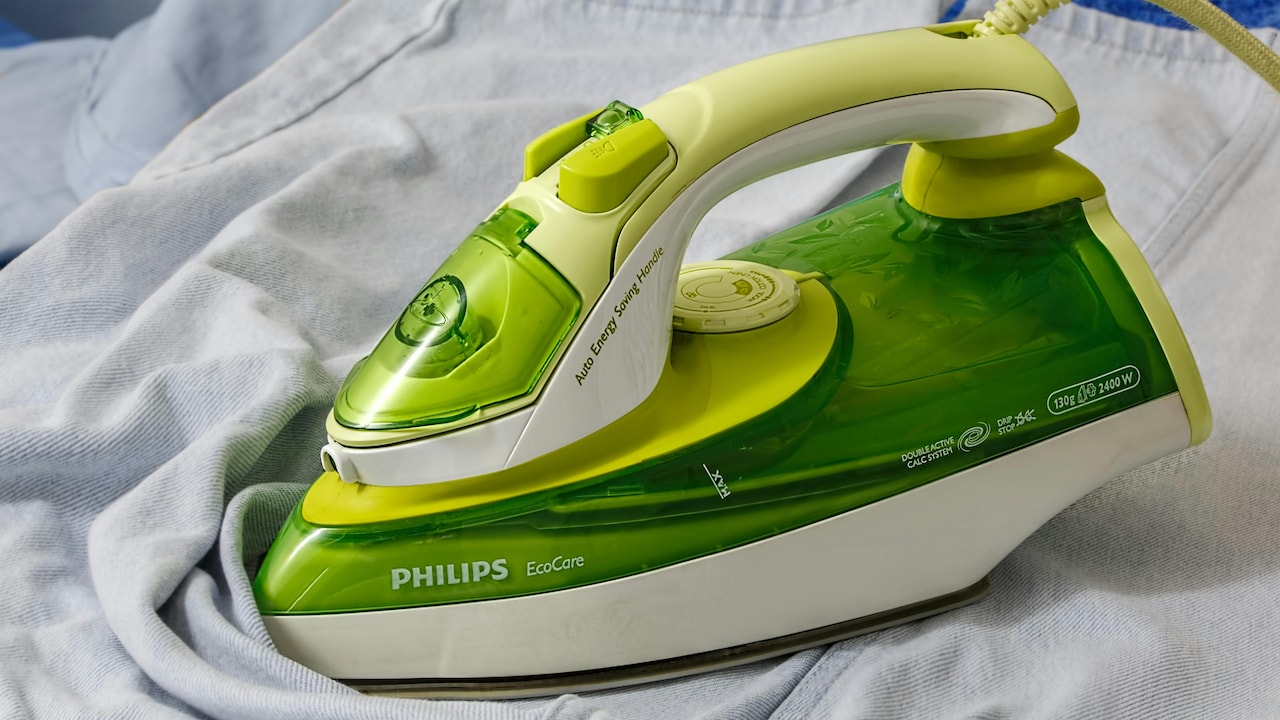
10 Steaming Mistakes That Stop Clothes from Looking Smooth and Fresh
Photo Credit: Pexels
Understanding The Everyday Mistakes Behind Stubborn Creases While Using A Steam Iron
1. Using Steam Iron On Clothes That Are Too Dry
One of the most common misconceptions is that steam alone can tackle deeply set creases on bone-dry clothes. Fabric fibres often relax better when they hold a hint of moisture. When clothes come straight from an over-dried laundry cycle or have sat folded for weeks, steam struggles to penetrate evenly.
This mistake shows up clearly on cotton shirts and linen trousers. The steamer glides over the surface, looks busy, but the crease remains unimpressed. The solution stays simple. Lightly mist the garment with water before steaming. A basic spray bottle does the job. Even flicking a few drops by hand helps.
This small step softens the fibres and allows steam to work faster. Clothes respond better, creases loosen with less effort, and the entire process feels smoother. It also saves time and electricity, which always feels like a win when bills creep towards ₹2,000 a month or more. A little moisture goes a long way.
2. Holding the Steamer Too Far Away
Steam works best up close. Holding the steamer too far from the fabric weakens its effect. Many people fear water spots or heat damage, so they hover the steamer at arm's length. The result is lukewarm vapour drifting into the air rather than working on the cloth.
This mistake often happens with delicate outfits like silk sarees or embellished tops. While caution matters, distance should not defeat purpose. Most modern steamers are designed to work safely when held a few centimetres away. Some even allow gentle contact with the fabric.
The trick lies in controlled movement. Keep the steamer close, move it steadily, and avoid lingering too long in one spot. Steam needs contact to relax fibres. When used correctly, even sensitive fabrics smooth out beautifully without dripping or scorching. Confidence in handling the tool makes all the difference.
3. Steaming Clothes While They Are Lying Flat
Steaming clothes laid flat on a bed or table feels convenient, but gravity plays an important role in wrinkle removal. Without fabric hanging freely, creases simply shift instead of disappearing. Bedsheets absorb steam, tables block airflow, and frustration builds quickly.
This approach often results in half-smooth, half-rumpled outfits. The shoulders look neat while the hemline stays stubbornly folded. Hanging clothes allows steam to travel through the fabric while gravity gently pulls it straight.
A sturdy hanger and a hook behind a door work perfectly. Even the back of a bathroom door does the trick. For heavier garments, tug lightly from the bottom as steam rises. This combination smooths fabric naturally. Clothes fall into shape rather than fighting back. It feels almost magical when done right.
4. Rushing Through Thick Fabrics
Steaming works fast, but not all fabrics play by the same rules. Thick materials like denim, wool blends, or heavily embroidered outfits need patience. A quick swipe might work for a light shirt, but thicker garments demand more time and attention.
Rushing through these fabrics leaves surface-level smoothness while deeper creases stay hidden. This becomes painfully obvious once the garment warms up on the body and wrinkles reappear. The fix involves slowing down and working in sections.
Hold the steamer over each area for a few extra seconds. Allow steam to sink in. Gently stretch the fabric while steaming. This method proves especially useful for festive wear or winter jackets. Taking an extra five minutes prevents embarrassment later and keeps outfits looking crisp throughout the day.
Also Read: Steam And Dry Irons At Pocket-Friendly Prices Trending From The Flipkart
5. Ignoring Fabric Type Settings
Many steamers come with adjustable settings, yet they often go untouched. Using one heat level for everything invites trouble. Delicate fabrics can turn limp, while tougher materials barely respond.
This mistake usually stems from habit or hurry. Shirts, dresses, and trousers all get the same treatment. Unfortunately, fabrics notice the difference even if people don't at first. Cotton loves high steam. Synthetics prefer gentler heat. Silk demands respect and restraint.
Checking the care label takes seconds and saves garments from damage. Adjusting settings improves results instantly. Creases release faster, textures stay intact, and clothes last longer. Considering the price of replacing a ruined blouse or kurta, this small effort feels well worth it. A steamer works best when treated like a tailored tool rather than a blunt instrument.
6. Overfilling or Underfilling the Water Tank
Water levels matter more than most realise. Overfilling the tank can cause spitting, dripping, and uneven steam. Underfilling leads to weak output and frequent interruptions. Both scenarios leave clothes partially steamed and creased.
This mistake often happens during rushed mornings. Water gets topped up without checking the line, or the steamer runs dry halfway through a shirt. The fix involves a quick glance before switching on. Fill the tank to the recommended level and keep an eye on it during use.
Using filtered water also helps prevent mineral buildup, which affects steam flow over time. Considering the cost of bottled water compared to repairs or replacements, this habit saves money. Consistent steam means consistent results, and clothes emerge smoother with far less effort.
7. Not Cleaning the Steamer Regularly
A steamer needs care, too. Over time, limescale and residue build up inside, especially in areas with hard water. This buildup blocks steam vents and reduces pressure, leaving garments half-done and creased.
Many people blame the appliance when performance drops, yet maintenance rarely crosses the mind. Cleaning the steamer once a month makes a noticeable difference. A simple vinegar and water solution works wonders. Run it through the steamer, then rinse with clean water.
Regular cleaning restores steam strength and prevents ugly water stains on clothes. It also extends the life of the appliance. Considering steamers often cost anywhere from ₹1,500 to ₹5,000, a little upkeep protects the investment. A clean steamer behaves like a new one and delivers far better results.
8. Steaming Dirty or Oily Clothes
Steam refreshes fabric, but it cannot hide stains or grease. Steaming over dirty clothes often sets stains deeper into fibres, making creases harder to remove. Oils stiffen fabric and resist the steam's relaxing effect.
This mistake shows up with collars, cuffs, and kitchen-worn garments. The steam passes over, but wrinkles cling stubbornly around stained areas. Washing or spot-cleaning before steaming solves this problem instantly.
Clean fabric responds better to heat and moisture. Creases release evenly, and clothes look genuinely fresh rather than temporarily improved. This habit also prevents lingering odours, especially in humid weather. Steaming should finish the grooming process, not replace basic cleaning. Clean clothes always steam better.
9. Skipping the Final Cool-Down
Steaming smooths fabric, but cooling sets the shape. Wearing clothes immediately after steaming invites new creases. Warm fibres move easily and wrinkle with the slightest bend.
This mistake usually happens in a rush. The outfit looks perfect, gets worn straight away, and loses its crispness within minutes. Allowing clothes to hang for five to ten minutes after steaming makes a huge difference.
As fabric cools, fibres settle into their new shape. Creases stay away longer, and the outfit holds its form throughout the day. This short wait feels inconvenient but saves repeated touch-ups. Use the time to polish shoes, check the mirror, or sip tea. Patience pays off in sharpness.

10 Steaming Mistakes That Stop Clothes from Looking Smooth and Fresh
Photo Credit: Unsplash
10. Expecting Steam to Replace Ironing Completely
Steamers shine at quick refreshes, but they do not replace irons for everything. Sharp pleats, crisp edges, and formal creases still need direct pressure. Expecting a steamer to deliver boardroom-level precision leads to disappointment.
This mistake often appears before important events. Trousers need sharp lines, but steam alone leaves them soft and slightly rumpled. Understanding the tool's strength prevents frustration.
Steam works best for everyday wear, delicate fabrics, and last-minute fixes. Irons handle structure and precision. Using both wisely creates the best results. Treat steaming as a complement rather than a cure-all. Clothes look better, last longer, and the morning routine feels far less stressful.
Products Related To This Article
1. OWNAIR 2 in 1 Handheld Steam Iron for Clothes
2. NUUK STROM GO Super Compact and Lightweight Travel Garment Steamer For Clothes
3. PHILIPS Handheld Garment Steamer STH3000/20
4. Hamilton Beach Professional Garment Steamer
5. Goodscity handheld garment steamer for clothes
Steam ironing clothes should feel like a helpful shortcut, not a daily battle with stubborn creases. Most problems arise from small habits rather than faulty machines. A little moisture, proper distance, patience, and awareness of fabric types change everything. These common mistakes often slip into routines unnoticed, especially during busy mornings or festive chaos. Fixing them takes minimal effort but delivers visible results. With the right approach, using a steam iron becomes a reliable ally.
(Disclaimer: This article may include references to or features of products and services made available through affiliate marketing campaigns. NDTV Convergence Limited (“NDTV”) strives to maintain editorial independence while participating in such campaigns. NDTV does not assume responsibility for the performance or claims of any featured products or services.)