Why Trimmers Pull Hair And What Blade Types Work Better
Hair pulling during trimming often comes down to dull blades, poor upkeep, or the wrong blade type. Here’s what causes it and which blades ensure a smoother, pain-free grooming experience.
Why Trimmers Pull Hair And What Blade Types Work Better
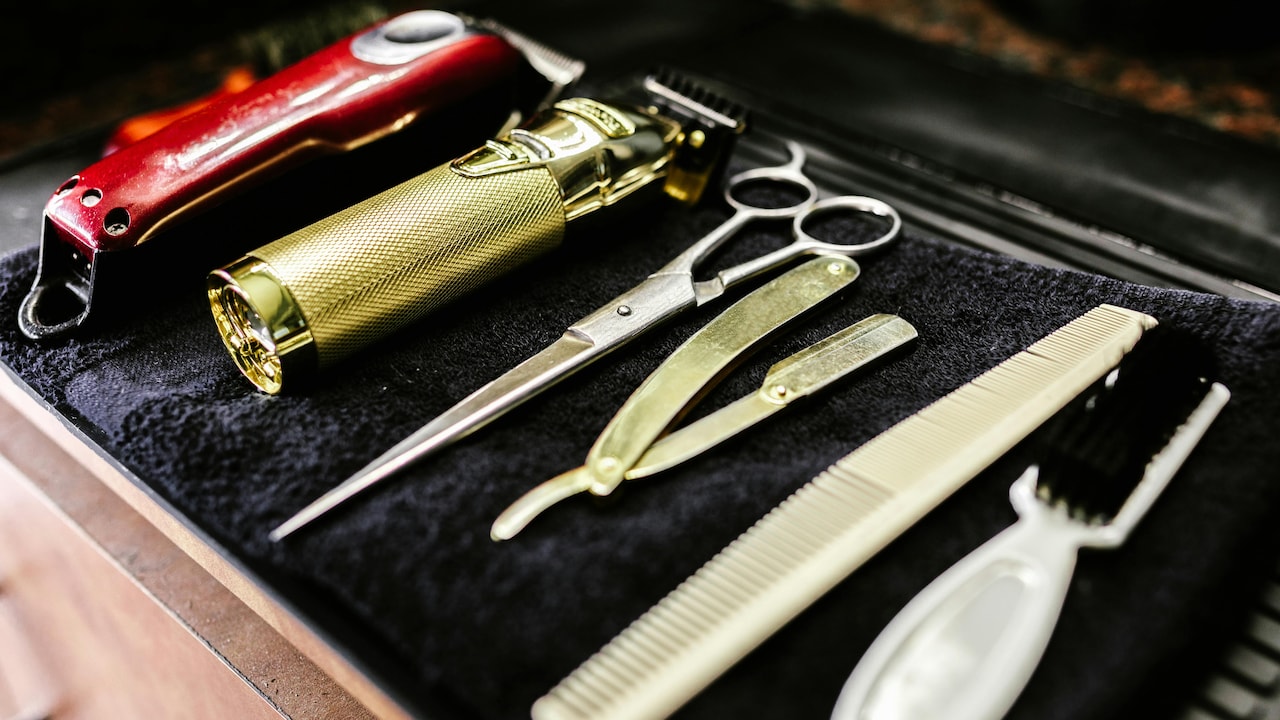
A good grooming routine can set the tone for the day. Whether shaping a beard before work or tidying up before a festive gathering, a reliable trimmer feels like a trusted companion. Yet, many have faced that sudden, sharp tug, the kind that makes one pause, wince, and question the entire process. Hair pulling during trimming is more common than expected. It does not always mean the device is faulty or expensive replacements are needed. Often, the issue hides in simple factors such as blade quality, upkeep, or even trimming habits. Understanding these elements can transform a frustrating routine into a smooth, almost satisfying ritual. This article explores why trimmers pull hair and which blade types truly make a difference. With practical insights and relatable examples, it aims to make grooming less of a chore and more of a comfortable experience.
Why Trimmers Pull Hair And What Blade Types Work Better
Photo Credit: Pexels
Understanding Why Trimmers Pull Hair And How The Right Blade Makes All The Difference
Dull Blades Are The Silent Culprit
A trimmer blade rarely becomes blunt overnight. It wears down gradually, often unnoticed until discomfort sets in. When blades lose sharpness, they fail to cut hair cleanly. Instead, they tug and stretch each strand before finally cutting it, if at all.
Think of slicing a tomato with a blunt knife. The skin resists, the fruit squashes, and the result looks messy. Hair behaves in much the same way. A dull blade grips rather than glides, leading to uneven trimming and that unpleasant pulling sensation.
Many users continue using the same blade for months, assuming performance will remain consistent. However, even high-quality trimmers need maintenance or replacement parts over time. Spending ₹300–₹800 on a replacement blade can dramatically improve comfort.
Sharp blades, especially those made from stainless steel or titanium-coated materials, maintain precision longer. They cut hair at the surface without tugging, making each stroke feel smooth and controlled.
Lack Of Proper Cleaning Affects Performance
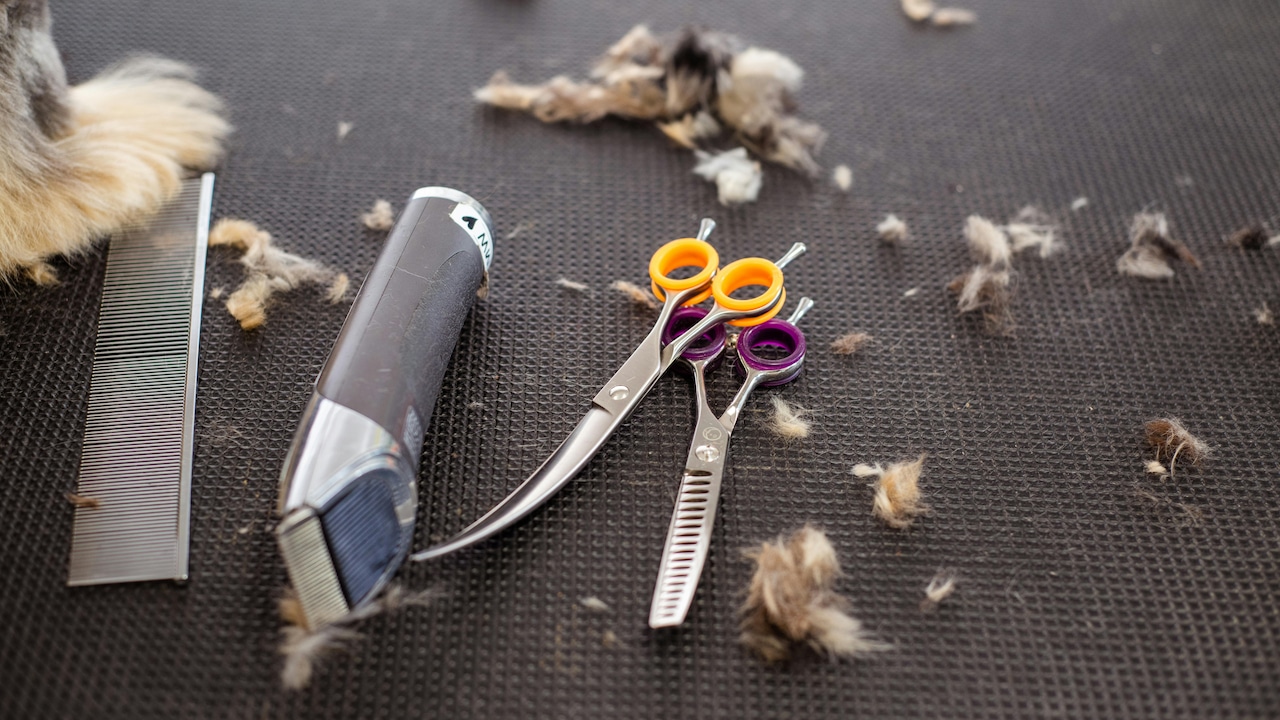
Hair clippings, oil, and dust accumulate quickly between blades. This build-up creates resistance, preventing the blades from moving freely. When movement slows, the trimmer struggles to cut efficiently and starts pulling hair instead.
A quick glance at a used trimmer often reveals tiny hair fragments lodged deep within the mechanism. These fragments act like barriers, disrupting the clean cutting motion. Over time, the issue worsens and leads to discomfort during every use.
Cleaning does not require elaborate tools. A small brush, often included with the trimmer, can remove most debris. Rinsing washable heads under water also helps maintain hygiene and efficiency.
Neglecting this simple step turns even premium trimmers into unreliable tools. Regular cleaning ensures smoother operation and extends the lifespan of the blades. A clean blade glides through hair effortlessly, reducing friction and discomfort.
Poor Lubrication Causes Friction
Lubrication plays a crucial role in maintaining blade performance. Without proper oiling, blades rub against each other, creating friction and heat. This friction slows down the cutting motion and leads to hair being pulled rather than trimmed.
Many skip this step, assuming modern trimmers do not require oiling. While some advanced models claim low maintenance, occasional lubrication still enhances performance. A drop or two of oil can make a noticeable difference.
The effect becomes evident during use. A well-oiled blade moves smoothly, producing a gentle buzzing sound. A dry blade, on the other hand, sounds harsher and feels rough against the skin.
Ignoring lubrication can also shorten the lifespan of the trimmer. Heat and friction wear down components faster. Regular oiling, which costs almost nothing, prevents discomfort and keeps the device functioning efficiently for longer.
Low Battery Power Impacts Cutting Efficiency
Battery levels often go unnoticed until performance drops. A trimmer with a low charge lacks the power needed to maintain a consistent blade speed. As speed decreases, the blades fail to cut hair cleanly and begin pulling instead.
This situation feels familiar to many. Mid-trim, the device suddenly struggles, forcing repeated strokes over the same area. The experience becomes uncomfortable and time-consuming.
Charging habits matter more than expected. Allowing the battery to drain completely before recharging can affect long-term performance. Keeping the trimmer adequately charged ensures steady operation.
Corded use, where available, provides consistent power and eliminates this issue altogether. However, for cordless models, a fully charged battery ensures the blades operate at optimal speed, delivering a smooth trimming experience.
Thick Or Curly Hair Needs Better Blade Design
Hair type significantly influences trimming comfort. Thick or curly hair tends to resist cutting more than fine, straight strands. Standard blades may struggle to handle this resistance, leading to pulling and uneven results.
Curly hair often coils around the blade, increasing friction. Thick hair requires more force to cut, which weak blades cannot provide efficiently. The result is a tugging sensation that can irritate the skin.
High-performance blades, such as self-sharpening stainless steel or titanium-coated variants, handle dense hair more effectively. They maintain sharpness and provide stronger cutting action.
Using the right blade type for hair texture transforms the experience. Instead of repeated passes and discomfort, the trimmer moves smoothly, delivering clean and even results in fewer strokes.
Incorrect Trimming Technique Adds To The Problem
Technique matters as much as the tool itself. Moving the trimmer too quickly or against the natural direction of hair growth can cause pulling. The blades struggle to catch and cut hair efficiently under such conditions.
Many rush through trimming, especially during busy mornings. This haste often leads to uneven pressure and poor angles, increasing the likelihood of discomfort.
A slower, more controlled approach works better. Allowing the trimmer to glide gently over the skin ensures each strand is cut cleanly. Adjusting the angle and following the natural direction of hair growth can significantly reduce pulling.
Good technique not only improves comfort but also enhances the overall finish. The result looks neater and feels smoother, making the effort worthwhile.
Also Read: Tired Of Beard Trimmers That Pull Hair? Here Is What To Look For Before Buying
Cheap Blade Materials Wear Out Quickly
Not all blades are created equal. Budget trimmers often use lower-grade materials that dull quickly. While the initial cost may seem attractive, performance tends to decline rapidly.
Blades made from basic steel lose sharpness after limited use. As they wear down, they begin to pull hair instead of cutting it cleanly. This leads to frequent frustration and the need for replacement.
Investing in better materials, such as stainless steel or ceramic blades, offers long-term value. These materials resist wear and maintain sharpness for extended periods.
Spending ₹1,000–₹2,000 on a quality trimmer can save repeated expenses and discomfort. Durable blades ensure consistent performance, making grooming more reliable and enjoyable.
Misaligned Blades Lead To Uneven Cutting
Blade alignment plays a crucial role in trimming efficiency. Even a slight misalignment can disrupt the cutting motion, causing hair to get caught between the blades instead of being cut cleanly.
This issue often arises after accidental drops or improper reassembly following cleaning. The trimmer may still function, but performance suffers noticeably.
Symptoms include uneven trimming, increased noise, and frequent pulling. Adjusting or realigning the blades usually resolves the problem.
Regular checks can prevent this issue. Ensuring the blades sit correctly and securely keeps the trimmer functioning as intended. Proper alignment allows the blades to work in harmony, delivering smooth and precise cuts.
Foil Vs Rotary Vs T-Blades: What Works Better
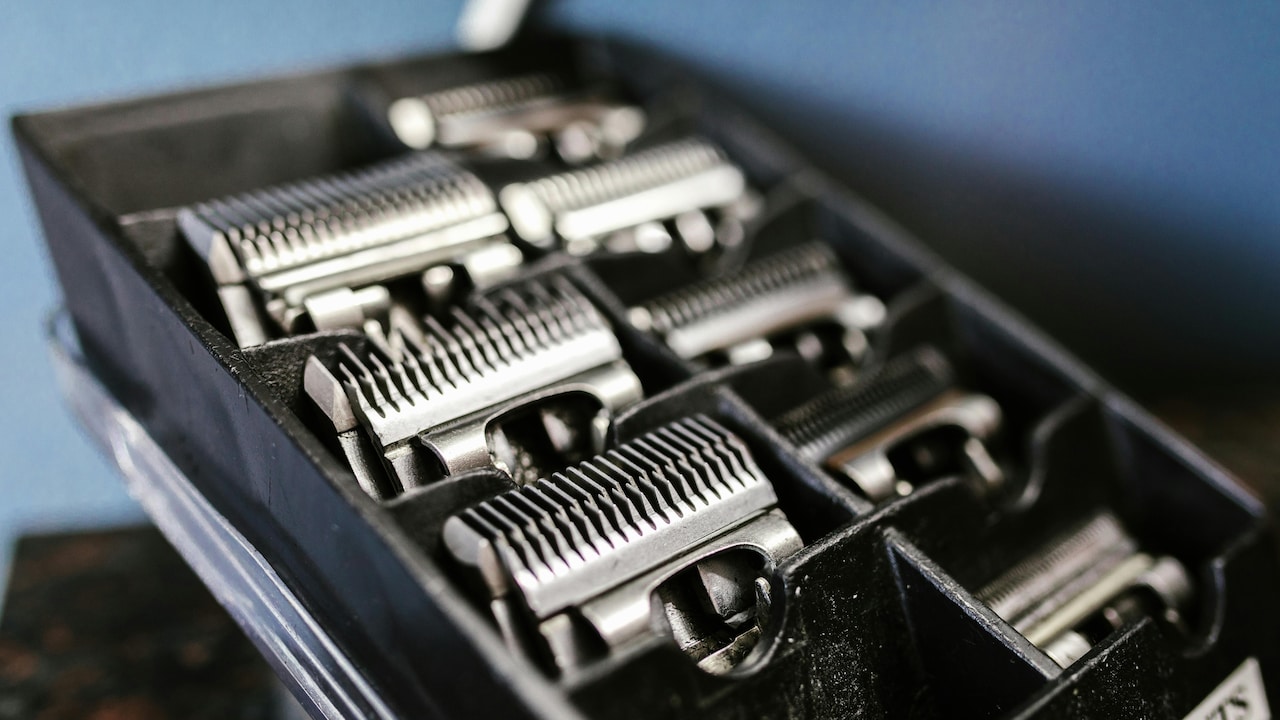
Blade design varies widely across trimmers, and each type serves a specific purpose. Foil blades provide a close shave and work well for fine hair. However, they may struggle with thicker strands.
Rotary blades, often seen in electric shavers, handle dense hair better. Their circular motion captures and cuts hair efficiently, reducing pulling.
T-blades, commonly used in professional grooming tools, offer precision and versatility. They excel in shaping and detailing, especially for beards and hairlines.
Choosing the right blade type depends on individual needs. For regular trimming, T-blades often provide the best balance between precision and comfort. Understanding these differences helps in selecting a trimmer that suits specific grooming requirements.
Why Trimmers Pull Hair And What Blade Types Work Better
Photo Credit: Pexels
Skin Sensitivity Amplifies The Discomfort
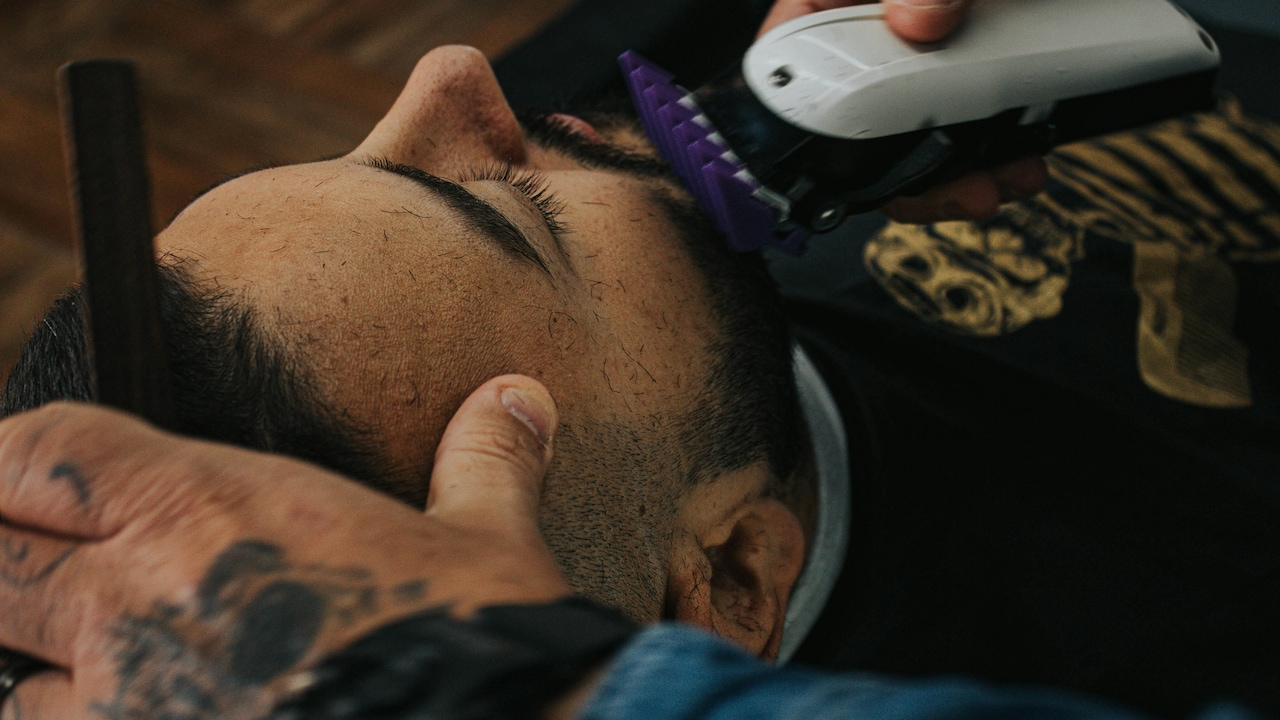
Skin sensitivity varies from person to person. What feels like mild tugging to one may feel painful to another. Sensitive skin reacts more strongly to pulling, leading to redness and irritation.
Dry skin can worsen the problem. Lack of moisture increases friction, making trimming less comfortable. Applying a light moisturiser or trimming after a warm shower can help.
Using trimmers with rounded blade edges or skin-friendly coatings reduces irritation. These designs minimise direct contact with sharp edges, improving comfort.
Paying attention to skin condition and choosing appropriate tools ensures a more pleasant grooming experience. Comfort should never be compromised for convenience.
Why Trimmers Pull Hair And What Blade Types Work Better
Photo Credit: Pexels
Products Related To This Article
1. Bombay Shaving Company 11-in-1 All-in-One Grooming Kit for Men
2. Braun Series 3 All-in-one Grooming Kit for Men
3. Nova NHT 1076 Cordless: 30 Minutes Runtime Trimmer for Men
4. Philips Battery Powered SkinProtect Beard Trimmer for Men
5. Havells Beard & Hair Trimmer
Hair pulling during trimming often stems from simple, fixable issues rather than major defects. Dull blades, poor maintenance, low battery power, and incorrect technique all contribute to the problem. Addressing these factors can significantly improve comfort and results.
Blade type also plays a key role. High-quality materials and well-designed blades make trimming smoother and more efficient. Investing in the right tool, combined with proper care, transforms grooming from a frustrating task into a seamless routine.
A good trimmer should glide, not tug. With the right approach, every trim can feel clean, quick, and surprisingly satisfying.
(Disclaimer: This article may include references to or features of products and services made available through affiliate marketing campaigns. NDTV Convergence Limited (“NDTV”) strives to maintain editorial independence while participating in such campaigns. NDTV does not assume responsibility for the performance or claims of any featured products or services.)