Top 10 Air Purifier Myths That Are Costing You Clean Air
Think air purifiers solve everything? Think again. These 10 common myths could be the reason your air still feels polluted, and your money is going to waste.

Top 10 Air Purifier Myths That Are Costing You Clean Air
Step into any urban home during winter, and the conversation often turns to air quality. Windows stay shut, pollution creeps in, and someone inevitably says, “We should get an air purifier.” It sounds simple enough. Buy a machine, plug it in, and breathe easy. Yet, the reality feels less straightforward. Some households spend ₹15,000 or more and still complain about dust. Others swear by a budget model that barely makes a dent. Somewhere in between lies a web of half-truths, marketing claims, and everyday assumptions.
Air purifiers are helpful, but they are not magical boxes. They work within limits, and those limits matter. Misunderstand them, and the result is frustration, wasted money, and air that remains far from clean. Here are ten myths that continue to float around living rooms, WhatsApp groups, and electronics stores, and how they quietly sabotage the air everyone breathes.
Top 10 Air Purifier Myths That Are Costing You Clean Air
Photo Credit: Pexels
Common Misconceptions That Are Polluting Your Indoor Air
Myth 1: Air Purifiers Remove All Types Of Pollution
Many people expect an air purifier to act like a superhero, eliminating dust, smoke, odours, and even harmful gases in one go. It sounds appealing, especially when stepping indoors after a long day in traffic.
In truth, most purifiers specialise in specific pollutants. A standard HEPA filter captures fine particles like dust, pollen, and PM2.5. However, it does not handle gases, chemicals, or strong smells. That lingering odour from cooking or paint? A HEPA filter alone will not solve it.
Some models include activated carbon filters, which help with odours and volatile compounds. Even then, their effectiveness depends on the amount and quality of carbon used. A thin layer may barely scratch the surface.
This myth often leads to disappointment. Someone buys a purifier expecting fresh, fragrance-free air, only to realise the room still smells like last night's tadka. Understanding what a purifier can and cannot do makes all the difference between realistic expectations and daily frustration.
Myth 2: Bigger Machines Always Work Better
There is a certain comfort in size. A bulky appliance feels powerful, almost reassuring. Many assume a larger air purifier must clean air more effectively than a compact one.
That assumption can be misleading. Air purifiers work based on Clean Air Delivery Rate (CADR), which measures how much filtered air a device produces. A large machine with a low CADR may perform worse than a smaller unit designed efficiently.
Room size also matters. Placing a heavy-duty purifier meant for a large hall inside a small bedroom can feel like overkill, while using a tiny device in a spacious living room barely moves the needle.
It is similar to using a ceiling fan. One size does not suit every room. Matching the purifier's capacity with the room ensures proper circulation and filtration.
Instead of focusing on bulk, checking specifications and suitability brings better results. Sometimes, the quiet, compact machine humming in the corner does more good than the flashy giant dominating the room.
Also Read: Best RO Water Purifiers For TDS Above 500
Myth 3: Closing Windows Makes Air Perfectly Clean
A common habit involves shutting all doors and windows, switching on the purifier, and assuming the room becomes a sealed bubble of fresh air. It feels logical, keep pollution out and let the machine do its job.
However, indoor air has its own challenges. Dust settles from furniture, fabrics release fibres, and cooking introduces particles. Even people contribute by bringing pollutants in on their clothes and shoes.
Without occasional ventilation, indoor air can become stale. Carbon dioxide levels rise, leading to discomfort or fatigue. A purifier filters particles, but it does not add oxygen or remove all indoor contaminants.
Think of it like locking a room and expecting it to stay fresh indefinitely. Air needs movement and renewal. Opening windows during low-pollution hours, such as early mornings after rainfall, can help.
Balancing purification with ventilation keeps the air healthier. Relying solely on closed spaces creates a false sense of cleanliness that often falls short.
Myth 4: Air Purifiers Work Instantly
Switching on an air purifier and expecting immediate results is a common expectation. The noise begins, the indicator light glows, and there is a sense that the air has changed within minutes.
In reality, purification takes time. The device needs to circulate the air repeatedly to reduce pollutant levels significantly. Depending on the room size and pollution load, this process may take anywhere from 30 minutes to a few hours.
Impatience often leads to the belief that the machine is ineffective. Someone turns it on for ten minutes, notices no visible difference, and concludes it does not work.
Air quality improvements are often subtle. Unlike switching on a light, the change is gradual. Over time, fewer dust particles settle, allergies reduce, and breathing feels easier.
Allowing the purifier to run consistently, especially during high pollution periods, yields better outcomes. Expecting instant transformation sets unrealistic standards that no device can meet.
Myth 5: Filters Last Forever
Filters are often out of sight and, unfortunately, out of mind. Many assume that once installed, they continue working efficiently for years without attention.
In truth, filters have a lifespan. HEPA filters trap particles and gradually clog. Activated carbon filters lose their ability to absorb gases over time. Ignoring replacements reduces effectiveness and may even circulate previously trapped particles.
A clogged filter also forces the machine to work harder, increasing electricity consumption. Over time, this can affect performance and durability.
The cost of replacement, often ranging from ₹2,000 to ₹5,000, makes some people delay it. Yet, postponing this expense defeats the purpose of owning a purifier.
Treating filters like a routine maintenance task, much like servicing a vehicle, keeps the device functioning well. Clean air depends not just on the machine but also on what sits inside it.
Myth 6: Air Purifiers Eliminate Viruses Completely
During health scares, air purifiers often gain attention as protective tools. Some believe these devices can fully eliminate viruses from indoor spaces.
While certain purifiers can capture airborne particles that may carry viruses, they do not guarantee complete removal. Factors like airflow, room size, and human movement influence effectiveness.
Moreover, viruses spread through multiple routes, including direct contact. A purifier cannot replace basic hygiene practices or good ventilation.
Marketing claims sometimes exaggerate capabilities, creating a sense of security that may not be entirely justified. Using a purifier as one part of a broader approach works better than relying on it alone.
Understanding this limitation prevents overconfidence. Clean air matters, but it should complement other precautions rather than replace them.
Top 10 Air Purifier Myths That Are Costing You Clean Air
Photo Credit: Pexels
Myth 7: All Air Purifiers Are The Same
Walk into an electronics store, and rows of air purifiers line the shelves. At first glance, they appear similar, sleek designs, glowing indicators, and promises of clean air.
However, the differences run deeper. Some use true HEPA filters, while others rely on less effective alternatives. Certain models include additional features like sensors, smart controls, or multi-stage filtration.
Price variations, often between ₹8,000 and ₹30,000, reflect these differences. Yet, a higher price does not always guarantee better performance. Sometimes, it pays for design or branding rather than functionality.
Choosing the right purifier involves understanding needs. A small bedroom requires different specifications than a large living area.
Assuming all purifiers perform equally often leads to poor choices. Taking time to compare features ensures better value and more effective air cleaning.
Myth 8: Higher Speed Means Better Cleaning
It feels tempting to run an air purifier at maximum speed all the time. The louder the fan, the more effective it seems.
While higher speeds circulate air faster, they are not always necessary. Continuous high-speed operation increases noise and power consumption without proportionate benefits.
Modern purifiers often include auto modes that adjust speed based on air quality. These settings optimise performance while maintaining comfort.
Running the machine at moderate speeds for longer durations often achieves better results than short bursts at full power. It creates steady circulation without disturbing daily life.
Balancing speed and duration ensures efficiency. Sometimes, quieter operation over several hours outperforms a noisy rush that quickly gets switched off.
Myth 9: Air Purifiers Remove Dust Completely From Homes
Dust has a stubborn presence. Even with an air purifier running, surfaces still gather a thin layer over time. This leads to the assumption that the device is ineffective.
In reality, purifiers reduce airborne particles but do not eliminate dust entirely. Dust settles on surfaces, and everyday activities like walking or cleaning can reintroduce it into the air.
Regular cleaning remains essential. Wiping surfaces, vacuuming, and maintaining fabrics complement the work of a purifier.
Expecting spotless furniture solely from an air purifier creates unrealistic expectations. It works best as part of a broader routine rather than a standalone solution.
Accepting this balance helps maintain cleaner spaces without frustration.
Myth 10: Once Installed, No Lifestyle Changes Are Needed
Perhaps the most comforting myth suggests that installing an air purifier solves everything. Life continues as usual, with no need to adjust habits.
However, small changes can significantly improve results. Removing shoes indoors reduces dirt. Keeping windows closed during peak pollution hours helps maintain air quality. Avoiding indoor smoking or excessive incense burning makes a noticeable difference.
An air purifier works best in a supportive environment. Ignoring basic practices limits its effectiveness.
Think of it as teamwork. The device handles airborne particles, while daily habits prevent unnecessary pollution. Together, they create a healthier indoor space.
Relying solely on technology without adjusting behaviour often leads to disappointment. Clean air requires a combination of smart choices and consistent effort.
Top 10 Air Purifier Myths That Are Costing You Clean Air
Photo Credit: Amazon
Products Related To This Article
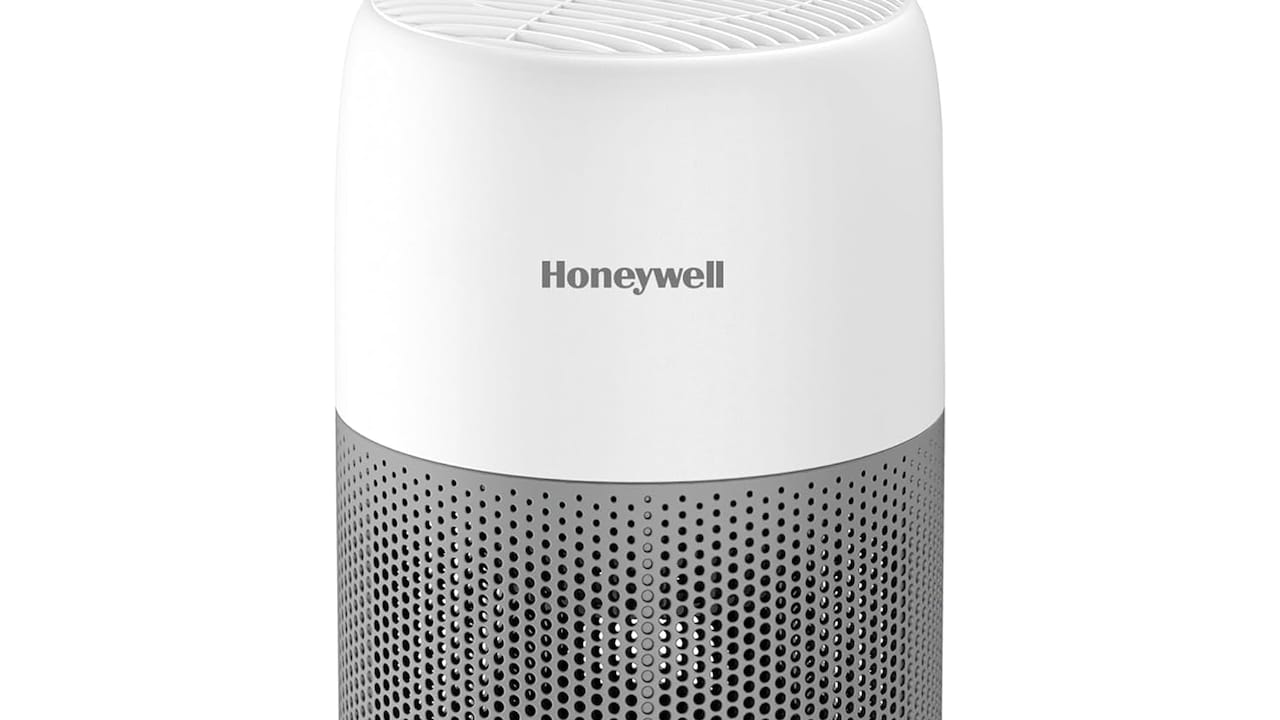
1. Honeywell Air Purifier for Home & Office
2. LEVOIT Core Mini Air Purifier For Coverage Area 183 Sq Ft
3. Coway Airmega 150 (Ap-1019C) Air Purifier For Home
4. Qubo Smart Air Purifier Q400 for Home by Hero Group
5. Coway Airmega AIM (AP-0623B) Air Purifier For Home
Air purifiers hold real value, especially in cities where air quality fluctuates throughout the year. Yet, myths surrounding them often create confusion and unrealistic expectations.
Understanding their capabilities, limitations, and proper usage transforms them from expensive gadgets into genuinely useful tools. Clean air does not come from blind trust in technology alone. It comes from informed decisions, regular maintenance, and thoughtful habits. Breaking these myths does more than improve air quality. It restores clarity, both in the air and in the choices made every day.
(Disclaimer: This article may include references to or features of products and services made available through affiliate marketing campaigns. NDTV Convergence Limited (“NDTV”) strives to maintain editorial independence while participating in such campaigns. NDTV does not assume responsibility for the performance or claims of any featured products or services.)