Does Your Water Taste Flat After Purification? Know Cause And What Should You Do
Purified water often tastes 'flat' because minerals are removed. But does that affect health or just flavour? This is what the change really means and whether it’s something to worry about.
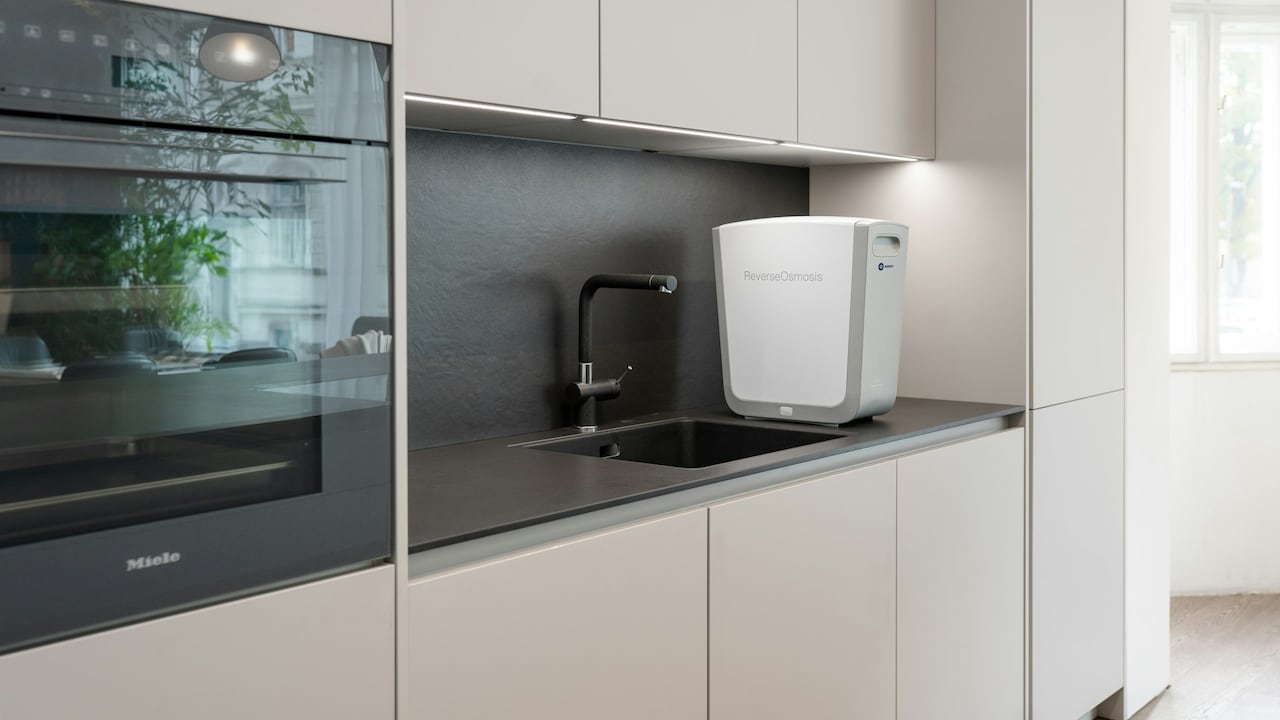
Crucial things to know about RO water tasting flat
A glass of water should feel refreshing. Yet, many households notice a subtle change once a purifier enters the kitchen. The water looks crystal clear, smells neutral, but tastes uninspiring. Some describe it as flat, others as lifeless. It lacks the familiar crispness of tap or well water.
Read everything about why your RO water tastes bad; Photo Credit: Unsplash
This change sparks curiosity and sometimes concern. Has the purifier stripped away something essential? Or has it simply removed impurities that once gave water its character? Conversations often drift between health worries and taste complaints, especially during the summer months when hydration matters most.
Understanding this shift requires a closer look at what purification actually does. Taste, after all, is not just about safety. It reflects the minerals and compounds present in water. When those disappear, the experience changes.
The question remains: should this 'flat' taste worry anyone, or is it just a sign of cleaner water?
Also Read: Stay Hydrated With Non-Electric Water Purifiers Under ₹1600
Understanding Why Purified Water Tastes Different And What It Means For You
Why Purified Water Often Tastes Different
Water rarely arrives in its purest form. It carries dissolved minerals like calcium, magnesium, and sometimes traces of iron. These elements give water its subtle flavour profile. Once purification systems, especially reverse osmosis units, step in, they remove most of these dissolved solids.
The result feels unfamiliar. Without minerals, water loses its distinct taste and becomes neutral. For many, neutral translates to flat. It resembles distilled water, which also lacks dissolved substances.
In urban homes, where municipal water already undergoes treatment, purification further strips it down. This double processing can intensify the blandness. Taste buds, accustomed to mineral-rich water, notice the absence immediately.
Yet, this change does not signal poor quality. In fact, it often means the purifier works efficiently. The missing 'flavour' once came from substances that may not always benefit health.
The adjustment lies more in perception than reality. Over time, most people adapt and begin to appreciate the clean, unobtrusive taste.
Does Flat Taste Mean Missing Nutrients?
A common belief links the taste of water to its nutritional value. When water tastes flat, many assume it lacks essential minerals. This idea carries some truth, but it is often overstated.
Water does contain minerals, but it contributes only a small portion of daily nutritional needs. Most calcium, magnesium, and other nutrients come from food, dairy, vegetables, grains, and pulses.
Even if purification removes minerals, the impact on overall nutrition remains minimal. For example, a balanced meal costing ₹100 provides significantly more nutrients than several litres of mineral-rich water.
The concern becomes relevant only in extreme cases where diets lack diversity. Otherwise, purified water does not deprive the body of vital elements.
Taste, therefore, should not be mistaken for nutritional value. Flat water does not equal empty water. It simply reflects reduced dissolved solids.
Understanding this distinction helps ease unnecessary worry and encourages focus on broader dietary habits.
How Purifiers Strip Minerals And Flavour
Modern purifiers use multiple stages to clean water. Reverse osmosis, ultraviolet treatment, and carbon filters each play a role. Among these, reverse osmosis stands out for its thoroughness.
This process forces water through a semipermeable membrane. It removes contaminants, heavy metals, bacteria, and dissolved salts. While this ensures safety, it also eliminates minerals responsible for taste.
Carbon filters further refine water by removing chlorine and organic compounds. Chlorine often adds a sharp or chemical flavour, so its removal contributes to the neutral taste.
Together, these stages create water that feels almost too clean. The absence of both harmful and harmless substances leaves little behind to stimulate taste buds.
Some newer systems include mineral cartridges that reintroduce essential elements. These aim to restore balance without compromising safety.
Ultimately, the flatness stems from thorough purification. It reflects efficiency rather than deficiency.
Is Flat Water Less Safe Or More Safe?
Safety often becomes the central concern when taste changes. A bland flavour can feel suspicious, especially when compared to the familiar taste of tap water.
In reality, flat water tends to be safer. The absence of taste usually indicates fewer dissolved impurities. Harmful substances like lead, arsenic, and microbial contaminants do not contribute pleasant flavours.
Purification focuses on removing risks rather than enhancing taste. A purifier does not aim to create gourmet water; it aims to protect health.
Taste can sometimes mislead. Water with a pleasant mineral flavour may still contain contaminants. Conversely, neutral water often signals high purity.
Of course, maintenance matters. Filters require regular replacement. Neglecting this can compromise both taste and safety.
In well-maintained systems, flat water represents a positive outcome. It shows that unwanted elements no longer linger in the glass.
Why Some People Dislike The Taste Immediately
Taste preferences develop over the years. Switching to purified water can feel abrupt. The palate expects a certain flavour and reacts when it disappears.
This reaction resembles the shift from sugary tea to unsweetened versions. At first, the change feels stark. Over time, subtle flavours emerge, and appreciation grows.
Flat water lacks the familiar cues that signal freshness. Without minerals, it may feel lighter, almost empty. This sensation can create dissatisfaction, even if the water remains refreshing.
Temperature also influences perception. Chilled water often tastes better, masking the absence of minerals. Room temperature water highlights the flatness more clearly.
Social factors play a role as well. Conversations around water quality often shape expectations. If others describe purified water as dull, the mind reinforces that impression.
Adjustment takes time. Once the palate adapts, many begin to prefer the clean simplicity of purified water.
Flat water lacks the familiar cues that signal freshness; Photo Credit: Unsplash
Can Flat Water Affect Hydration Levels?
Hydration depends on quantity, not flavour. Whether water tastes rich or flat, its ability to hydrate remains unchanged.
However, taste can influence consumption habits. If water feels unappealing, people may drink less. This indirect effect matters, especially during hot weather when fluid intake becomes crucial.
Some households address this by adding natural flavours. A slice of lemon, a few mint leaves, or even a pinch of salt can enhance taste without compromising safety.
Hydration also connects to routine. Keeping water easily accessible encourages regular intake, regardless of taste.
Interestingly, athletes often consume low-mineral water during training. They rely on separate electrolyte sources rather than water alone.
Flat water, therefore, does not hinder hydration. The key lies in maintaining consistent drinking habits.
The Role Of TDS And Taste Perception
Total Dissolved Solids, or TDS, measures the concentration of dissolved substances in water. It directly influences taste.
Higher TDS levels often produce a richer, sometimes slightly salty or metallic flavour. Lower levels create a cleaner but flatter taste.
Many purification systems reduce TDS significantly. While this improves safety, it also alters flavour.
Optimal TDS levels vary. Some prefer water with moderate mineral content, as it feels more satisfying. Others enjoy the crisp neutrality of low-TDS water.
Taste perception remains subjective. What feels refreshing to one person may seem bland to another.
Monitoring TDS can help strike a balance. Some purifiers allow adjustments, enabling households to customise taste without compromising safety.
Understanding TDS demystifies the connection between purification and flavour.
Should You Add Minerals Back Into Water?
The idea of reintroducing minerals often appeals to those who miss the original taste. Some purifiers offer mineral cartridges for this purpose.
Adding minerals can improve flavour and provide a slight nutritional boost. However, it is not essential for health.
Natural sources of minerals remain more reliable. Food delivers nutrients in higher quantities and better combinations.
If taste becomes a significant concern, choosing a purifier with controlled mineralisation can help. This ensures water retains some flavour while staying safe.
Overdoing mineral addition, however, may affect purity. Balance remains key.
For most households, focusing on a varied diet proves more effective than modifying water composition.
The decision ultimately depends on personal preference rather than necessity.
Cultural Expectations Around Water Taste
Water carries cultural significance. Different regions favour different tastes. Some prefer slightly sweet water, while others enjoy a mineral-rich profile.
These preferences shape expectations. When purified water disrupts familiar flavours, it feels less satisfying.
In many homes, elders often remark on how water 'used to taste better.' This nostalgia reflects both memory and mineral content.
Taste also connects to trust. Familiar flavours feel reassuring, while neutral water may seem suspicious at first.
Adapting to purified water requires shifting these expectations. Over time, the emphasis moves from taste to safety and consistency.
Cultural habits evolve, especially with increasing awareness of water quality issues.
The journey from flavour to function reflects changing priorities in modern households.
When Flat Taste Might Signal A Problem
While flat taste usually indicates purity, certain situations require attention. A sudden change in taste, especially after consistent use, may signal an issue.
Filter saturation or malfunction can affect both taste and safety. Regular servicing prevents such problems.
If water tastes unusually bitter or metallic rather than flat, it may indicate contamination or equipment failure.
Storage conditions also matter. Stagnant water can develop off-flavours over time.
Checking the purifier's maintenance schedule ensures consistent performance. Replacing filters as recommended keeps both taste and quality intact.
Flat taste alone rarely signals trouble. Context matters. Consistency often indicates reliability.
Remaining attentive to changes helps maintain confidence in the system.
Products Related To This Article
1. Pureit Wave Prime Water Purifier for Home (Black) with RO+MF Filtration
2. Livpure Allura Prime Water Purifier RO+UV+UF+Copper+Alkaline
3. AQUA D PURE 4 in 1 Copper RO Water Purifier with 10 Stage Purification Filtration
4. Aquaguard Enrich Marvel RO+UV+UF 2X
5. Pureit Revito RO+MF+Mineral+UV in-Tank
Flat-tasting water often feels underwhelming, especially when expectations lean towards a refreshing burst of flavour. Yet, this subtle dullness usually reflects effective purification rather than a flaw.
Taste and safety do not always align. The elements that create flavour in water may not always benefit health. Removing them leads to neutrality, not deficiency.
For most households, the adjustment remains temporary. Palates adapt, and the clean simplicity of purified water becomes the new normal.
Concerns about missing nutrients rarely hold weight, given the role of a balanced diet. Hydration depends on habit, not taste.
In the end, flat water tells a reassuring story. It signals fewer impurities, greater safety, and a step towards better health. The glass may lack excitement, but it offers something far more valuable: peace of mind.
(Disclaimer: This article may include references to or features of products and services made available through affiliate marketing campaigns. NDTV Convergence Limited (“NDTV”) strives to maintain editorial independence while participating in such campaigns. NDTV does not assume responsibility for the performance or claims of any featured products or services.)