Why Budget Air Coolers Fail In Humidity And What Actually Works
When the air turns sticky and heavy, budget air coolers often promise relief but deliver disappointment. This piece unpacks why that happens and explores smarter, practical alternatives that actually work when humidity rises.
Why Budget Air Coolers Fail In Humidity And What Actually Works
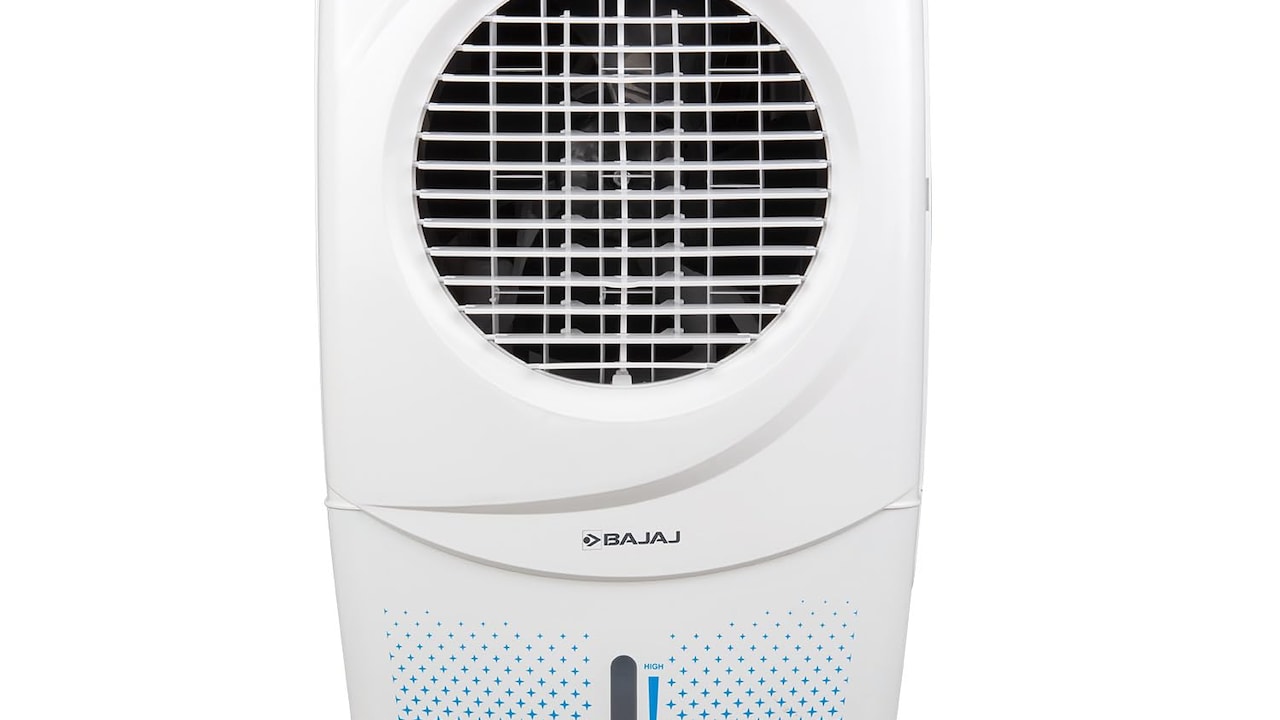
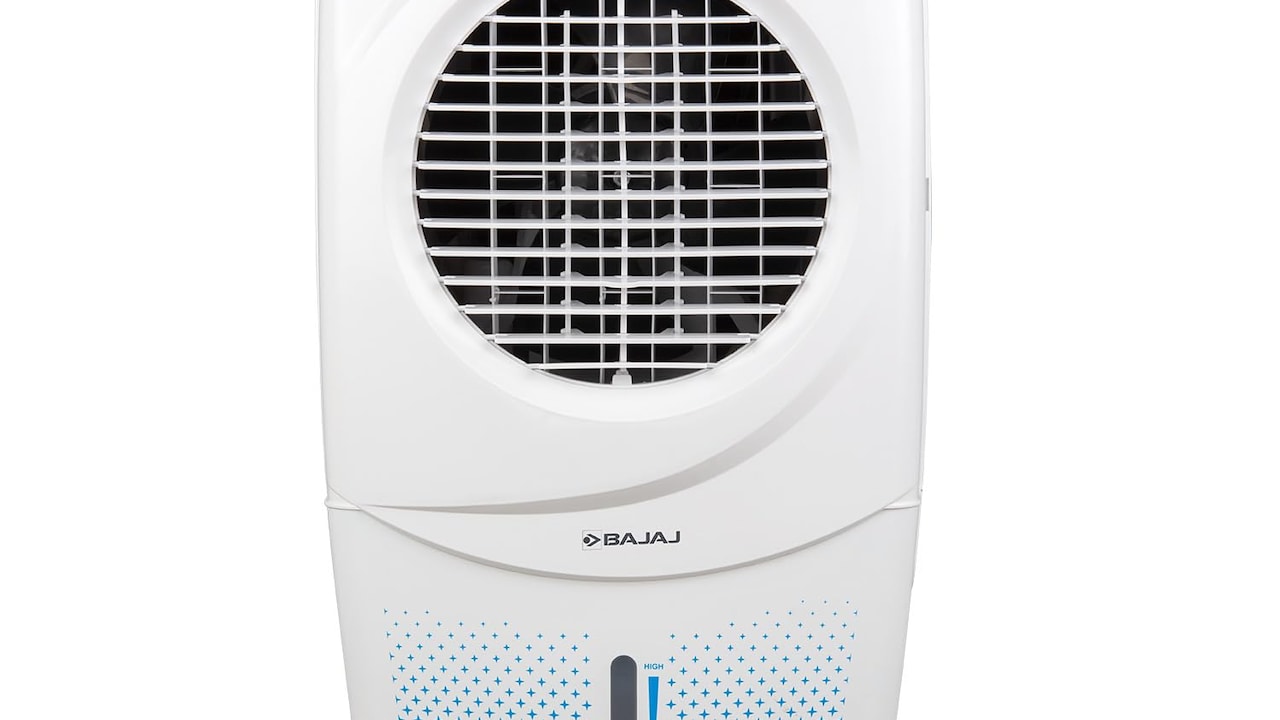
Summer has a way of sneaking up with a familiar script, ceiling fans spinning tirelessly, windows left ajar in the hope of a stray breeze, and that trusty air cooler rolled out from storage. On dry days, it hums along like a quiet hero. But once the air grows thick and damp, something changes. The same cooler that once felt refreshing now blows warm, clammy air that sticks to the skin rather than cooling it. Many households rely on budget air coolers because they seem like the sensible middle ground between fans and air conditioners. They cost less, consume less power, and feel like a practical choice when electricity bills already nudge past ₹3,000 in peak summer months. Yet, when humidity spikes, especially during coastal spells or pre-monsoon days, these machines often fall short.
Understanding why this happens is not just a matter of curiosity. It can save money, frustration, and many restless nights. And more importantly, it opens the door to solutions that actually work.
Why Budget Air Coolers Fail In Humidity And What Actually Works
Photo Credit: Amazon
Why Budget Air Coolers Fail In Humidity And What Actually Works
The Science Behind Evaporative Cooling
At the heart of every air cooler lies a simple principle: evaporation. Water absorbs heat as it turns into vapour, which cools the surrounding air. In dry climates, this works beautifully. The air eagerly absorbs moisture, allowing the cooling effect to feel crisp and refreshing.
However, when humidity rises, the air already holds a significant amount of moisture. There's less room for additional water vapour, which means evaporation slows down dramatically. The cooler still pushes air, but without effective evaporation, that air doesn't cool much.
Imagine trying to dry clothes on a rainy day. They hang there, stubbornly damp, refusing to dry. Air coolers behave in a similar way when humidity levels climb above 60%. Instead of cooling, they merely circulate moist air, which can feel heavier than before.
This fundamental limitation explains why even the most powerful cooler struggles when the weather turns sticky. It's not a flaw in the machine; it's physics at play.
When Humidity Turns Coolers Into Fans
On humid evenings, many people notice something odd. The cooler runs at full speed, water tank filled, pads soaked, yet the room feels no cooler than with a regular fan. That's because, in such conditions, the device essentially becomes a glorified fan.
The airflow continues, but the cooling effect disappears. Worse, the added moisture can make the room feel even more uncomfortable. Skin feels sticky, clothes cling, and sleep becomes elusive.
This can be particularly frustrating in crowded households where several people share a room. The expectation of relief clashes with reality, leading to endless adjustments, changing fan speed, refilling water, and opening windows, none of which seem to help.
It's a common scene during monsoon evenings: a cooler humming loudly while someone mutters, “It's just blowing hot air.” The disappointment stems not from poor quality, but from a mismatch between technology and weather conditions.
Poor Ventilation Makes Things Worse
Air coolers require proper ventilation to function effectively. They need a constant flow of fresh air to replace the humid air inside the room. Without this exchange, the room quickly becomes saturated with moisture.
In many homes, especially in compact city apartments, windows stay shut to keep out dust, noise, or mosquitoes. This traps humidity indoors, making the cooler even less effective.
A closed room with a running cooler often feels like a steam chamber after some time. The air grows dense, and breathing itself can feel slightly uncomfortable.
Opening windows or doors helps, but it's not always practical. Noise from traffic or construction can disrupt peace, and security concerns may limit how much ventilation is possible. This creates a tricky situation where the very environment needed for a cooler to work is difficult to maintain.
Low-Cost Materials And Design Limitations
Budget air coolers often use simpler materials to keep costs down. Cooling pads may be thinner or made from lower-quality fibres, which reduces their ability to retain water and facilitate effective evaporation.
In dry conditions, these differences may go unnoticed. But in humid weather, every inefficiency becomes more pronounced. The pads dry unevenly, airflow gets obstructed, and the overall cooling performance drops.
The motor and fan design can also play a role. Lower-end models may not generate strong enough airflow to circulate whatever little cool air is produced. This results in uneven cooling, where one corner of the room feels slightly better while the rest remains warm.
While the price tag, often between ₹5,000 and ₹10,000, makes these coolers appealing, the compromises in design become evident when conditions are less than ideal.
The Myth Of Bigger Tanks And Stronger Fans
A common belief is that a larger water tank or a more powerful fan will solve the problem. On paper, it sounds logical: more water means more evaporation, and stronger airflow should spread cool air faster.
But in humid conditions, these upgrades don't address the root issue. If the air cannot absorb more moisture, adding extra water changes nothing. Similarly, a stronger fan only pushes the same humid air around more aggressively.
This often leads to unnecessary spending. Many households upgrade to larger models, hoping for better results, only to face the same discomfort during sticky weather.
The truth is simple yet counterintuitive: when humidity is high, the limitations of evaporative cooling cannot be overcome by scaling up the same technology.
Also Read: The Real Cost Of Running An AC vs Air Cooler In Indian Summers
Why Coastal And Monsoon Regions Struggle Most
Regions close to the sea or areas experiencing frequent rainfall often deal with consistently high humidity levels. In such places, air coolers rarely perform at their best.
During monsoon months, humidity can hover between 70% and 90%. At this point, evaporation slows to a crawl. Even the most well-maintained cooler struggles to produce any noticeable cooling effect.
This explains why many households in these regions gradually shift away from coolers despite their lower running costs. The discomfort simply outweighs the savings.
The weather dictates the effectiveness of the device. In dry northern plains, coolers shine. In humid coastal belts, they falter. Understanding this distinction helps avoid unrealistic expectations.
What Actually Works: Air Conditioners
Air conditioners operate on a completely different principle. Instead of relying on evaporation, they remove heat and humidity from the air. This dual action makes them far more effective in sticky conditions.
When an air conditioner runs, it not only cools the air but also reduces moisture levels, creating a comfortable indoor environment. The difference is immediately noticeable: air feels lighter, skin feels dry, and sleep comes more easily.
Of course, the higher upfront cost, often starting from ₹25,000, and increased electricity consumption can be a concern. But for areas with persistent humidity, this investment often proves worthwhile.
Energy-efficient models and inverter technology have also made air conditioners more economical than before, softening the impact on monthly bills.
Why Budget Air Coolers Fail In Humidity And What Actually Works
Photo Credit: Amazon
Smart Alternatives: Dehumidifiers And Hybrid Cooling
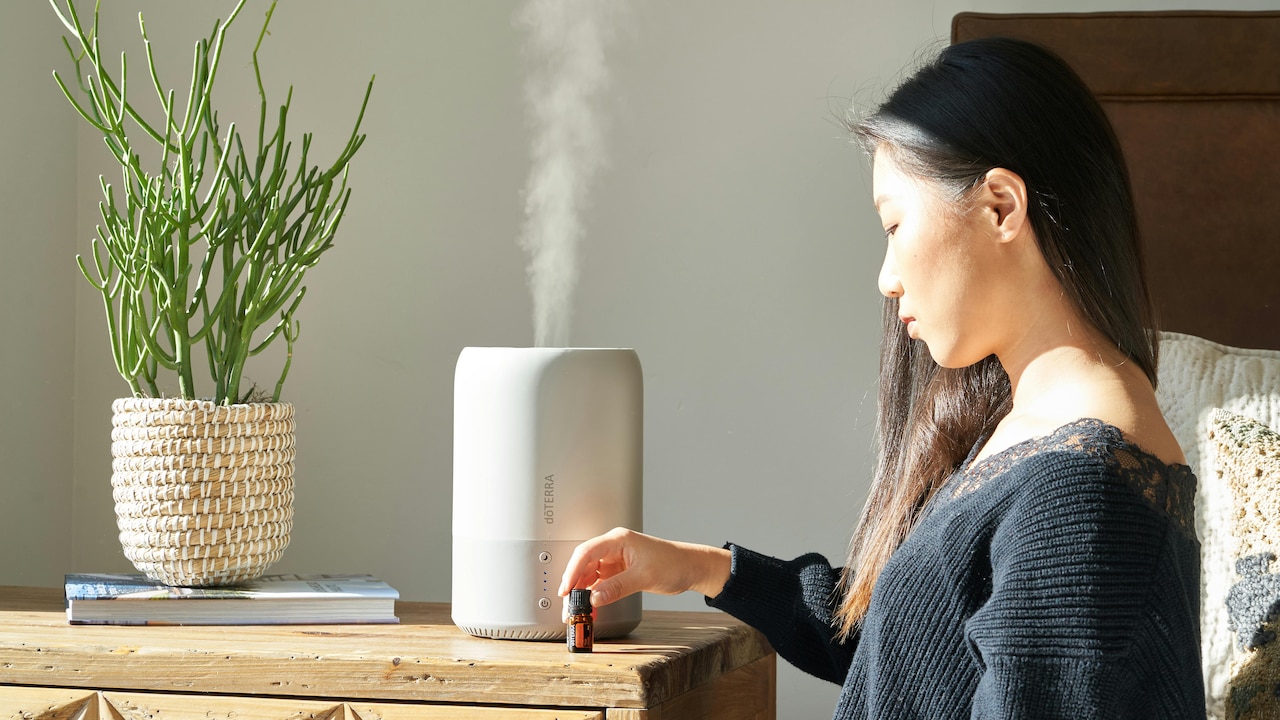
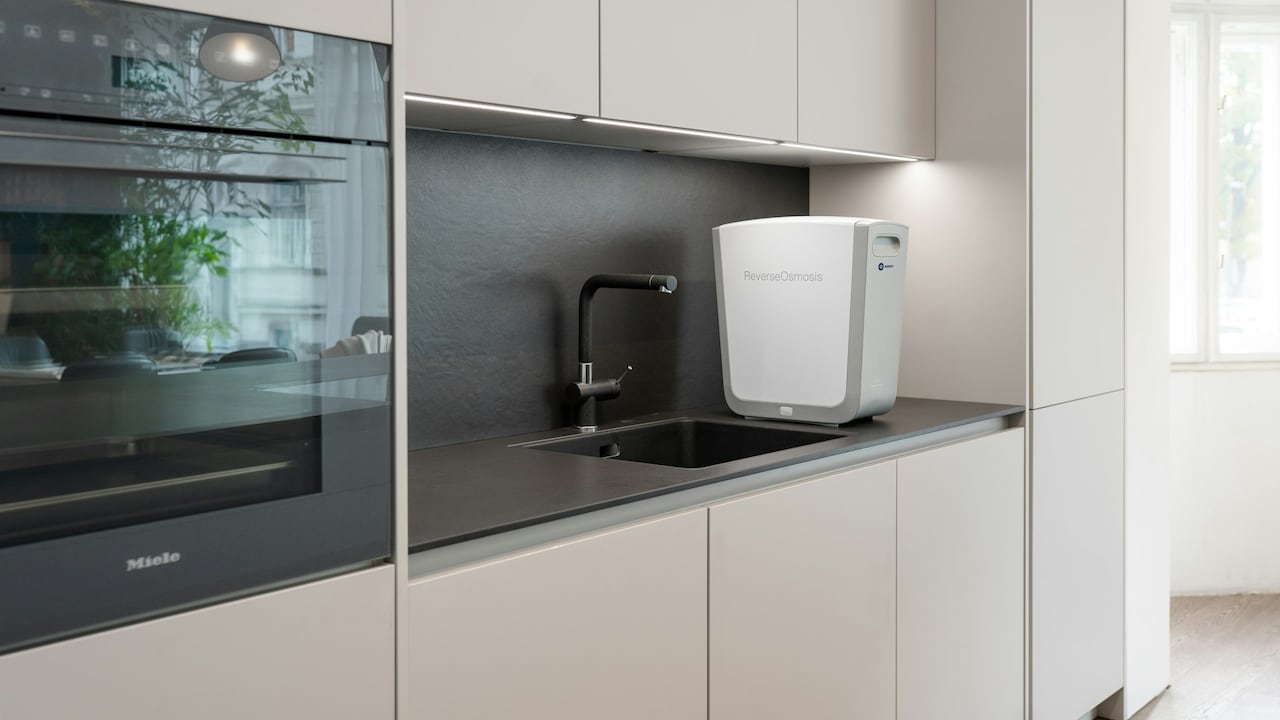
For those who prefer not to rely entirely on air conditioners, dehumidifiers offer an interesting solution. These devices focus solely on removing excess moisture from the air.
By lowering humidity levels, they indirectly enhance the effectiveness of fans or even air coolers. The air begins to feel more breathable, even without a significant drop in temperature.
Another emerging option is hybrid cooling systems that combine elements of evaporative cooling with refrigeration. While still relatively niche, they aim to bridge the gap between affordability and performance.
These alternatives may not replace air conditioners entirely, but they provide flexibility. They allow households to tailor their cooling strategy based on weather conditions rather than relying on a single device.
Simple Hacks That Make A Difference
Sometimes, small adjustments can improve comfort more than expected. Using a cooler during the hottest, driest part of the day and switching to a fan at night can help maintain comfort levels.
Placing bowls of ice in front of a fan or using chilled water in the cooler can offer temporary relief, though the effect remains limited in high humidity.
Ensuring cross-ventilation, cleaning cooling pads regularly, and positioning the cooler near an open window can also make a noticeable difference.
These hacks won't transform a cooler into an air conditioner, but they can ease discomfort slightly. In many households, these little tweaks become part of the daily summer routine, passed down like unwritten wisdom.
Why Budget Air Coolers Fail In Humidity And What Actually Works
Photo Credit: Amazon
Products Related To This Article
1. Crompton Ozone Neo Desert Air Cooler 95L
2. Bajaj PX 97 Torque New 36L Personal Air Cooler For Room
3. Symphony Diet 12T Tower Air Cooler
4. Cadlec StormAir 100L Desert Air Cooler
5. Kenstar Robusta Neo 45 Air Cooler|45L Tank
Air coolers have earned their place as a practical and affordable cooling solution. In the right conditions, they work brilliantly, offering relief without sending electricity bills soaring. But when humidity enters the picture, their limitations become impossible to ignore.
The disappointment many experience isn't due to poor products or wrong choices; it's simply a case of using the wrong tool for the job. Understanding how humidity affects cooling changes the conversation from frustration to informed decision-making.
Whether it's investing in an air conditioner, exploring dehumidifiers, or adapting daily habits, the path to comfort lies in aligning solutions with the environment. After all, summer doesn't just bring heat, it brings variety. And staying cool often requires a bit of flexibility, a dash of common sense, and occasionally, a willingness to rethink what has always been considered “good enough.”
(Disclaimer: This article may include references to or features of products and services made available through affiliate marketing campaigns. NDTV Convergence Limited (“NDTV”) strives to maintain editorial independence while participating in such campaigns. NDTV does not assume responsibility for the performance or claims of any featured products or services.)