How To Fix A Vacuum Cleaner That Lost Its Suction In Just 10 Minutes
Lost vacuum suction? Before calling a technician, try these quick fixes. Most suction problems come from clogged filters, blocked hoses, or simple maintenance issues that can be solved in just 10 minutes at home.
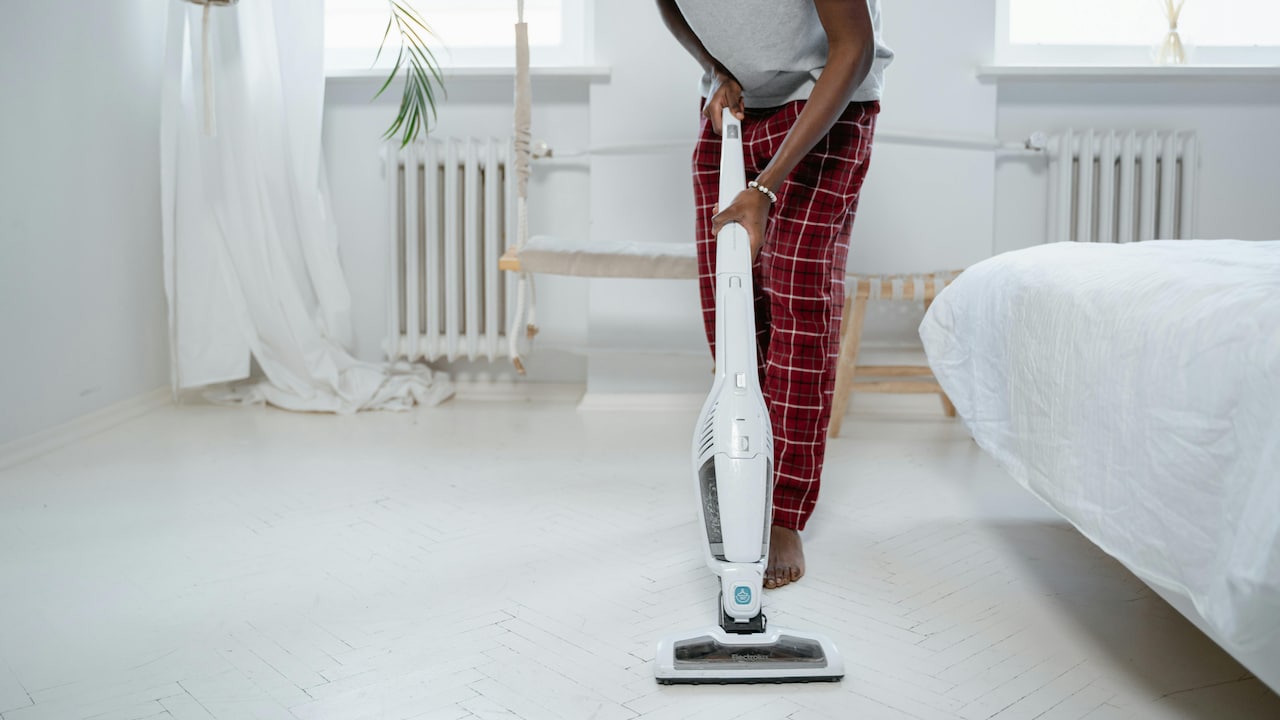
Fix A Vacuum Cleaner That Lost Its Suction Power In Just 10 Minutes With Simple Checks.
Every home relies on a vacuum cleaner to battle daily dust, hair, biscuit crumbs, and the fine grit that sneaks in with footwear. Trouble starts when the machine hums loudly yet lifts nothing from the floor. Frustration builds fast, especially when guests arrive or festival cleaning looms. The good news feels simple: most suction issues demand attention, not replacement. A few everyday habits choke performance over time. Filters clog, hoses trap debris, and brushes wrap themselves in hair. None of these problems requires technical skills.
This guide breaks the fix into 10 quick steps that fit into a tea break. Each step tackles a common culprit, explains what to look for, and adds a practical tip rooted in everyday household life. By the end, the vacuum cleaner often regains its lost strength, and cleaning feels satisfying again.
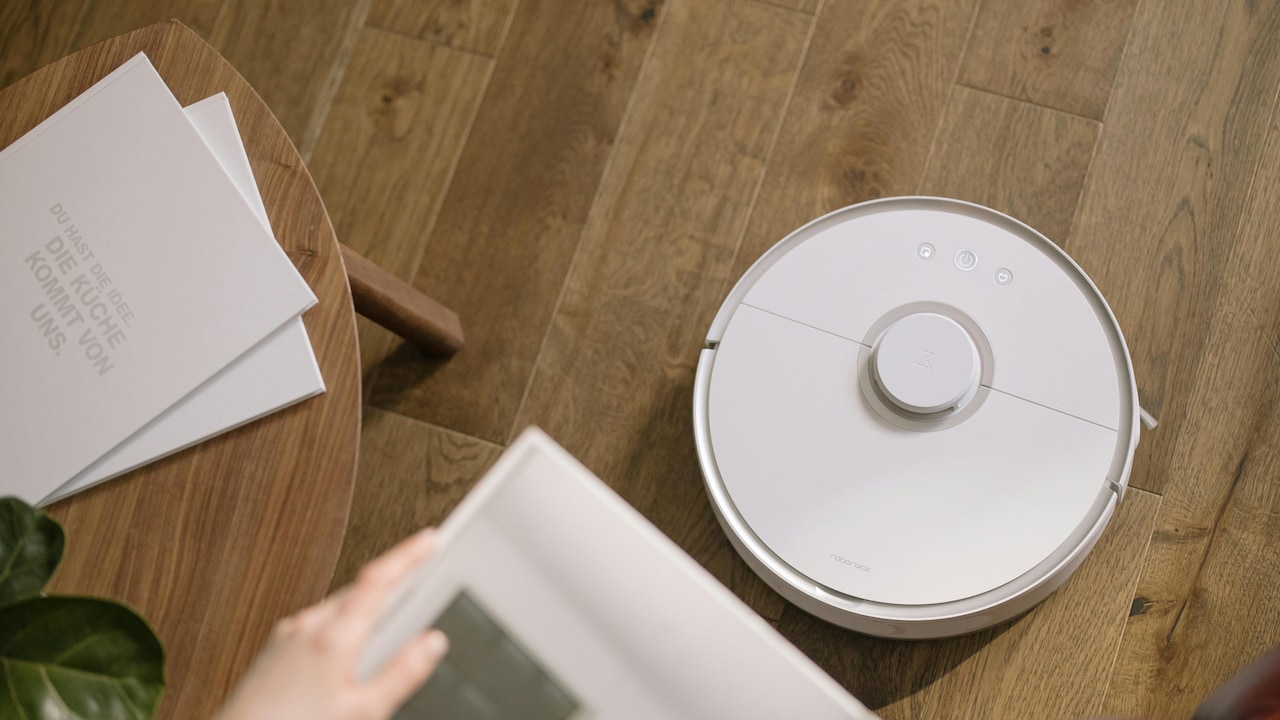
How To Fix A Vacuum Cleaner That Lost Its Suction In Just 10 Minutes; Photo Credit: Pexels
Quick Checks That Restore Vacuum Suction Fast
1. Check the Dust Bag or Collection Bin
A full dust bag ranks as the most common suction killer. When the bag overflows, airflow struggles and the motor strains. Bagless models face the same trouble once the bin reaches the brim. Open the compartment and look closely. Dust sometimes compacts tightly, especially fine powder from cement floors or renovation residue. Empty the contents into a newspaper sheet to avoid a dusty cloud. Tap the bag gently to loosen trapped particles. Replace disposable bags once they cross the halfway mark. Reusable cloth bags need a quick shake outdoors. Many households delay this step during busy weeks, yet five minutes here often solves the problem. A simple habit helps: empty the bin after cleaning large areas or carpets. Strong airflow depends on the space inside the bag, not just motor power.
2. Inspect and Clean the Filters
Filters trap microscopic dust and protect the motor, yet they clog quietly. Reduced airflow follows soon after. Most vacuums include at least one foam or HEPA filter. Remove it and check the colour. A grey or brown shade signals trouble. Rinse washable filters under running water until the water runs clear. Avoid hot water, as heat warps the material. Squeeze gently and let the filter dry fully in the shade. Damp filters choke suction and invite odour. Non-washable filters need replacement every few months, depending on use. Homes with pets or frequent sweeping require more attention. Clean filters help the vacuum breathe freely. This step alone often brings back that satisfying pull against the floor.
3. Look for Blockages in the Hose
The hose acts as the vacuum's lifeline. A single lodged object can cut suction drastically. Detach the hose and stretch it straight. Drop a coin or marble through one end. If it fails to exit, a blockage sits inside. Common culprits include hair clumps, paper scraps, and tiny toys. Use a long stick or broom handle to push debris out gently. Avoid sharp tools that puncture the hose. Some households discover lost earrings or pen caps during this step, which adds a small moment of amusement. Reattach the hose securely after clearing it. Air should flow smoothly without resistance. This quick check often solves sudden suction loss after cleaning under beds or sofas.
4. Examine the Floor Nozzle and Brush Roll
The floor nozzle faces constant abuse. Threads, hair, and fibres wrap around the brush roll and slow it down. Turn the vacuum upside down and inspect the brush. Scissors help snip tangled hair carefully. Pull debris away by hand. Check the opening near the nozzle for stuck wrappers or paper bits. A blocked nozzle starves the vacuum of airflow. Smooth tile floors hide this issue easily, while carpets reveal it through poor pick-up. Clean brushes spin freely and sweep dirt effectively. Many users skip this step for months, yet it transforms performance instantly. A clean brush also protects carpets from wear.
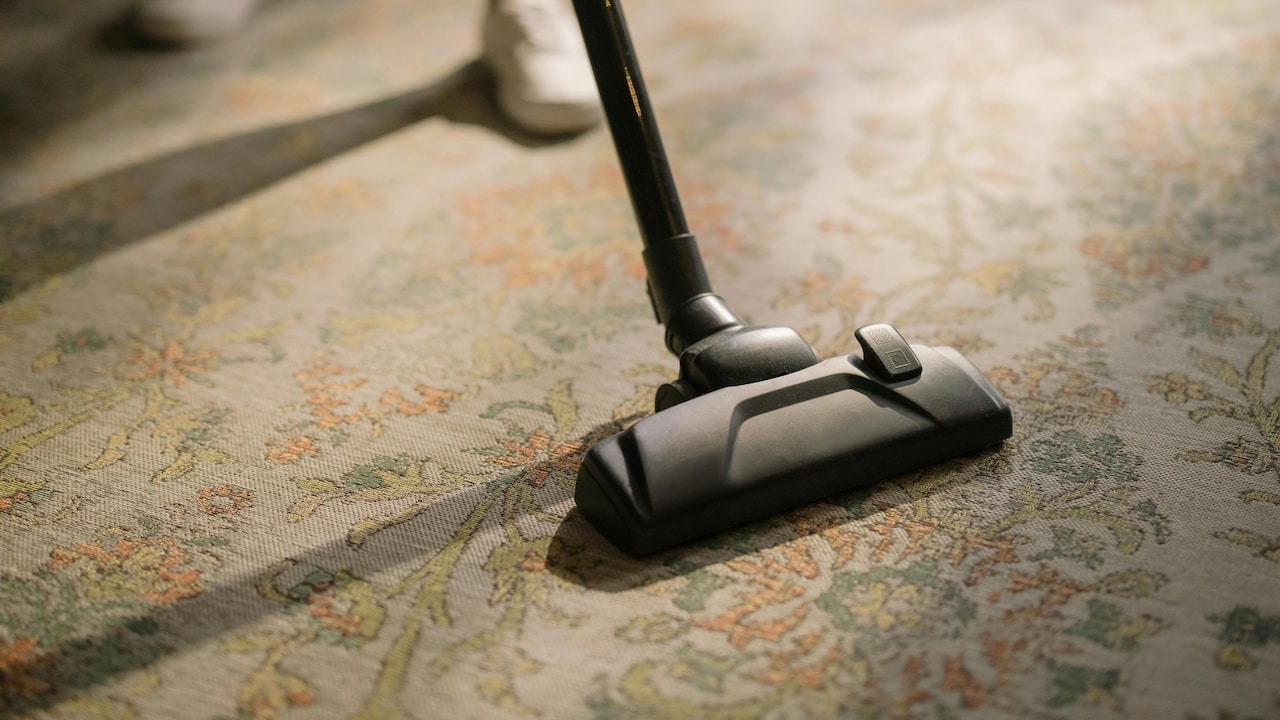
How To Fix A Vacuum Cleaner That Lost Its Suction In Just 10 Minutes; Photo Credit: Pexels
5. Check for Cracks or Loose Connections
Suction relies on an airtight system. Even a small crack or loose joint can leak air. Inspect the hose, pipe connections, and seals. Flex the hose gently and look for splits. Listen for hissing sounds when the vacuum runs. Tighten loose fittings by pushing them firmly into place. Replace worn rubber seals if they look flattened or brittle. Temporary fixes like tape help in emergencies, but plan a proper replacement soon. Households often overlook these leaks, assuming the motor causes the issue. Restoring a tight seal brings back full power without spending much. Many spare parts cost under ₹500 and last for years.
6. Adjust the Height Setting for Floors
Many vacuums include a height adjustment for carpets and hard floors. Incorrect settings reduce suction dramatically. A low setting on thick carpets causes drag, while a high setting on tiles lifts little dust. Check the dial or lever and match it to the surface. Slide it while testing suction with a hand near the nozzle. The vacuum should glide smoothly without sticking. Homes with mixed flooring often forget this adjustment during quick clean-ups. A small tweak here saves effort and time. Correct height allows airflow to focus where it matters most: at the point of contact with dirt.
7. Clean the Motor Vent and Exhaust
The motor needs fresh air to function well. Dust often gathers around vents and exhaust grills. Wipe these areas with a dry cloth or soft brush. Avoid water near electrical parts. A blocked vent overheats the motor and weakens suction. Some models include an exhaust filter that needs occasional cleaning or replacement. Pay attention to unusual heat or smell during use, as these signs hint at restricted airflow. Regular vent cleaning extends motor life and keeps performance steady. This step takes barely a minute yet prevents long-term damage that leads to costly repairs.
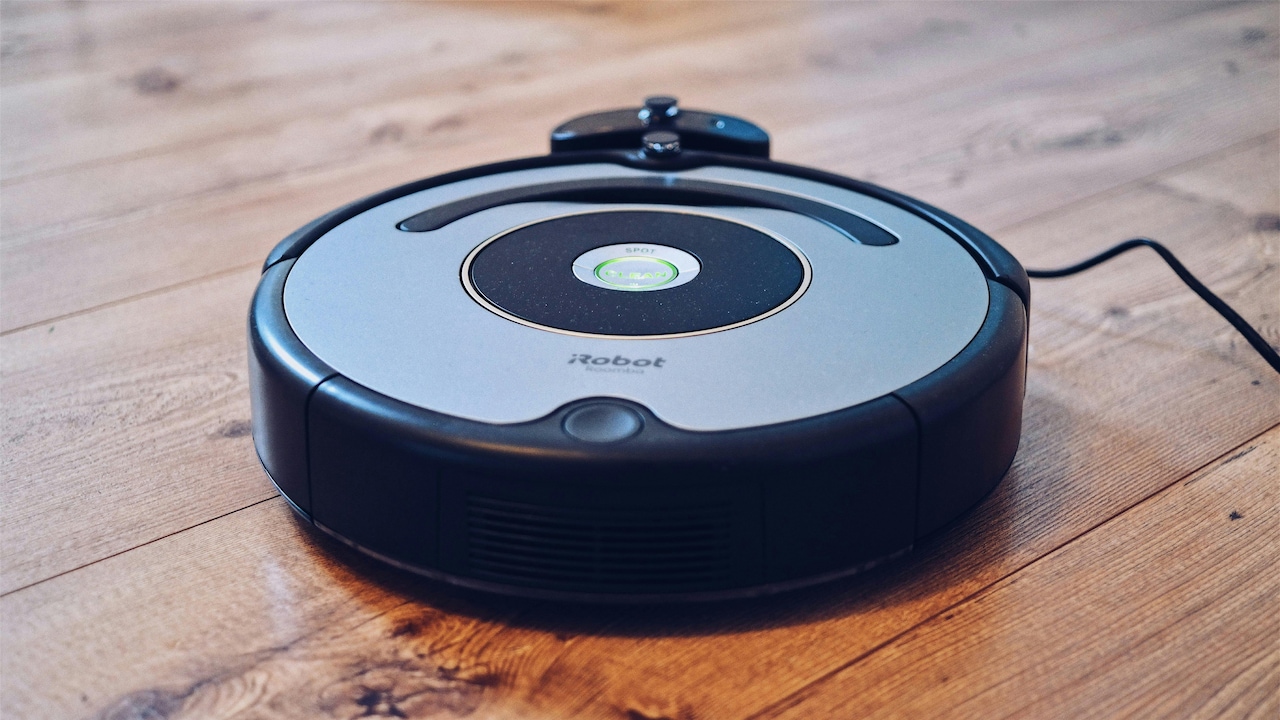
How To Fix A Vacuum Cleaner That Lost Its Suction In Just 10 Minutes; Photo Credit: Pexels
8. Empty Hidden Chambers and Cyclones
Bagless vacuums often include cyclonic chambers that spin dust away from the air. These chambers collect fine debris along the walls. Remove the bin and check for inner compartments. Wipe them clean with a dry cloth. Dust build-up here reduces efficiency over time. Fine powder from daily sweeping tends to cling stubbornly. A quick clean restores smooth airflow. Many users never notice these sections until suction drops noticeably. Regular attention keeps the vacuum performing like new. This step suits weekend cleaning routines and adds only a few minutes to maintenance.
9. Check the Power and Motor Sound
Electrical issues can mimic suction problems. Plug the vacuum into a different socket to rule out a low power supply. Listen to the motor sound. A strained or uneven noise suggests internal resistance, often due to blockages already mentioned. Once cleared, the motor usually returns to a steady hum. Avoid running the vacuum continuously for long periods, especially during summer afternoons. Short breaks protect the motor and maintain suction. If the sound remains weak after all checks, professional service may help. However, most cases resolve well before this stage.
10. Build Simple Maintenance Habits
Prevention saves time and money. Empty the dust bin regularly, clean filters monthly, and inspect the brush roll often. Store the vacuum in a dry place away from moisture. Avoid sucking up wet waste or sharp objects. These habits keep suction strong and reduce sudden failures. Families that follow a simple routine rarely face breakdowns. Maintenance costs stay low, often under ₹1,000 annually. A well-cared-for vacuum lasts for years and handles daily mess with ease. Treat it as a helper, not a rugged tool, and it will reward you with consistent performance.
Products Related To This Article
1. SEZNIK Vacuum Cleaner for Home Use Wet and Dry
2. Philips PowerPro FC9352/01-Compact Bagless Vacuum Cleaner for Home
3. AGARO Regal 800 Watts Handheld Vacuum Cleaner
4. Eureka Forbes Compact 700 Watts Powerful Suction & Blower Vacuum Cleaner
5. INALSA Vacuum Cleaner Wet and Dry Heavy Duty 1700 W & 25 Ltr Capacity
A vacuum cleaner rarely loses suction without warning. Small signs appear first: louder noise, weaker pull, or lingering dust trails. Addressing these signs early prevents bigger trouble. Most fixes demand attention rather than expertise. Ten focused minutes can revive performance and save a trip to the service centre. Regular care keeps cleaning quick and stress-free, even during busy weeks or festive preparations. With these practical steps, strong suction returns, floors look cleaner, and household chores feel lighter.
(Disclaimer: This article may include references to or features of products and services made available through affiliate marketing campaigns. NDTV Convergence Limited (“NDTV”) strives to maintain editorial independence while participating in such campaigns. NDTV does not assume responsibility for the performance or claims of any featured products or services.)