10 Water Purifier Maintenance Tips: What to Change, When to Replace, and Why It Matters
Regular water purifier maintenance is essential for safe drinking water. Learn which filters and parts need replacement, how often to change them, and how timely care prevents health risks and costly repairs.
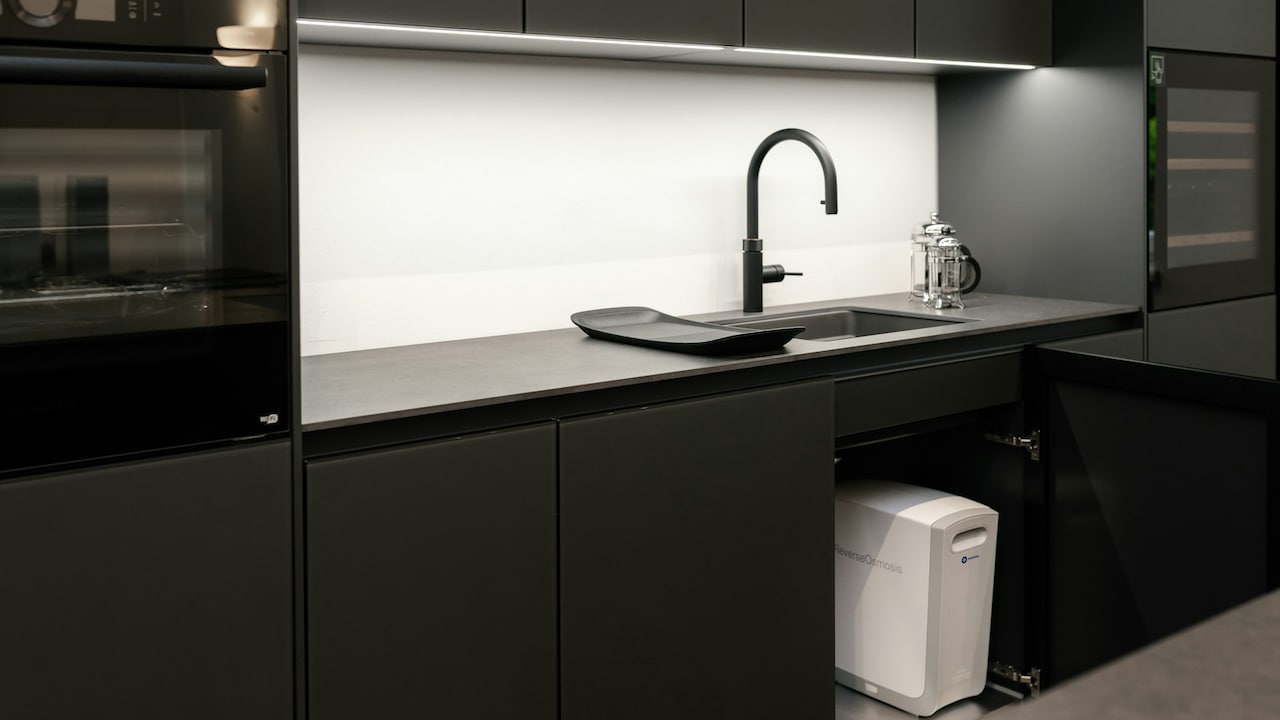
Water Purifier Maintenance Tips: What To Replace, When To Service, And How To Keep Water Safe.
A water purifier often sits quietly in a kitchen corner, humming away and doing its job without fuss. Over time, that silence creates a sense of comfort. Water flows clear, tea tastes right, and no one falls sick. Maintenance then slips down the priority list. Months pass. Sometimes years. Here lies the catch. A water purifier does not clean itself forever. Filters clog, membranes tyre, and storage tanks collect residue. When upkeep gets ignored, water quality drops. Energy use rises. Repair bills grow. The purifier may even turn into a source of contamination. Good maintenance does not demand technical expertise or endless spending.
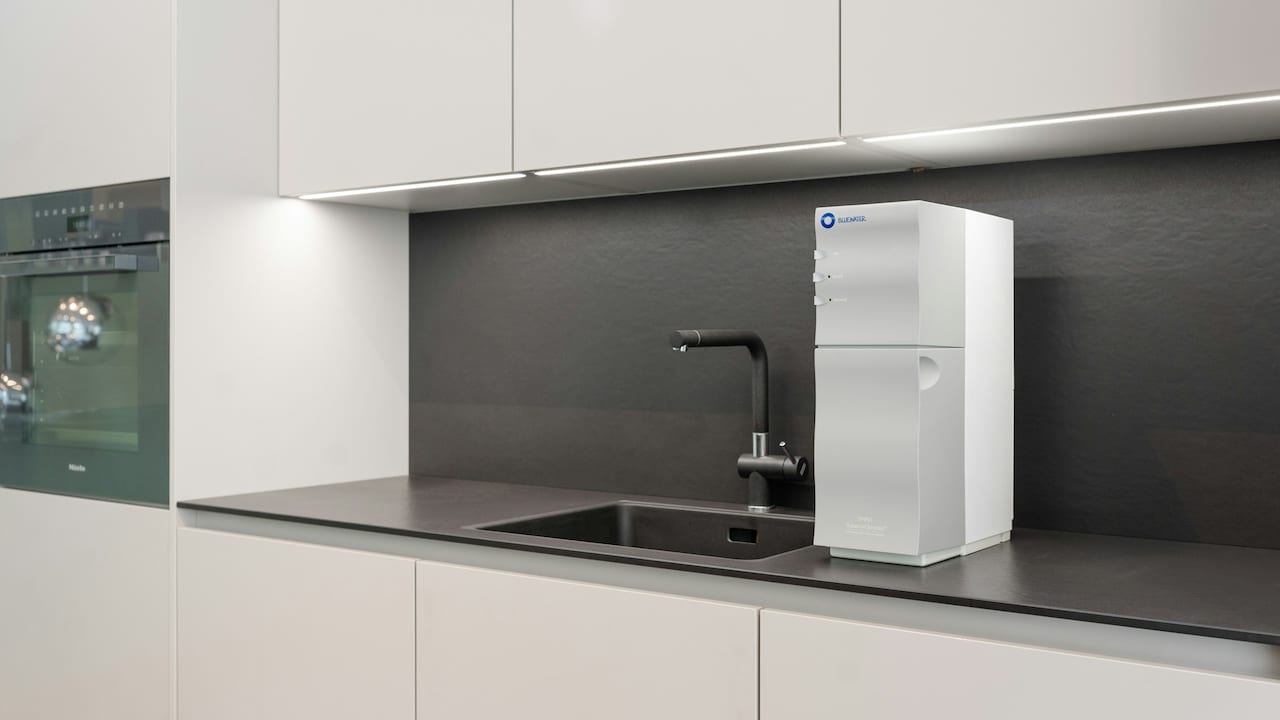
Keep your water purifier working like new with these basic maintenance tips; Photo Credit: Unsplash
Regular water purifier maintenance means changing filters on schedule, replacing worn cartridges and membranes, and cleaning tanks, which protects the purifier and prevents harmful contaminants from slipping into your drinking water. The sections below cover 10 essential water purifier maintenance tips, explained in simple terms.
Key Maintenance Tasks That Keep Your Drinking Water Safe
1. Sediment Filter: The First Line of Defence
The sediment filter works like a security guard at the gate. It blocks sand, dust, rust, and visible particles before they reach deeper filters. In many cities, water carries fine grit that settles at the bottom of buckets. That same grit attacks the purifier daily.
A clogged sediment filter reduces water flow. Taps slow down. Motors strain. Electricity bills quietly creep up. The purifier may still run, but efficiency drops.
Most households should replace this filter every six months. Areas with muddy or hard water may need a change every three to four months. Checking colour helps. A clean filter looks white or off-white. A brown or grey shade signals trouble.
Ignoring this small component often leads to bigger expenses later. A ₹400 filter replaced on time can save a ₹4,000 repair. That maths feels simple and satisfying.
2. Pre-Carbon Filter: The Taste Protector
The pre-carbon filter removes chlorine, odour, and unpleasant taste. Anyone who cringes at the smell of tap water understands its importance. Morning coffee and evening lemon water rely on this stage.
Over time, carbon pores fill up. Chlorine starts sneaking through. Water smells slightly chemical. Tea loses aroma. Some families blame the brand or the water source, while the real culprit sits inside the purifier.
This filter usually needs replacement once a year. In places with strong chlorine treatment, nine months works better. A quick taste test helps. If water smells odd or tastes flat, the carbon filter likely needs attention.
Replacing it on schedule keeps beverages enjoyable and protects the RO membrane downstream. Good taste often signals good care.
3. RO Membrane: The Heart of the System
The RO membrane handles heavy lifting. It removes dissolved salts, metals, and invisible contaminants. Without it, many purifiers turn into fancy storage units.
This membrane works hard and wears out slowly. Most last two to three years, depending on water quality and usage. Hard water shortens lifespan. High TDS levels push the membrane to its limits.
Warning signs include slow water output, rising wastewater, and a salty taste. A TDS meter offers clarity. When purified water shows high readings, the membrane may need replacement.
Though the cost feels higher, around ₹2,000 to ₹4,000, delaying replacement risks health and damages other components. Treat this part with respect. It keeps invisible threats away.
4. Post-Carbon Filter: The Final Polish
After purification, water passes through the post-carbon filter. This stage fine-tunes taste and removes any lingering odour from storage tanks or pipes.
Many overlook this filter because the water already looks clear. Yet taste tells a different story. Flat or stale flavour often traces back to this final step.
Replacing it every year works well for most households. Homes with large families or frequent guests may need quicker changes. This filter does not cost much, but it adds comfort to daily hydration.
A glass of water should feel refreshing, not forced. This small change ensures every sip feels right.
5. UV Lamp: The Silent Guardian
UV lamps neutralise bacteria and viruses that slip past filters. They work quietly and leave no trace. Unlike filters, they do not clog or change colour. That makes neglect easy.
Most UV lamps last about one year of continuous use. After that, light intensity drops, even if the lamp still glows. Germs then gain a free pass.
Replacing the lamp annually ensures protection stays strong. Skipping this step may not show immediate effects, but health risks rise quietly.
A ₹1,200 lamp replaced on time brings peace of mind that no doctor bill can match.

Try to replace the UV lamps every year to help the purifier work properly; Photo Credit: Unsplash
6. UF Membrane: Extra Safety for Storage Water
UF membranes trap bacteria and cysts without electricity. Many purifiers include them as an added layer, especially in gravity-based or hybrid models.
These membranes clog over time. Water flow slows. Pressure builds. In some cases, water bypasses the membrane, defeating its purpose.
Replacement every year keeps performance steady. In dusty environments or homes with old plumbing, six to nine months works better.
This component offers reassurance, especially during monsoon months when water quality fluctuates. Think of it as a safety net that deserves regular checks.
7. Storage Tank Cleaning: The Forgotten Task
Filters often steal the spotlight, while storage tanks gather neglect. Over months, biofilm forms on the inner walls. Slime builds quietly. Even purified water picks up contaminants here.
Cleaning the tank every six months helps prevent this. Many service providers include it in annual maintenance visits. Those who skip professional help can still manage basic cleaning with guidance.
Signs include unusual smell, cloudy water, or slippery tank walls. Ignoring these signs invites bacteria to dinner.
Clean storage keeps water fresh and confidence high. A clean tank completes the purification journey.
8. Faucet and Pipes: Small Parts, Big Impact
The faucet delivers the final product. It touches cups, bottles, and hands. Mineral deposits and grime collect here easily.
Cleaning the faucet monthly helps maintain hygiene. Vinegar works well against scaling. A gentle scrub removes residue. Pipes inside the purifier also need periodic flushing during servicing.
Leaks around the faucet often signal worn seals. Fixing them early avoids water waste and cabinet damage. A dripping tap wastes litres daily and patience nightly.
These small parts often cost under ₹300, yet their neglect creates outsized trouble.
9. Electrical Components and Power Supply
Purifiers rely on steady power. Voltage fluctuations damage motors, solenoid valves, and control boards. Many homes face frequent power cuts and surges.
Using a stabiliser protects internal components. Annual inspection of wiring and switches helps catch issues early. Unusual noises or sudden shutdowns signal trouble.
Ignoring electrical health leads to expensive repairs. A control board replacement can cost over ₹3,000. Preventive care saves money and frustration.
Electricity supports purification, so it deserves attention too.
10. Annual Maintenance Contracts: Worth the Investment
Many brands offer annual maintenance contracts. These plans cover filter changes, servicing, and emergency visits. Some households hesitate, fearing hidden costs.
In reality, AMCs often save money. They ensure timely replacements and reduce breakdowns. Costs usually range from ₹3,000 to ₹6,000 per year, depending on the model.
For busy families, this option removes guesswork. Service reminders arrive on time. Technicians handle technical tasks. Water quality stays consistent.
Choosing a reliable plan feels like hiring a caretaker for health. That assurance holds value beyond numbers.
Products Related To This Article
1. Pureit Eco Water Saver RO+UV+MF+Mineral
2. Aquaguard Sure Delight RO+MC 1X Water Purifier
3. AQUA D PURE 4 in 1 Copper RO Water Purifier with 10 Stage Purification Filtration
4. Havells Aquas Lite Water Purifier, UV + UF Purification
5. iSpring Mineral RO+UV+UF 12 Liter RO
A water purifier protects health quietly, day after day. Yet it asks for care in return. Filters need timely changes. Tanks need cleaning. Small parts need attention. Ignoring these needs risks both health and finances. Clean water supports every cup of tea, every meal, and every growing child. Keeping the water purifier in good shape ensures that support never falters. In the end, maintenance turns technology into trust, one clean glass at a time.
(Disclaimer: This article may include references to or features of products and services made available through affiliate marketing campaigns. NDTV Convergence Limited (“NDTV”) strives to maintain editorial independence while participating in such campaigns. NDTV does not assume responsibility for the performance or claims of any featured products or services.)