Why Your Steam Iron Is Leaking Water and How to Fix It the Right Way
Steam irons often leak water due to incorrect settings, overfilling or poor maintenance. This guide explains common mistakes and the right way to use the steam function effectively.
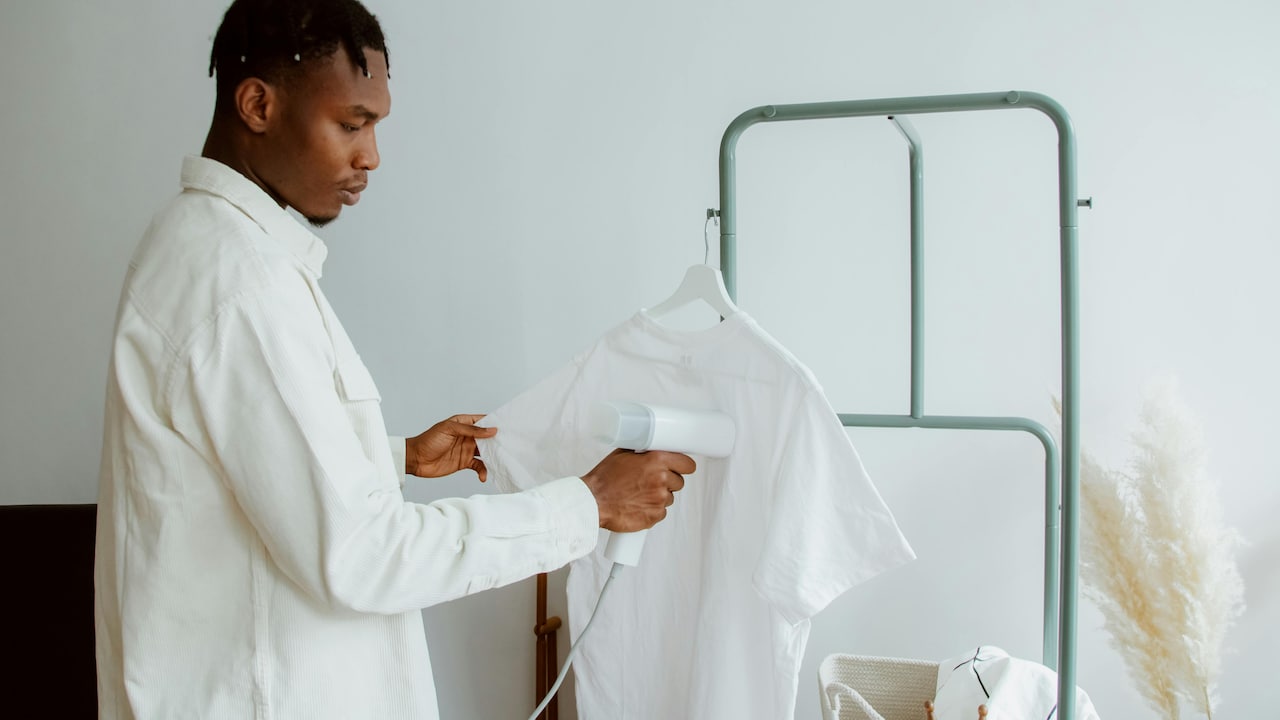
Steam Iron Leaking Water? Common Usage Mistakes And Correct Way To Use Steam Function.
A steam iron ranks among the hardest-working appliances at home. From rushed weekday mornings to last-minute festive preparations, it quietly handles crumpled cottons, stubborn linens, and delicate silks. Yet many people share the same frustration: water leaking from the soleplate, leaving damp patches or white marks on clothes.
This problem rarely signals a serious defect. More often, it points to how the iron gets used, stored, or set up. Steam technology works on balance, between heat, water, and timing. Disrupt that balance, and leaks follow.
Understanding how steam irons behave saves money, time, and irritation. It also extends the life of the appliance. With electricity costs rising and replacement prices touching ₹2,000–₹5,000 for mid-range models, careful usage makes sense.
The sections below unpack the most common mistakes, wrong settings, and overlooked habits that cause steam irons to leak water. Each point also explains the correct way to use the steam function, with practical tips drawn from everyday laundry routines.
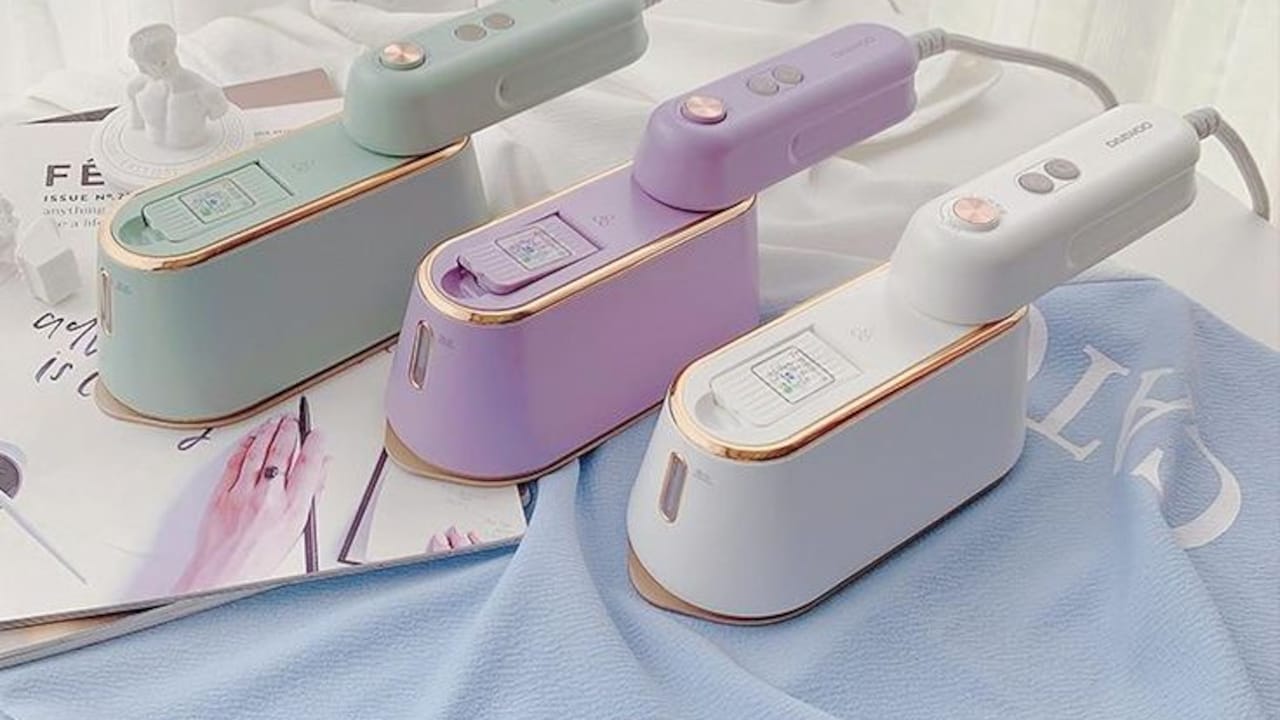
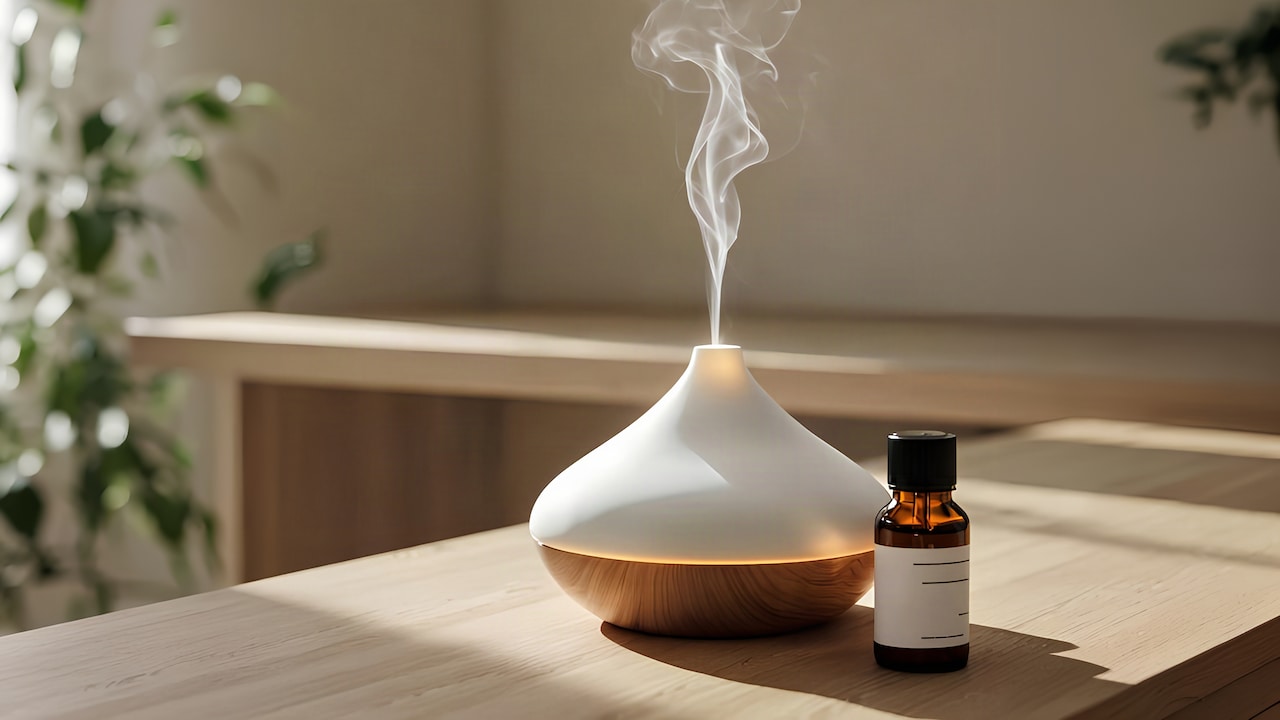
Why Your Steam Iron Is Leaking Water and How to Fix It the Right Way; Photo Credit: Pexels
Before You Blame The Iron: What Really Causes Water Leakage
1. Overfilling the Water Tank
A steam iron's water tank may look generous, but it has clear limits. Filling it beyond the marked level creates excess pressure inside. When the iron heats up, that extra water has nowhere to go. It escapes through the steam vents as droplets instead of vapour.
Many people overfill in a hurry, thinking fewer refills save time. In practice, it leads to dripping irons and wet garments. This often happens during bulk ironing sessions, such as before weddings or festivals, when piles of clothes wait nearby.
The correct approach involves filling only up to the indicated line. That small gap allows steam to form properly. Using a jug with a narrow spout helps avoid accidental overflow. After filling, always wipe the exterior dry before plugging in.
Another helpful habit involves emptying the tank once the ironing finishes. Standing water encourages mineral build-up and leaks during the next session. Treat the water tank like a fuel tank, fill what's needed, not more. Clothes stay dry, and the iron performs better for years.
2. Using Steam at Low Temperatures
Steam and heat share a close relationship. Steam forms only when water reaches a high enough temperature. Switching on the steam function while the iron sits at a low heat setting causes water to leak straight out.
This mistake often occurs with delicate fabrics. Many people select a low temperature for chiffon or synthetics, but forget to turn off the steam. The iron then releases water droplets instead of vapour, leaving stains or even scorching marks once the heat rises unevenly.
Every iron includes fabric symbols for a reason. Steam usually pairs with cotton, linen, and denim settings. Lower settings suit dry ironing only. Waiting until the iron reaches the correct temperature before pressing the steam button also matters.
A simple pause saves clothing. Allow the indicator light to switch off, signalling readiness. Steam then flows smoothly, lifting creases instead of soaking fabric. This habit also prevents sputtering sounds, which often warn of incorrect heat-steam combinations.
3. Hard Water and Mineral Build-Up
Tap water varies widely across cities and towns. In many areas, it contains high mineral content. Over time, these minerals settle inside the iron, clogging steam vents and internal channels.
When blockages form, steam struggles to escape evenly. Water then leaks through larger openings, dripping onto clothes. White flakes or chalky stains on fabric often signal mineral trouble.
Using distilled or demineralised water reduces this risk. Though it adds a small cost, around ₹40–₹60 per litre, it prevents damage that leads to repairs or replacements costing thousands.
Many irons include a self-clean or anti-calc function. Activating it monthly clears internal build-up. Skipping this step invites leaks and inconsistent steam output.
Flushing the tank occasionally with clean water also helps. Treating water quality seriously keeps steam flowing freely. The result shows not only in dry clothes but also in smoother ironing sessions without unexpected hissing or dripping.
4. Storing the Iron with Water Inside
Storage habits quietly contribute to leaking problems. Leaving water inside the tank after use allows moisture to settle into vents and seals. Over time, rubber components weaken, and tiny leaks develop.
This issue often occurs in homes where ironing happens weekly or less. The iron sits unused, water stagnates, and the next session starts with dripping before heat builds up.
The solution remains simple. Empty the tank after every use. Let the iron cool with the lid open for a few minutes. This allows remaining moisture to evaporate.
Storing the iron upright also helps. Flat storage traps water near the soleplate, increasing leak chances. A vertical position keeps residual moisture away from steam holes.
These small habits take less than a minute but add years to the appliance's life. They also prevent unpleasant surprises when ironing a freshly washed kurta or school uniform in a hurry.
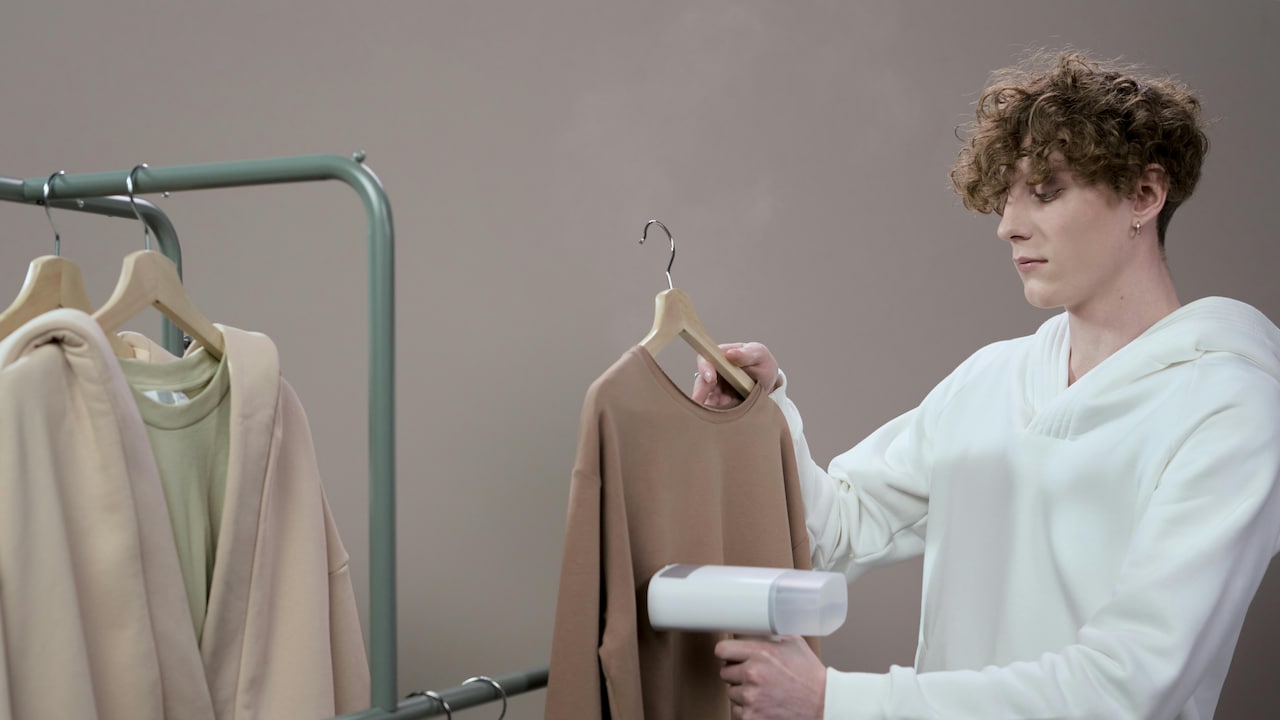
Why Your Steam Iron Is Leaking Water and How to Fix It the Right Way; Photo Credit: Pexels
5. Shaking or Tilting the Iron While Hot
Ironing often turns into a rhythmic motion. Some people shake the iron gently to spread steam faster or tilt it sharply to reach awkward seams. While harmless in appearance, these movements disrupt internal water flow.
Steam irons rely on stable positioning to convert water into vapour. Sudden tilts allow water to bypass heating elements and leak directly through vents. This explains why dripping often happens mid-press rather than at the start.
Vertical steaming adds another layer of confusion. Not all irons support it. Using a model without proper vertical steam design causes water to spill instead of steam to rise.
Keeping the iron flat during use ensures even heating. For vertical steaming, check the manual first. If supported, hold the iron at the recommended distance.
Gentle, steady movements work best. Clothes respond better to patience than force. Avoiding dramatic shakes keeps steam where it belongs, inside fibres, not on surfaces.
6. Ignoring Warm-Up Time
Modern life encourages speed. Plug in, turn on, and start ironing feels efficient. Unfortunately, steam irons need time to reach full operating temperature.
Using steam too early causes condensation. Water inside the iron remains cool and escapes as droplets. This creates damp spots, especially noticeable on darker fabrics.
Indicator lights exist for guidance. They signal when the soleplate reaches the selected heat. Skipping this step invites leaks and uneven pressing.
Waiting an extra minute saves effort later. Clothes dry faster, creases vanish smoothly, and the iron behaves predictably. This also reduces strain on internal components, preventing long-term leakage.
During large ironing sessions, allow the iron to reheat after changing settings. Rapid switching between fabrics confuses temperature regulation.
Patience may feel inconvenient, yet it pays off. Dry, crisp clothes reward those few extra moments spent waiting for proper heat.
7. Incorrect Steam Burst Usage
Steam burst functions tackle stubborn creases. They release powerful jets of steam on demand. Misusing this feature causes water leakage, especially when pressed repeatedly.
Each burst empties a small chamber. Pressing the button too often floods the soleplate area before the steam converts fully. Excess water then drips out.
Spacing steam bursts allows internal systems to recover. A gap of five to ten seconds works well. This rhythm ensures steam remains dry and effective.
Using burst mode on suitable fabrics also matters. Thick cotton shirts respond well. Light fabrics do not. Misuse leads to damp patches and wasted effort.
Understanding this function improves results dramatically. Used wisely, steam bursts feel satisfying and efficient. Used carelessly, they soak clothes and frustrate users. Moderation keeps the steam powerful and controlled.

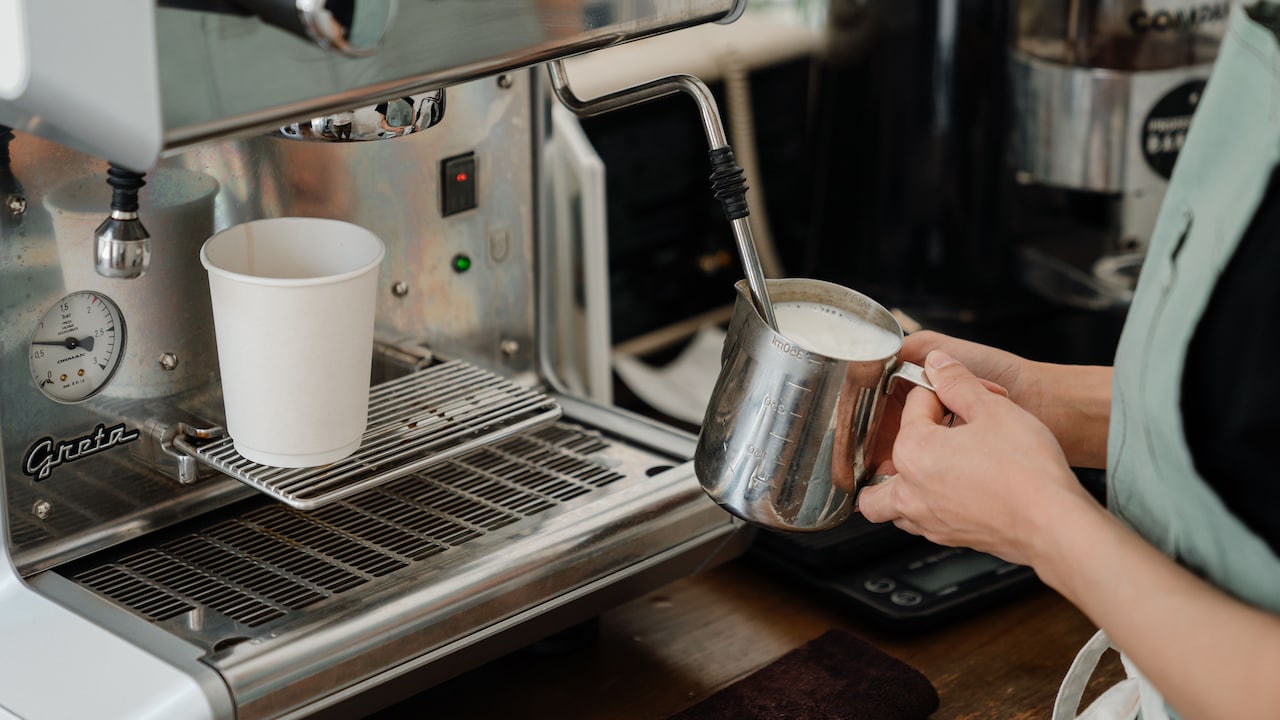
Why Your Steam Iron Is Leaking Water and How to Fix It the Right Way; Photo Credit: Pexels
8. Damaged Seals or Worn-Out Components
Sometimes, leaks signal age rather than mistakes. Over time, seals around the water tank and steam channels wear out. Heat cycles weaken rubber and plastic parts.
This problem appears after years of use, especially with frequent ironing sessions. Small cracks develop, allowing water to escape unexpectedly.
Regular maintenance helps spot early signs. Water pooling near the handle or base indicates seal issues. Ignoring these signs worsens leaks and risks electrical damage.
Repair options vary. Minor seal replacements cost around ₹300–₹600 at local service centres. Compared to buying a new iron, repairs make sense.
Using the iron gently and following correct usage habits slows wear. While no appliance lasts forever, mindful handling extends lifespan and delays costly replacements.
9. Using the Wrong Fabric Setting
Fabric settings guide temperature and steam output. Ignoring them leads to leaks and fabric damage. Selecting high steam for synthetic blends invites water stains.
Many modern garments combine fibres. Labels provide clear instructions. Matching the iron's setting to the most delicate fibre prevents issues.
Sorting clothes before ironing saves time and frustration. Grouping by fabric type reduces frequent setting changes, which often cause temperature instability and leaks.
Testing steam on a hidden seam also helps. It prevents visible marks and builds confidence before full pressing.
Correct settings protect both iron and clothing. They ensure steam forms properly and exits as vapour. This simple discipline turns ironing into a smoother, faster task.
10. Skipping Regular Cleaning
Cleaning often falls low on household priorities. Yet steam irons demand periodic care. Dust, lint, and residue accumulate around vents and inside tanks.
Clogged vents disrupt steam flow. Water then leaks from unintended gaps. Brown stains or sputtering noises indicate cleaning needs.
Running the self-clean function monthly clears debris. For irons without it, filling the tank with clean water and steaming over a sink works well.
Wiping the soleplate with a damp cloth after cooling removes residue. Avoid harsh scrubbers that scratch surfaces.
Regular cleaning feels tedious, but it prevents bigger problems. It keeps steam dry, vents clear, and clothes spotless. A clean iron performs better, lasts longer, and rewards effort with flawless results.
Products Related To This Article
1. Usha 3713 1300Watt Steam Iron with Self Cleaning Function
2. Philips Steam Iron
3. Havells Glaze 1250 Watts Steam Iron with Self-Cleaning Function
4. Bajaj MX 3 Neo Steam Iron
5. Crompton Fabrimagic Neo 1200 W Steam Iron with 180 ml water tank
Water leakage from steam irons frustrates many households, yet the cause rarely lies in faulty design. Most issues stem from small, repeated habits, overfilling tanks, rushing warm-up times, or misusing steam settings.
Understanding how steam forms and behaves transforms ironing from a chore into a predictable routine. Simple changes, such as using the right water, waiting patiently, and cleaning regularly, make a noticeable difference.
These practices save money, prevent clothing damage, and extend appliance life. With replacement costs rising and daily schedules growing busier, mindful usage matters more than ever.
A steam iron works best when treated with care and understanding. Follow the correct methods, avoid common mistakes, and enjoy crisp, dry clothes without unexpected drips. Ironing may never become exciting, but it certainly becomes less irritating and far more effective.
(Disclaimer: This article may include references to or features of products and services made available through affiliate marketing campaigns. NDTV Convergence Limited (“NDTV”) strives to maintain editorial independence while participating in such campaigns. NDTV does not assume responsibility for the performance or claims of any featured products or services.)