10 Reasons Garment Steamers Struggle With Heavy Denim And How To Get Better Results
Heavy denim can defeat even a good garment steamer. Discover why thick jeans resist steam and how smarter techniques can soften stubborn creases, improve results and make steaming more effective.
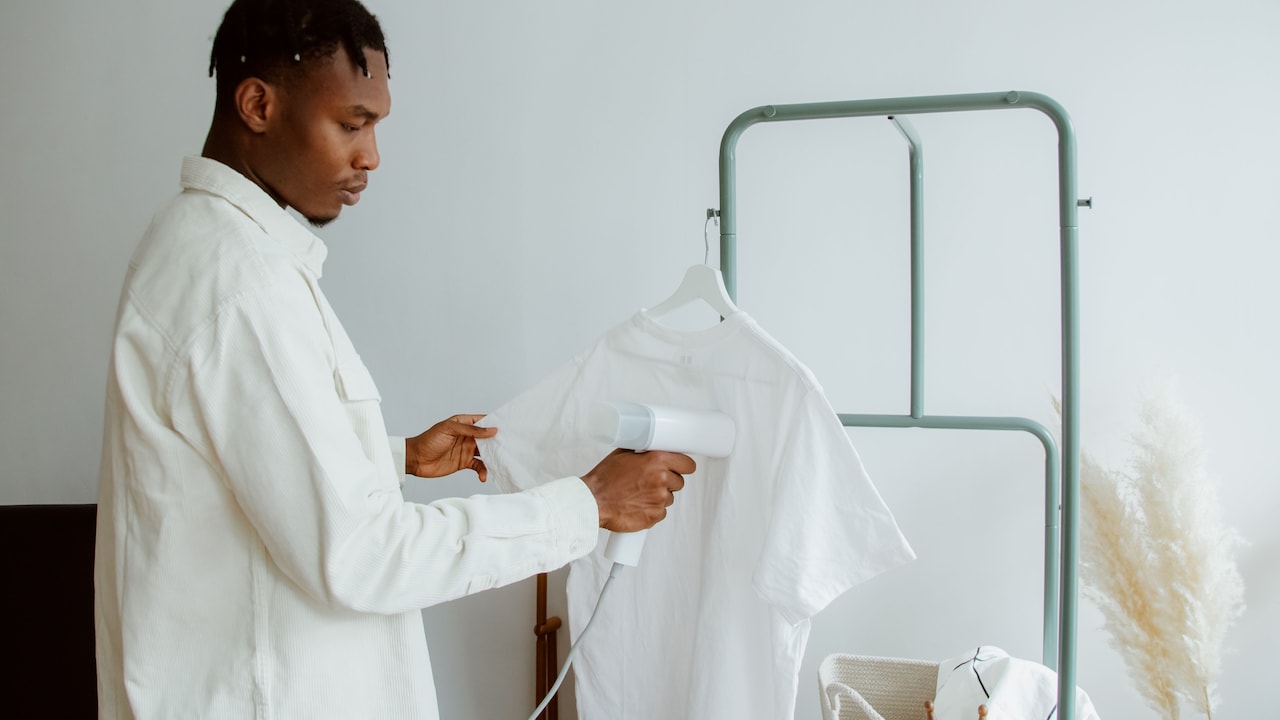
Why Garment Steamers Struggle With Heavy Denim: 10 Fixes That Work
A garment steamer feels almost magical when it meets a lightweight kurta, cotton shirt or office blouse. A few smooth passes, a puff of steam, and those irritating wrinkles begin to disappear. Then comes a pair of heavyweight jeans. Suddenly, the same steamer seems to have forgotten its job. Denim outfits can be surprisingly stubborn. Its dense weave and thick yarns give jeans their durability, but those same qualities make wrinkles harder to relax. Add seams, pockets, waistbands and deep storage creases, and even a capable steamer can appear underpowered. That does not mean steaming denim is pointless. Quite the opposite. With better technique, realistic expectations and a little preparation, a steamer can refresh jeans, soften mild creases and improve their overall appearance without dragging out the ironing board. The trick lies in understanding why denim fights back.
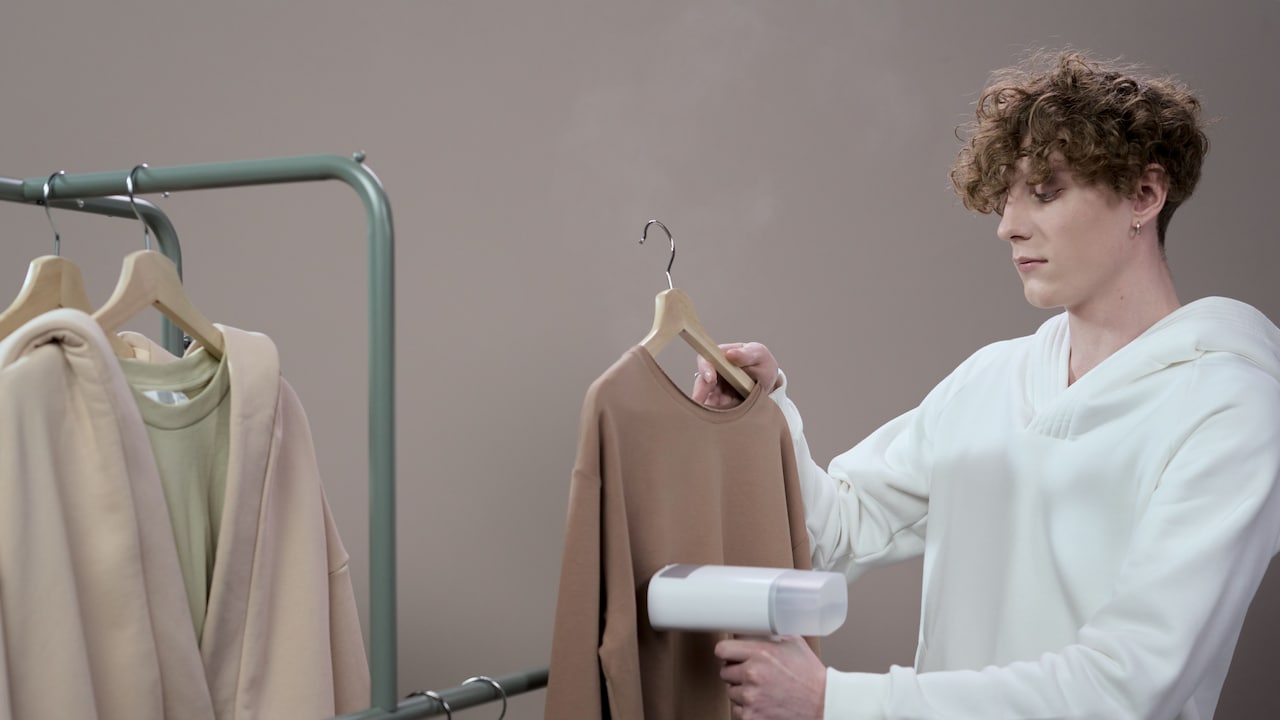
Why Garment Steamers Struggle With Heavy Denim: 10 Fixes That Work; Photo Credit: Pexels
Why Garment Steamers Struggle With Heavy Denim
1. Heavy Denim Has A Dense Fabric Structure
Heavy denim does not behave like a thin cotton shirt because its construction is considerably denser. Traditional denim uses a sturdy twill weave, with tightly packed yarns forming a fabric designed to withstand friction, movement and repeated wear. That durability is excellent when jeans need to survive crowded commutes, long days and countless washes. It becomes less convenient when wrinkles need removing quickly.
Steam works by introducing heat and moisture into fibres so they relax and return to a smoother position. With thick denim, much of that moisture initially reaches only the surface. The inner fibres remain relatively dry and rigid, which explains why a quick sweep of steam may produce little visible change.
Better results come from patience rather than aggressive steaming. Move the steamer slowly across the fabric and allow each section several seconds to absorb moisture. Steaming both the inside and outside can also help when the denim feels particularly substantial. The aim is gentle penetration, not turning the jeans into something resembling laundry caught in a monsoon.
Also Read: 5 Best Portable Steamers For Clothes Under ₹3000
2. Deep Creases Need More Than Steam Alone
Some denim wrinkles barely qualify as wrinkles. A pair of jeans folded beneath a stack of clothes for several weeks can develop creases that look almost architectural. Steam may soften them, but expecting them to vanish instantly often leads to disappointment.
Deep folds develop because fibres remain compressed in the same position for an extended period. Heavy denim holds that shape especially well. Steam relaxes the fibres, yet it provides very little physical pressure to push them flat. That is where a traditional iron has an advantage.
When using a steamer, create gentle tension instead. Hang the jeans securely and pull the fabric slightly taut with one hand while directing steam across the crease with the other. A heat-resistant steaming glove can make the process safer and easier.
For an especially persistent fold, lightly dampen the area before steaming. Do not soak it. A little moisture gives the steam a head start and helps heat travel through the fabric. Once the crease relaxes, leave the jeans hanging until completely dry.
3. Low-Powered Steamers May Lack Enough Steam Output
Not every garment steamer produces the same volume of steam. Compact travel models are convenient for weekend trips or quick office touch-ups, but heavy denim can expose their limitations rather quickly.
A smaller steamer may release a modest, intermittent stream that works perfectly well on thin clothing. Dense jeans need sustained heat and moisture. If the steam output drops every few seconds, the fabric cools before its fibres have enough time to relax.
This problem often becomes obvious when the user repeatedly passes over the same patch without seeing much improvement. Before blaming the technique, check whether the appliance has reached its full operating temperature. Some models technically begin producing steam before they reach their most effective output.
A full-sized steamer with consistent steam delivery usually handles denim more comfortably. When buying a model primarily for heavier clothes, steam output deserves more attention than flashy accessories. Spending ₹3,000 on a machine with reliable performance may prove more useful than choosing a cheaper model bundled with several attachments that spend most of their lives sitting forgotten inside a cupboard.
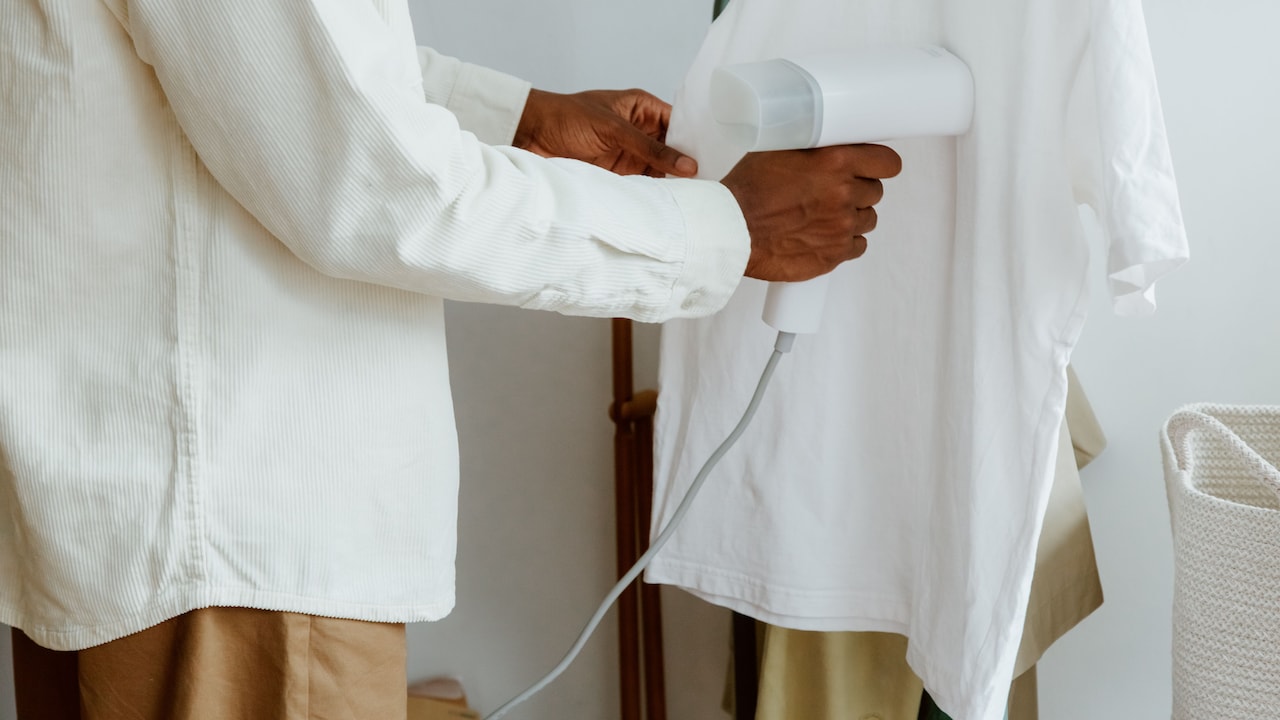
Why Garment Steamers Struggle With Heavy Denim: 10 Fixes That Work; Photo Credit: Pexels
4. Moving The Steamer Too Quickly Reduces Effectiveness
Fast steaming looks efficient, especially when getting ready for work with breakfast still unfinished and the clock becoming increasingly unfriendly. Unfortunately, rushing across heavyweight denim gives steam little chance to penetrate the material.
A rapid pass might smooth surface fuzz or soften a mild wrinkle, but deeper creases need prolonged exposure. The steam must warm the fibres sufficiently before they begin to loosen.
Work in manageable sections instead. Start around the upper thigh, move slowly towards the knee and then continue towards the lower leg. Hold the steamer close enough for concentrated steam to reach the fabric while following the manufacturer's guidance on safe contact.
There is no benefit in wildly waving the nozzle backwards and forwards. Slow, deliberate strokes usually achieve more while wasting less water.
It also helps to pause briefly over troublesome areas without keeping intense heat fixed on one spot for too long. Think of steaming denim as persuading the fabric rather than fighting it. A calm approach may sound less dramatic, but the jeans usually respond better.
5. Multiple Layers Block Steam From Reaching Creases
Jeans contain far more layered fabric than their simple appearance suggests. Waistbands, pockets, belt loops, hems and reinforced seams can involve several layers stitched tightly together. These areas are often exactly where stubborn wrinkles appear.
When steam hits a thick waistband, for example, the outer layer absorbs much of the heat and moisture. The layers underneath may receive very little. Repeated steaming from the same direction then produces diminishing returns.
Changing the angle makes a noticeable difference. Open the jeans fully and steam difficult sections from both sides whenever possible. Pockets can be pulled away from the main fabric slightly so steam reaches the material underneath. The same approach works around hems and bulky seams.
Avoid forcing the steamer directly against thick stitching unless the appliance supports contact steaming. Excess moisture can collect around dense areas and leave them damp without actually flattening them.
Working methodically may add a few minutes, but it prevents the classic situation where one trouser leg looks fresh while the waistband still seems as though it has spent a week folded inside a suitcase.
6. Dry Denim Resists Wrinkle Relaxation
Bone-dry denim can be remarkably resistant to steaming, particularly after air drying in strong sunlight or spending days inside an air-conditioned wardrobe. The fibres become firm, and surface steam may struggle to penetrate quickly enough.
A small amount of moisture can make the process easier. Lightly misting difficult sections with clean water before steaming helps the fibres begin relaxing. The emphasis belongs firmly on “lightly”. Jeans should feel faintly damp, not ready for another spin cycle.
Another useful approach is steaming soon after the garment has finished drying but still retains a trace of natural moisture. At that stage, creases often release more readily.
Water quality matters too. Mineral-heavy tap water can cause deposits inside some steamers over time, reducing steam performance. Following the appliance manufacturer's recommendation regarding distilled or demineralised water can help maintain consistent output.
After steaming, allow the jeans to hang freely. Wearing them immediately while damp can create fresh folds around the knees, hips and waist, undoing several minutes of careful work before the front door has even closed.
7. Poor Hanging Technique Lets Denim Sag
Jeans are heavy, and that weight creates both an opportunity and a problem. Hung correctly, gravity helps pull softened fibres into a smoother shape. Hung badly, the garment twists, bunches and develops new wrinkles while old ones are still being treated.
A lightweight plastic hanger may bend under thick denim, especially when the jeans are wet or heavily constructed. Trouser hangers with strong clips usually provide better support. Attach the clips evenly at the waistband so both legs hang naturally.
Before steaming, straighten the seams and ensure one leg is not twisted around the other. It sounds obvious, yet a surprisingly large number of disappointing steaming sessions begin with badly positioned fabric.
Use the garment's weight to create natural tension, then add a small amount of hand tension when working across stubborn areas. Avoid pulling excessively. Stretch denim can temporarily distort if handled too aggressively while warm.
Once steaming is complete, keep the jeans hanging until cool and dry. Gravity continues doing useful work during this period, quietly finishing a job that hurried hands often make unnecessarily difficult.
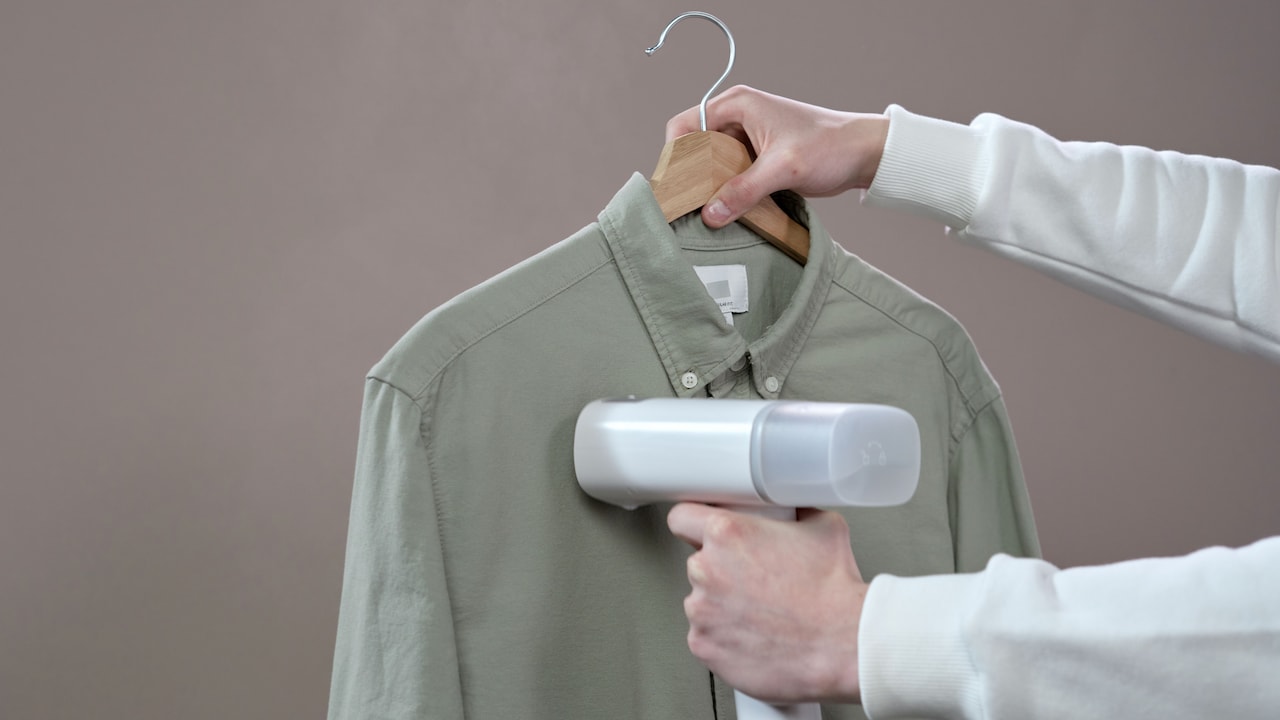
Why Garment Steamers Struggle With Heavy Denim: 10 Fixes That Work; Photo Credit: Pexels
8. Stretch Denim Reacts Differently To Heat
Many modern jeans contain elastane or another stretch fibre alongside cotton. That little bit of flexibility makes sitting through long journeys considerably more comfortable, but it changes how the garment should be steamed.
Stretch fibres can be more sensitive to excessive heat than pure cotton denim. Repeatedly concentrating very hot steam on one area may eventually affect elasticity, shape or recovery. The jeans might look smooth for the afternoon yet gradually lose the fit that made them comfortable in the first place.
Check the care label before steaming. If the manufacturer recommends low heat or warns against certain treatments, follow those instructions rather than relying on habit.
Keep the nozzle moving and avoid unnecessarily prolonged exposure around high-stretch areas such as knees, waistbands and seat panels. Gentle tension works better than pulling the fabric hard while it is warm.
For blended denim, the goal should be refreshing and softening wrinkles rather than achieving a razor-sharp pressed finish. Jeans are supposed to have character. Removing every tiny crease can become an unnecessary battle with both the steamer and the fabric.
9. The Wrong Steaming Direction Can Work Against The Weave
Technique matters more with denim than many people realise. Randomly steaming in every direction can leave the surface looking uneven, particularly on darker jeans where light catches the twill texture.
Long, controlled downward strokes generally work best. They follow gravity and allow the weight of the garment to help straighten the fibres. Starting near the waistband and gradually moving towards the hem also prevents already-treated sections from bunching.
For a stubborn horizontal crease, steam across and slightly beyond the affected area rather than concentrating only on the visible line. Wrinkles involve surrounding fibres too, so relaxing a wider section produces a more natural finish.
Steaming from inside the garment can also help preserve the surface appearance of very dark or treated denim. This approach is particularly useful when concerned about marks, sheen or changes to a special finish.
There is no need to turn the process into a science experiment. Simply maintaining a consistent direction, steady speed and sensible amount of tension can turn an apparently weak steamer into a far more capable denim companion.
10. Steam Cannot Replace Pressure For Every Finish
The greatest source of frustration may simply be expecting a garment steamer to behave like an iron. The two appliances use heat differently. A steamer relaxes fibres with hot moisture, while an iron combines heat with direct pressure.
That distinction matters enormously with heavy denim. Steam can remove light wrinkles, refresh fabric and soften fold marks. It may struggle to create the crisp, perfectly flat finish that firm ironing pressure produces.
For everyday jeans, that softer result is often ideal. Denim rarely needs to look as sharply pressed as formal trousers. If a deep crease refuses to disappear after sensible steaming, however, reaching for an iron is not admitting defeat.
A practical combination works well. Steam the jeans first to relax the fibres, allow excess moisture to escape, then use an iron on the most stubborn areas if the care label permits. A pressing cloth can protect dark surfaces from unwanted shine.
Choosing the right tool for the desired finish saves time, electricity and irritation. Sometimes the cleverest steaming technique is knowing when steam has already done everything it reasonably can.
Products Related To This Article
1. PHILIPS STH3000/20 Garment Steamer Perfect Rakhi Gift
2. OWNAIR Steam Iron Handheld for Clothes
3. NUUK STROM GO V2 Super Compact and Lightweight Travel Garment Steamer
4. PHILIPS Standing Garment Steamer STE1020/40-1800 Watts
5. Hamilton Beach Professional Garment Steamer https://www.amazon.in/Hamilton-Beach-Professional-Detachable-Ergonomic
6. Iron for clothes, Steamer for Clothes & Iron 2in1
7. Goodscity Garment Steamer for Clothes, Standing Steam Iron Press
Heavy denim gives garment steamers a tougher workout than most everyday fabrics. Its dense weave, thick construction, stubborn folds and reinforced sections naturally resist quick wrinkle removal. Low steam output, rushed technique and unrealistic expectations can make the challenge seem even greater.
A few simple changes can improve the outcome considerably. Give the appliance enough time to heat, work slowly, create gentle tension and approach thick sections from more than one side. A light touch of moisture can help particularly dry denim, while proper hanging allows gravity to continue smoothing the garment after steaming.
Most importantly, match the method to the result. A steamer excels at refreshing jeans and softening everyday wrinkles without the fuss of setting up an ironing board. It does not always deliver the sharply pressed finish of an iron, especially on heavyweight fabric.
Once that difference is understood, denim becomes far less frustrating. The steamer stops looking ineffective, the jeans start looking presentable, and getting dressed becomes one small household battle fewer.
(Disclaimer: This article may include references to or features of products and services made available through affiliate marketing campaigns. NDTV Convergence Limited (“NDTV”) strives to maintain editorial independence while participating in such campaigns. NDTV does not assume responsibility for the performance or claims of any featured products or services.)