10 Reasons Smoothies Turn Warm In A Blender And How To Keep Them Cooler
Smoothies can turn warm because of blade friction, long blending, room-temperature ingredients and excess liquid. Learn the 10 common causes and simple ways to keep every blend colder, thicker and more refreshing.
How To Keep Smoothies Cold: 10 Blender Mistakes That Make Them Warm
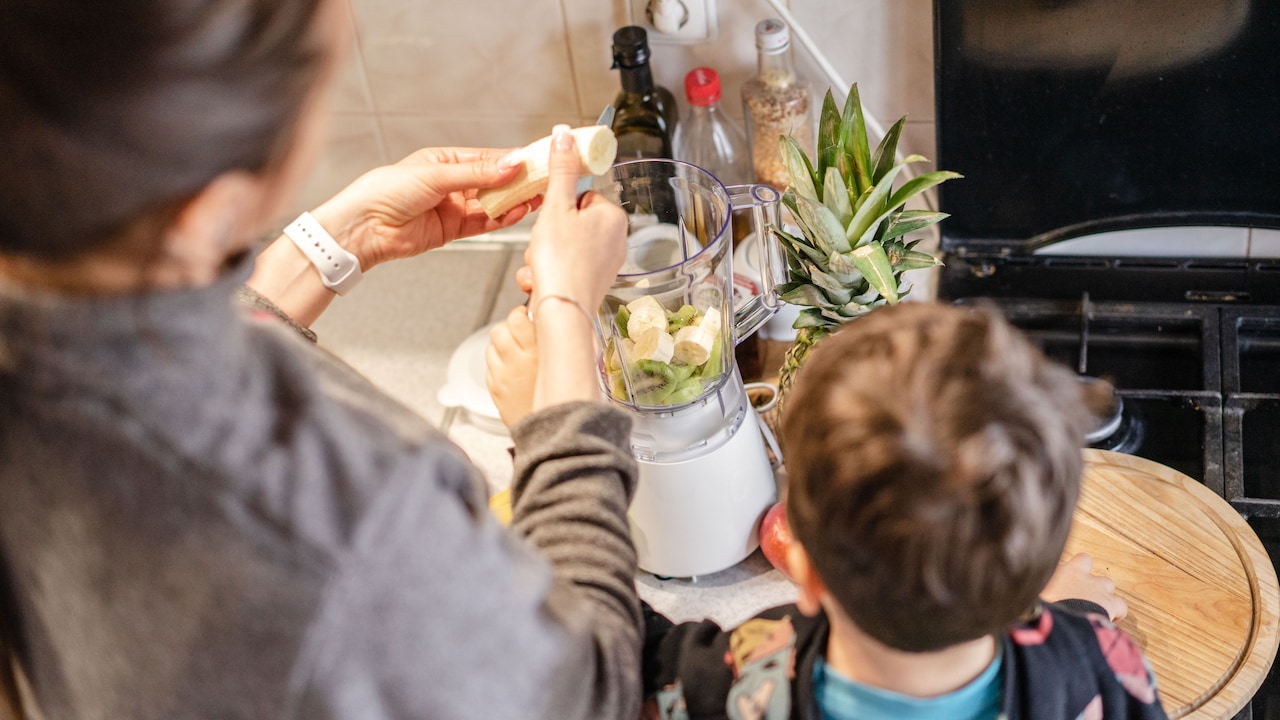
Few kitchen disappointments arrive as quickly as a warm smoothie. Everything may look right at first. Frozen mango waits in the freezer, chilled curd sits ready, and a handful of nuts promises extra richness. Then the blender gets to work. A minute later, the drink looks creamy but feels noticeably warmer than expected. Blenders do more than chop and mix. Their fast-moving blades transfer energy into food. Some of that energy becomes heat. Add a hot kitchen, room-temperature ingredients or an unnecessarily long blending session, and a supposedly refreshing drink can lose its chill surprisingly fast.
10 Reasons Smoothies Turn Warm In A Blender And How To Keep Them Cooler
Photo Credit: Pexels
Fortunately, there is no need to treat warm smoothies as an unavoidable part of breakfast. A few changes in preparation and blending technique can make a remarkable difference. The following ten reasons explain where that unwanted warmth comes from and how to keep smoothies pleasantly cool without sacrificing their texture or flavour.
Why Smoothies Lose Their Chill While Blending
1. Blending For Too Long Creates Extra Heat
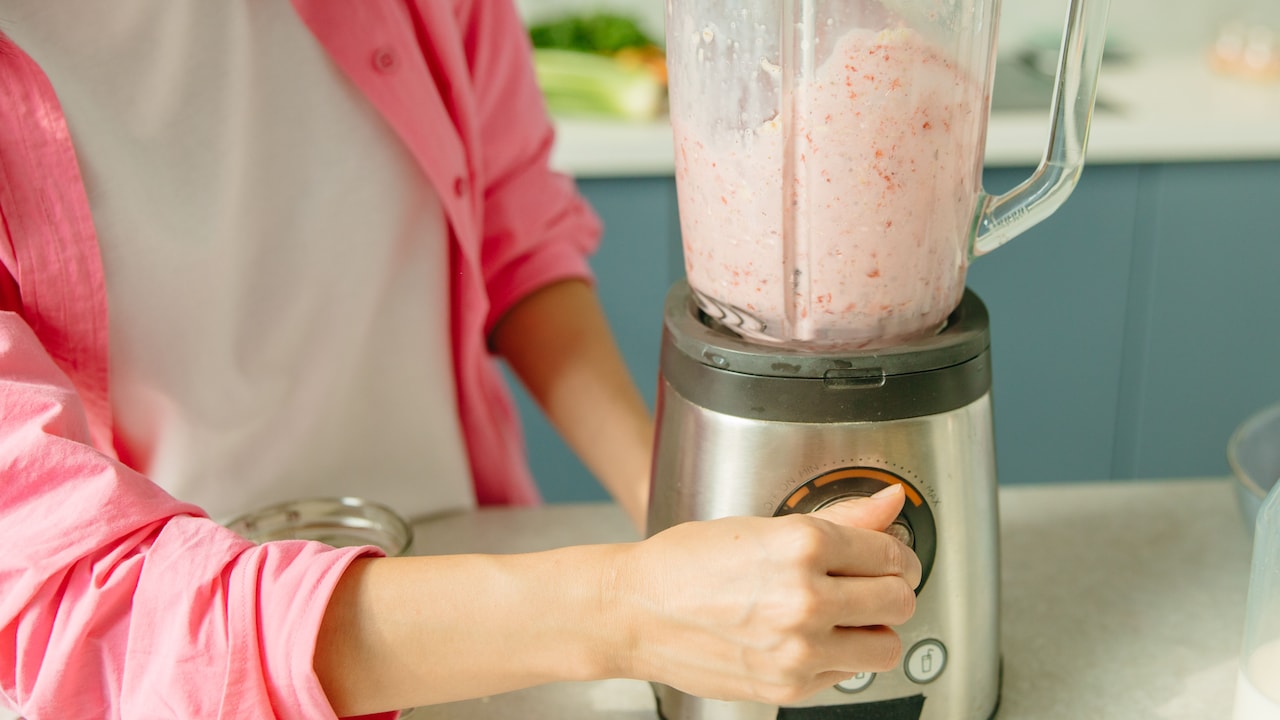
A powerful blender can make a smoothie silky in seconds, yet it is tempting to leave the machine running until every tiny speck disappears. That extra blending time comes at a cost. Rapidly spinning blades create friction as they move through fruit, liquid, seeds and ice. Friction generates heat, and the longer the blender runs, the more noticeable the temperature rise becomes.
This matters especially with high-speed models. A machine designed to crush nuts and grind tough ingredients can warm a smoothie faster than expected. What starts as an icy banana drink can gradually creep towards room temperature while the blender continues roaring.
The simplest solution is to stop blending once the texture looks smooth enough. Most everyday smoothies need far less time than people assume. Try short bursts rather than one long run. Pause, check the consistency and blend again only when necessary.
Smooth does not have to mean laboratory-perfect. A few tiny strawberry seeds will not ruin breakfast. Overworking the mixture, on the other hand, may turn a refreshing drink into something better suited to a mug than a chilled glass.
2. Room-Temperature Ingredients Warm The Mixture Quickly
A blender cannot magically make warm ingredients cold. If bananas, apples, protein powder, nut butter and milk all begin at room temperature, the finished smoothie will naturally struggle to feel refreshing.
This becomes particularly noticeable during warmer months, when fruit left on the kitchen counter can become surprisingly warm. Even ingredients that do not feel hot to the touch may sit several degrees above refrigerator temperature. Once they meet a few ice cubes in the blender, the ice has to cool the entire mixture. It often melts before finishing the job.
Chilling ingredients beforehand makes a bigger difference than simply throwing in more ice. Keep milk, curd, coconut water and cut fruit in the refrigerator until blending time. Fruits such as grapes, pineapple chunks, mango and banana can also go into the freezer.
There is another advantage. Starting cold means the blender has more room to generate a little heat without ruining the final temperature. Think of chilled ingredients as a head start. The colder the smoothie begins, the longer it can remain refreshing after blending.
Also Read: 5 Best Portable Blenders: Top Picks For Travel And Office
3. A Hot Blender Jar Transfers Heat To The Smoothie
The blender jar itself often escapes suspicion. Yet a warm jar can quietly undo careful preparation before the blades even start.
Suppose the blender has just helped prepare a warm sauce, grind roasted ingredients or process something after a hot-water rinse. The jar may still hold plenty of heat. Pouring chilled milk and frozen fruit into it immediately transfers some of that warmth straight into the smoothie.
Kitchen temperatures can create the same problem. A blender jar sitting near a sunny window, cooker or warm appliance may become hotter than expected. Metal components can hold warmth particularly well.
Before making a cold smoothie, touch the jar. If it feels warm, cool it first. A rinse with cold water usually helps. For an even colder start, fill the jar with chilled water for a few minutes, then empty and dry it before adding ingredients.
There is no need to freeze the entire blender jar. Sudden temperature changes may not suit every material. Simply starting with a cool container removes one unnecessary source of heat and helps frozen ingredients do their job properly.
4. Not Using Enough Frozen Fruit Reduces Cooling Power
Frozen fruit does more than make smoothies thick. It acts as an edible cooling system.
When a recipe relies mainly on fresh fruit, the blender receives very little naturally frozen material. A couple of ice cubes may help, but they often melt quickly as the blades work. The result can become thinner and warmer at the same time.
Frozen bananas work particularly well because they add creaminess without watering down the drink. Mango, chikoo, berries, pineapple and grapes also freeze beautifully when cut into blender-friendly portions. Preparing small freezer boxes or bags in advance can turn rushed mornings into much easier ones.
Aim for a sensible balance rather than freezing every ingredient solid. Too many hard frozen pieces can make blending difficult, particularly in lower-powered machines. Combining frozen fruit with chilled liquid usually gives a good texture.
There is also a flavour bonus. More frozen fruit means less dependence on plain ice, which can dilute sweetness and aroma. A mango smoothie should taste boldly of mango, not like mango flavoured water after five minutes on the breakfast table.
10 Reasons Smoothies Turn Warm In A Blender And How To Keep Them Cooler
Photo Credit: Pexels
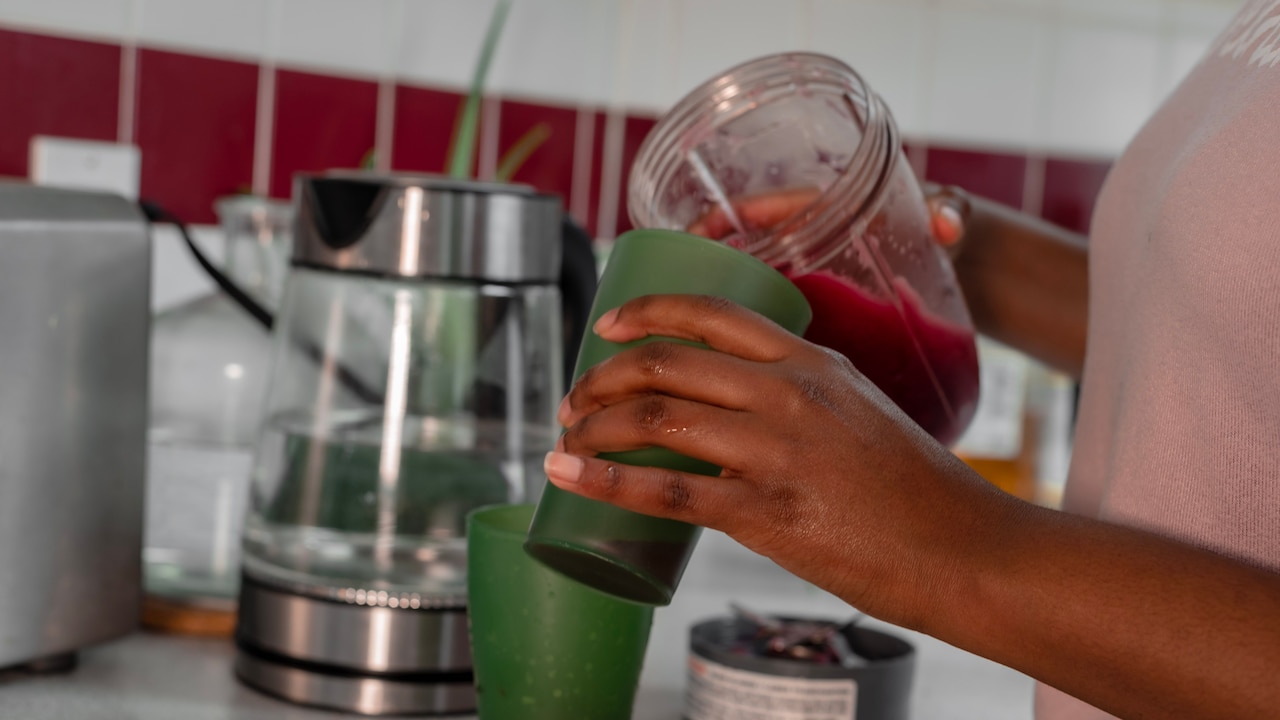
5. Adding Too Much Liquid Makes The Smoothie Warm Faster
Generous splashes of milk or water may help stubborn ingredients move around the blender, but excess liquid can work against a cold, thick smoothie.
If that liquid comes straight from a room-temperature bottle or water filter, it raises the temperature immediately. More liquid also means frozen fruit and ice must cool a larger volume. By the time everything reaches an even temperature, much of the frozen material may already have melted.
Start with less liquid than the recipe seems to demand. Add just enough to help the blades catch the ingredients. More can always go in later. Removing liquid after blending, sadly, requires skills that belong in a magic show.
For cold smoothies, use refrigerated milk, chilled coconut water or cold water. Thick curd can also provide body without flooding the jar. When a blender struggles, adding liquid one tablespoon at a time gives better control.
This small habit improves more than temperature. It keeps smoothies rich and spoonable rather than watery. That matters when making breakfast bowls, thick banana shakes or fruit blends that need to stay satisfying until lunchtime.
6. Warm Nut Butters And Powders Can Raise The Temperature
A spoonful of peanut butter, almond butter or seed paste may look harmless, but dense ingredients can influence both blending time and temperature.
Nut butters often sit in a cupboard at room temperature. Some households also warm the jar slightly to make the contents easier to scoop. Add that warm, thick paste to a cold smoothie and the blender must work harder to distribute it evenly. More effort usually means more blending time, which means more heat.
Dry ingredients can create a similar issue. Protein powder, cocoa, oats and ground seeds absorb moisture and thicken the mixture. When the smoothie becomes too dense around the blades, people often compensate by running the blender longer.
A better approach is to use modest amounts and help these ingredients mix efficiently. Add powders near the liquid rather than leaving them on top of frozen fruit. Refrigerating nut butter is also useful when its texture allows it.
For oats or chia seeds, soaking them briefly in chilled liquid can reduce blending time. The goal is simple: let the ingredients cooperate with the blender instead of turning breakfast into a small mechanical endurance test.
7. Poor Ingredient Order Makes The Blender Work Harder
There is a surprisingly useful logic to loading a blender. Throwing everything into the jar randomly can create air pockets, jam the blades and extend blending time. Those extra seconds generate extra warmth.
For many countertop blenders, liquid should enter first. It gives the blades something easy to move through and helps create the swirling motion that pulls other ingredients downward. Soft ingredients such as curd, ripe banana or fresh fruit can follow. Harder frozen fruit and ice usually work better nearer the top.
The exact sequence can vary with blender design, so the manufacturer's guidance deserves attention. However, the general principle remains useful: make it easy for ingredients to circulate.
When frozen chunks become wedged around the blades, avoid letting the motor run endlessly. Stop the blender, stir or reposition the ingredients safely, then continue.
Efficient blending keeps both the machine and smoothie happier. It also saves time during a busy morning, when nobody wants to spend several noisy minutes persuading one frozen mango cube to surrender.
8. A Hot Kitchen Speeds Up Warming
Sometimes the blender is only part of the story. The room itself may be working against the smoothie.
On a humid afternoon or a warm summer morning, everything on the counter absorbs heat quickly. Fruit softens, glasses warm up and ice begins melting almost as soon as it leaves the freezer. A freshly blended drink can lose its chill while someone searches for a straw.
Preparation speed matters in such conditions. Keep frozen ingredients inside the freezer until the blender is ready. Take chilled milk or curd from the refrigerator at the last moment rather than leaving it on the counter while chopping fruit.
Serving glasses can also receive a little attention. Chilling them in the refrigerator before breakfast helps the smoothie stay cool after pouring. A few minutes in the freezer can work too, provided the glassware can safely handle the temperature.
Once blended, serve the drink promptly. Smoothies are not famous for patience. Their texture, colour and temperature often begin changing quickly, particularly when they contain ice. When the kitchen feels like mid-May at lunchtime, speed becomes one of the easiest cooling tricks available.
9. Too Little Ice Gives The Blender Nothing To Fight The Heat
Ice seems like the obvious answer to a warm smoothie, yet the amount matters. One lonely cube floating among several cups of ingredients cannot absorb much heat.
Adding enough ice can lower the drink's temperature and create a refreshing texture. However, restraint still matters. Too much ice dilutes flavour as it melts and can make a smoothie watery. It may also force a weaker blender to work harder.
The better approach is to treat ice as support rather than the main cooling ingredient. Frozen fruit should handle much of the chilling, while ice provides an extra boost. This works particularly well for watermelon, cucumber, muskmelon and citrus-based smoothies where a lighter texture feels natural.
Flavoured ice cubes offer another clever option. Freeze coconut water, milk, coffee or fruit juice in an ice tray and use those cubes in suitable recipes. As they melt, they add flavour instead of weakening it.
That small trick can transform leftovers too. Half a glass of coconut water no longer needs to disappear into the back of the refrigerator. Freeze it, and tomorrow's smoothie gets a colder start.
10. Serving Slowly Allows The Smoothie To Lose Its Chill
Even a perfectly cold smoothie will not stay that way forever. Once it leaves the blender, the surrounding air begins warming it immediately.
This effect becomes obvious when breakfast gets interrupted. A phone rings, the doorbell goes, someone remembers the tiffin box, and the smoothie waits patiently on the counter. Ten minutes later, the icy texture has softened and the drink feels far less refreshing.
Pour the smoothie as soon as blending finishes. A chilled glass or insulated tumbler helps slow heat transfer. If the drink needs to travel to work, college or the gym, an insulated bottle usually performs better than an ordinary plastic container.
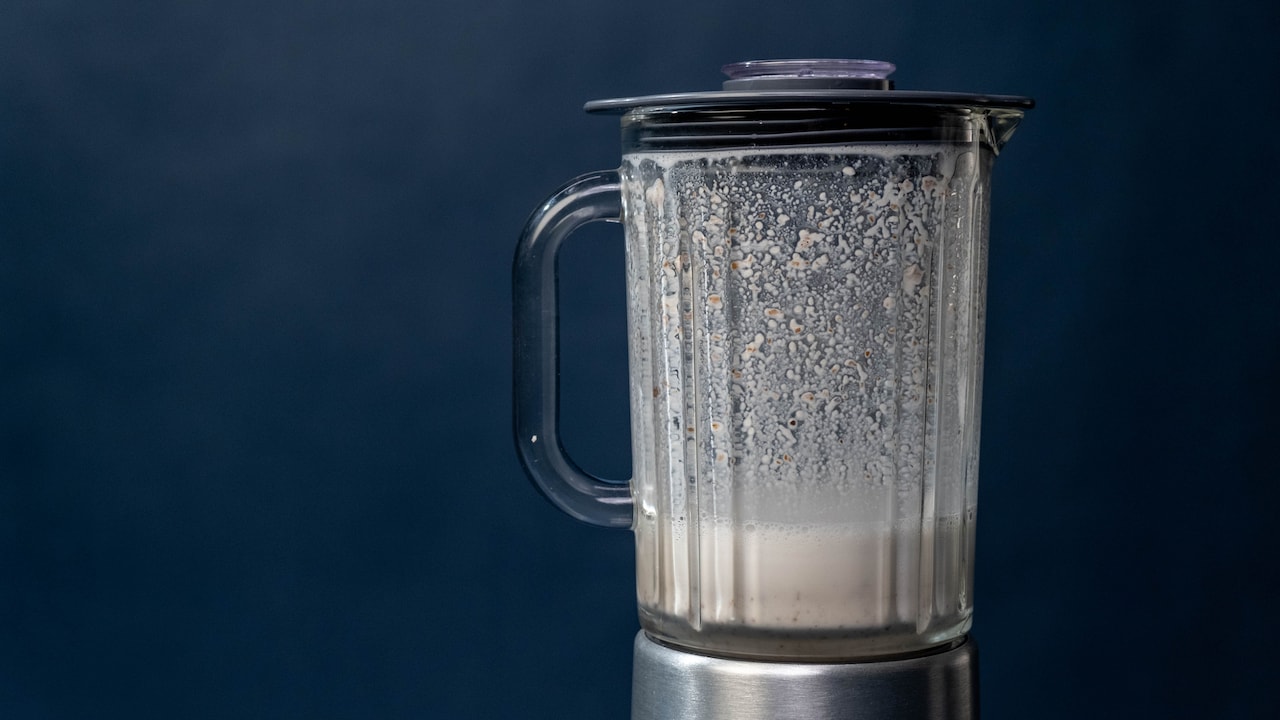
Avoid leaving the smoothie in the blender jar while preparing the rest of breakfast. The jar may retain heat from the motor assembly, particularly after a longer blending session.
For larger batches, refrigerate the portion that will not be served immediately. Give it a quick stir or shake before drinking. Smoothies taste their best when fresh, but smart storage can preserve that cool, creamy character for longer.
10 Reasons Smoothies Turn Warm In A Blender And How To Keep Them Cooler; Photo Credit: Pexels
Products Related To This Article
1. Kuvings New Launch Nutri Blender PRO 2.0 Ferrari Red
2. Ninja Blast Portable Cordless Blender (BC151INNV)
3. NutriPro Juicer Mixer Grinder - Smoothie Maker - 500 Watts
4. Orpat HHB-100E WOB 250-Watt Hand Blender (White)
5. Atomberg Zenova Flex Blender Mixer Grinder For Kitchen
6. InstaCuppa Portable Blender Bottle, Long Lasting 6000 mAh Battery
7. CURAA BlendLab by Chef Sanjyot Keer | Blender Mixer Grinder for Kitchen with Stainless Steel Jar
A warm smoothie rarely comes down to one dramatic mistake. More often, several small factors work together. Room-temperature fruit adds a little warmth. A hot jar adds more. Long blending creates friction, while a warm kitchen finishes the job.
The good news is that keeping smoothies cold does not require complicated equipment or endless ice. Chill the ingredients, use enough frozen fruit, keep blending time short and pay attention to the order in which ingredients enter the jar. Even cooling the serving glass can help.
These habits also improve texture and flavour. Frozen fruit creates body, careful liquid control prevents watery results, and shorter blending protects the fresh taste of the ingredients. A smoothie should feel like a refreshing start to the day, not fruit soup with a straw. With a little preparation and a lighter touch on the blender switch, that frosty first sip becomes much easier to achieve.
(Disclaimer: This article may include references to or features of products and services made available through affiliate marketing campaigns. NDTV Convergence Limited (“NDTV”) strives to maintain editorial independence while participating in such campaigns. NDTV does not assume responsibility for the performance or claims of any featured products or services.)