Why Is Your AC Not Cooling Even After Servicing? A Heatwave Reality Check For Delhi-NCR Homes
AC not cooling even after servicing? Discover real reasons behind poor cooling during Delhi heatwaves and simple fixes before buying a new AC.

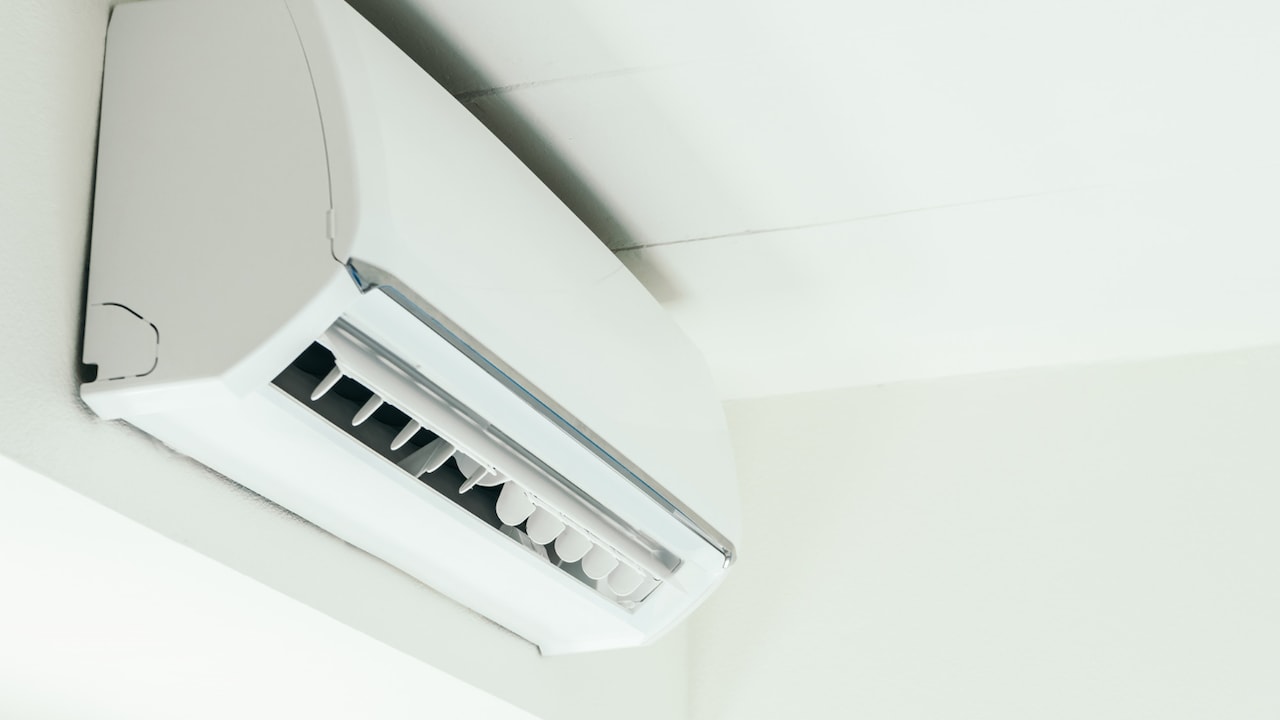
An AC that isn't cooling after servicing is often poorly cleaned, not necessarily faulty.
With the India Meteorological Department (IMD) issuing a yellow alert for heatwave conditions across Delhi-NCR, the coming days are expected to push temperatures up to a blistering 45°C. In anticipation, most households have already done what feels like the annual summer drill, air conditioners serviced, coolers cleaned and filled, and refrigerators stocked with everything from chilled water to cut fruit.

Before replacing your AC, diagnosing the real issue can save both money and effort.
Photo Credit: Pexels
And yet, in the middle of this preparation, there's a very real frustration setting in for many: the AC is running, but the room simply isn't cooling the way it should.
Also Read: Summer is Here: Top 10 Air Conditioners You Can Grab Under ₹50,000
It's the kind of problem that feels both urgent and puzzling. You've spent money on servicing, ensured everything is in place, and still, the relief you were counting on feels underwhelming. So, what really went wrong? Is it poor servicing, low gas, or something else entirely?
The answer, as it turns out, is rarely a single issue. Cooling inefficiency is often a mix of overlooked details, environmental stress, and technical limitations, especially during extreme heatwaves.
When “Serviced” Doesn't Mean Fully Prepared
Let's start with the most obvious assumption: the servicing itself.
Not all AC servicing is as thorough as we'd like to believe. In many cases, especially during peak summer demand, technicians focus on quick turnaround jobs. The filters are rinsed, the outer surface is wiped, and the unit is deemed good to go.
However, effective cooling depends on much deeper components. If these were not properly handled, your AC could still struggle despite the service.
A proper servicing should ideally cover:
- Deep cleaning of evaporator and condenser coils
- Inspection of the outdoor unit for dust buildup
- Checking refrigerant pressure
- Clearing drainage lines and ensuring airflow
If even one of these steps is skipped, your AC might run, but not perform.
Is It Really the AC Gas?
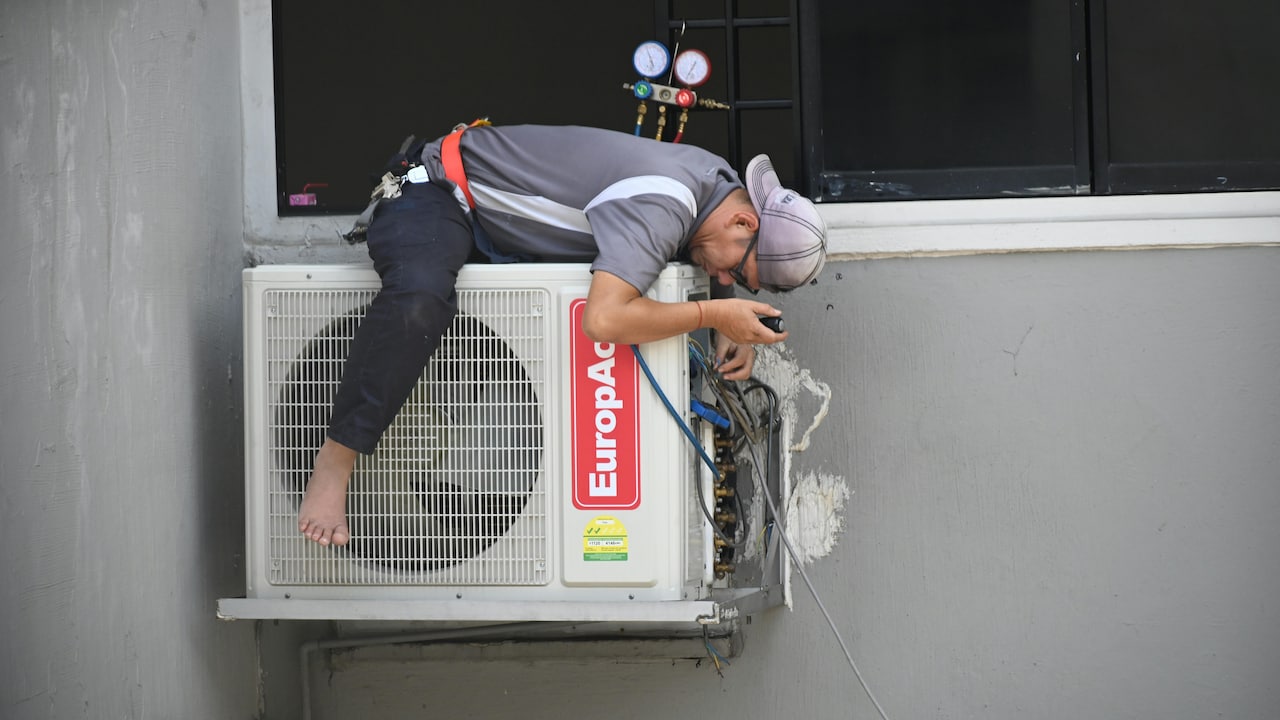
Low cooling doesn't always mean low gas, it often signals a leak or airflow issue.
Photo Credit: Pexels
One of the most common reactions to poor cooling is: “Gas khatam ho gaya hoga.” But here's the reality, refrigerant doesn't get "used up" like petrol. It operates in a closed system.
If your AC is low on gas, it usually means there's a leak or a faulty connection somewhere.
Common signs of low refrigerant include:
- Air feels normal, not cold enough
- Ice formation on the indoor unit
- AC running continuously without effective cooling
What often happens is that gas is refilled without diagnosing the leak, leading to a short-lived fix. Within weeks, the same issue returns.
Delhi Dust
Even after a fresh service, Delhi-NCR's dust can undo the benefits quickly. Within days, filters begin collecting fine particles that restrict airflow.
And when airflow is compromised, cooling drops.
This is one of the most underrated yet impactful reasons your AC might feel inefficient. The unit may be working perfectly internally, but if air isn't circulating properly, the cooling effect gets lost.
To stay ahead during peak summer:
- Clean filters every 2 to 3 weeks
- Check vents for obstruction
- Ensure nothing is blocking airflow around the indoor unit
Recommended AC Cleaning Kit: Split AC Cleaning Kit 48 Inch
When the Heat Is Simply Too Much
Here's something many homeowners don't factor in, your AC has a performance limit.
Most residential air conditioners are designed to operate efficiently up to around 35 to 40°C outdoor temperature. When the mercury climbs towards 45°C, as predicted this week, even a perfectly functioning AC struggles.
This isn't a fault, it's physics.
At such high temperatures:
- Heat exchange becomes less efficient
- Cooling cycles take longer
- Rooms may not reach very low temperatures
What helps in this situation:
- Set realistic temperatures (24 to 26°C works best)
- Keep doors and windows closed
- Use curtains to reduce heat entry
Is Your AC Even the Right Size?
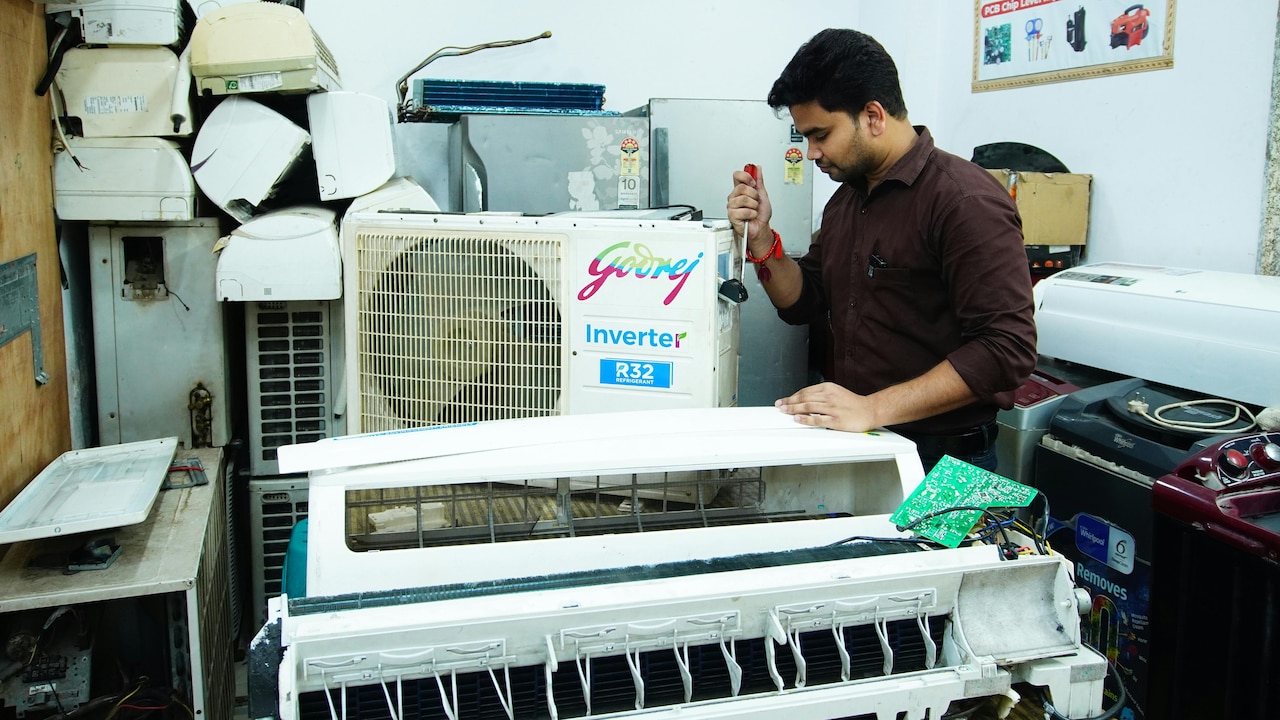
Extreme heatwaves can push even well-functioning ACs beyond their ideal capacity.
Photo Credit: Pexels
This is where many urban homes quietly go wrong.
An AC that is too small for the room will keep running without ever cooling effectively. This becomes more noticeable during extreme heat conditions when the cooling demand spikes.
For context:
- Smaller rooms (\~100–120 sq ft): 1-ton AC
- Medium rooms (\~150 sq ft): 1.5-ton AC
- Larger rooms or high ceilings: 2-ton AC
If your room gets direct sunlight or has large windows, the cooling load increases further.
Servicing won't fix a mismatch in capacity, it only ensures the machine works as intended.
The Room Itself Might Be Working Against You
Cooling doesn't depend on the AC alone, it's also about how well your room retains that cooling.
Small but significant factors include:
- Sunlight hitting windows during the day
- Gaps around doors and windows
- Thin curtains or no blinds
- Heat from appliances like TVs or laptops
These elements continuously add heat back into the room, forcing your AC to work harder.
A few simple tweaks can improve cooling noticeably:
- Install blackout curtains
- Seal gaps with door stoppers
- Limit appliance usage during peak heat hours
Recommended Black Out Curtains: Cloth Fusion 100% Blackout Door Curtains 7 Feet Long Set of 2
Recommended Door Draft Stoppers: Raxon Innovation PVC Door Guard Gap Filler for Door Bottom
Don't Ignore the Outdoor Unit
It's easy to forget about the outdoor unit, but it plays a central role in cooling. It expels the heat your AC removes from indoors.
If it's not functioning efficiently, cooling indoors drops immediately.
Keep an eye on:
- Dust accumulation on coils
- Obstruction around the unit
- Poor ventilation or cramped placement
During Delhi summers, outdoor units often collect grime due to pollution. If this hasn't been cleaned thoroughly, the entire system suffers.
Age, Wear And Tear, And the Strain of Summer
If your AC has been around for several years, extreme summers can expose its limitations.
Over time:
- Compressors lose efficiency
- Internal components wear out
- Cooling capacity declines gradually
This isn't always immediately noticeable, but during a heatwave, the difference becomes clear.
If your AC is older and struggling despite all fixes, it may be nearing the point where repairs become less effective.
So, Should You Panic Buy a New AC?
In most cases, no.
Cooling issues after servicing are rarely due to a single failure. More often, it's a mix of:
- Incomplete servicing
- Environmental factors
- Usage patterns
- Minor technical issues
Only consider replacement if:
- Your AC is over 8 to 10 years old
- Repair costs are disproportionately high
- Cooling remains poor after multiple checks
With Delhi-NCR bracing for intense heatwave days, your AC is not just a comfort, it's essential. But when it doesn't perform as expected, the instinct to panic is natural. The smarter approach is to diagnose before you decide.
Sometimes it's something as small as a clogged filter. At other times, it's the unforgiving heat or a room that simply isn't insulated well enough. And in a few cases, yes, it could be a deeper technical issue.
But more often than not, your AC isn't failing you, it's just reacting to conditions beyond what a quick servicing can fix.
Understanding that difference might just save you from an unnecessary splurge, and help you stay cool when it matters most.
More AC Accessories That Can Help You Sail The Summers Smoothly
1. Prana Air Electrostatic AC Filter Sheet
2. House of Quirk Adjustable AC Air Deflector
3. V-Guard VG 400 for 1.5 Ton A.C
4. AC Jali – 18×18 Inch Outdoor Unit Grill
5. LifeKrafts AC Curtain Magnetic
Frequently Asked Questions (FAQs)
1. Why is my AC not cooling even after servicing?
This usually happens due to incomplete servicing, clogged filters, refrigerant leakage, or extreme outdoor temperatures affecting performance.
2. Does AC gas get over after servicing?
No, refrigerant does not get consumed. Low levels usually indicate a leak, not normal usage.
3. Can extreme heat reduce AC cooling efficiency?
Yes, when temperatures rise above 40 to 45°C, most ACs struggle to maintain optimal cooling due to higher heat load.
4. How often should AC filters be cleaned in summer?
In dusty conditions like Delhi-NCR, filters should ideally be cleaned every 2 to 3 weeks during peak usage.
5. When should you consider replacing your AC?
If your AC is over 8 to 10 years old, frequently breaks down, or fails to cool despite repairs, replacement may be more cost-effective.
(Disclaimer: This article may include references to or features of products and services made available through affiliate marketing campaigns. NDTV Convergence Limited (“NDTV”) strives to maintain editorial independence while participating in such campaigns. NDTV does not assume responsibility for the performance or claims of any featured products or services.)