Why Robot Vacuum Cleaners Keep Getting Stuck And the Easy Fixes Most Owners Miss
Your robot vacuum isn't broken, it's confused. From tangled wires to tricky furniture, discover the everyday reasons it keeps getting stuck and the simple fixes that make cleaning effortless again. Here is all you needed to know about why robot vacuum cleaners keep getting stuck.
Why Do Robot Vacuum Cleaners Keep Getting Stuck? Fixes You Wish You Knew Earlier.
Robot vacuum cleaners arrived with big promises. Clean floors while the tea boils. Dust-free rooms without bending down. A tiny assistant gliding through the house like a well-trained pet. Reality, however, often looks different. The robot vacuum cleaner freezes under the bed. It chews on curtain tassels. It announces defeat near the doormat. The good news lies in simple fixes. Many issues stem from setup habits, home layout, or small maintenance gaps. Once understood, these problems become easy to solve.
This article explores the most common reasons robot vacuum cleaners get stuck and shares practical fixes that save time, money, and frustration. Expect relatable moments, practical advice, and a few “why didn't this come earlier” tips.
Why Your Robot Vacuum Keeps Getting Stuck? Fixes You Must Know; Photo Credit: Pexels
So What Exactly Is Tripping Up Your Robot Vacuum At Home?
1. Low Furniture: The Silent Trap
Sofas, beds, and TV units often sit just low enough to confuse robot vacuums. The machine enters confidently, only to wedge itself halfway and panic. Sensors struggle with narrow clearances, especially when the gap measures slightly more than the robot's height.
Many homes favour low-profile furniture for a clean look. Unfortunately, robots read these spaces as safe zones. Once inside, wheel traction drops, or sensors lose orientation.
A simple fix works wonders. Raise furniture slightly using inexpensive risers. Even an extra centimetre helps. Another option involves blocking access with decorative strips or under-bed storage boxes. These look intentional and keep robots out.
Checking the robot's height against furniture clearance before purchase saves future drama. For existing models, mapping no-go zones through the app prevents repeat rescues. This one change often cuts stuck incidents by half within days.
2. Cables, Chargers, and Sneaky Wires
Loose charging cables remain the number one enemy. Phone chargers near sofas, extension cords behind TV units, and laptop wires under tables act like fishing nets. Robot brushes grab them eagerly and refuse to let go.
Homes filled with gadgets naturally accumulate wires. Even neatly coiled cables sometimes loosen and fall. Robots lack judgment. They treat wires like dust.
Cable organisers cost less than ₹500 and solve the issue permanently. Adhesive clips, cable boxes, or braided sleeves keep wires elevated. Another trick involves running robots during hours when chargers stay unplugged.
Some advanced models detect cables, but none succeed every time. Prevention works better than technology here. A five-minute cable tidy before the cleaning cycle saves repeated interruptions and brush replacements.
Also Read: Top 5 Robot Vacuum Cleaners Under ₹30,000 With Mopping Feature For Dust-Free Homes
3. Rugs That Fight Back
Rugs add warmth, colour, and comfort. Robots see them as unpredictable terrain. Thick shag rugs trap wheels. Tassels tangle brushes. Folded edges look like walls.
Homes with mixed flooring face this issue often. The robot climbs confidently, then loses grip or misjudges height. Some models stop entirely, assuming danger.
Anti-slip rug pads help rugs lie flat and stable. Folding tassels under or trimming them neatly removes a major hazard. For especially thick rugs, setting virtual boundaries keeps robots away during daily runs.
Choosing rugs with low pile and stitched edges makes robot ownership smoother. Style does not need sacrifice. Many modern designs balance beauty and robot-friendliness without compromise.
4. Door Thresholds and Uneven Floors
Small steps between rooms confuse navigation systems. Tile-to-wood transitions, raised bathroom thresholds, or uneven marble slabs stop robots mid-journey. Wheels spin. Sensors hesitate.
Many homes feature such transitions due to design choices or renovations. Robots expect gradual slopes, not abrupt rises.
Threshold ramps provide a simple fix. These rubber or plastic strips smooth height differences. Prices start around ₹700, and installation takes minutes.
Another option involves assigning room-specific cleaning schedules. Let the robot handle rooms with similar flooring together. This reduces stress on motors and improves coverage. A little planning turns architectural quirks into manageable zones.

Why Your Robot Vacuum Keeps Getting Stuck? Fixes You Must Know; Photo Credit: Pexels
5. Dirty Sensors and Wheels
Dust collects everywhere, including places rarely checked. Sensors coated with grime misread their surroundings. Wheels clogged with hair lose grip.
Robots depend on clean sensors to navigate. Even a thin dust layer affects accuracy. Homes with pets or high foot traffic accelerate this problem.
Weekly maintenance keeps things smooth. A soft cloth cleans sensors. Scissors remove hair from wheels. Most manufacturers recommend this routine, yet many skip it until problems appear.
Think of the robot as a small vehicle. Regular servicing ensures reliability. Ten minutes of care each week prevents repeated stuck alerts and extends lifespan significantly.
6. Overloaded Dustbins
A full dustbin reduces suction and airflow. Robots compensate by slowing down or stopping unexpectedly. Some models even refuse to move once the bin reaches capacity.
Busy households generate dust quickly. If daily runs occur, bins fill faster than expected. Ignoring alerts leads to erratic behaviour.
Emptying the bin after each run ensures consistent performance. Washing filters monthly also helps. Replacement filters cost far less than motor repairs.
Smart habits matter. Treat bin emptying like rinsing a teacup after use. Small routines maintain efficiency and reduce stress for both robot and owner.
7. Poor Lighting and Dark Floors
Sensors rely on light reflection. Very dark floors absorb light, confusing cliff sensors. Low lighting during night runs worsens the issue.
Homes with black tiles or dark wooden floors often face random stops. The robot fears falling and freezes.
Running cleaning cycles during daylight helps. Turning on lights in darker rooms also improves navigation. Some models offer sensor sensitivity adjustments through the app.
Placing light-coloured rugs in key areas tricks sensors into confidence. This subtle hack improves movement without altering the décor significantly.
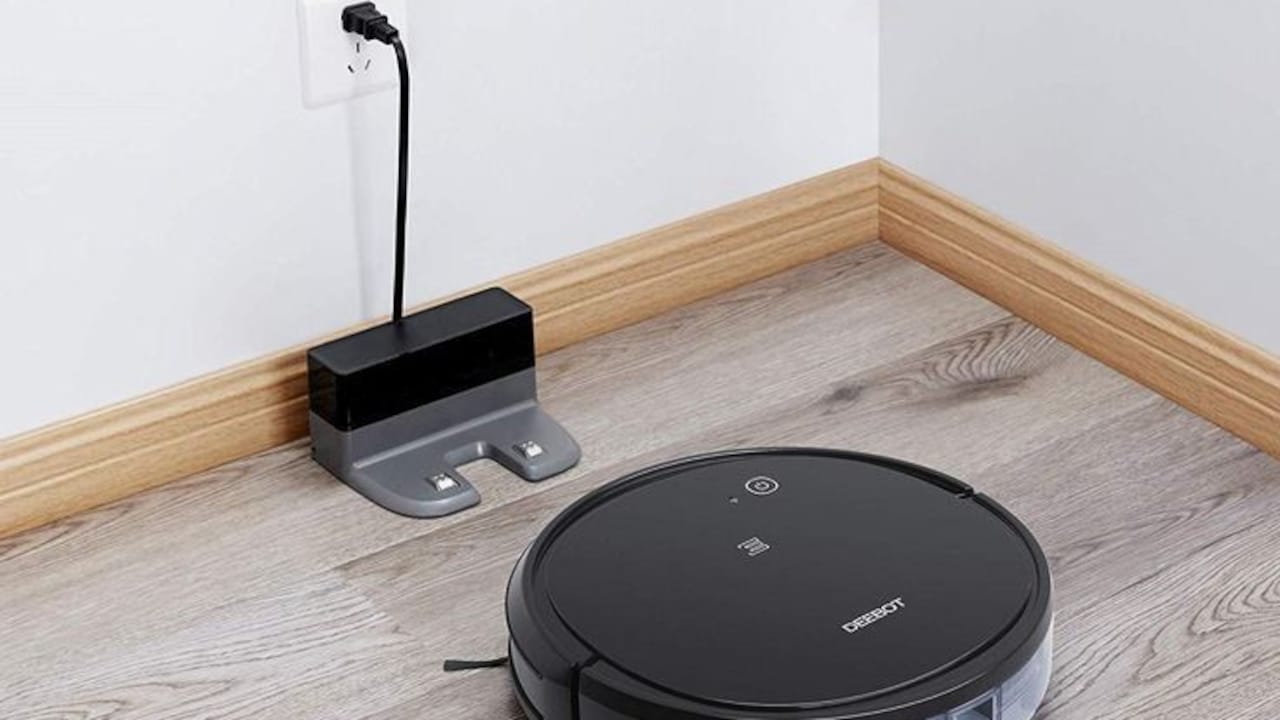
Why Your Robot Vacuum Keeps Getting Stuck? Fixes You Must Know; Photo Credit: Pexels
8. Pet Toys and Household Clutter
Small objects scatter easily. Pet toys, slippers, socks, and kids' blocks create unpredictable obstacles. Robots push some items along until the wheels jam.
Daily life involves movement. Floors rarely stay clear. Expecting robots to adapt fully remains unrealistic.
A quick pre-clean walk-through makes a difference. Five minutes of picking up loose items saves repeated rescues. Storage baskets near sofas and beds encourage clutter control naturally.
Over time, habits adjust. Floors stay clearer, robots roam freely, and mornings feel calmer without constant beeping interruptions.
9. Incorrect Map Settings
Modern robots rely heavily on mapping. Incorrect room divisions, outdated maps, or misplaced charging docks confuse navigation.
Moving furniture without updating maps often leads to collisions and stuck situations. The robot follows old memories and meets a new reality.
Remapping once a month or after major layout changes improves accuracy. Ensure the charging dock stays against a clear wall with space on both sides.
Spending time fine-tuning app settings pays off. Virtual walls, no-go zones, and room priorities give control without physical barriers. Technology works best when guided thoughtfully.
10. Expecting Too Much Autonomy
Robot vacuums handle maintenance cleaning, not deep cleaning chaos. Expecting perfection leads to disappointment. Homes evolve daily. Robots need support.
Understanding limitations brings peace. These machines reduce effort but do not replace basic tidying. Treat them as helpers, not magicians.
Scheduling runs when floors stay quiet improves results. Adjust expectations based on lifestyle. Busy mornings may not suit cleaning cycles. Afternoons often work better.
Once routines align, robots perform beautifully. Floors stay consistently clean, stress reduces, and that initial promise finally feels real.
Products Related To This Article
1. AGARO Alpha Robot Vacuum Cleaner
2. ILIFE A30 Pro Robotic Vacuum Cleaner with Self-Empty Station
3. Eureka Forbes SmartClean Home Mapping Turbo
4. ECOVACS DEEBOT N30 White 2 in 1 Robot Vacuum Cleaner
5. DREAME F10 Black 2 in 1 Robot Vacuum Cleaner & Mop
Robot vacuums rarely misbehave without reason. Most stuck situations trace back to home layouts, overlooked maintenance, or small habits that sneak in unnoticed. The good news lies in control. Simple fixes, thoughtful setup, and realistic expectations transform the experience completely.
These machines thrive in prepared environments. A few tweaks unlock their potential and restore harmony between technology and daily life. Floors stay cleaner. Time frees up. The robot stops shouting for help from under the bed.
(Disclaimer: This article may include references to or features of products and services made available through affiliate marketing campaigns. NDTV Convergence Limited (“NDTV”) strives to maintain editorial independence while participating in such campaigns. NDTV does not assume responsibility for the performance or claims of any featured products or services.)