Helmet Hygiene 101: Why It Smells and How to Fix It
Helmet smell comes from trapped sweat, bacteria, and moisture. Learn why it happens and how to fix it with simple cleaning, drying, and daily habits that keep your helmet fresh without expensive products.

Explore easy tips to maintain helmet hygiene and eliminate foul odour.
A helmet is meant to protect the head, not offend the nose. Yet almost every rider has faced it: the moment the visor lifts and a warm, funky smell rises up like a ghost with a grudge. Sometimes it hits during a traffic jam. Sometimes it hits at the office parking lot. And sometimes, cruelly, it hits right after a haircut.

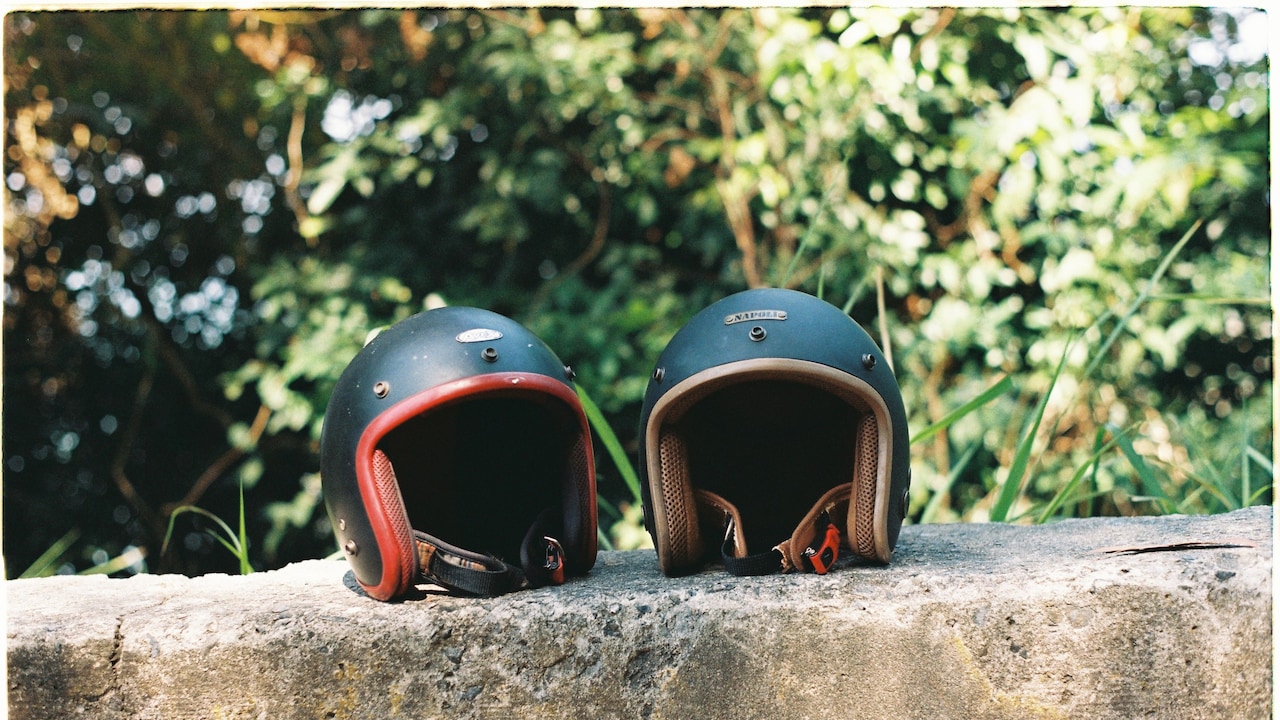
Why do helmets develop a foul odour and how to prevent it; Photo Credit: Pexels
Helmet odour is one of those problems people tolerate for far too long. It feels awkward to talk about, even though nearly everyone deals with it. Some blame the weather. Some blame their hair oil. Some blame the helmet brand. The truth is simpler and slightly gross: helmets become tiny, sealed rooms where sweat, skin, dust, and bacteria throw a daily party.
The best part is that it's fixable. Not with perfume, not with “air freshener hacks”, but with practical hygiene that fits real life: short rides, long rides, sudden rains, and the kind of heat that makes even the most patient person question their life choices.
Also Read: How To Choose A Helmet That Is Lightweight And Safe For Long Rides
The 10 Helmet Hygiene Fixes Every Rider Should Know
1. The Real Reason Helmets Smell
Helmet smell begins with sweat, but sweat alone is not the villain. Fresh sweat barely smells. The odour arrives when sweat sits inside the padding and meets bacteria. The inside of a helmet is warm, slightly damp, and dark. That's basically a five-star hotel for microbes.
Now add daily commuting. Traffic crawls. The head heats up. A rider stops at signals, and airflow disappears. Sweat builds. The helmet padding absorbs it like a sponge. Later, the helmet gets tossed into a boot, under a desk, or on a shelf. The moisture stays trapped. Bacteria multiply. By the next ride, the smell returns stronger, like it's been practising.
Humidity makes it worse. So does dust. So does hair product. So does wearing the same helmet every single day without letting it breathe. It's not a character flaw. It's just what happens when a sealed foam-and-fabric space becomes a regular storage unit for sweat.
The solution starts with one mindset shift: the helmet interior is clothing, not plastic. And clothing needs washing.
2. Sweat, Hair Oil, And Pollution Form A Perfect Storm
There's a special kind of odour that appears after a long day: part sweat, part street dust, part “what even is this”. That smell comes from a mix of body oils, hair oil, and pollution sticking to the padding.
Many people use hair oil, hair serum, or styling products. Nothing wrong with that. The issue is that these products transfer easily to the helmet lining. Over time, the padding becomes coated. Then sweat mixes with it. Then dust from the road sticks to it. The result is a greasy layer that bacteria love.
Pollution adds its own flavour. Riding behind buses and autos means constant exposure to exhaust particles. Those particles settle into the helmet's fabric and foam. The smell becomes deeper and harder to remove, like old kitchen smoke clinging to curtains.
This is why a helmet can smell even when the rider feels “not that sweaty”. The odour is not only about sweat. It's about what sweat interacts with. The more layers of grime build up, the more stubborn the smell becomes.
Cleaning becomes easier when done early. Waiting for the smell to turn “legendary” makes the job ten times harder.
3. Why Sprays And Perfume Make It Worse
The quickest solution many people try is deodorant spray, perfume, or room freshener. It feels clever. It smells better for five minutes. Then it becomes a disaster.
Sprays don't remove bacteria. They just cover the smell with another smell. Soon, the helmet smells like sweat trapped under a cloud of cheap fragrance. That combination is oddly worse than the original odour, like a gym bag trying to pretend it's a bouquet.
Some sprays also contain alcohol or chemicals that can damage the helmet padding over time. Certain strong fragrances irritate skin and trigger sneezing, especially in the heat. That's not fun when riding.
Even “helmet freshener” products can be misleading. Unless they disinfect and dry the padding properly, they're mostly cosmetic. They might reduce odour temporarily, but the bacteria remain. And bacteria always win when they get warmth and moisture.
The goal should be to remove the source, not mask it. Think of it like washing a sweaty T-shirt. Spraying it with perfume doesn't make it clean. It just makes it confusing.
A clean helmet should smell like… nothing. That's the dream.
4. The Most Common Mistake: Never Letting It Dry
A helmet's worst enemy is not sweat. It's trapped sweat.
Many riders finish a commute and immediately store the helmet. Some place it inside a bag. Some lock it under the seat. Some keep it in a cupboard. All of these are basically moisture prisons.
When the helmet doesn't dry, the padding stays damp for hours. In humid weather, it stays damp even longer. That dampness is what allows bacteria and fungi to grow. Yes, fungus. If a helmet smells musty, like old clothes, that's often fungal growth in the lining.
The fix is surprisingly simple: drying habits. After a ride, the helmet needs airflow. Even ten minutes near a window can help. Leaving the visor slightly open helps too. So does removing any detachable padding and letting it sit out.
Sunlight can help, but harsh sun for long hours can damage materials and weaken adhesives. Gentle morning light is safer than roasting the helmet like a papad.
Drying is the boring step people skip. It's also the step that prevents the smell from returning immediately after cleaning.
5. How Often To Clean It (Without Turning It Into A Weekend Project)
Cleaning a helmet sounds like a chore, and nobody wants another chore. The trick is to treat it like routine maintenance, not a full festival cleaning every time.
A basic wipe-down of the interior should happen regularly, especially if riding daily. If the helmet has removable liners, washing them every few weeks makes a big difference. In peak summer or humid monsoon, more frequent cleaning helps.
The helmet doesn't need a dramatic spa day. It needs consistent small care. A gentle soap solution, a soft cloth, and proper drying solve most issues.
Many people avoid cleaning because they fear damaging the padding or ruining the fit. That fear is valid, but it often comes from overdoing it. Harsh detergents, rough scrubbing, and soaking the entire helmet in water can cause problems.
A practical rhythm works best: light cleaning often, deeper cleaning occasionally. The smell builds slowly, so it can be stopped early.
And yes, the first clean after months might be horrifying. That's normal. Consider it a fresh start, like deleting old WhatsApp forwards.

Always clean your helmet using a gentle soap solution, a soft cloth, dry properly before using; Photo Credit: Pexels
6. The Right Way To Wash Helmet Liners
Helmet liners can be delicate, but they're not made of magic. Most removable liners can be washed safely with mild soap or a gentle shampoo.
The key is to avoid hot water and harsh detergents. Hot water can damage foam and elastic. Strong detergents can irritate the skin later. Mild soap works because it removes oils without leaving a harsh residue.
If the liner is removable, washing becomes much easier. A soak in lukewarm water with mild soap, followed by gentle squeezing, usually does the job. Scrubbing aggressively can ruin the fabric texture and padding shape. The liner should be treated like sportswear, not a doormat.
For non-removable liners, the approach changes. A damp cloth with mild soap can clean the surface. A soft brush can help with stubborn areas, but only gently. The goal is to clean without soaking the foam underneath too much.
Drying matters as much as washing. Liners should dry completely before reassembly. Wearing a helmet with damp padding is like wearing damp socks. It's uncomfortable, and it invites odour to return immediately.
A clean liner feels noticeably fresher, and the helmet suddenly feels more premium.
7. Simple Habits That Keep It Fresh Daily
Daily habits can keep a helmet fresh longer than any deep clean. Small changes add up.
One of the best habits is using a thin, breathable head covering. A cotton skull cap or a clean bandana can absorb sweat before it reaches the padding. It also keeps hair oil from transferring directly into the helmet. The helmet stays cleaner, and the cap can be washed easily.
Another habit is wiping sweat off the face and hairline before wearing the helmet. That sounds obvious, but in real life, people rush out. A quick wipe can reduce moisture inside the helmet.
Avoid storing the helmet in enclosed spaces right after riding. Airflow matters. Even placing it near a fan for a few minutes helps.
Also, resist the temptation to share helmets casually. It happens more than people admit. Sharing transfers sweat, skin oils, and bacteria. It's not a friendship test. It's just hygiene.
Lastly, keep the visor and vents clean. A helmet that breathes better traps less moisture. Less moisture means less smell. It's a chain reaction, and it starts with simple daily choices.
8. Dealing With Monsoon Funk And Post-Rain Dampness
Rain turns helmet hygiene into hard mode.
A ride in the rain often means water sneaks in. Sometimes it's through the neck opening. Sometimes it's from wet hair. Sometimes it's from that one leak in the rain cover that promised “100% waterproof” like a politician promising “no traffic”.
When rainwater mixes with sweat and dust, the smell becomes sharp and sour. Worse, wet padding takes longer to dry. If the helmet is stored while damp, the odour becomes permanent.
After a rain ride, drying becomes urgent. Liners should be removed if possible. The helmet should be placed in a well-ventilated area. Using a fan helps. Stuffing it with newspaper can absorb moisture, but the newspaper should be changed once it becomes damp.
Avoid using a hair dryer on high heat. It can damage foam and weaken glue. Gentle airflow is safer.
Rain also encourages fungal growth. If the helmet starts smelling musty, like old cupboards, cleaning should happen quickly.
Monsoon rides are unavoidable. The trick is to treat a wet helmet like wet shoes: dry first, store later. The smell won't stand a chance.
9. When The Smell Won't Leave: Deep Cleaning And Odour Reset
Sometimes the smell becomes stubborn. It survives washing. It returns quickly. It clings like a bad memory. That usually means the bacteria have deeply settled, and the foam has absorbed oils over time.
At this stage, a deeper clean is needed. The liner should be washed thoroughly. The helmet shell interior should be wiped down carefully. Vents and crevices should be cleaned because grime hides there.
A mild disinfecting approach can help, but it must be safe for skin contact. Overusing strong disinfectants is risky. The inside of a helmet touches the face and scalp. Any residue can cause irritation, itching, or rashes.
The helmet should also be dried completely for a long period. Sometimes the smell persists simply because moisture remains trapped.
If the helmet has been used for years, the padding may be worn out and permanently infused with odour. At that point, replacing the liner (if available) can be a smart move. Some brands sell replacement pads. It can feel like giving the helmet a second life without spending ₹3,000–₹6,000 on a new one.
A smell reset is possible, but it needs patience and proper drying.
10. Knowing When To Replace The Helmet (Yes, Hygiene Is A Safety Issue)
Helmet hygiene is not just about comfort. It affects safety, too.
A helmet that smells terrible often has padding that's breaking down. Sweat, oils, and repeated moisture weaken foam over time. The liner can lose its shape and cushioning. That affects fit. And fit matters. A loose helmet can shift during an impact. A tight helmet can cause headaches and reduce focus.
If the padding has become flat, cracked, or permanently damp-smelling, it might be time to replace it. If the helmet has taken a serious impact, it should be replaced regardless of smell. Helmets are designed for one major impact. After that, the protective structure may be compromised even if it looks fine.
A helmet that feels unpleasant also gets used less. People start skipping it for short rides. That's when accidents happen. A smelly helmet can quietly become a reason someone stops wearing it consistently.
Replacing a helmet feels expensive, but it's cheaper than medical bills. A fresh helmet also feels good. It's like wearing clean shoes after months of pretending everything is fine.
Hygiene and safety are linked, whether anyone admits it or not.
Products Related To This Article
1. TVS Racing Anti Matter Full Face Helmet for Bike & Motorcycle Riders-DOT
2. TVS Moto Jr. Kids Helmet
3. TVS MissFit Women's Open Face Helmet
4. TVS Cruisetown Open Face Helmet
5. Steelbird SBH-23 Brutal ISI Certified Open Face Helmet
Helmet smell is not a mysterious curse. It's a predictable result of sweat, bacteria, trapped moisture, and daily commuting realities.
The fix doesn't need fancy products or dramatic effort. It needs a few smart habits: letting the helmet dry, washing liners properly, avoiding perfume cover-ups, and cleaning often enough that grime never gets a strong hold. Monsoon rides and humid summers make it tougher, but not impossible.
A helmet should feel like a trusted companion on the road, not like a portable locker room. When it smells clean, it feels cleaner. When it feels cleaner, it gets worn more consistently. And when it gets worn consistently, it does the one job that truly matters: protecting the head.
So the next time that familiar funky smell rises up after lifting the visor, take it as a sign. Not of defeat. Just of a helmet asking politely for a bath.
(Disclaimer: This article may include references to or features of products and services made available through affiliate marketing campaigns. NDTV Convergence Limited (“NDTV”) strives to maintain editorial independence while participating in such campaigns. NDTV does not assume responsibility for the performance or claims of any featured products or services.)