How To Measure Helmet Size at Home: With Online Helmet Size Chart Guide
Stop guessing helmet sizes online. This fit guide shows how to measure your head correctly, read size charts, and choose the right fit, so you don’t waste time returning helmets again and again.
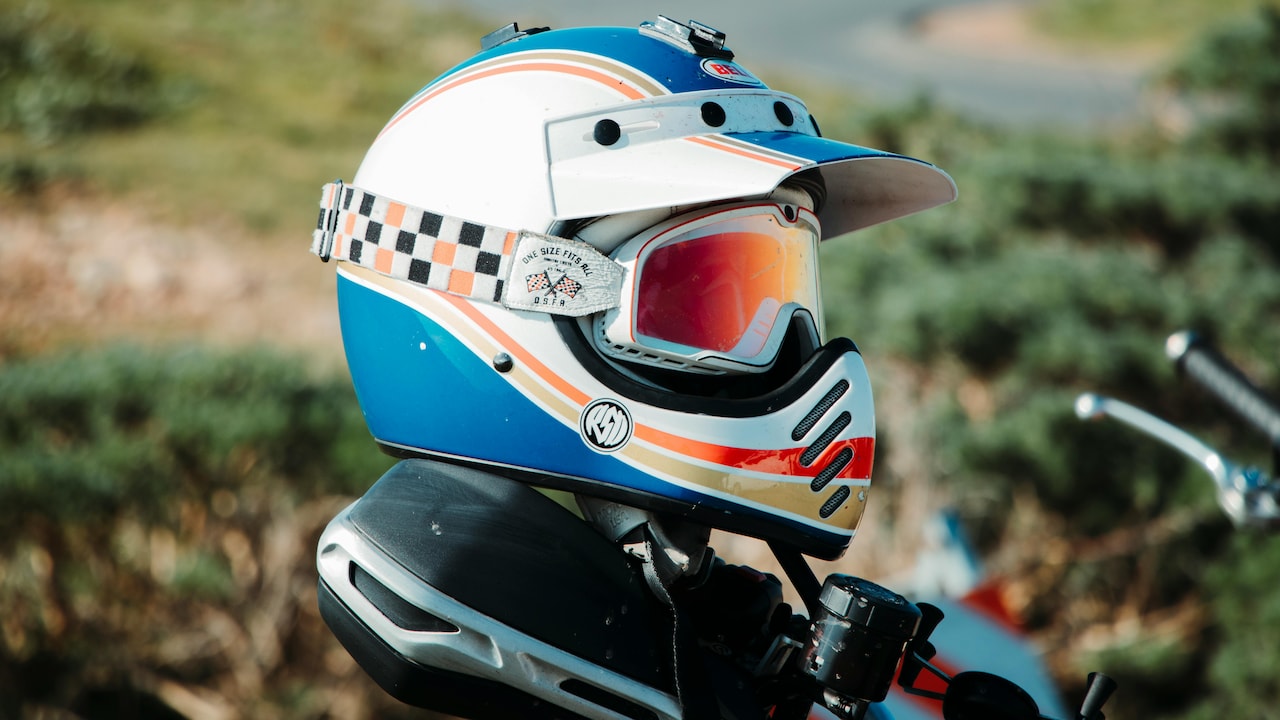
Helmet Sizing Online Chart And Fit Guide: How to Measure So You Don't Have To Return It Twice.
Online helmet shopping has become the new normal. Better discounts, more colour options, and delivery that shows up faster than a friend who owes money. But there's one problem that keeps popping up: sizing.
A helmet that's too tight gives headaches, leaves red marks, and makes every ride feel like a punishment. A loose helmet shifts around, lets wind roar in, and most importantly, fails at the one job it exists to do: protect the head properly.
And here's the frustrating part: many people return helmets not because they chose a bad brand, but because they measured wrong, read the chart incorrectly, or didn't understand what “snug” actually feels like.
This fit guide fixes that. It covers how to measure head size, how to interpret online charts, how different helmet types fit, and how to check if the helmet is truly right once it arrives. No fluff. No complicated jargon. Just practical advice with a little real-life flavour.
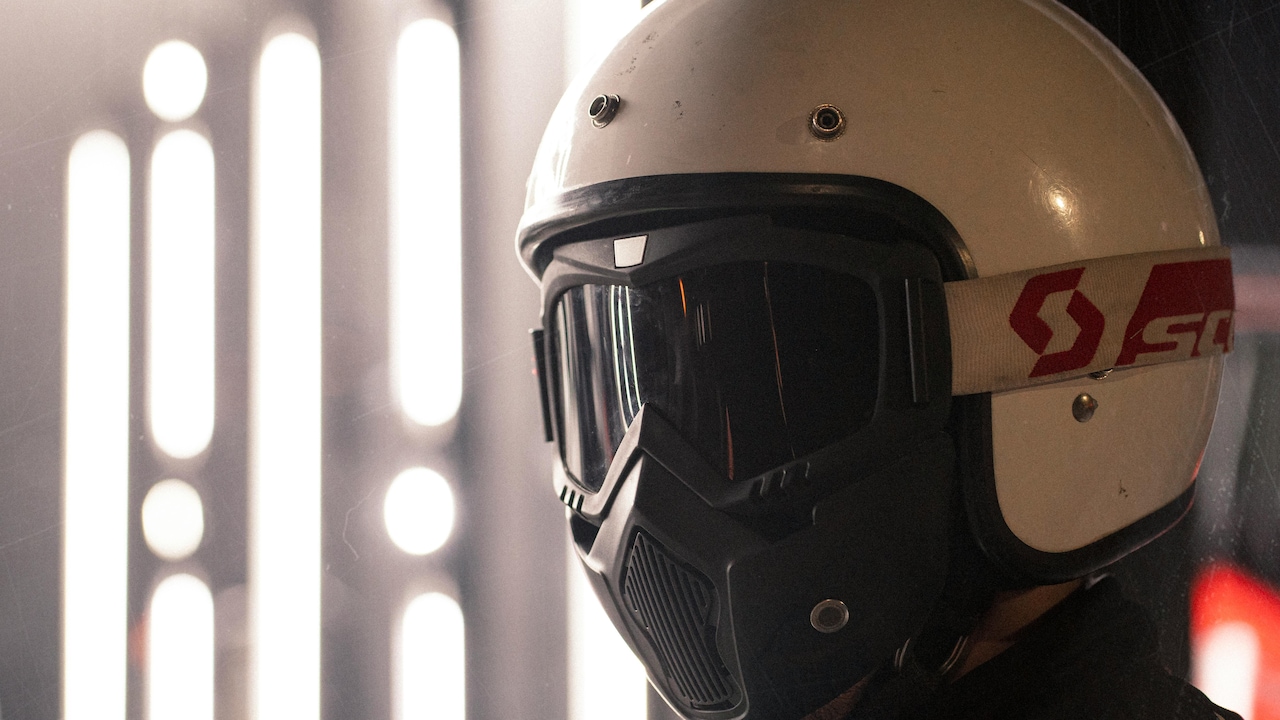
Helmet Sizing Online Chart And Fit Guide: How to Measure So You Dont Return It Twice
Photo Credit: Pexels
Helmet Size Chart Online: How To Measure Your Head for The Perfect Fit
1) Why Helmet Fit Matters More Than Brand Names
People love debating helmets the way they debate cricket teams or phone brands. One person swears by a premium model. Another insists budget helmets are “good enough.” But here's the uncomfortable truth: even a great helmet becomes a bad helmet if the fit is wrong.
A loose helmet can rotate during impact. That means the head moves inside the shell, which reduces protection. A tight helmet may feel “secure,” but it can cause pain, distract the rider, and make long rides miserable. Many riders end up loosening straps or pushing the helmet back, both of which defeat the point.
Fit also affects everyday comfort. If the helmet presses on the forehead, the ride becomes irritating within 10 minutes. If the cheeks don't hold properly, wind noise increases, and the helmet feels unstable at higher speeds. And if the crown sits too high, it looks odd and feels worse.
A helmet should feel like a firm handshake: secure, confident, not crushing. Once that idea clicks, online sizing stops feeling like gambling.
2) The One Measurement That Actually Matters (And the Mistake Everyone Makes)
Helmet sizing is not based on face shape, hairstyle, or “approximate head size.” It is based on head circumference, measured in centimetres. That's it. Simple, but easy to mess up.
The biggest mistake is measuring too high or too low. Some people measure around the forehead like a headband. Others measure near the eyebrows, but let the tape slip behind the ears. Both give inaccurate results.
The correct measurement wraps around the widest part of the head. This includes the forehead and the back of the skull, usually where the head naturally bulges most. If measured too high, the number becomes smaller, and the helmet becomes too tight. If measured too low, the number increases, and the helmet arrives loose.
Another common mistake is using a metal tape or ruler and guessing the curve. That's like measuring a mango with a straight stick. Use a soft tailor's tape. If one isn't available, use a string, then measure the string against a ruler.
It takes less than two minutes. It saves days of returns.
3) How to Measure Head Size Properly (Step-by-Step, No Drama)
This is the easiest part, if done calmly. Stand in front of a mirror, keep your hair flat, and measure twice.
Start by placing a soft measuring tape about one finger above the eyebrows. Wrap it around the head, ensuring it goes above the ears and around the back at the widest point. Keep the tape level. If it tilts, the reading becomes wrong.
Pull the tape snug, but don't squeeze. It should sit like a well-fitted cap. Note the number in centimetres. Then repeat the process once more. If both readings match or are within 0.5 cm, use that number.
If the number falls between sizes, don't panic. That's normal. Head sizes aren't manufactured in neat categories. In those cases, consider how the helmet brand fits. Some helmets run slightly tight, others slightly roomy. If unsure, choose the smaller size only if the helmet's inner padding is known to loosen a bit after a few wears.
Also, measure at a neutral time. Measuring after a long day in the heat, with sweaty hair puffing up, can add slight errors.
It sounds fussy, but it's really just basic accuracy.
4) Understanding Helmet Size Charts Without Getting Tricked
Online charts look simple: a size label like S, M, L, XL and a corresponding range in centimetres. But there's a catch: different brands use different ranges.
One brand's Medium might be 57–58 cm. Another's Medium might be 56–57 cm. That single centimetre can be the difference between comfort and regret.
Always use the brand's official chart for the specific helmet model. Not a generic “helmet size chart” copied by a marketplace listing. Marketplaces often paste standard charts that don't match the product.
Also, pay attention to whether the chart is in centimetres or inches. Some listings show inches in small print. If someone measures in cm and compares it to inches, the results become hilariously wrong, until the helmet arrives and the laughter stops.
Size ranges also overlap. If 58 cm sits at the top of Medium and the bottom of Large, both could technically fit. In such cases, consider head shape. A rounder head often feels tighter in certain brands, so sizing up may help. A more oval head may fit better in the smaller size.
Charts are useful, but they're not magic. Reading them smartly matters.
5) Head Shape: The Hidden Reason Many Helmets Feel “Wrong”
Two people can have the same head circumference and still need different helmet fits. That's because head shape matters, even though most people ignore it.
In general, heads fall into three categories: round, intermediate oval, and long oval. A round head is nearly equal in width and length. An oval head is longer front-to-back. Most helmets sold locally are designed for intermediate oval shapes because they suit a wide range of riders.
If someone with a round head buys a helmet designed for an oval shape, it will pinch on the sides while feeling loose front-to-back. That leads to the classic complaint: “The size is correct, but it hurts.” If someone with a long oval head buys a rounder helmet, the forehead takes the pressure, and headaches arrive quickly.
The simplest way to check head shape is to look at the pressure points during a trial. If the helmet feels tight only at the temples, a head shape mismatch is likely. If it feels tight evenly all around, the size may simply be small.
This is why returns happen even after correct measurement. It's not always user error. Sometimes the helmet's internal shape isn't compatible.
6) Different Helmet Types Fit Differently (Even in the Same Size)
Not all helmets feel the same, even if they share the same size label. Helmet type changes fit, weight distribution, and pressure points.
Full-face helmets wrap around the jaw area and often feel snugger because of cheek pads. Many first-time buyers think the helmet is too small because the cheeks feel squeezed. But cheek pads compress slightly after a few rides. That snug cheek feel is usually normal.
Open-face helmets feel roomier because there's no chin bar and often less cheek padding. Some people switch from open-face to full-face and immediately feel claustrophobic. That doesn't mean the size is wrong. It means the coverage is different.
Modular helmets can feel heavier and slightly bulkier. They also have more moving parts, which can affect how the helmet sits on the head. Off-road helmets sit differently again because of the peak and different padding structure.
So when reading reviews, pay attention to what type of helmet the reviewer is used to. A rider upgrading from a half-face helmet will describe a full-face helmet as “tight” even when it fits correctly.
The helmet type matters as much as the measurement.
7) The Fit Test When the Helmet Arrives (The 5-Minute Reality Check)
Once the helmet arrives, the temptation is to put it on, feel the squeeze, and immediately decide it's wrong. That's how returns happen. Instead, do a proper fit test.
First, put the helmet on correctly. Hold the straps, widen the opening, and slide it on with a gentle rocking motion. If it takes a bit of effort, that's normal for a snug fit.
Now check the crown. The top of the helmet should touch the head evenly. There should be no gap that makes it feel like it's perched. Then check the cheeks. They should feel firm, like the helmet is giving a friendly pinch. Not painful, but secure.
Next, do the movement test. Hold the helmet and try to rotate it left and right. Your skin should move with it. If the helmet slides independently, it's too loose.
Then do the shake test. Shake your head side to side and up and down. The helmet should stay stable.
Finally, wear it indoors for five minutes. Not thirty seconds. Hot spots appear with time. If a sharp pressure point forms on the forehead or temples, it may be a shape mismatch.
This quick test saves weeks of discomfort later.

Helmet Sizing Online Chart And Fit Guide: How to Measure So You Dont Return It Twice
Photo Credit: Pexels
8) Common Fit Problems and What They Actually Mean
Fit issues often get described in vague ways: “It's uncomfortable,” “It feels weird,” “It's tight but also loose.” But each problem has a specific meaning.
If the helmet hurts the forehead within minutes, it's usually a shape issue or a size too small. If the helmet squeezes the cheeks firmly, that's often normal for full-face helmets. If the cheeks feel loose, the helmet may be too big, or the cheek pads may be too thin.
If the helmet lifts when you open your mouth, it can mean the chin strap isn't adjusted correctly. It can also mean the helmet sits too high or is slightly too large.
If the helmet feels stable but causes headaches after 10–15 minutes, it may be too tight in one spot. That's a sign to try another model with a different internal shape.
If the helmet leaves deep marks that last long after removal, it's likely too small. Mild marks that fade quickly can be normal, especially on the cheeks.
The key is to separate “snug” from “painful.” A helmet should feel secure, not punishing.
9) Online Buying Tips That Reduce Returns (And Save Money)
Online shopping is convenient, but it needs a strategy. Otherwise, returns become a hobby.
Start by checking whether the seller accepts size exchanges. Some platforms allow exchanges easily, while others treat helmets as non-returnable safety items. Always read the policy before ordering.
Next, read reviews focusing on fit, not colour. Look for phrases like “runs small,” “true to size,” or “tight on cheeks.” If many buyers say the same thing, trust the pattern.
Also, check the manufacturing date. Helmets have a shelf life. Buying a heavily discounted helmet that's already old is not a bargain. It's a risk.
Avoid choosing size based on guesswork, like “Medium usually fits.” Brands vary. Use your measurement and match it to the chart.
If your head size falls between two sizes, consider ordering from a seller that offers easy exchange. That way, you can choose the closest size and still have a backup plan.
Lastly, don't remove tags or peel protective films until you're sure. Many returns get rejected because the helmet looks “used.”
The goal is simple: one purchase, one fit, zero drama.
10) How a Helmet Should Feel After a Week (The Real Long-Term Fit)
A helmet's fit changes slightly after a few days. Padding settles. Cheek pads soften. The helmet starts to feel like it belongs.
A good helmet feels snug on day one, then becomes comfortably secure by day seven. If it feels perfect and roomy on day one, it will likely become loose later. That's a common trap.
Cheek pads compress the most. So full-face helmets often feel tighter initially. That's why many experienced riders prefer a snug cheek fit at first.
However, a helmet should never cause pain. If there's a sharp pressure point, that doesn't “break in.” It just becomes a recurring annoyance. Some riders try to tolerate it, but that's like wearing shoes that pinch and hoping your feet will magically adapt.
Also, straps matter. A well-sized helmet can still feel wrong if the chin strap is loose or positioned incorrectly. The strap should be snug enough that only two fingers fit between the strap and the chin.
After a week, the helmet should feel stable at speed, quiet enough for comfort, and secure without effort. That's the sweet spot.
Products Related To This Article
1. TVS MissFit Women's Open Face Helmet
2. TVS Racing Anti Matter Full Face Helmet for Bike & Motorcycle Riders
3. Vega Ryker Bolder ISI Certified Matt Finish Full Face Dual Visor Helmet
4. STUDDS RAY ISI Certified Open FACE Helmet for Men and Women
5. Axor X-Cross Dual Visor SC ISI ECE DOT Certified Full Face Dual Sport Peak Off Road Helmet
Buying a helmet online doesn't have to feel like rolling dice. Most sizing problems come down to two things: incorrect measurement and misunderstanding what a proper fit feels like.
Measure head circumference properly, match it to the brand's chart, and don't ignore head shape. When the helmet arrives, test it calmly. A snug fit is good. Pain is not. A helmet should hold the head securely, not squeeze it like a lemon.
And if there's one takeaway worth remembering, it's this: the right helmet doesn't just sit on the head. It settles in, feels steady, and quietly makes every ride feel safer.
No second-guessing. No awkward returns. Just a proper fit and peace of mind, exactly what a helmet is meant to deliver.
(Disclaimer: This article may include references to or features of products and services made available through affiliate marketing campaigns. NDTV Convergence Limited (“NDTV”) strives to maintain editorial independence while participating in such campaigns. NDTV does not assume responsibility for the performance or claims of any featured products or services.)