How Often To Replace A Helmet: 7 Helmet Safety Tips For Motorcycle And Scooter Riders
Wearing a helmet isn’t enough if it’s past its prime. Learn how often to replace your helmet, spot warning signs early, and follow seven practical tips to stay protected on every motorcycle or scooter ride.
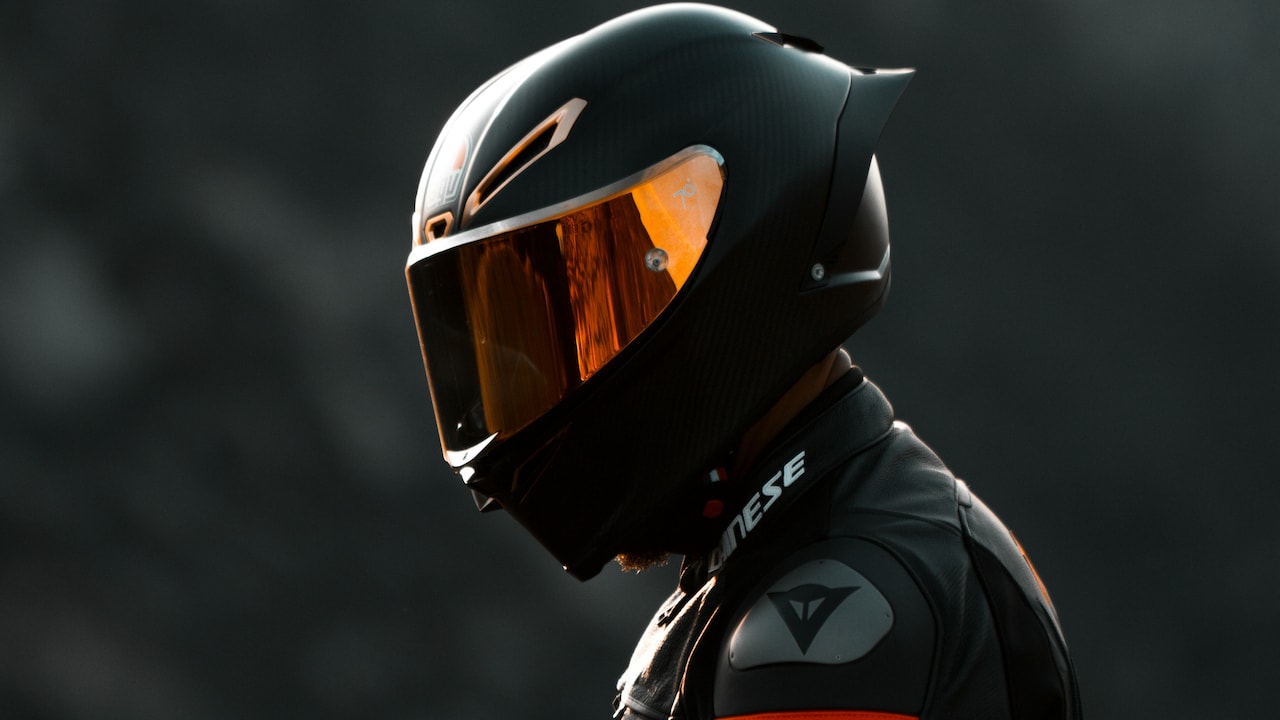
How Often To Replace Helmet: Top 7 Safety Tips For Long-Lasting Motorcycle And Scooter Protection.
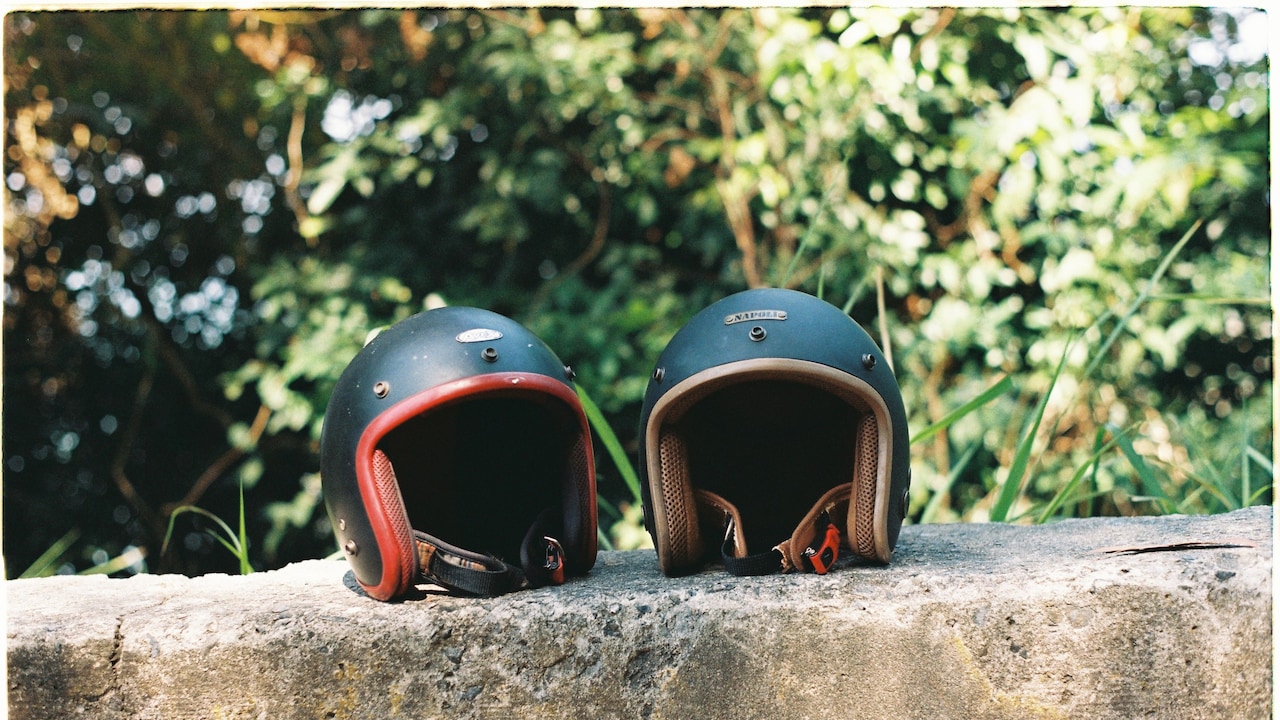
Morning traffic hums, horns compete for space, and two-wheelers weave through narrow gaps with practised ease. In this chaos, a helmet often feels like the only solid shield between a rider and the road. Still, helmets tend to get ignored once bought. Scratches pile up, padding loosens, and straps fade, yet the same helmet stays in use for years.
Many riders ask a simple question at traffic lights or tea stalls: how long does a helmet really last? The answer depends on more than time. Heat, sweat, falls, and even how the helmet rests on a shelf matter. Replacing a helmet at the right moment can make a real difference when things go wrong.
This article explains how often to replace a helmet and offers seven safety tips that extend protection without cutting corners. Expect practical advice, familiar situations, and a few gentle reminders that safety never goes out of style.
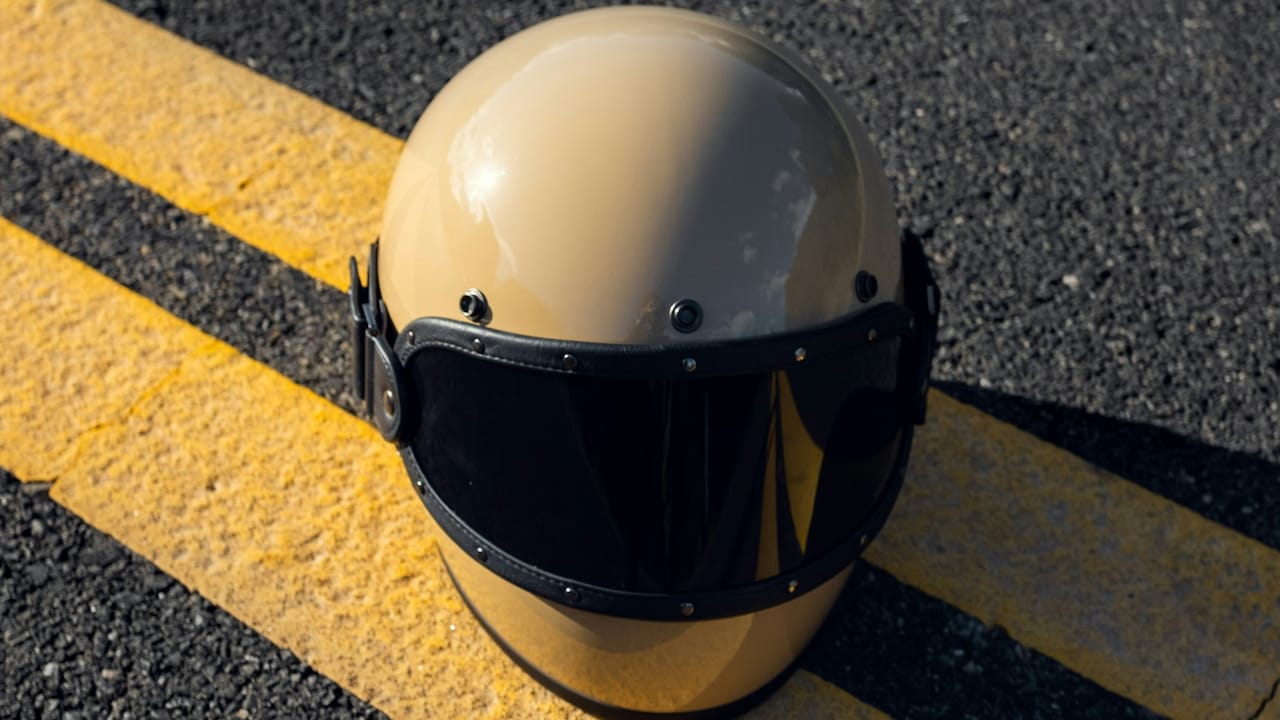
How Often To Replace Helmet: Top 7 Safety Tips For Long-Lasting Motorcycle/Scooter Protection
Photo Credit: Pexels
Simple Helmet Mistakes That Can Cost More Than You Think
1. Understand the Five-Year Rule and Why It Exists
Most helmet makers recommend replacement every five years, even if the helmet looks fine. This guideline exists for good reason. Helmets rely on an inner foam layer that absorbs impact by compressing. Over time, heat, moisture, and regular use break down this foam. The change stays invisible but weakens protection.
Think of daily rides under harsh sun, sudden rain showers, and constant sweat during summer commutes. All these elements quietly age the materials. A helmet worn daily for office travel ages faster than one used occasionally for weekend rides. Even storage plays a role. A helmet left near a window or on a hot fuel tank faces quicker degradation.
Five years may feel short, especially when a helmet still shines after a wash. Yet safety gear does not age like fashion. Mark the purchase date somewhere inside the helmet or save the bill. That small habit helps plan a timely replacement before the helmet loses its ability to protect when it matters most.
2. Replace Immediately After a Crash or Hard Drop
A helmet that takes a hit has already done its job once. Even a low-speed fall or a drop from handlebar height can damage the inner structure. The outer shell may show no cracks, which often leads riders to continue using it. That choice carries risk.
The foam inside works by absorbing force through compression. Once compressed, it does not bounce back to its original state. Using such a helmet again means reduced protection during the next impact. Imagine trusting a used airbag that already deployed once. The logic feels similar.
Many riders hesitate to replace a helmet after a minor fall due to cost concerns. Yet hospital bills and recovery time cost far more, both financially and emotionally. Treat a helmet like a one-time shock absorber. After any significant impact, thank it for the protection and replace it without delay.
3. Watch for Wear and Tear Beyond Surface Scratches
Scratches tell stories of daily rides and tight parking spots. Most surface marks stay harmless, but deeper signs of wear deserve attention. Loose padding, frayed straps, or a visor that refuses to stay in place signal trouble.
Padding plays a crucial role in fit and comfort. When padding compresses too much, the helmet sits loose and shifts during movement. That movement reduces protection during a fall. Straps that lose grip or elasticity also compromise safety. A helmet that does not stay firmly in place fails its basic purpose.
Regular inspection helps catch these issues early. A quick check before weekend rides takes only minutes. Pull the straps, press the padding, and listen for unusual creaks. These small checks keep riders informed and prevent surprises on the road.
4. Choose the Right Fit and Replace When Fit Changes
A helmet should feel snug without causing pain. Over time, fit changes due to padding compression and head shape adjustments. Weight fluctuations or hairstyle changes also affect how a helmet sits.
A loose helmet lifts during wind gusts or sudden braking. That movement distracts the rider and reduces protection. On the other hand, a helmet that causes constant pressure points leads to discomfort and fatigue, especially during long rides.
Test fit regularly. Shake the head gently side to side and up and down. The helmet should move with the head, not independently. If the helmet slips easily or requires constant adjustment, replacement becomes necessary. Comfort and safety walk hand in hand, and both deserve attention.
How Often To Replace Helmet: Top 7 Safety Tips For Long-Lasting Motorcycle/Scooter Protection
Photo Credit: Unsplash
5. Avoid Heat Damage and Poor Storage Habits
Heat stands as one of the biggest enemies of helmet materials. Parking under direct sunlight for hours or storing a helmet in a locked vehicle during peak summer accelerates material breakdown.
Many riders rest helmets on mirrors or fuel tanks, exposing them to heat and accidental falls. Others store helmets near kitchen shelves or balconies, where temperature changes are frequent. These habits slowly weaken the shell and inner foam.
Store helmets in a cool, dry place, ideally inside a cloth bag. Keep them away from chemicals like petrol or cleaning agents, which damage materials. Good storage extends helmet life and keeps protection reliable. A small change in habit today saves regret tomorrow.
6. Clean Gently and Avoid Harsh Chemicals
A clean helmet feels fresh and comfortable, especially during humid weather. Yet cleaning methods matter. Harsh detergents, solvents, or petrol damage both the shell and inner lining.
Use mild soap and water for the outer shell. Remove inner padding if possible and wash it gently. Allow everything to air dry away from direct sunlight. Avoid hair dryers or heaters, as excessive heat harms materials.
Regular cleaning also helps spot damage early. Cracks, loose padding, or worn straps become easier to notice on a clean helmet. Cleanliness supports hygiene and safety at the same time, making rides more pleasant and worry-free.
How Often To Replace Helmet: Top 7 Safety Tips For Long-Lasting Motorcycle/Scooter Protection
Photo Credit: Pexels
7. Know When an Upgrade Makes Sense
Helmet technology evolves with time. Newer models offer better ventilation, lighter materials, and improved impact protection. Riders using older helmets may miss out on these advancements.
Upgrading does not always mean buying the most expensive option. Many reliable helmets fall within ₹1,500 to ₹3,000 and meet safety standards while offering modern comfort. Spending slightly more often brings better airflow and reduced neck strain during long rides.
An upgrade also boosts confidence. Wearing a helmet that feels comfortable and secure encourages consistent use. Safety gear should inspire trust, not doubt. When a helmet feels outdated or uncomfortable, consider replacement as an investment in everyday peace of mind.
Products Related To This Article
1. TVS MissFit Women's Open Face Helmet
2. VEGA Crux Dual Visor Flip Up Motorcycling Helmet Black-L
3. TVS Racing Anti Matter Full Face Helmet for Bike & Motorcycle Riders
4. Steelbird SBA-7 7Wings ISI Certified Flip-Up Helmet
5. Axor Apex Hunter ISI ECE DOT Certified Full Face Dual Visor Helmet
Helmets protect more than heads. They protect routines, livelihoods and loved ones waiting at home. Knowing how often to replace a helmet and recognising signs of wear make every ride safer and calmer.
Replacing a helmet every five years, after a crash, or when fit and comfort decline keeps protection reliable. Simple habits like proper storage and gentle cleaning extend helmet life without extra effort.
Roads stay unpredictable, but preparation reduces risk. A well-maintained helmet stands as a quiet companion through traffic, weather, and time. Treat it with care, replace it when needed, and let every ride end safely where it began.
(Disclaimer: This article may include references to or features of products and services made available through affiliate marketing campaigns. NDTV Convergence Limited (“NDTV”) strives to maintain editorial independence while participating in such campaigns. NDTV does not assume responsibility for the performance or claims of any featured products or services.)