Does Heat Make Car Fragrances Last Longer? 10 Air-Freshener Myths Explained
Does heat make car fragrances last longer, or does it shorten their life? Discover the truth behind 10 common air-freshener myths, from scent strength and AC use to placement, pricing and odour control, so your car stays fresher for longer.
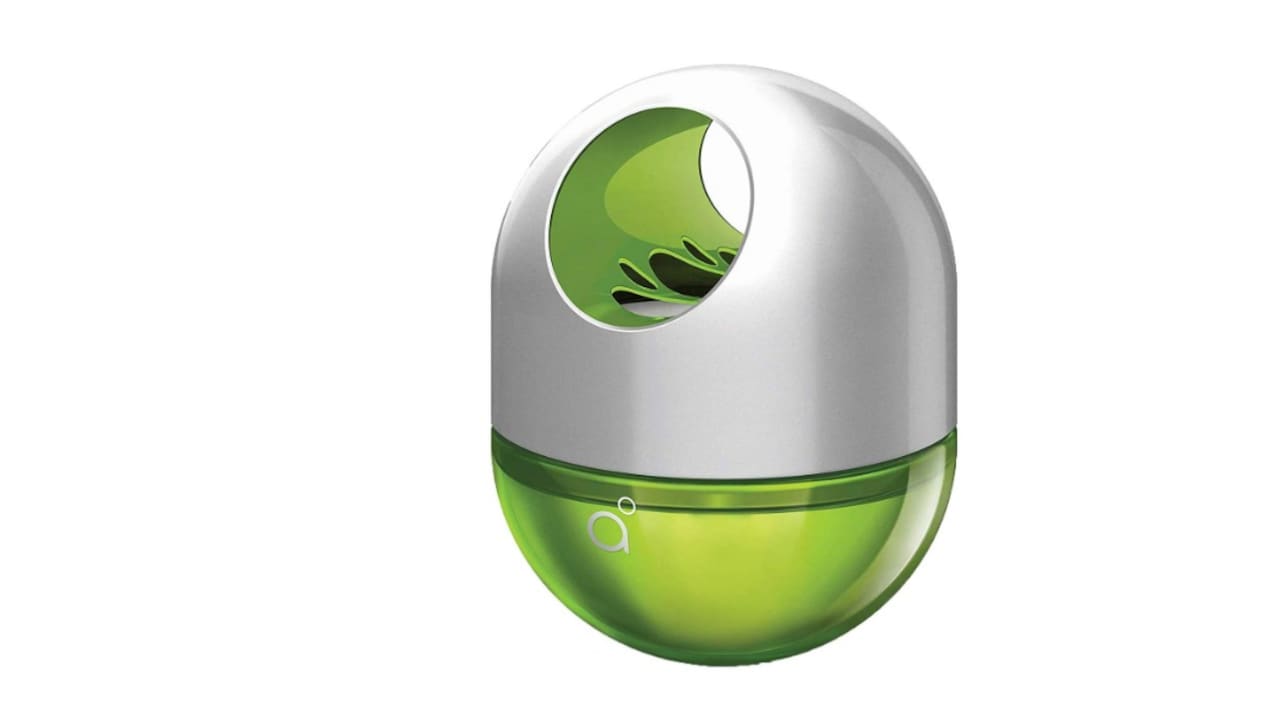
Does Heat Make Car Fragrances Last Longer? 10 Myths Explained
There is something oddly satisfying about opening a car door and being greeted by a clean, familiar fragrance. It might be citrus after a dusty afternoon, sandalwood during a long highway drive, or a fresh aquatic scent that makes crawling traffic feel slightly less irritating. Car fragrances, however, live in a difficult environment. A parked vehicle can become extremely hot, especially during summer. Air-conditioning changes cabin temperature quickly. Sunlight hits dashboards and hanging fresheners for hours. Humidity, dust, upholstery, food smells, and everyday use all affect how a fragrance behaves. That is where the myths begin. Some drivers believe heat makes fragrances stronger and therefore longer-lasting. Others assume expensive air fresheners never fade quickly. There is also the familiar temptation to open every seal at once in pursuit of maximum freshness. Unfortunately, fragrance does not work quite so simply. Understanding a few basics can make a noticeable difference to both scent quality and product life. Here are ten air-freshener myths worth clearing from the cabin.
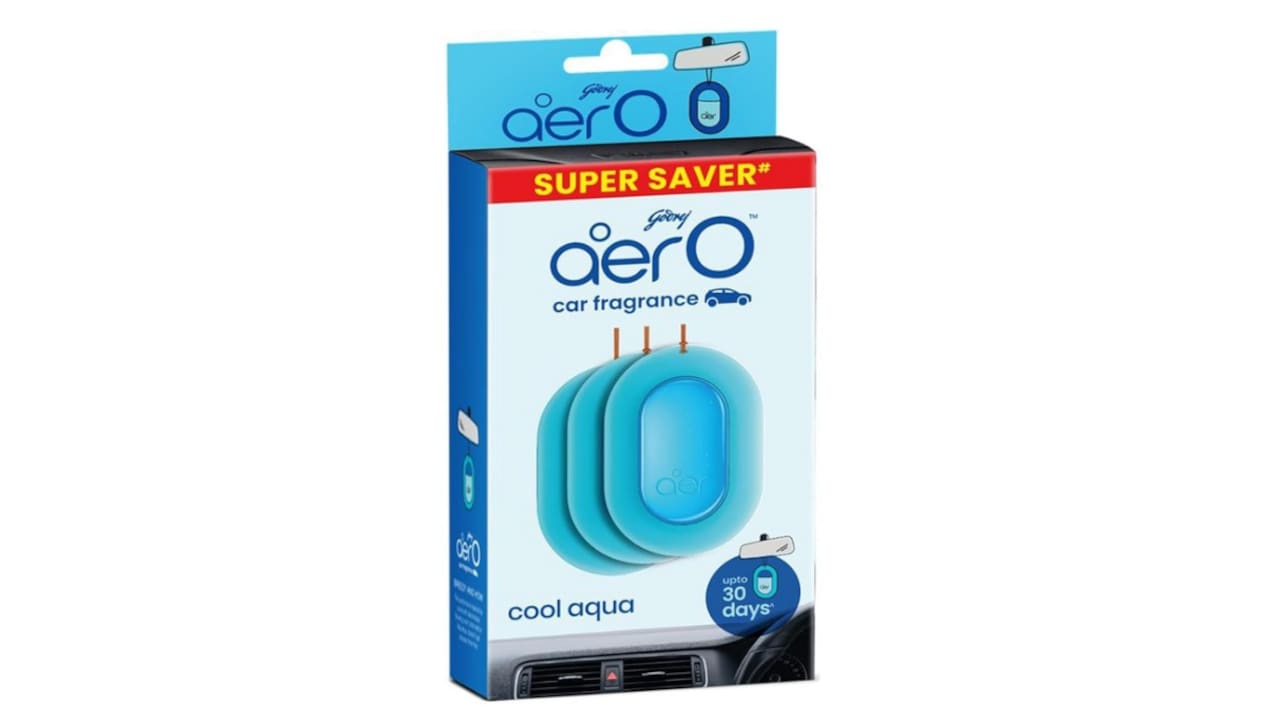
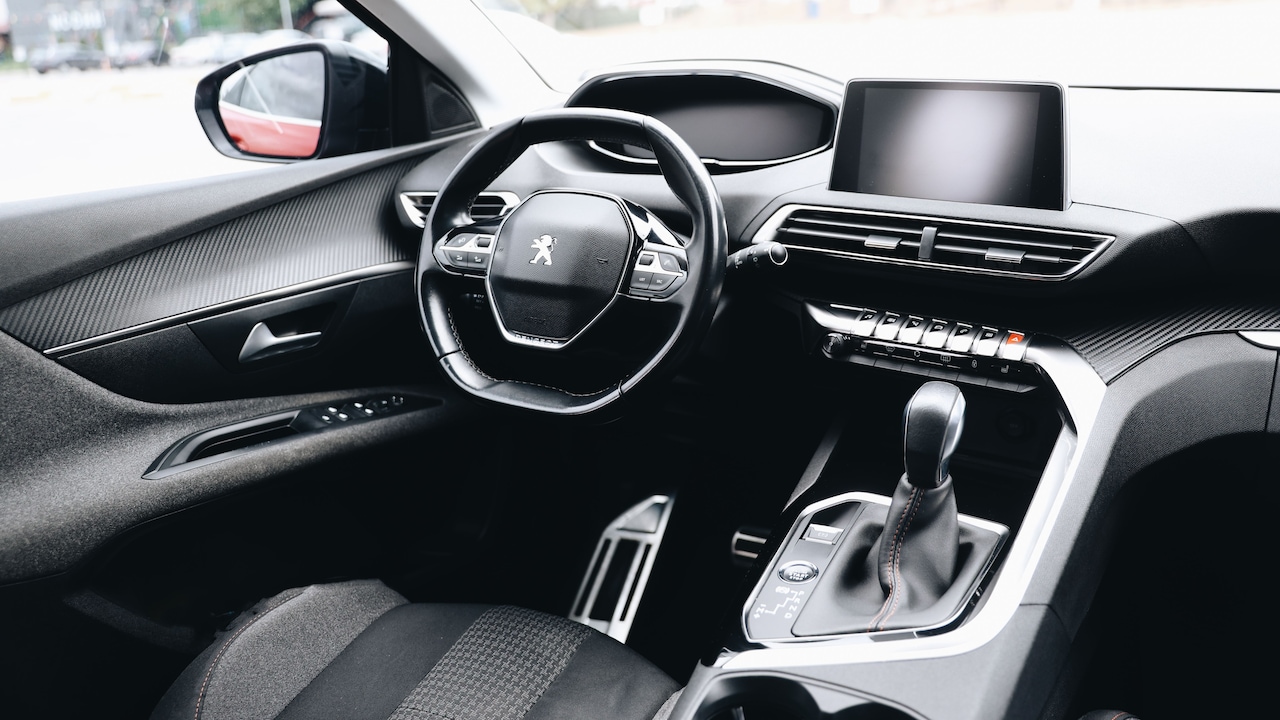
Does Heat Make Car Fragrances Last Longer? 10 Myths Explained; Photo Credit: Amazon
10 Car Air-Freshener Myths You Should Stop Believing
1. Heat Makes Car Fragrances Last Longer
This is probably the most common misunderstanding. Heat can certainly make a car fragrance smell stronger, but that does not mean it will last longer. In fact, the opposite often happens.
Most car fragrances release aromatic compounds into the air through evaporation. When the temperature rises, evaporation speeds up. A gel freshener may shrink faster, a liquid diffuser may empty sooner and a scented card can lose its punch more quickly.
Think of it like leaving perfume near a sunny window. The smell may seem powerful for a while, but the fragrance is being used up at a faster rate.
A car parked outdoors during a scorching afternoon can become far hotter than the surrounding air. That intense cabin heat places extra pressure on fragrance products, especially liquid and gel varieties.
For better longevity, avoid keeping adjustable diffusers fully open during very hot weather. Park in shade when practical and use a windscreen sunshade. Heat can boost fragrance projection, but it usually shortens fragrance life rather than extending it.
Also Read: 5 Best Air Fresheners For Home, Car And Bathroom Now On Amazon
2. A Stronger Fragrance Is Always A Better Fragrance
A powerful scent can create an impressive first impression. Open the door, take one breath and suddenly the cabin smells like a luxury hotel lobby. That does not automatically mean the product is better.
Fragrance quality is about balance, consistency and comfort rather than sheer strength.
An excessively intense air freshener can become tiring during long journeys. Sweet vanilla, heavy musk or strong synthetic fruit notes may feel pleasant for five minutes but overwhelming after an hour in traffic with the windows closed.
A well-made fragrance should spread evenly through the cabin without constantly demanding attention. Ideally, it becomes part of the driving environment rather than taking it over.
Strength also depends on temperature, ventilation and cabin size. A fragrance that feels subtle in a large SUV may seem surprisingly strong inside a compact hatchback.
Choose scents according to how the vehicle is used. Daily commuters may prefer lighter citrus, green or aquatic notes. People who enjoy richer fragrances might choose woody, amber or spicy blends. Better does not always mean louder.
3. Air Fresheners Remove Bad Odours Completely
An air freshener can make a car smell better, but it cannot magically erase the source of an unpleasant odour.
If forgotten takeaway packaging is sitting under a seat, no amount of lavender will solve the real problem. The result may simply become a strange mixture of lavender and yesterday's biryani.
Many car fragrances work by adding pleasant aromatic compounds to the cabin air. Some products may contain ingredients designed to neutralise certain odour molecules, but ordinary fresheners mainly mask smells rather than eliminate their cause.
Persistent odours often come from damp floor mats, food spills, cigarette smoke, pet hair, mould, dirty air-conditioning filters or moisture trapped in upholstery.
Cleaning should therefore come before fragrancing.
Vacuum seats and carpets, remove rubbish, wash mats and wipe frequently touched surfaces. If the air-conditioning smells musty, the cabin filter may also need attention.
Once the unwanted smell has been tackled properly, a fragrance works much more effectively. Think of an air freshener as the finishing touch after cleaning, not a substitute for it.
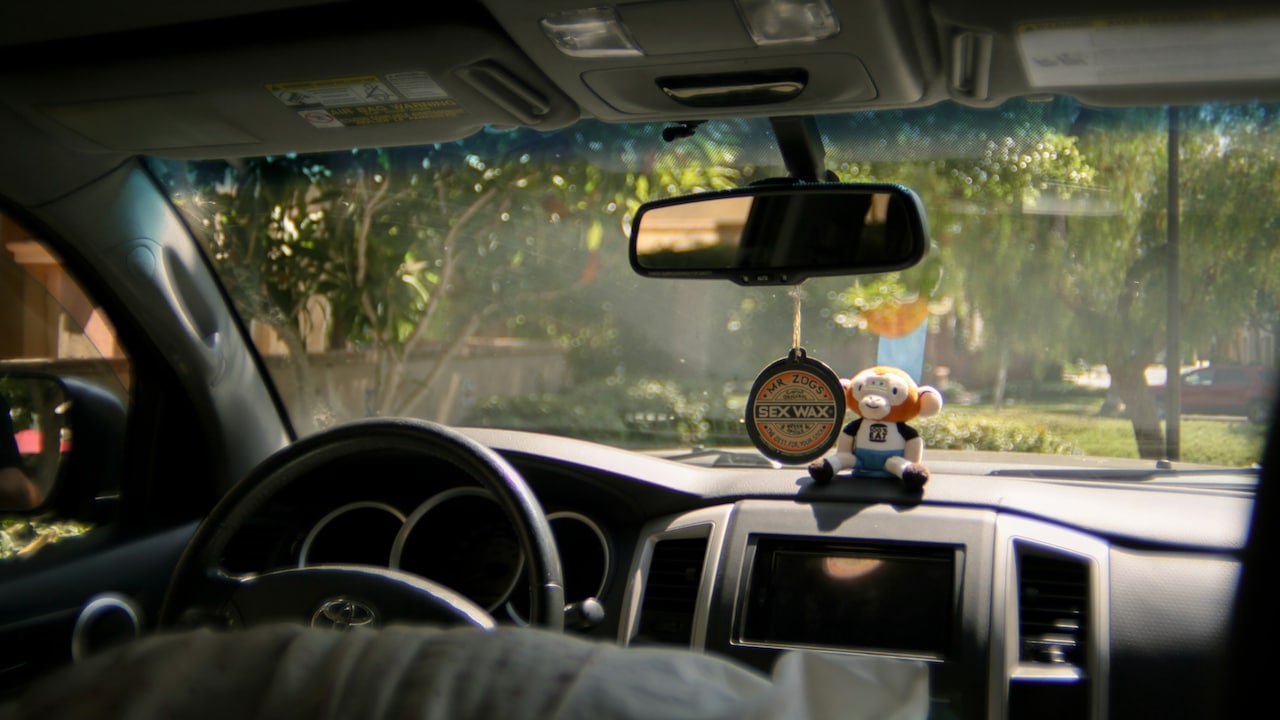
Does Heat Make Car Fragrances Last Longer? 10 Myths Explained; Photo Credit: Amazon
4. Opening The Fragrance Fully Makes It Work Better
There is an understandable temptation to tear away every wrapper, open every vent and expose the entire fragrance immediately. The cabin smells fantastic for a few days, so it feels like the product is doing exactly what it should.
Then, mysteriously, the scent disappears.
Many hanging fresheners and gel products are designed to release fragrance gradually. Packaging often acts as a simple control mechanism. Removing too much of it increases the exposed surface area, which speeds up evaporation.
The same idea applies to adjustable liquid diffusers and gel containers. A wider opening usually creates a stronger scent, but it also consumes the fragrance faster.
Start conservatively. Peel back a small portion of the wrapper or use the lowest practical diffuser setting. Increase exposure only if the fragrance feels too faint.
This approach also helps prevent the dreaded first-week fragrance overload, when everyone entering the car immediately asks what has happened inside.
A controlled release usually produces a more pleasant scent and gives better value from the product.
5. Expensive Car Fragrances Always Last Longer
Price can reflect better packaging, sophisticated fragrance oils, attractive design or premium branding. It does not automatically guarantee longer life.
A ₹1,500 designer diffuser might contain a beautifully layered woody fragrance, yet it could still evaporate quickly if left fully open in a sun-baked car. Meanwhile, a simpler ₹300 gel freshener with controlled exposure may continue releasing scent for weeks.
Longevity depends on several factors: fragrance concentration, product format, temperature, airflow, exposed surface area and how often the car is used.
Some premium products are designed for fragrance complexity rather than maximum duration. They may smell smoother or more natural without necessarily lasting twice as long as cheaper alternatives.
It is therefore worth looking beyond the price tag.
Consider how the fragrance releases scent, whether the intensity is adjustable and whether replacement cartridges are available. A refillable diffuser may offer better long-term value than repeatedly buying decorative disposable fresheners.
Good fragrance can certainly cost more, but price and lifespan are not tied together as neatly as marketing sometimes suggests.
6. Hanging Fresheners Are Safe Anywhere In The Car
Those little scented cards hanging from rear-view mirrors have become almost part of motoring culture. They are convenient, inexpensive and impossible to miss. Still, placement matters.
Anything hanging directly in the driver's field of vision can become distracting. A large ornament or freshener swinging during sudden braking may also block a small but important part of the road ahead.
There is another concern: some fragrance products contain oils or solvents that can affect certain plastics, painted surfaces or dashboard finishes if they remain in direct contact for long periods.
Liquid diffusers need even more care. A leaking bottle on a dashboard or centre console can damage surfaces and create a slippery mess.
The safest approach is to follow the manufacturer's placement instructions. Vent clips should sit securely on compatible vents, hanging products should not obstruct visibility and liquid containers should remain upright.
A fragrance should make the cabin more enjoyable, not become an unexpected driving hazard. Sometimes the least glamorous place for an air freshener is also the smartest one.
7. Air-Conditioning Makes Every Fragrance Last Longer
Air-conditioning can reduce cabin temperature, so it seems logical that it would always extend fragrance life. The reality is slightly more complicated.
Cooler temperatures generally slow evaporation, which can help liquid and gel fragrances last longer. However, strong airflow can also increase how quickly scent molecules move away from the product.
Vent-mounted fresheners illustrate this perfectly. When the blower runs at high speed, air passes directly across the scented material. The fragrance becomes noticeably stronger because more aroma is being carried around the cabin.
That stronger release may also mean the product is being consumed more rapidly.
The effect therefore depends on the freshener design. A dashboard gel may benefit from the cooler cabin, while a vent clip can release fragrance faster when the fan is constantly blasting.
Moderate airflow usually offers a sensible middle ground. It distributes the scent without exhausting it unnecessarily.
There is no need to turn the cabin into a refrigerated perfume laboratory. Comfortable temperature and sensible ventilation tend to produce the most balanced results.
Does Heat Make Car Fragrances Last Longer? 10 Myths Explained; Photo Credit: Amazon
8. Fragrances Smell The Same In Every Car
The same air freshener can smell surprisingly different from one vehicle to another.
Cabin materials play a role. Leather seats, fabric upholstery, plastic trim, floor mats and even old cleaning products contribute their own subtle aromas. These existing smells mix with the fragrance and alter how it is perceived.
Cabin size matters too. A small hatchback concentrates scent quickly, while a spacious SUV may require more time for the same product to become noticeable.
Temperature and humidity change things further. A citrus fragrance may feel bright and sharp in an air-conditioned cabin but much sweeter and heavier after the car has been sitting in afternoon heat.
Personal perception also matters. Some people notice woody notes immediately, while others pick up sweetness or spice first.
That is why copying a friend's car fragrance does not guarantee an identical experience.
Whenever possible, begin with a moderate setting and allow the scent to settle for a day or two. Fragrance often needs time to blend with the cabin before showing its true character.
9. Natural Fragrances Are Always Safer And Better
Words such as “natural”, “herbal” and “essential oil” sound reassuring. They can suggest purity, gentleness and something closer to nature than a synthetic fragrance. However, natural does not automatically mean safer or better.
Essential oils are highly concentrated substances. Some can irritate sensitive skin, trigger headaches or feel overpowering inside a small enclosed cabin when used excessively.
Natural oils can also degrade when exposed to heat, air and sunlight. Citrus oils, for example, may change aroma over time when stored poorly.
Synthetic fragrance ingredients are not automatically inferior either. They allow perfumers to create stable, consistent scents and reproduce aromas that would be difficult, expensive or environmentally impractical to obtain naturally.
The sensible approach is to judge the finished product rather than a single marketing word on the label.
Choose a reputable manufacturer, follow usage directions and avoid spilling concentrated fragrance oils on skin or interior surfaces. Anyone sensitive to strong smells should begin with low intensity.
Whether natural or synthetic, a fragrance should make the journey more comfortable, not turn it into an endurance test.
10. A Car Fragrance Should Be Replaced As Soon As You Stop Noticing It
After a few weeks, a familiar fragrance may seem to vanish. The first instinct is often to replace it. Yet the product might still be working.
The human brain becomes accustomed to repeated smells through a process known as olfactory adaptation. When exposed to the same fragrance regularly, awareness of it gradually decreases.
That is why a driver may think the car smells of nothing while a passenger immediately notices the fragrance after getting in.
Before throwing away a freshener, step out of the car for a while and return later. Another simple option is to ask someone who does not travel in the vehicle regularly whether they can still smell it.
Rotating fragrances can also help. Switching between citrus, woody, floral and fresh scents prevents the nose from becoming too accustomed to one aroma.
Of course, products do eventually run out. Gels shrink, liquids disappear and scented cards lose their oils.
But disappearing from personal awareness and disappearing from the cabin are not always the same thing. Sometimes the nose has simply stopped sending notifications.
Products Related To This Article
1. Godrej aer O – Hanging Car Air Freshener
2. Haka Camphor Pouch Pack of 3
3. BSOUL Lemongrass Car Air Vent Clip 8ml Pack Of 2
4. Godrej aer O Hanging Car Air Freshener Gel
5. CamPure Camphor Cone Pack of 2- 100% Organic
6. Car Air Freshener Hanging
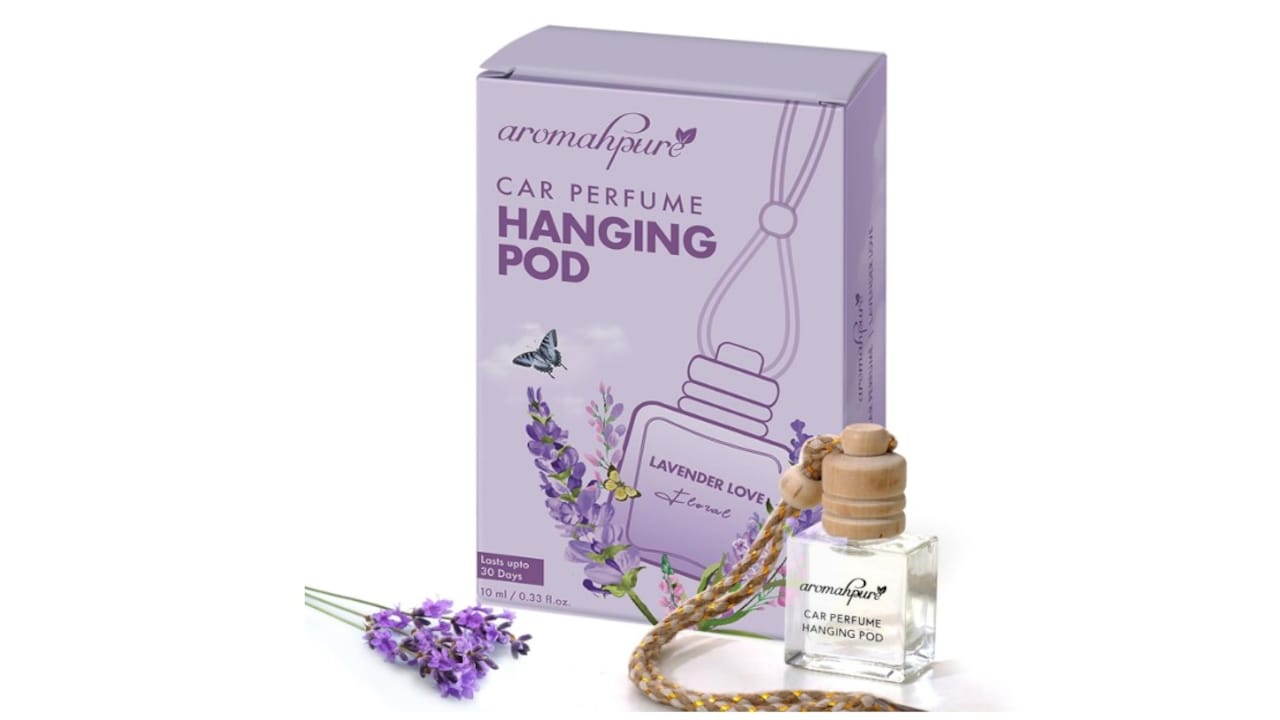
7. Aromahpure Premium Car Perfume Hanging Pod
Car fragrances may look simple, but heat, airflow, cabin size, product design and even the human sense of smell all affect how they perform.
Heat does not usually make a fragrance last longer. It accelerates evaporation and can shorten the product's useful life. Stronger scents are not necessarily better, premium prices do not guarantee exceptional longevity and an air freshener cannot rescue a cabin that genuinely needs cleaning.
The best results come from a little restraint. Keep the vehicle clean, protect fragrance products from extreme heat, use adjustable settings sensibly and place fresheners where they will not interfere with driving or damage interior surfaces.
Most importantly, choose a scent that feels pleasant after thirty minutes, not merely impressive during the first thirty seconds.
A good car fragrance should quietly improve the journey. It should soften the mood during a slow commute, freshen the cabin after a long day and make opening the car door feel just a little nicer. When used thoughtfully, even a small freshener can do exactly that without disappearing before its time.
(Disclaimer: This article may include references to or features of products and services made available through affiliate marketing campaigns. NDTV Convergence Limited (“NDTV”) strives to maintain editorial independence while participating in such campaigns. NDTV does not assume responsibility for the performance or claims of any featured products or services.)