Can Non-Comedogenic Sunscreen Cause Breakouts? Here's Why It Happens
Even non-comedogenic sunscreens can trigger breakouts. From formulation quirks to climate and application habits, here's why skin still reacts and how to avoid it.
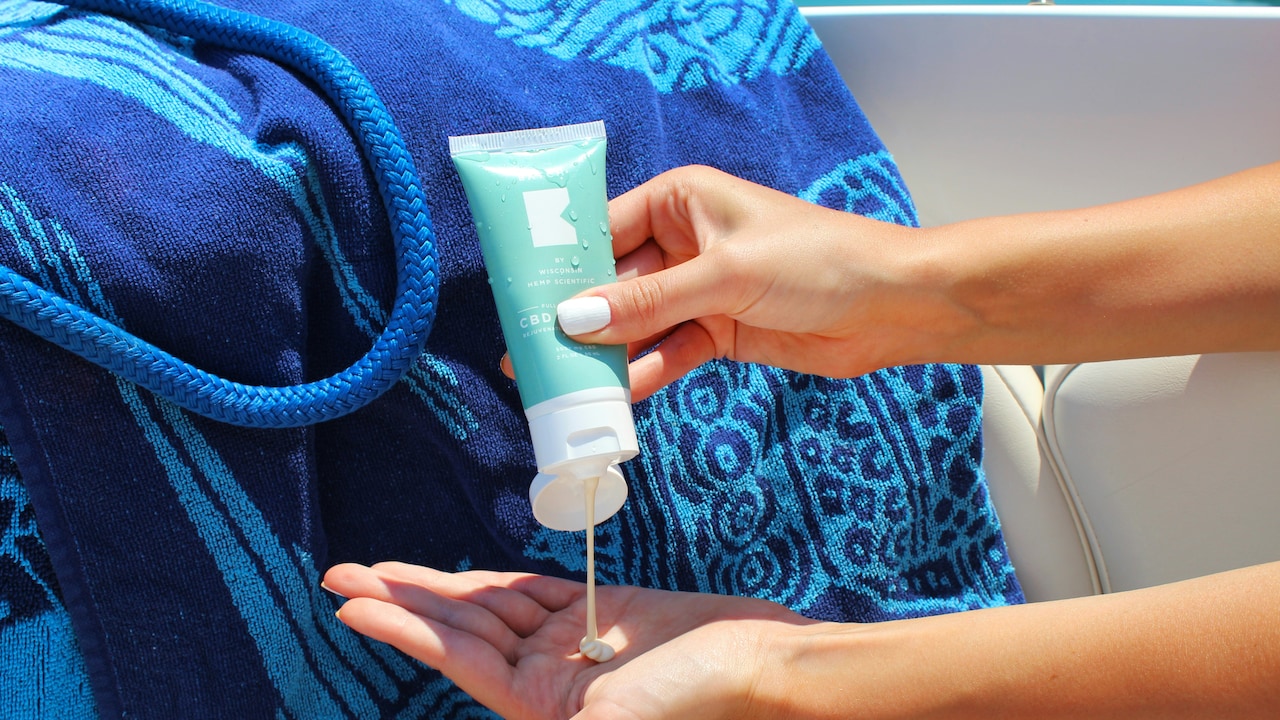
Know Why Some Sunscreens Cause Breakouts Even When They Are Non-Comedogenic.
Sunscreen feels like a non-negotiable these days. Dermatologists praise it, beauty editors swear by it, and every skincare routine seems incomplete without a generous layer. Yet a familiar complaint keeps popping up: 'This sunscreen broke me out, even though it says non-comedogenic.' That confusion makes sense. After all, non-comedogenic sounds reassuring, almost like a promise written in stone. In reality, skincare rarely works that way. Skin behaves differently across people, seasons, and even moods. Add humidity, pollution, long commutes, and busy schedules to the mix, and sunscreen suddenly faces a tough job.
Understanding why breakouts happen requires looking beyond the label. It means examining ingredients, textures, how products interact with sweat and makeup, and how skin responds under real-world conditions. This article explores ten key reasons behind sunscreen-related breakouts, presented in a practical, honest, and relatable manner.

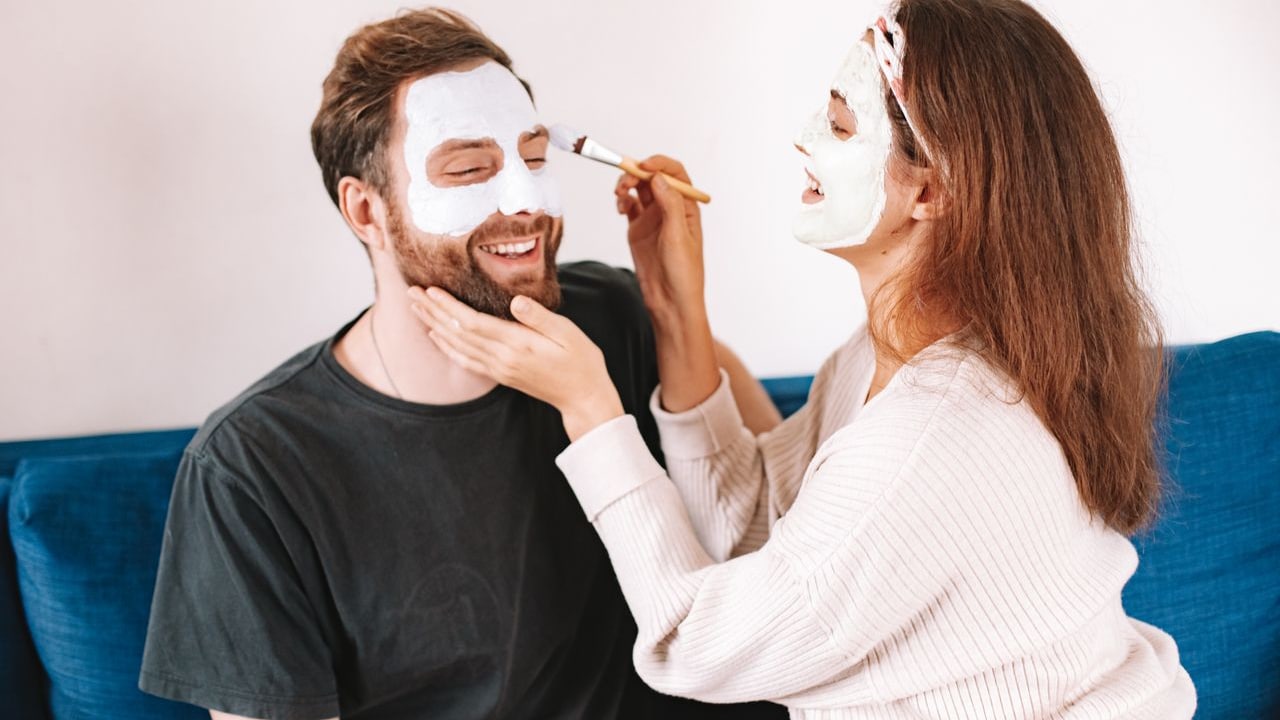
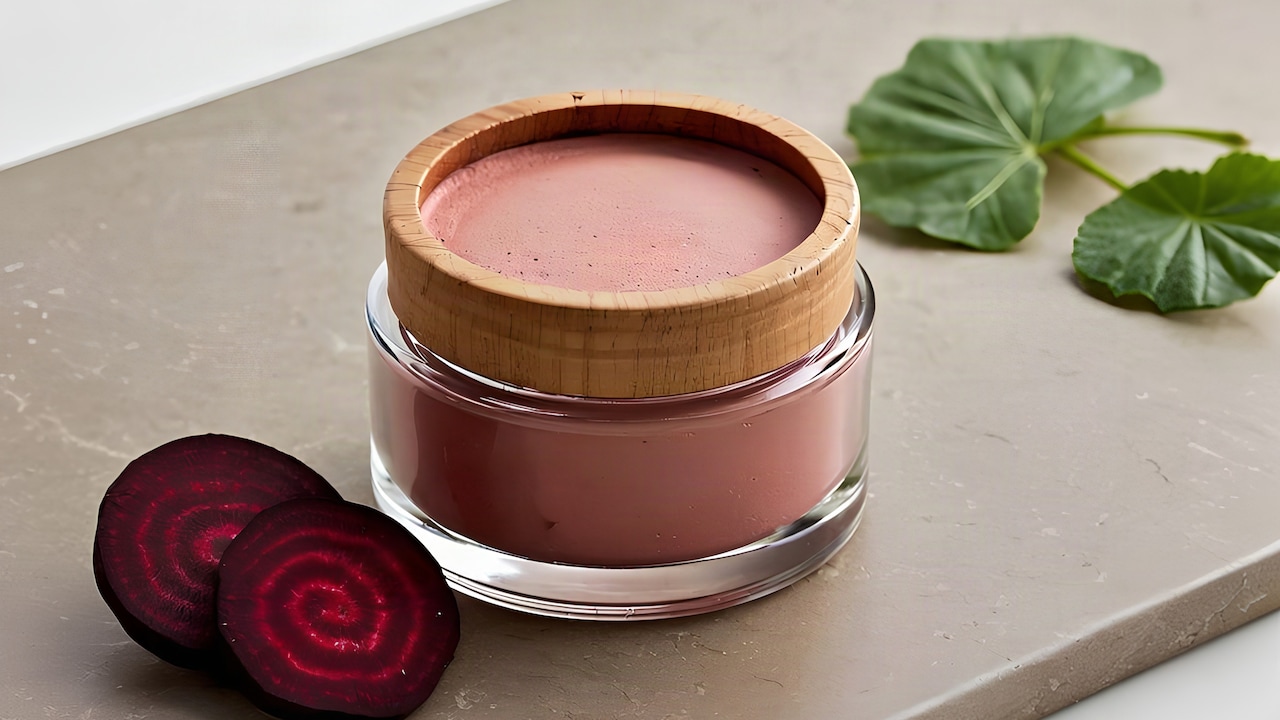
Why Non-Comedogenic Sunscreens Still Cause Acne and Breakouts; Photo Credit: Pexels
Why Your Skin May Still React, Even When The Label Says It Shouldn't
1. Non-Comedogenic Is Not a Universal Guarantee
The term non-comedogenic often feels like a safety seal, but it lacks strict regulation. Brands usually test products on a small group under controlled conditions. Those tests do not account for every skin type, climate, or daily habit. What keeps pores clear for one person might clog them for another.
Skin also changes over time. Hormonal shifts, stress, diet, or even a new gym routine can alter how it reacts. A sunscreen that worked perfectly last winter may suddenly feel heavy during a humid summer. That does not mean the label lied; it means skin biology plays by its own rules.
Think of non-comedogenic as a helpful guideline rather than a guarantee. It reduces risk but does not eliminate it. Breakouts often reflect how individual skin interacts with the formula, not a flaw in the claim itself.
2. Heavy Formulations Can Trap Sweat and Oil
Many sunscreens aim for high protection, especially those with SPF 50 or more. To achieve that, brands often use richer bases. These textures can feel comforting in dry weather but overwhelming in heat and humidity.
When sweat mixes with natural oils under a thick sunscreen layer, pores struggle to breathe. Dirt and pollution stick more easily, especially during long days outdoors or crowded commutes. Over time, that trapped mix creates the perfect environment for breakouts.
This explains why the same sunscreen behaves well indoors but causes trouble on days spent running errands or travelling. Lightweight gels or fluid sunscreens often suit active days better, while creamier options work for cooler months or drier skin.
Also Read: What Does Non-Comedogenic Mean? A Guide To Choosing The Right Sunscreen For Acne-Prone Skin
3. Silicone Ingredients Can Confuse the Skin
Silicones such as dimethicone appear in many sunscreens. They smooth texture, help makeup sit better, and create a protective film. On the surface, they feel harmless and even luxurious.
However, that film can trap whatever sits underneath. If skin care layers do not absorb fully or cleansing feels rushed, residues linger. Silicones then seal everything in, including bacteria and oil. For acne-prone skin, that combination spells trouble.
Silicones do not clog pores directly, but they can worsen congestion when cleansing lacks thoroughness. Double cleansing at night often helps, especially after long sun exposure or makeup use.
4. Chemical Filters Can Trigger Sensitivity Breakouts
Sunscreens fall into two broad categories: mineral and chemical. Chemical filters absorb UV rays and convert them into heat. While effective, some filters irritate sensitive or acne-prone skin.
Irritation does not always show as redness or itching. Sometimes it appears as tiny bumps or sudden acne flare-ups. These breakouts feel puzzling because they look like clogged pores but stem from inflammation instead.
Switching to mineral filters like zinc oxide or titanium dioxide often helps in such cases. These sit on the skin's surface and reflect UV rays rather than absorbing them. They suit reactive skin better, especially during long sun exposure.
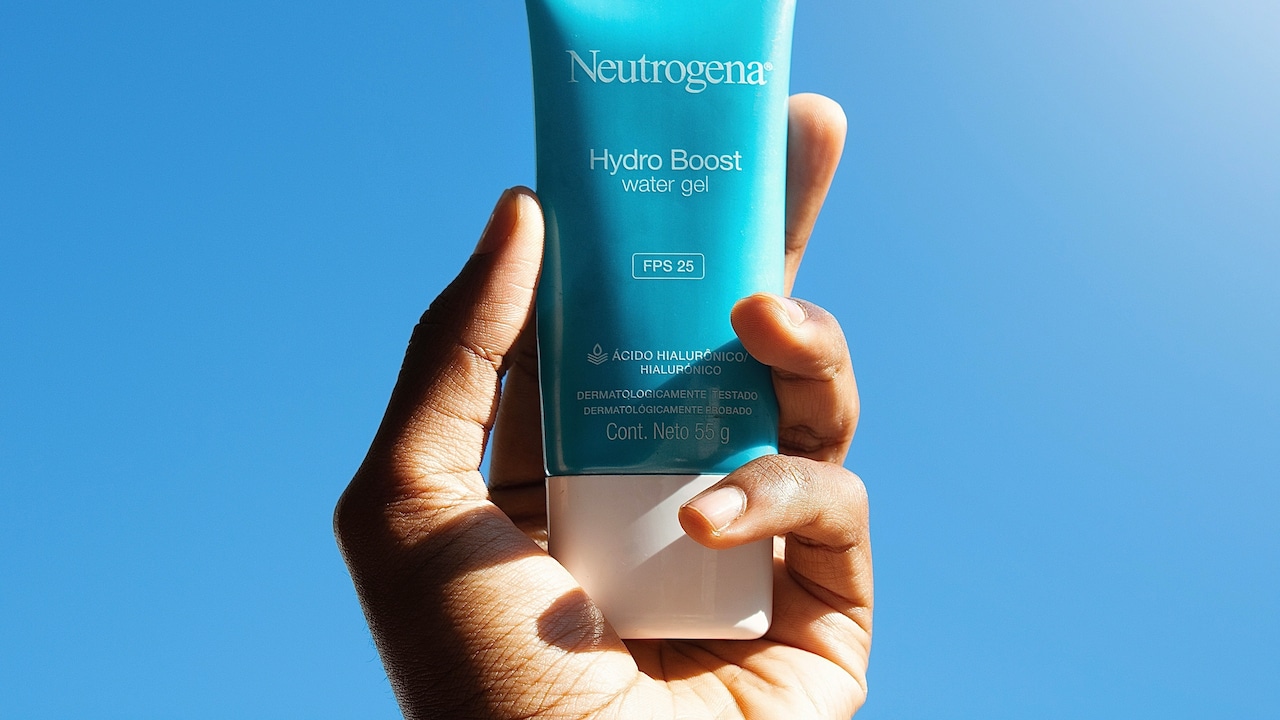
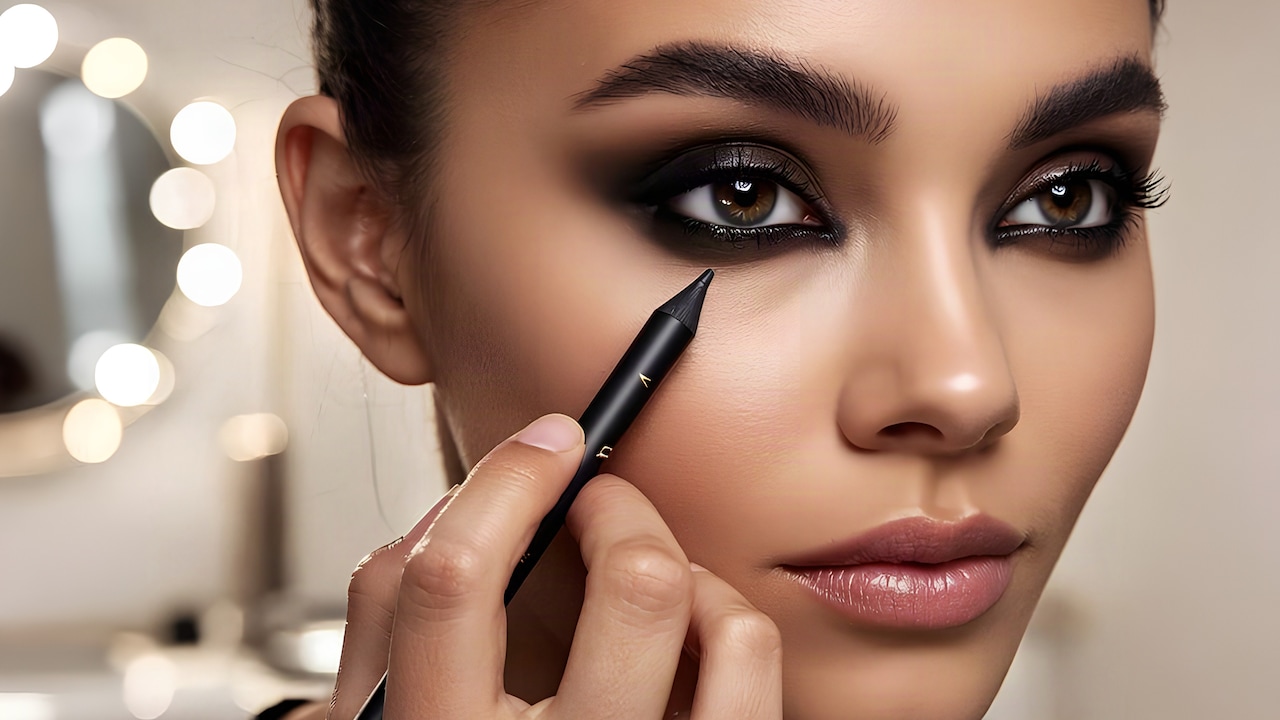
Why Non-Comedogenic Sunscreens Still Cause Acne and Breakouts; Photo Credit: Pexels
5. Layering Products the Wrong Way Causes Congestion
Skincare routines have grown longer over the years. Cleanser, toner, serum, moisturiser, sunscreen, makeup, each step adds value, but layering mistakes cause problems.
Applying sunscreen before moisturiser or piling too many products without giving them time to settle leads to pilling and uneven absorption. That residue then collects in pores. During humid days, this layered build-up mixes with sweat and pollution.
A simple rule helps: lighter textures first, heavier ones later. Allow each layer a minute to absorb. Sunscreen should form the final skincare layer before makeup. This small habit often reduces unexpected breakouts significantly.
6. Inadequate Cleansing Leaves Residue Behind
Sunscreen formulas resist water, sweat, and oil by design. That durability protects skin but also makes removal tricky. A quick face wash at night may not fully break down the product.
Leftover sunscreen builds up over time, even if skin looks clean on the surface. That residue clogs pores quietly, leading to dullness, blackheads, or inflamed acne days later.
Using an oil-based cleanser or micellar water before a regular face wash helps dissolve stubborn formulas. This two-step cleansing routine sounds indulgent but often costs less than repeated acne treatments, which can run into ₹1,000–₹2,000 over time.
7. Climate Plays a Bigger Role Than Expected
Hot, humid weather changes how sunscreen behaves. Products tested in controlled labs rarely account for crowded buses, outdoor markets, or long walks under blazing sun. Sweat dilutes sunscreen, while dust and pollution cling to it.
This environmental cocktail increases the risk of clogged pores, especially for oily or combination skin. Even a trusted product may feel heavier and greasier under such conditions.
Seasonal switching helps. Gel-based or water-light sunscreens suit humid months, while creamier formulas work better in cooler weather. Treat sunscreen like clothing; what works in December may feel unbearable in May.
Why Non-Comedogenic Sunscreens Still Cause Acne and Breakouts; Photo Credit: Pexels
8. Reapplication Mistakes Lead to Build-Up
Dermatologists recommend reapplying sunscreen every two to three hours. In practice, many people layer it over existing products without cleansing or blotting.
This repeated layering thickens the film on the skin. Each new layer traps sweat and oil underneath. Over the course of a day, pores suffocate under the build-up.
Blotting excess oil with tissue or gently wiping the face before reapplication reduces congestion. Spray or powder sunscreens also help for touch-ups, especially when on the move. These small tweaks maintain protection without overwhelming the skin.
9. Acne-Prone Skin Needs Targeted Ingredients
Not all non-comedogenic sunscreens cater to acne-prone skin. Some avoid pore-clogging oils but still lack calming or oil-regulating ingredients. Skin prone to breakouts benefits from formulas with niacinamide, green tea, or salicylic acid.
Without these, sunscreen may sit harmlessly on dry skin but aggravate oily areas. The result feels unfair, especially when the label promises safety.
Reading ingredient lists helps more than trusting marketing claims. A slightly higher price tag often reflects better formulation. Spending ₹600–₹900 on a suitable sunscreen can prevent repeated dermatologist visits that cost far more.
10. Expectations Sometimes Clash with Reality
Skincare marketing creates the illusion of universal solutions. In reality, skin responds emotionally and unpredictably. Stress, sleep patterns, diet, and hormones influence breakouts just as much as products do.
A breakout after using sunscreen does not always mean the product caused it. Coincidence plays a role, too. New routines, travel, or dietary changes often happen around the same time.
Keeping a simple skincare journal helps identify patterns. Over time, triggers become clearer. Sunscreen remains essential, but patience and observation make the relationship smoother and far less frustrating.
Products Related To This Article
1. Fixderma Sunscreen - SPF 30 PA+++ Shadow Sunscreen SPF 30 PA+++ A-Gel
2. UVSMART Sunscreen - SPF 50+ PA++++ Hydra Sunscreen Dermatologically Tested Non-Comedogenic
3. cureskin Sunscreen - SPF 30 PA+++ Broad Spectrum Mineral Day Cream Sun (UVA/UVB) Protection with Zinc Oxide
4. Kathiyawad Sunscreen - SPF 50 PA+++ ''SPF 50 Gel Sunscreen
5. KAYA Sunscreen - SPF 30 PA+++ Daily Moisturizing Sunscreen
Sunscreen does not deserve its bad reputation, but it does demand understanding. Non-comedogenic sunscreen labels reduce risk, yet they cannot account for every skin type, habit, or climate. Breakouts often arise from formulation choices, layering habits, cleansing routines, and environmental factors rather than a single flawed product.
The solution lies in listening to skin, adjusting textures with seasons, cleansing thoroughly, and choosing formulas that align with personal needs. Sunscreen protects against premature ageing, pigmentation, and serious skin damage. With a little experimentation and mindful use, it can do that job without triggering unwanted breakouts.
(Disclaimer: This article may include references to or features of products and services made available through affiliate marketing campaigns. NDTV Convergence Limited (“NDTV”) strives to maintain editorial independence while participating in such campaigns. NDTV does not assume responsibility for the performance or claims of any featured products or services.)