How Does A Pimple Patch Work? Here Is What That Tiny Sticker Actually Does
Wondering how a pimple patch works? Learn how these acne stickers absorb fluid, protect breakouts, and help pimples heal faster with fewer marks.
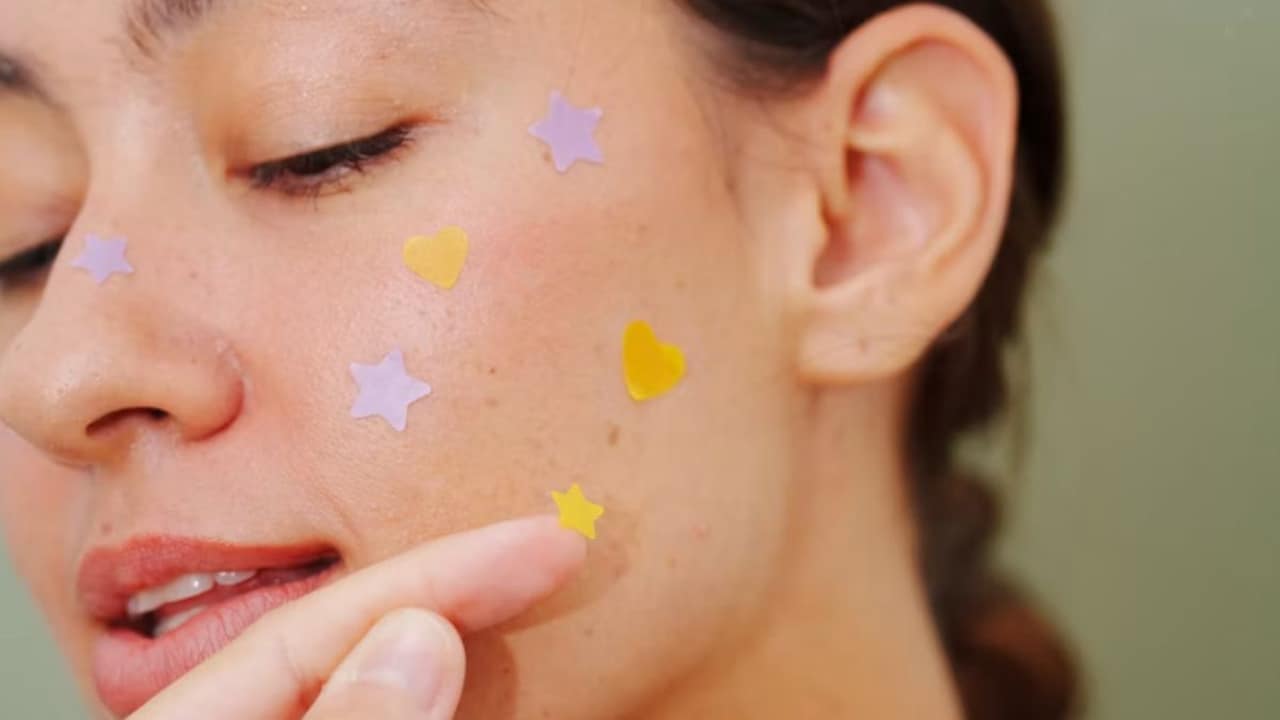
Pimple patches are designed to protect and support healing of surface-level breakouts.
A pimple has a habit of appearing when it's least welcome. It could be before a wedding, an office presentation, a family gathering, or simply on a day when your skin seemed perfectly fine. Most people react in a similar way. They head straight to a mirror, inspect the breakout from every angle, and promise themselves not to touch it. The promise often lasts only a few minutes.
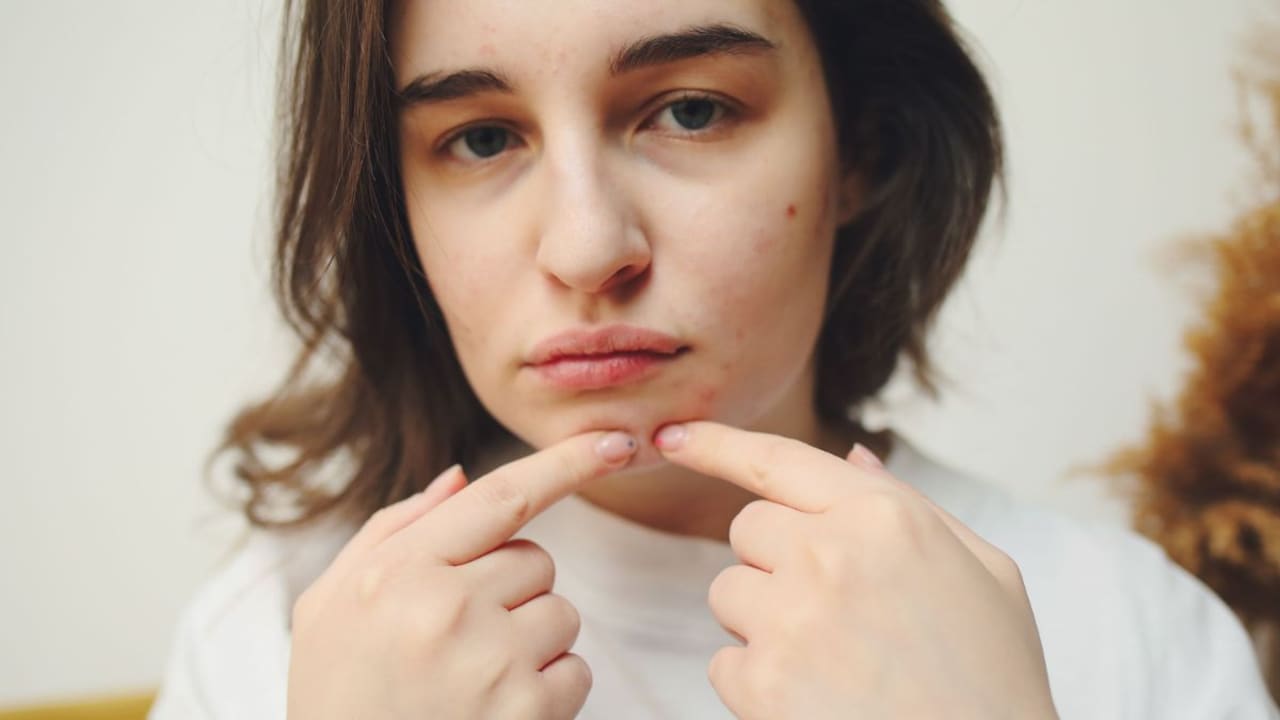
Pimple patches can help reduce the temptation to touch or pick at pimples
Photo Credit: Pexels
That urge to poke, squeeze, or repeatedly check a pimple is one reason pimple patches have become so popular. These small stickers have quietly become a staple in skincare routines, offering what seems like a very simple solution to a very common problem. Put one over the breakout, leave it alone for a few hours, and the pimple often looks less inflamed by the time the patch comes off.
Also Read: Should You Stock Up On Skincare During The Sale Season?
It may sound like skincare magic, but the science behind pimple patches is surprisingly straightforward.
What Is A Pimple Patch?
Most pimple patches are made from a material called hydrocolloid, which was originally developed for wound care. Doctors and healthcare professionals have used hydrocolloid dressings for years because they help protect injured skin while absorbing excess moisture. Skincare brands later adapted the same concept for acne.
When placed over a pimple, the patch creates a protective seal over the breakout. Instead of leaving the spot exposed to dirt, bacteria, makeup, and constant touching, the patch shields it from outside irritation. At the same time, it absorbs excess fluid from the blemish, helping create an environment where the skin can heal with fewer disruptions.
This is why pimple patches are often described as skincare products that work with the skin's natural healing process rather than aggressively forcing results.
Why Does The Patch Turn White?
Anyone who has used a pimple patch has probably noticed the same thing. After several hours, the clear sticker develops a white centre that wasn't there when it was first applied.
Many people assume this means the patch has pulled the entire pimple out. The reality is slightly less dramatic but still impressive.
The white appearance is usually caused by the hydrocolloid material absorbing fluid, oil, and pus from the breakout. As these substances collect inside the patch, the material swells and changes colour. This doesn't mean the pimple has disappeared completely, but it often indicates that excess moisture has been removed from the area.
For superficial pimples, particularly whiteheads, this process may help reduce the appearance of the blemish while keeping the skin protected.
The Benefit Most People Don't Talk About

Pimple patches work best on whiteheads and visible blemishes.
Photo Credit: Pexels
One of the biggest advantages of a pimple patch has very little to do with ingredients.
It stops people from picking their skin.
Dermatologists have long warned against squeezing or scratching pimples because doing so can increase inflammation, spread bacteria, and raise the risk of post-acne marks. Yet many people continue to do it, often without realising it. A hand wanders to the face during a work call, while scrolling through a phone, or while standing in front of a mirror.
A pimple patch creates a physical barrier that makes this habit much harder. In many cases, its greatest contribution is preventing users from interfering with the skin's own healing process.
Do Pimple Patches Work On Every Type Of Acne?
This is where expectations need to be realistic.
Pimple patches tend to work best on pimples that have reached the surface of the skin, particularly whiteheads that contain visible fluid. These are the types of blemishes hydrocolloid material can actually absorb from.
However, deeper forms of acne are different. Blind pimples, hormonal breakouts, cystic acne, and painful nodules develop beneath the skin's surface. Since there is little or no fluid available for the patch to absorb, results are often less noticeable.
That doesn't mean the patch is completely useless on deeper blemishes. It can still prevent touching and reduce irritation. However, it is unlikely to flatten a large cystic breakout overnight.
Why Do Some Pimple Patches Contain Active Ingredients?
As pimple patches have become more popular, brands have started adding skincare ingredients to enhance their performance.
Some patches contain salicylic acid, which helps unclog pores. Others include niacinamide for redness, tea tree extract for its soothing properties, or centella asiatica to support skin recovery.
These ingredients are designed to complement the hydrocolloid material rather than replace it. While they may provide additional benefits, a basic hydrocolloid patch can still be highly effective when used on the right type of pimple.
For many people, choosing between a simple patch and an ingredient-infused version comes down to individual skin needs rather than which product makes the boldest promises.
How To Use A Pimple Patch Correctly
Using a pimple patch is refreshingly uncomplicated. Start with clean, dry skin and place the patch directly over the blemish. Once applied, leave it undisturbed for several hours or overnight.
One common mistake is applying a patch on top of thick skincare products. Heavy moisturisers, oils, and certain treatments can prevent the adhesive from sticking properly. For best results, the patch should have direct contact with the skin.
When the patch turns opaque or becomes saturated, it can be removed and replaced with a fresh one if necessary.
Pimple patches have earned their popularity because they address a problem most people face: the temptation to interfere with a breakout. By absorbing excess fluid, protecting the skin from irritation, and discouraging picking, they can help certain types of pimples heal more efficiently.
They aren't miracle solutions, and they won't replace a consistent skincare routine. But for surface-level breakouts, they offer something many skincare products struggle to provide: a simple, low-effort way to let the skin recover with minimal interference. Sometimes, that's exactly what a pimple needs.
Top 10 Pimple Patches Available On Myntra
1. Sanfe Promise Face Acne Pimple Patch - 36 Pcs
2. PRIVEDA Spot Clearing Acne Pimple Patch - 57 Patches
3. deconstruct 2% Salicylic Acid Hydrocolloid Acne Pimple Patch
4. Beardhood Acne Pimple Patch 72 Hydrocolloid Waterproof Patches for Active Surface Acne
5. lorshel Set Of 40 Pimple Patch With Tea Tree
6. Bio Mystery Acne Pimple Patch - 108 Patch
7. PEESAFE FURR Set of 60 Pimple Patches
8. Voiish Acne Pimple Patches - 72Pcs
9. GETX Waterproof Acne Pimple Patches - 36 Patches
10. Makeup By Siti Acne Pimple Patch With Salicylic Acid - 12Pcs
Frequently Asked Questions (FAQs)
1. What does a pimple patch do?
A pimple patch covers a breakout, absorbs excess fluid, and helps protect the area from dirt, bacteria, and picking.
2. Do pimple patches work on all types of acne?
Pimple patches are generally most effective on whiteheads and surface-level pimples. They may be less effective on deep cystic acne.
3. How long should a pimple patch stay on?
Most pimple patches can be worn for several hours or overnight, depending on the product instructions.
4. Can I wear a pimple patch during the day?
Yes. Many modern pimple patches are thin and discreet enough to wear during daily activities.
5. Should I apply skincare products before a pimple patch?
For best results, apply the patch to clean, dry skin so it adheres properly and works effectively.
(Disclaimer: This article may include references to or features of products and services made available through affiliate marketing campaigns. NDTV Convergence Limited (“NDTV”) strives to maintain editorial independence while participating in such campaigns. NDTV does not assume responsibility for the performance or claims of any featured products or services.)