Why Does Straightened Hair Puff Up Again In The Rain
Wondering why straightened hair puffs up again in the rain? Learn how humidity affects your hair and which styling steps can help keep it smooth.
Why Does Straightened Hair Puff Up Again In The Rain
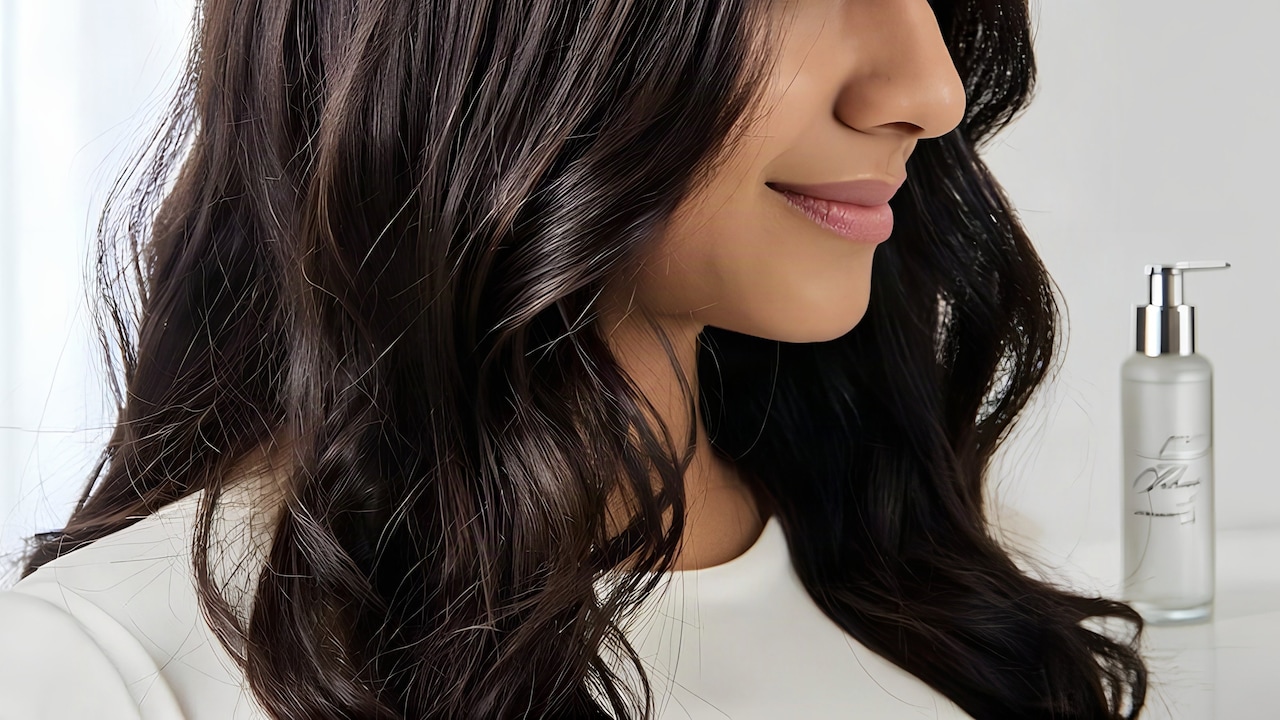
Nothing ruins the satisfaction of freshly straightened hair quite like stepping outside during a rainy day and watching the smooth finish slowly turn puffy. You spend time drying, brushing and straightening every section, only for the damp air to bring back waves, flyaways and frizz before you've even reached your destination. If this experience sounds familiar, you're certainly not alone, especially during India's humid monsoon months.
Common Mistakes People Make When Straightening Hair In Rainy Weather
The problem isn't necessarily your straightener or the way you've styled your hair. Humidity changes how your hair behaves because moisture in the air can affect the temporary bonds responsible for your straightened shape. This is why even beautifully polished hair can start expanding when exposed to humid conditions.
So, why does straightened hair puff up again in the rain, and what can you actually do about it? From preparing your hair before heat styling to choosing the right anti-frizz serum, here's how to keep your sleek look smoother for longer.
Why Does Straightened Hair Puff Up Again In The Rain?
Rainy weather creates the perfect conditions for frizz because the air contains more moisture. Hair naturally interacts with water, and when humid air reaches the strands, it can disrupt the temporary hydrogen bonds that help hold hair in a particular shape. Once those bonds are affected, your hair can gradually move back towards its natural texture.
This is particularly noticeable if your hair is naturally wavy, curly, dry or porous. Straightening temporarily changes the shape of the strands through heat and tension, but it doesn't permanently alter the hair's natural structure. Add sweat, rain droplets and humidity to the mix, and that smooth finish can quickly become difficult to maintain.
That explains the classic monsoon situation: your hair looks perfectly straight inside your home, but the moment you walk outdoors, the lengths begin to swell and individual strands start sticking out. The answer isn't necessarily more heat; it's better preparation and protection.
How To Stop Straightened Hair From Puffing Up In Rain
Getting a smoother finish in humid weather starts before you switch on your straightener. A few changes to your routine can make your hair easier to manage and reduce the amount of frizz you see after stepping outside.
Step 1: Start With Properly Conditioned Hair
Use conditioner on your mid-lengths and ends after shampooing to help keep dry hair feeling smoother. Gently squeeze out excess water and avoid rough towel rubbing, which can increase friction and leave the surface looking frizzy.
Step 2: Apply Heat Protection Before Styling
If you're using a straightener or hair dryer, apply a heat-protection product according to its directions before styling. This helps reduce heat exposure while preparing the strands for a smoother finish without relying on repeated passes.
Step 3: Straighten Completely Dry Hair In Sections
Never rush through damp sections with a straightener. Divide completely dry hair into manageable sections and move the tool steadily from roots to ends, avoiding repeated passes over the same area.
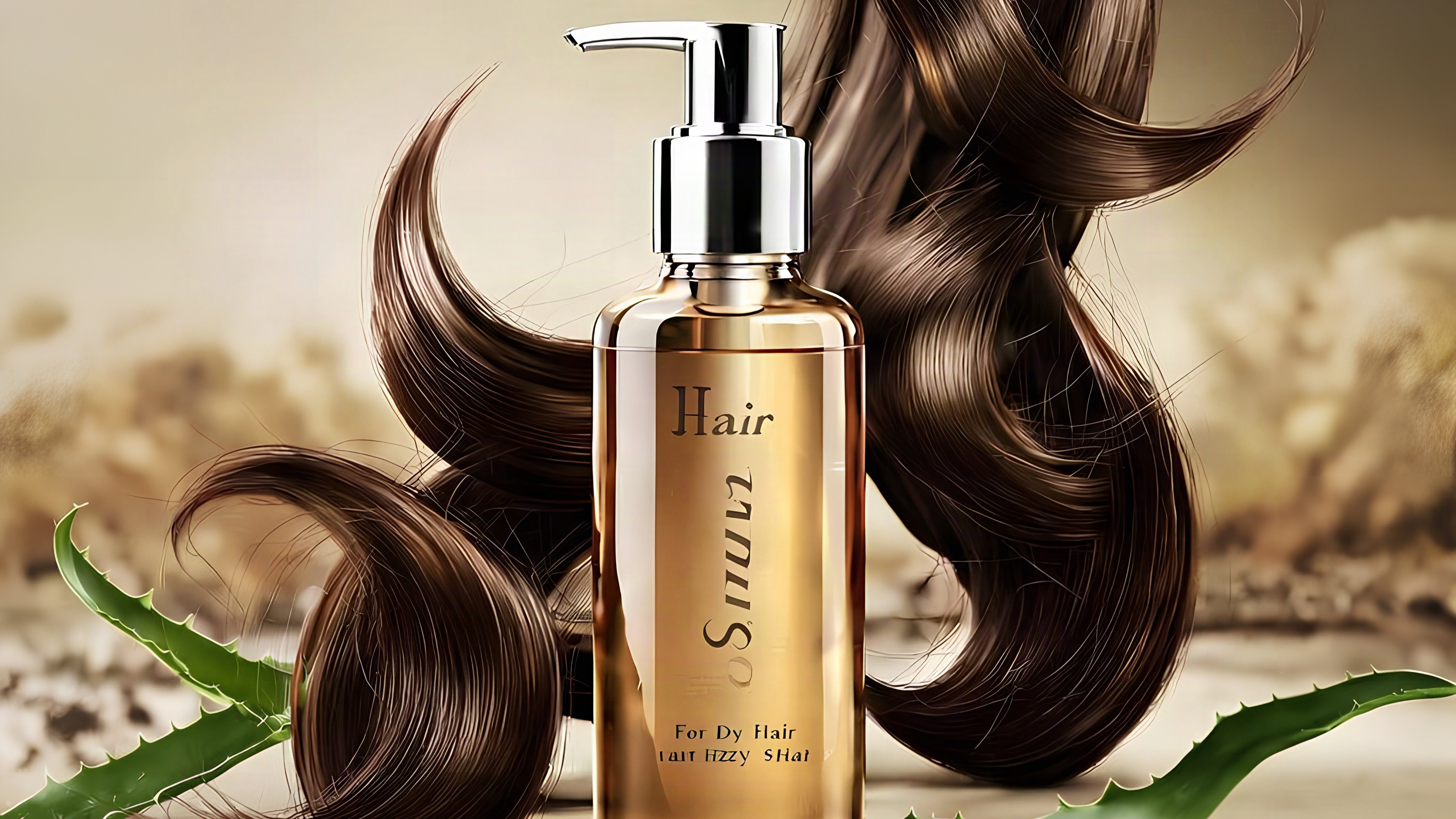
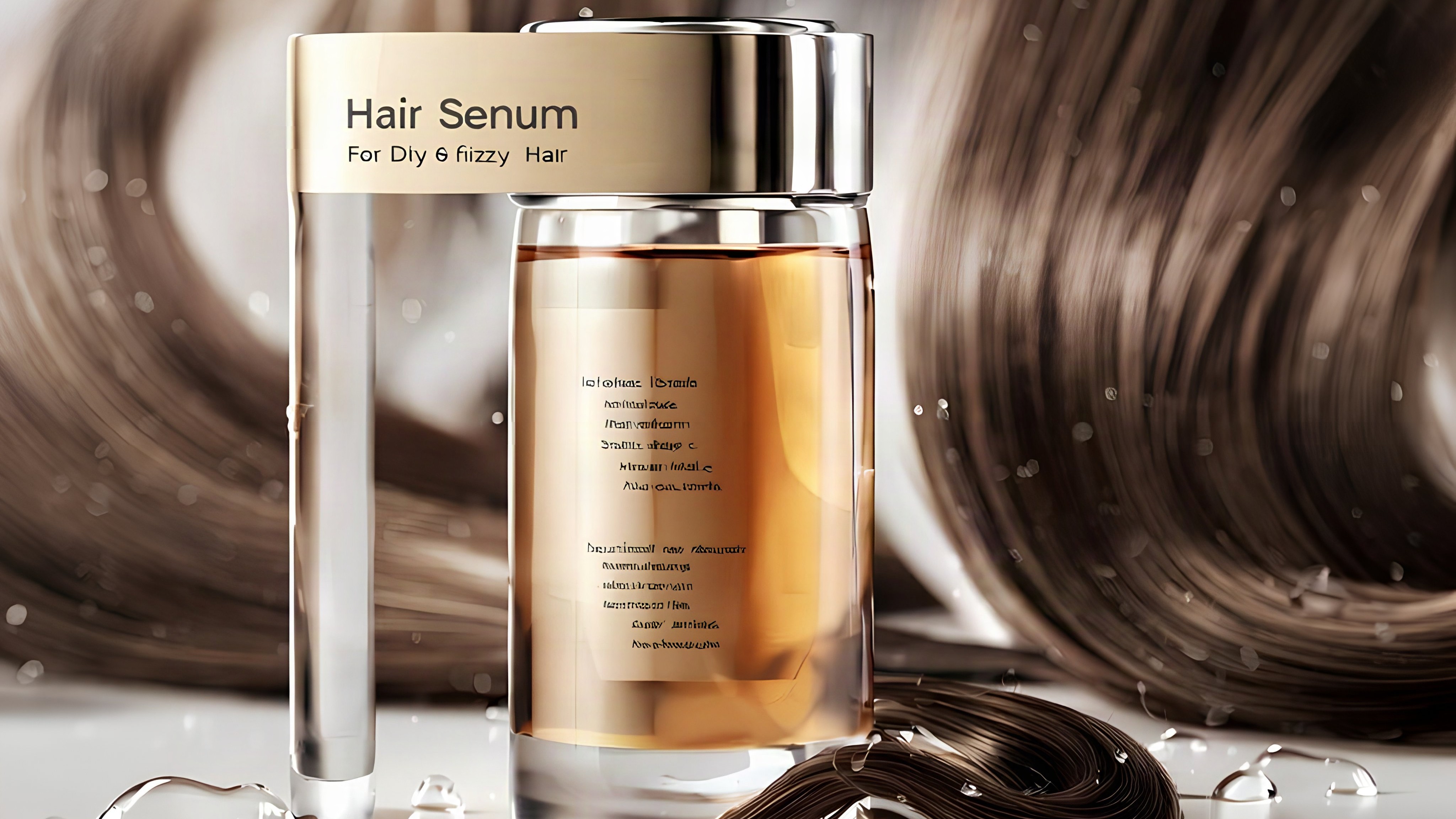
Step 4: Finish With A Lightweight Anti-Frizz Serum
Once you've finished straightening, use a small amount of anti-frizz serum through the mid-lengths and ends. Concentrating too much product near the roots can make hair appear greasy or weighed down.
Step 5: Keep Direct Rain Away From Your Hair
No serum can make a straightened hairstyle completely waterproof, so physical protection still matters. Carry an umbrella, keep your hair covered during heavy showers and avoid brushing wet sections repeatedly after exposure.
Common Mistakes People Make When Straightening Hair In Rainy Weather
Humidity may be unavoidable, but several styling habits can make the puffiness worse. Before blaming the weather completely, check whether you're making any of these common mistakes.
1. Straightening Hair While It Is Still Damp
Using a straightener on damp hair can expose the strands to unnecessary heat and may cause damage. Always make sure your hair is fully dry before using a flat iron.
2. Applying Too Much Serum
It can be tempting to add extra serum when the weather is humid, but more isn't automatically better. Too much product may leave the lengths greasy, heavy or stringy, particularly if your hair is fine.
3. Repeatedly Running The Straightener Over One Section
Going over the same section again and again doesn't necessarily create a longer-lasting finish. It can instead increase heat exposure, so work in smaller sections and use controlled passes.
4. Leaving Hair Completely Exposed To Rain
Even a strong anti-frizz routine has limits. Direct rain introduces considerably more moisture than humid air alone, so covering your hair with an umbrella is still one of the simplest ways to protect your styling.
5. Brushing Hair Repeatedly After It Gets Damp
Once your hair has been exposed to moisture, repeatedly brushing it can disturb the strands and increase friction. Let it dry as naturally as possible before gently smoothing the affected areas.
Keep Direct Rain Away From Your Hair
Photo Credit: iStock
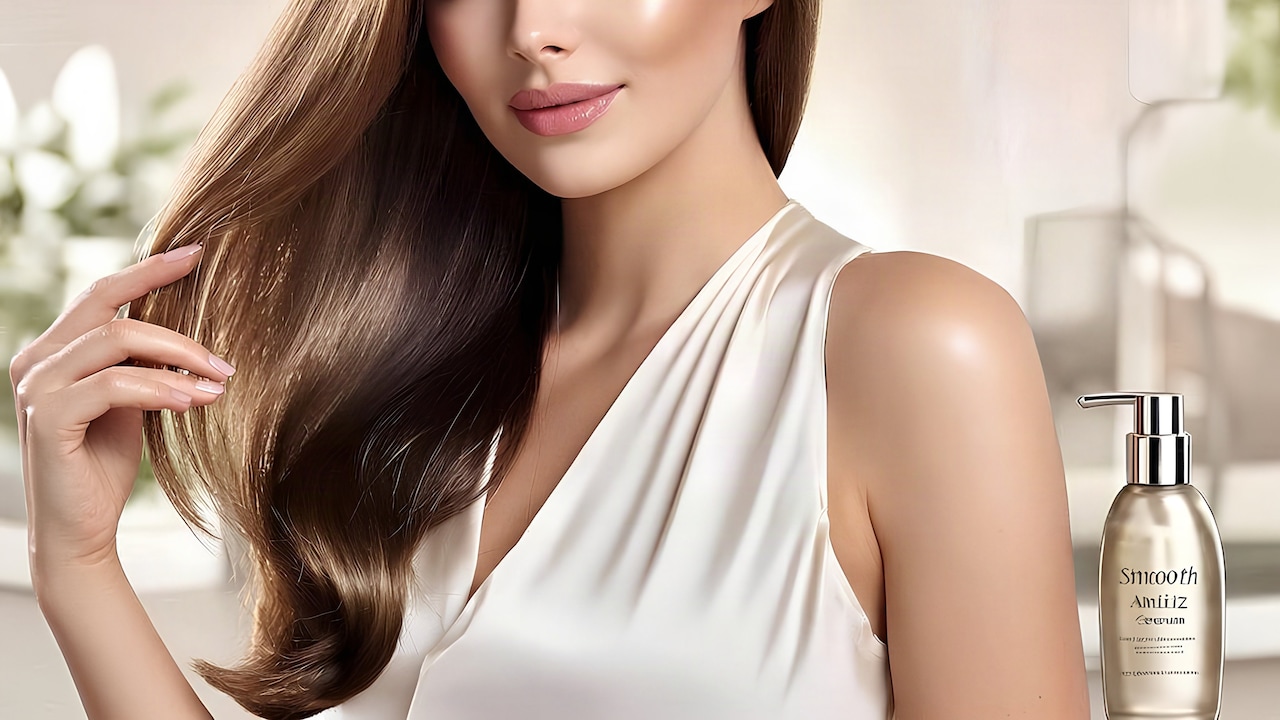
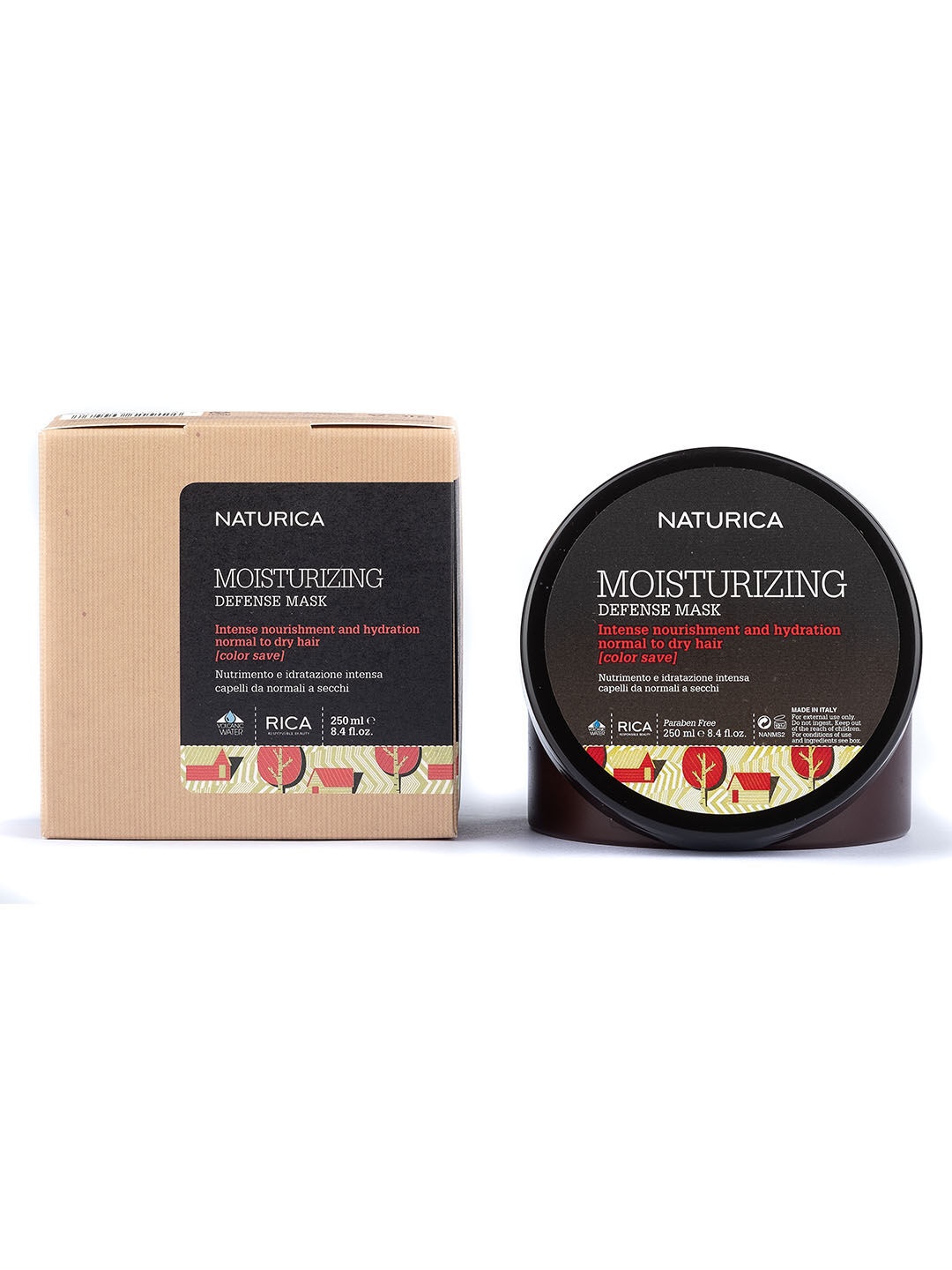
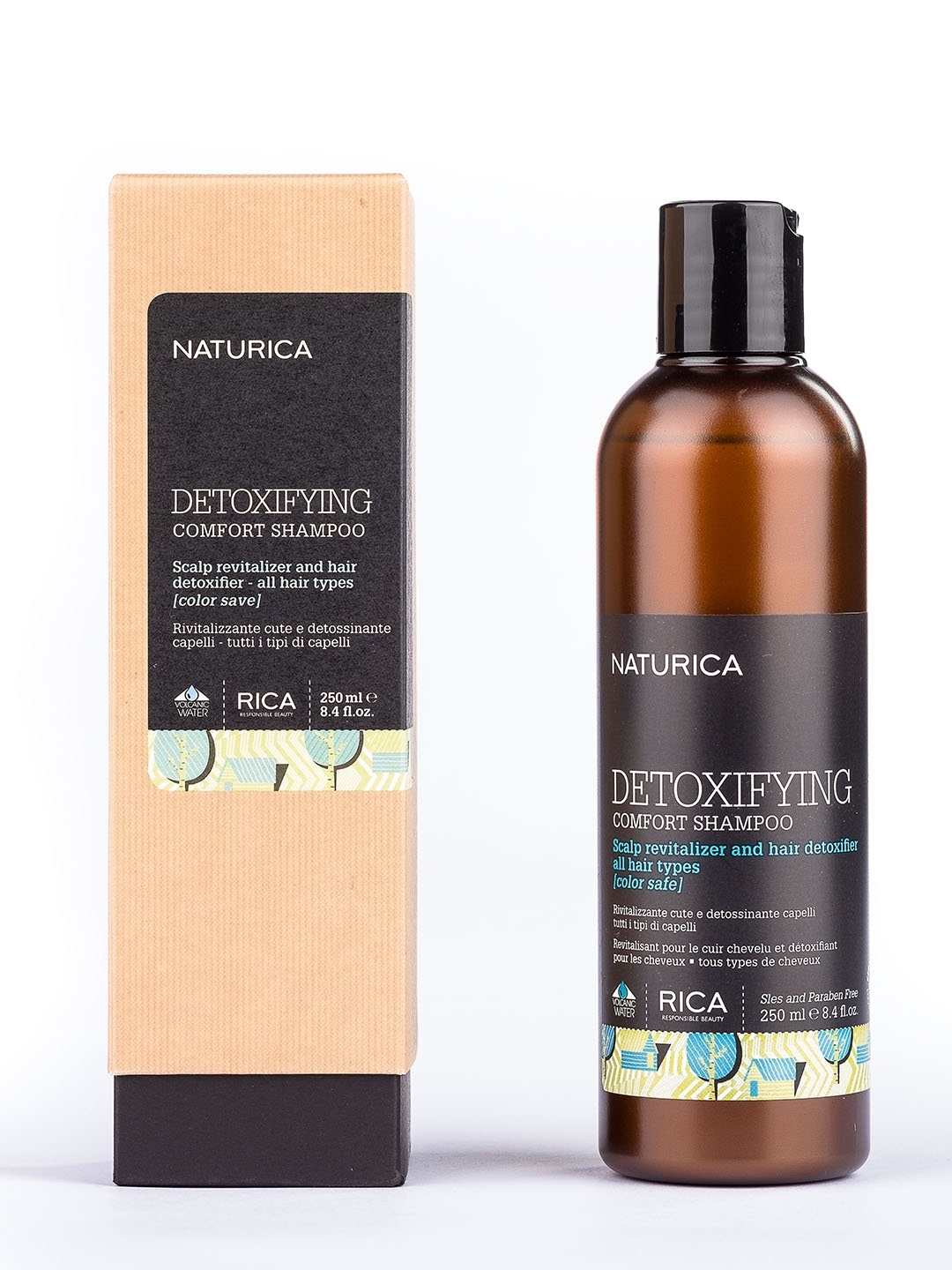
Some Anti-Frizz Hair Products You May Like
1. MATRIX Mega Smooth Shampoo and Conditioner Combo
2. L'Oreal Paris Extraordinary Oil Hair Serum Powered by Floral Oils
3. Streax Professional Vitariche Gloss Hair Serum
4. Bare Anatomy Anti-Frizz Leave-In Conditioner
5. Re'equil Anti-Frizz & Smoothening Hair Conditioner with Babassu Oil
6. Moxie Beauty Frizz-Fighting Hair Serum
7. Minimalist Hair Serum for Dry Frizzy Hair with SPF 30
8. Livon Hair Serum, For Dry & Frizzy Hair
How To Keep Straightened Hair Smoother During The Monsoon
Keeping straightened hair sleek during India's rainy season isn't about trying to make your hair completely immune to moisture. That's simply not realistic. Instead, the aim is to reduce the amount of frizz and swelling while protecting the finish you've created.
Start with well-conditioned hair, dry it thoroughly and use heat protection before reaching for your styling tool. Once the hair is straightened, a small amount of suitable serum can help smooth the lengths and add shine. Most importantly, protect your finished hairstyle from direct rain whenever possible.
The right product can make the routine easier, but application matters just as much. If you're ready to update your monsoon haircare routine, explore the available anti-frizz serums on Amazon and choose one that matches your hair type, texture and styling needs.
Frequently Asked Questions (FAQs)
1. Why does straightened hair puff up in the rain?
Moisture in humid air can affect the temporary bonds that help hold straightened hair in place. As those bonds change, the hair can begin to return to its natural texture.
2. Can humidity completely undo straightened hair?
Humidity can make a temporarily straightened style lose its smooth appearance, particularly if your natural hair is wavy or curly. Direct exposure to rain can make the effect even more noticeable.
3. Should I use serum before or after straightening?
It depends on the product. If the serum specifically offers heat protection and its directions allow use before heat styling, apply it beforehand; otherwise, use an anti-frizz serum after styling.
4. Can anti-frizz serum stop hair from becoming puffy?
An anti-frizz serum can help smooth the hair and reduce the visible appearance of frizz, but it cannot completely prevent moisture from changing a temporarily straightened style.
5. How can I protect straightened hair during the monsoon?
Use suitable heat protection, finish with a lightweight anti-frizz product and keep your hair covered from direct rain. An umbrella remains one of the simplest ways to protect your hairstyle..
(Disclaimer: This article may include references to or features of products and services made available through affiliate marketing campaigns. NDTV Convergence Limited (“NDTV”) strives to maintain editorial independence while participating in such campaigns. NDTV does not assume responsibility for the performance or claims of any featured products or services.)