Cream Vs Powder Blush: Which Suits Oily Monsoon Skin
Confused between cream vs powder blush for oily monsoon skin? Compare finishes, textures and staying power to find the right formula for humid Indian weather.
Cream Vs Powder Blush: Which Suits Oily Monsoon Skin
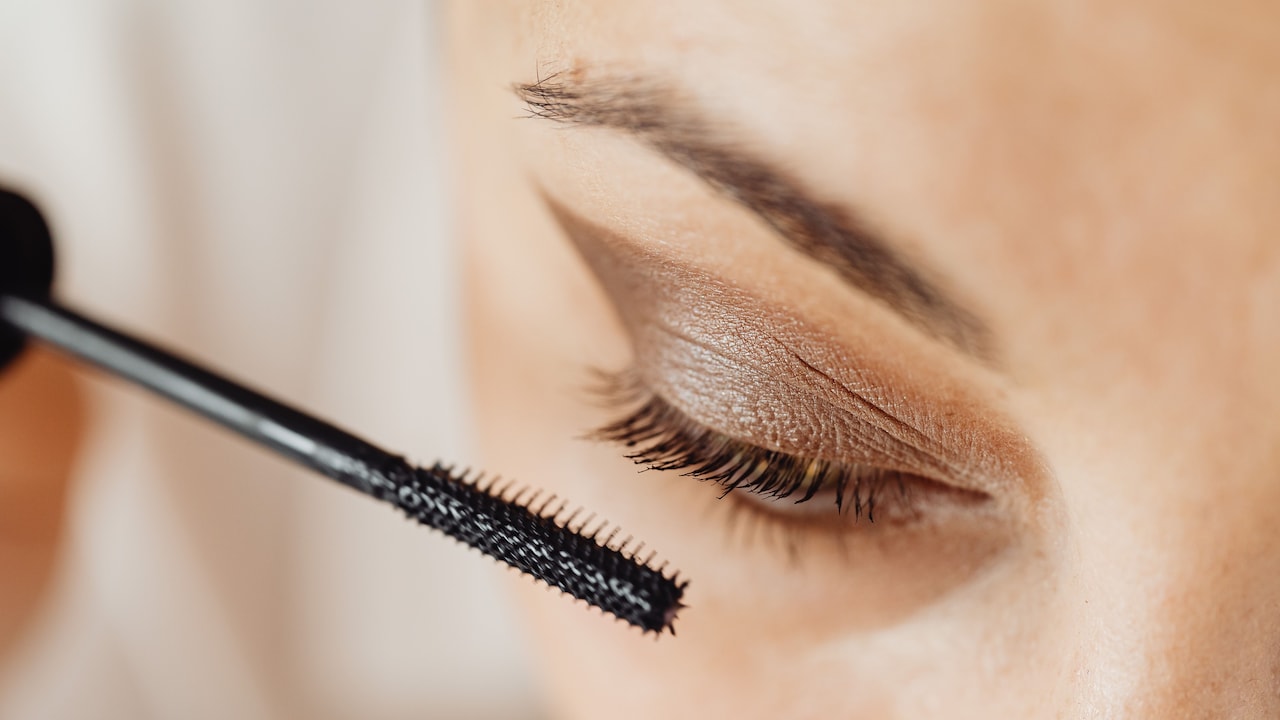
Nothing ruins a carefully done makeup look faster than stepping outside into sticky monsoon air and watching your blush fade, move or turn overly shiny. If you have oily skin, the problem can feel even more frustrating, as heat, humidity and excess sebum can all affect how makeup sits on your cheeks.
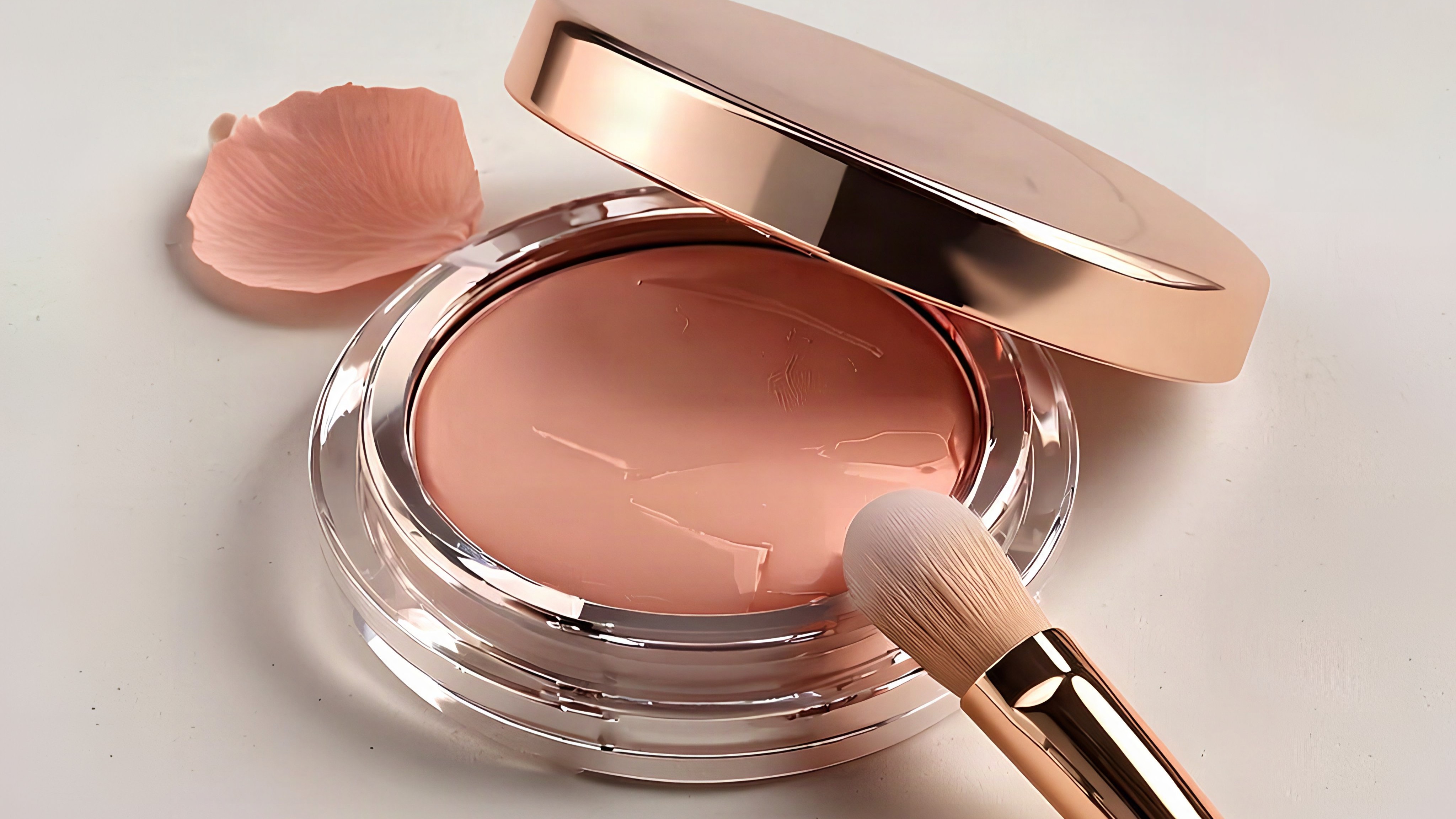
That's where the cream vs powder blush debate becomes interesting. Cream blush gives that fresh, skin-like flush many people love, while powder blush can offer a more polished finish and better control over shine. But does that automatically make powder the better choice for oily skin?
How To Choose Between Cream And Powder Blush For Monsoon
Photo Credit: iStock
Not necessarily. Your skin type, the finish you prefer and how you apply the product all matter. So, before you pick your next blush on Myntra, let's look at how both formulas perform during the Indian monsoon and which one makes more sense for your routine.
Why Does Monsoon Weather Affect Blush On Oily Skin?
Humidity can make makeup behave very differently from how it does in cooler, drier weather. When the air feels damp and your skin is producing more sweat and oil, products can lose their fresh appearance sooner. Blush may begin to look uneven, fade from some areas or blend into the foundation underneath.
This doesn't mean your makeup is necessarily “melting” in a literal sense. Instead, sweat, sebum, rubbing and moisture can gradually disturb the makeup layers sitting on your skin. That's why a blush that looks perfect when you leave home may not look quite as neat after a long commute or several hours outdoors.
Your base also matters. If you already use a lightweight foundation and set the oilier parts of your face, a powder blush can sit neatly on top. A cream blush, meanwhile, can give a more natural finish but may need a little more care if your skin becomes very oily during the day.
Myntra itself describes pressed powder blush as a classic option for a polished finish and recommends powder formulas for people who prefer a matte look or have oily skin.
How To Choose Between Cream And Powder Blush For Monsoon
Choosing between the two isn't really about following a strict beauty rule. Instead, think about what happens to your skin after three or four hours of wearing makeup.
Step 1: Start With Your Skin Type
If your cheeks become noticeably oily during the day, powder blush is usually easier to manage. Combination skin gives you more flexibility, while cream blush can be particularly appealing if you prefer a fresh, moisturised finish and don't struggle with excess oil.
Step 2: Think About The Finish You Want
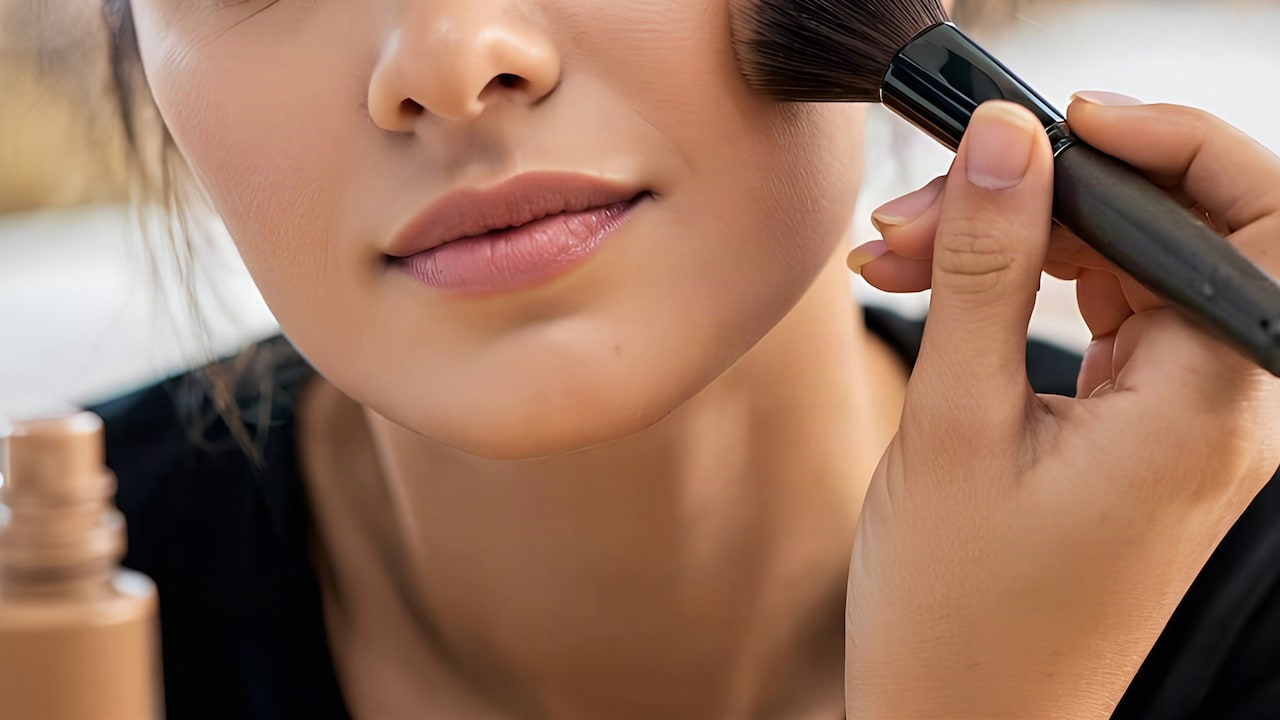
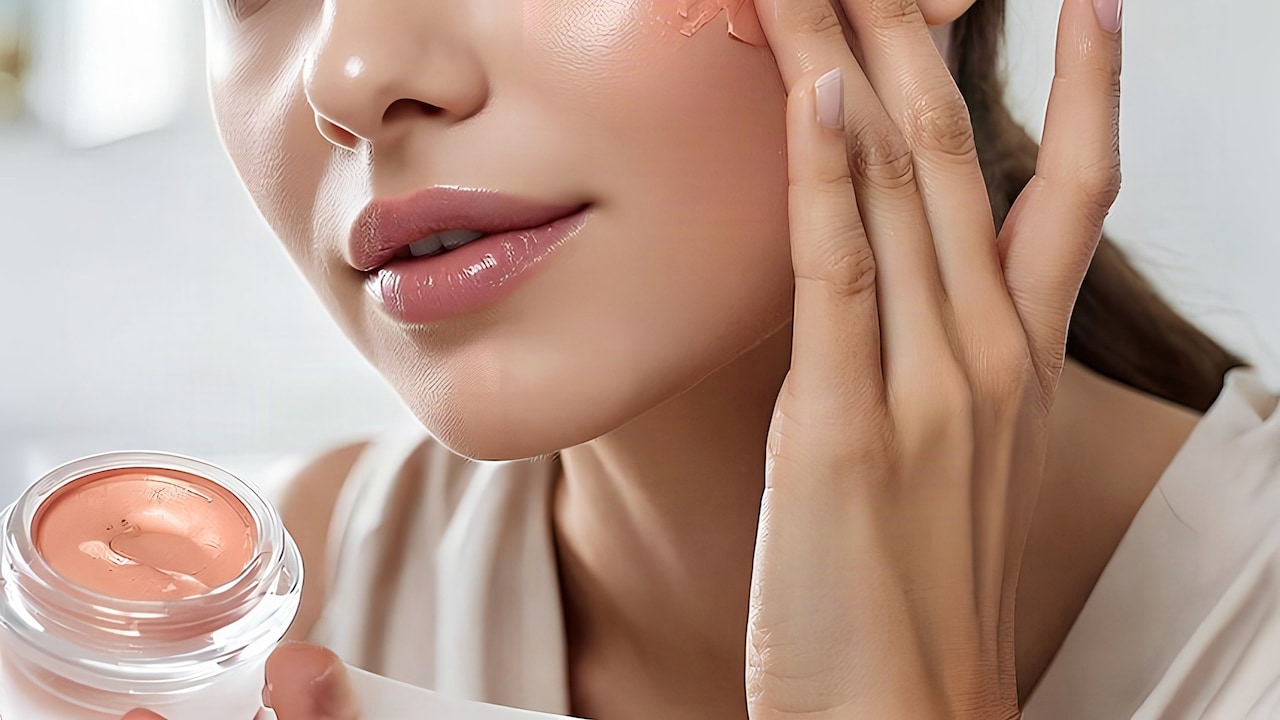
Cream blush generally gives a softer, more skin-like appearance, while powder blush can provide anything from matte to luminous finishes. For monsoon days, a matte or satin powder can help keep the cheeks looking controlled rather than overly shiny.
Step 3: Check The Formula And Texture
A lightweight texture is useful when the weather feels hot and humid because you don't want several heavy layers sitting on your face. Maybelline's Fit Me Mono Blush, for example, is listed on Myntra as a lightweight pressed powder with a matte finish and 16-hour wear claim.
Step 4: Consider How You Apply It
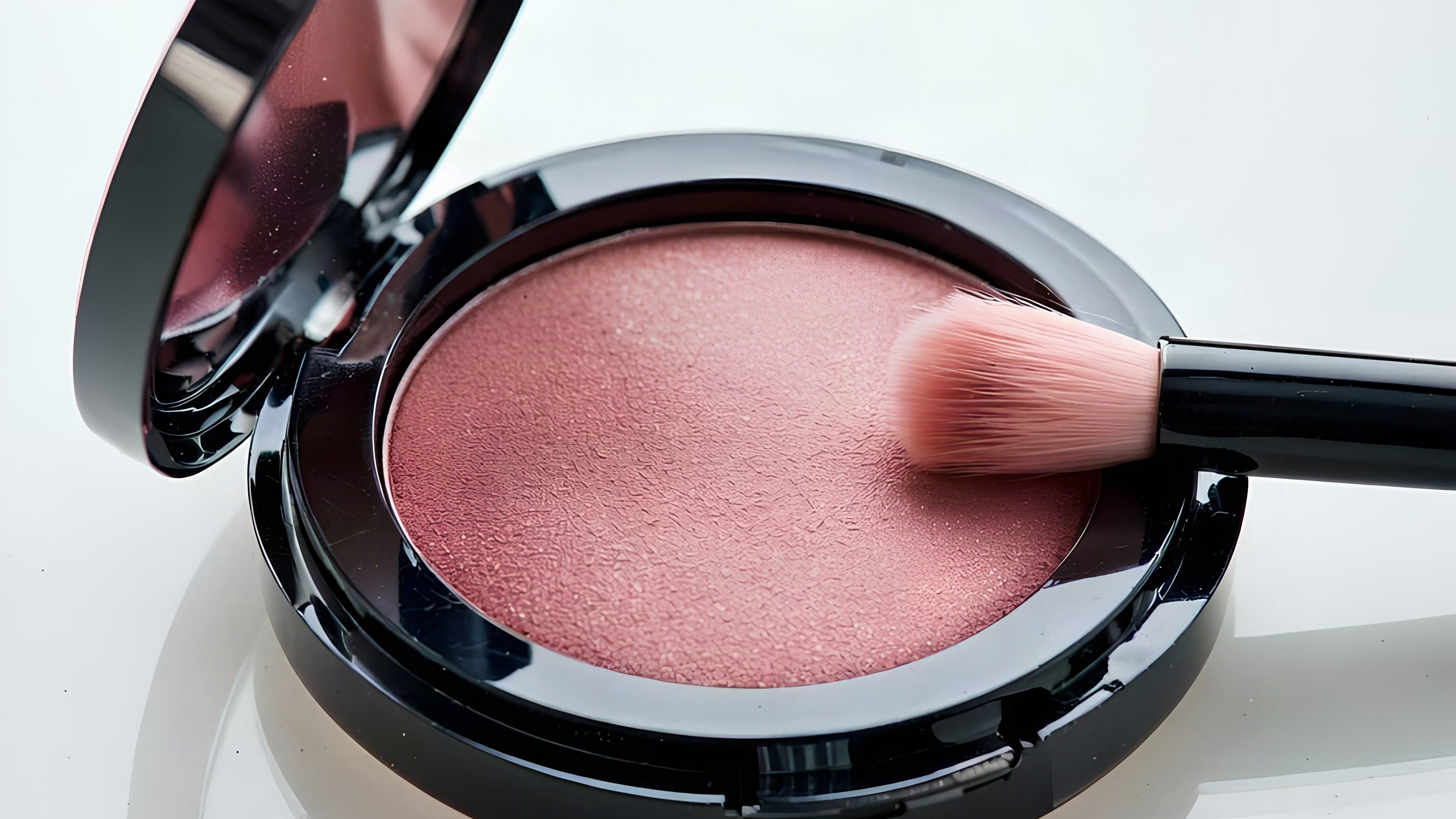
Cream blush usually works best when you start with a tiny amount and blend it before adding more. Powder blush gives you similar control when you pick up a small amount with a fluffy brush, tap off the excess and build the colour slowly.
Step 5: Think About Your Whole Makeup Routine
Don't choose your blush in isolation. If you're already using a dewy foundation, a cream blush can make the overall look even more radiant. If your base is matte and set with powder, a pressed powder blush can blend into it more naturally.
Also Read: Top 5 Makeup Essentials That Every Beginner Needs
Common Blush Mistakes People Make During Monsoon
Even a good blush can disappoint when the application isn't suited to humid weather. A few small changes can make your makeup look much more balanced.
1. Applying Too Much Cream Blush
Cream formulas are often highly blendable, so you don't need a large amount to achieve visible colour. Starting with a tiny dot or light layer gives you more control and reduces the chance of an overly wet finish.
2. Choosing A Very Dewy Finish For Already Oily Skin
A dewy blush can look beautiful indoors, but if your skin naturally becomes shiny, adding a very glossy finish may make the cheeks look oilier later. A soft matte or satin option can provide colour without adding too much shine.
3. Rubbing Instead Of Blending
Repeatedly rubbing the cheeks can disturb the foundation underneath, especially when you're working with a liquid or cream blush. Press, tap or blend gently so the colour merges with your base instead of lifting it.
4. Ignoring The Base Underneath
Blush doesn't work alone. If your foundation is slipping because of excess skincare, sweat or oil, the blush will struggle too. Let your base settle before applying colour to your cheeks.
How To Choose Between Cream And Powder Blush
Photo Credit: iStock
Some Blush Products You May Like
1. Daily Life Forever52 Flourish Cream Blush - 18 ml - FCB002
2. Dream Beauty Nebula Blush Natural Flush Cream Blush - Lagoon Pink
3. VBA Heart-Shaped Matte Cream Blush - 10 g
4. Simply Nam Velvet Cream Magic Blush with Sweet Almond Oil – Partner In Crime
5. Renee You Are Blushing Powder Blush - 5.5 g-Pink Whisper
6. Lakme Face It Lightweight Powder Blush With Jojoba Oil & Vitamin E 4g - Peppy Peach B4
7. ORGANIC HERBS Buttermelt Powder Blush - 5 g
8. Makeup Revolution London Beam Bright Silky Powder Blush 2.8g - Peach Pop
When it comes to oily skin during the monsoon, powder blush generally has the upper hand because it helps absorb excess oil and stays in place longer without feeling sticky. However, cream blush is not completely off the table, especially if you prefer a natural, dewy finish and use a mattifying base underneath. The best choice depends on your skin type, makeup preference, and how humid your surroundings are. For most oily-skinned users, a lightweight powder blush offers better longevity and shine control, making it the more reliable option for fresh, fuss-free monsoon makeup.
Frequently Asked Questions (FAQs)
1. Is cream or powder blush better for oily skin during the monsoon?
Powder blush is generally the easier option for oily skin because it can give a more controlled finish. However, a lightweight matte liquid or cream formula can also work when applied sparingly.
2. Can oily skin wear cream blush?
Yes. Choose a lightweight formula, apply a small amount and avoid putting it over a very slippery base. Setting the surrounding areas can also help control shine.
3. Does powder blush last longer than cream blush?
Powder blush can be easier to maintain on oily skin, particularly in humid weather. However, longevity depends on the specific formula, your base, skin type and how much you apply.
4. Can I apply powder blush over cream blush?
Yes. A thin layer of cream or liquid blush, followed by a small amount of powder blush, can help build colour and improve wear. Avoid applying heavy layers of both.
5. What blush finish is best for oily monsoon skin?
Matte or satin finishes are generally easier to manage if your skin becomes shiny quickly. If you prefer glow, look for a controlled luminous finish rather than an extremely wet-looking formula. .
(Disclaimer: This article may include references to or features of products and services made available through affiliate marketing campaigns. NDTV Convergence Limited (“NDTV”) strives to maintain editorial independence while participating in such campaigns. NDTV does not assume responsibility for the performance or claims of any featured products or services.)