Why Does My Hair Frizz The Moment I Step Into The Rain
Wondering why your hair frizzes the moment you step into the rain? Learn how humidity affects your hair and discover simple ways to keep frizz under control.
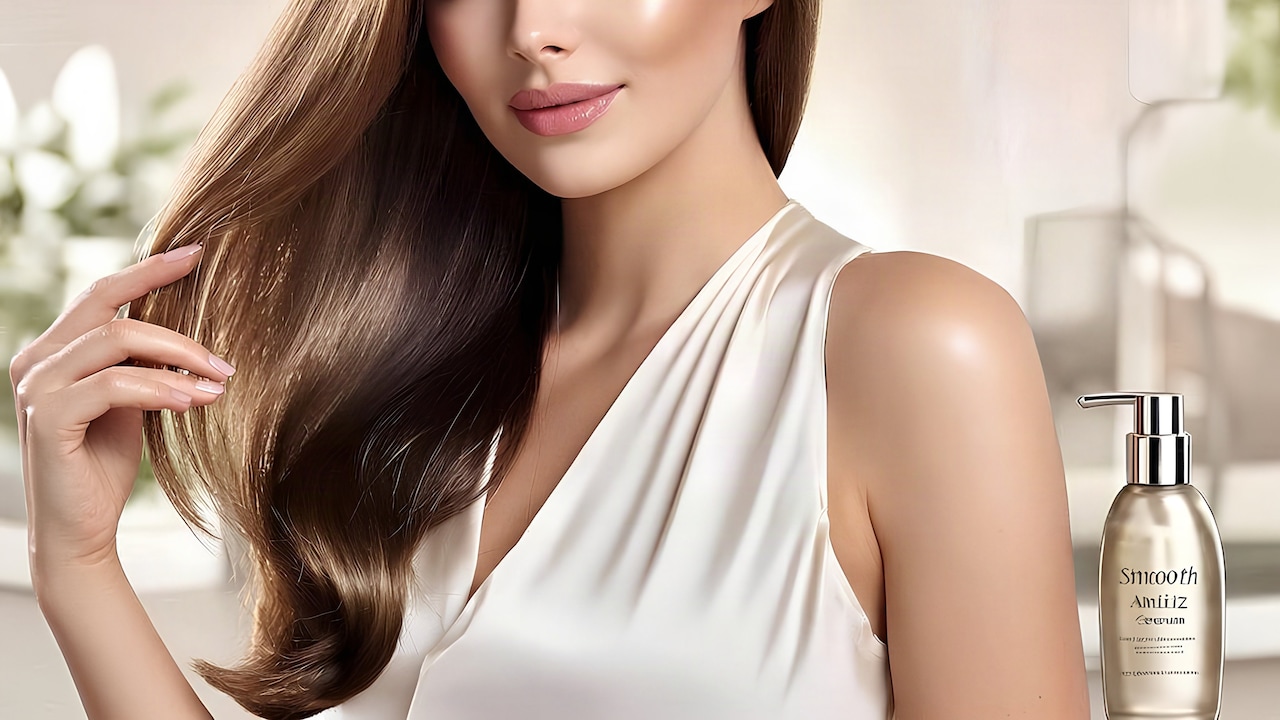
Why Does My Hair Frizz The Moment I Step Into The Rain
You spend ages washing, drying, and styling your hair, only for one rainy commute to entirely ruin the finish. The smooth lengths suddenly look puffy, flyaways appear everywhere, and those neat ends seem to have developed a personality of their own. If this happens every monsoon, you're definitely not imagining it. The real problem usually starts with humidity, not the raindrops themselves. Hair can absorb moisture from the surrounding air, changing the way individual fibres behave and making carefully styled hair lose its shape. So, why does your hair frizz the moment you step into the rain? From understanding what humidity does to your strands to choosing the right products, here's how to keep rainy-day frizz under control.
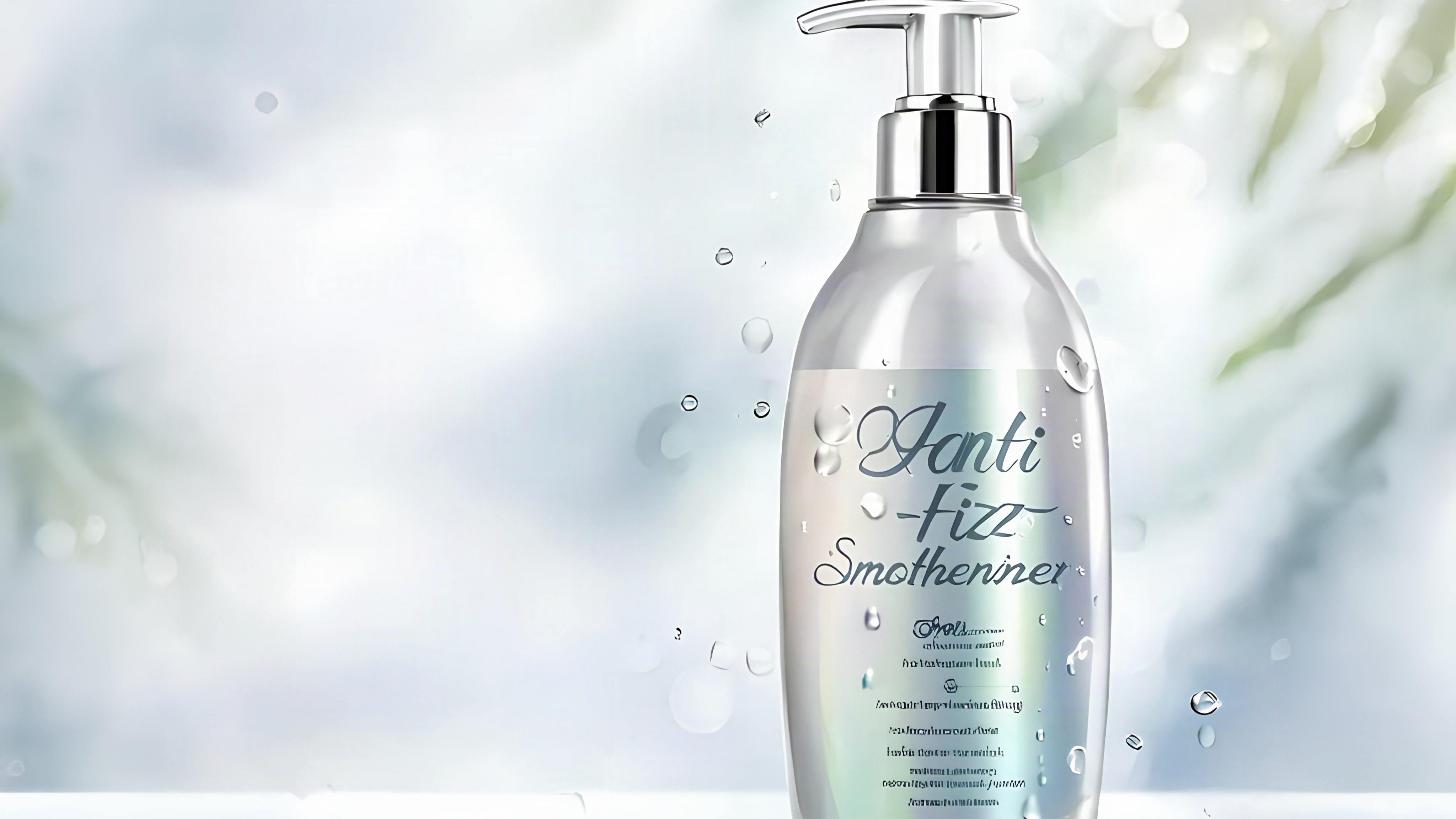
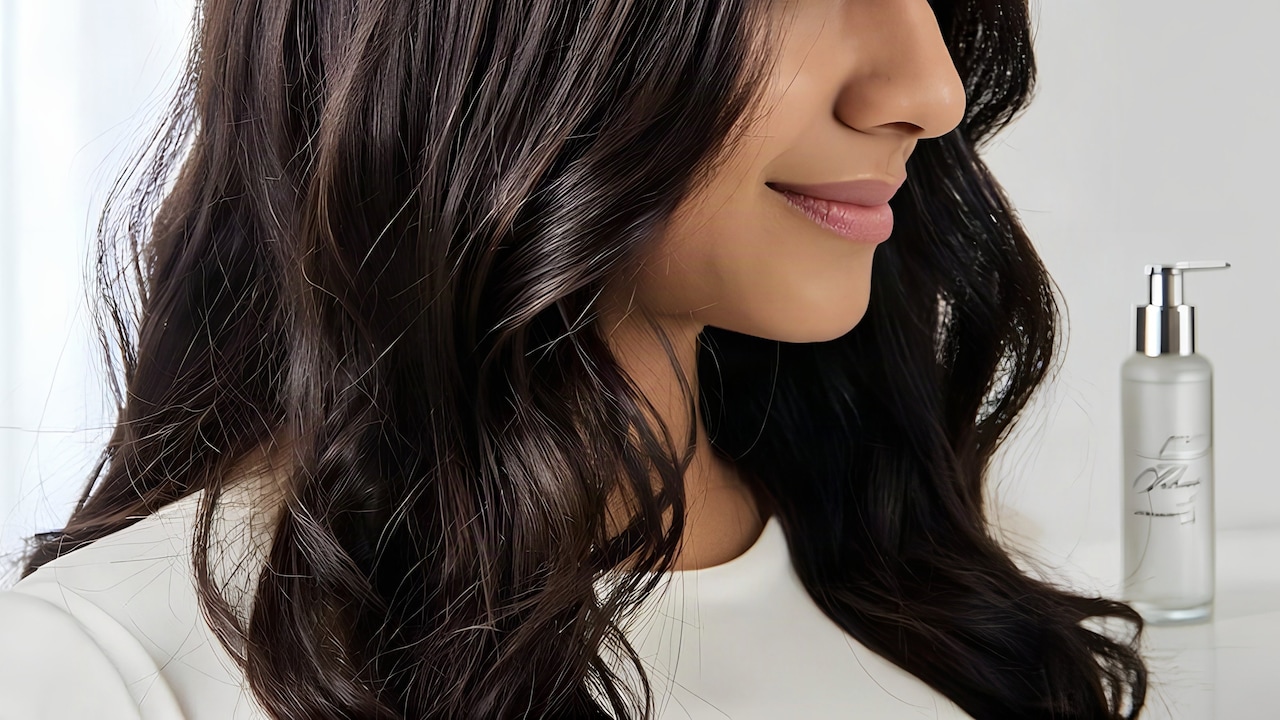
Use A Moisturising Shampoo And Conditioner; Photo Credit: iStock
Why Does My Hair Frizz The Moment I Step Into The Rain?
It's frustrating when your hair looks perfectly smooth indoors and suddenly turns unruly the second you walk outside. The main reason is the sharp increase in moisture surrounding your hair when humidity rises.
Hair fibres absorb moisture from the environment, and research has shown that increasing relative humidity changes the water content and mechanical behaviour of hair. In simple terms, your carefully styled strands can respond to that extra moisture by changing shape, which is why straight hair may start bending while wavy or curly hair can look bigger and less defined.
This effect can become even more noticeable if your hair is already dry, damaged or chemically treated. When the outer surface isn't in excellent condition, maintaining a smooth appearance becomes harder, particularly when the weather is damp.
And here's the annoying part: your hair doesn't actually need to be soaked by rain for the frizzing to happen. Simply walking through humid air can be enough to change how your strands feel and behave.
Also Read: Top 5 Anti-Frizz Hair Serums For Monsoon Months Under ₹1,000
How To Stop Hair From Frizzing In The Rain
Humidity is something you can't control, but you can make your hair less reactive to it. A sensible routine before you leave home can make a noticeable difference, particularly during India's long monsoon season.
Step 1: Use A Moisturising Shampoo And Conditioner
Start with products that leave your lengths conditioned rather than squeaky or rough. A good conditioner helps improve manageability, so your hair is less difficult to smooth before facing humid outdoor air.
Step 2: Dry Your Hair Properly Before Going Outside
Don't rush outdoors with soaking-wet hair unless you have to. Gently squeeze out water, dry your lengths properly and avoid aggressive towel rubbing, which can create unnecessary friction and more visible flyaways.
Step 3: Apply An Anti-Frizz Serum To Your Lengths
A small amount of serum can smooth the hair surface and make unruly strands easier to manage. Work it through your mid-lengths and ends, rather than applying a heavy layer everywhere.
Step 4: Protect Your Hair From Direct Rain
An umbrella isn't only for keeping your clothes dry; it can protect your hairstyle too. Keeping your lengths covered reduces direct water exposure and helps prevent your carefully styled hair from becoming completely soaked.
Step 5: Avoid Repeated Brushing When Hair Is Wet
When rain catches you outside, resist the urge to repeatedly brush your wet hair. Let it dry gently first, then smooth the lengths with your fingers or a small amount of serum.
What Should You Look For In An Anti-Frizz Hair Product?
The right product depends heavily on your hair texture, so don't simply grab the first bottle labelled “anti-frizz.” A lightweight serum may be enough for fine or straight hair, while thick, dry or curly strands may respond better to a cream or richer treatment.
Ingredients and formulation also matter. Research has found that certain conditioning polymers can improve hair's resistance to humidity-related changes. While oil films can reduce moisture absorption by slowing the movement of water vapour into the hair fibre, they do not make hair completely immune to rain.
Look for products that focus on smoothing, conditioning and manageability rather than expecting one product to make your hair completely immune to rain. For example, the TRESemmé Keratin Smooth serum listed on Amazon features 72-hour frizz control and heat protection, while Biolage SmoothProof specifically markets humidity resistance and frizz control.
Common Hair Frizz Mistakes People Make During Rainy Weather
Surprisingly, your product may not be the problem at all. A few everyday habits can make humid-weather frizz considerably harder to manage.
1. Rubbing Hair Aggressively With A Towel
Rough towel drying creates friction when your hair is already vulnerable from being wet. Instead of scrubbing your lengths, gently squeeze out excess water and pat them dry.
2. Applying Too Much Serum
More serum doesn't automatically mean better protection. Using a large amount can leave your hair greasy, flat or weighed down, particularly if your strands are fine or naturally oily.
3. Brushing Curly Hair Repeatedly
Constant brushing can disturb the natural pattern of curly and wavy hair, making it look bigger and less defined. If your texture is naturally curly, work with the pattern rather than fighting it.
4. Straightening Hair Immediately Before Going Outside
A perfectly straightened style can be especially vulnerable to humid conditions because moisture can alter the temporary structure created during styling. If rain is forecast, prioritise protection and a humidity-friendly finish instead.
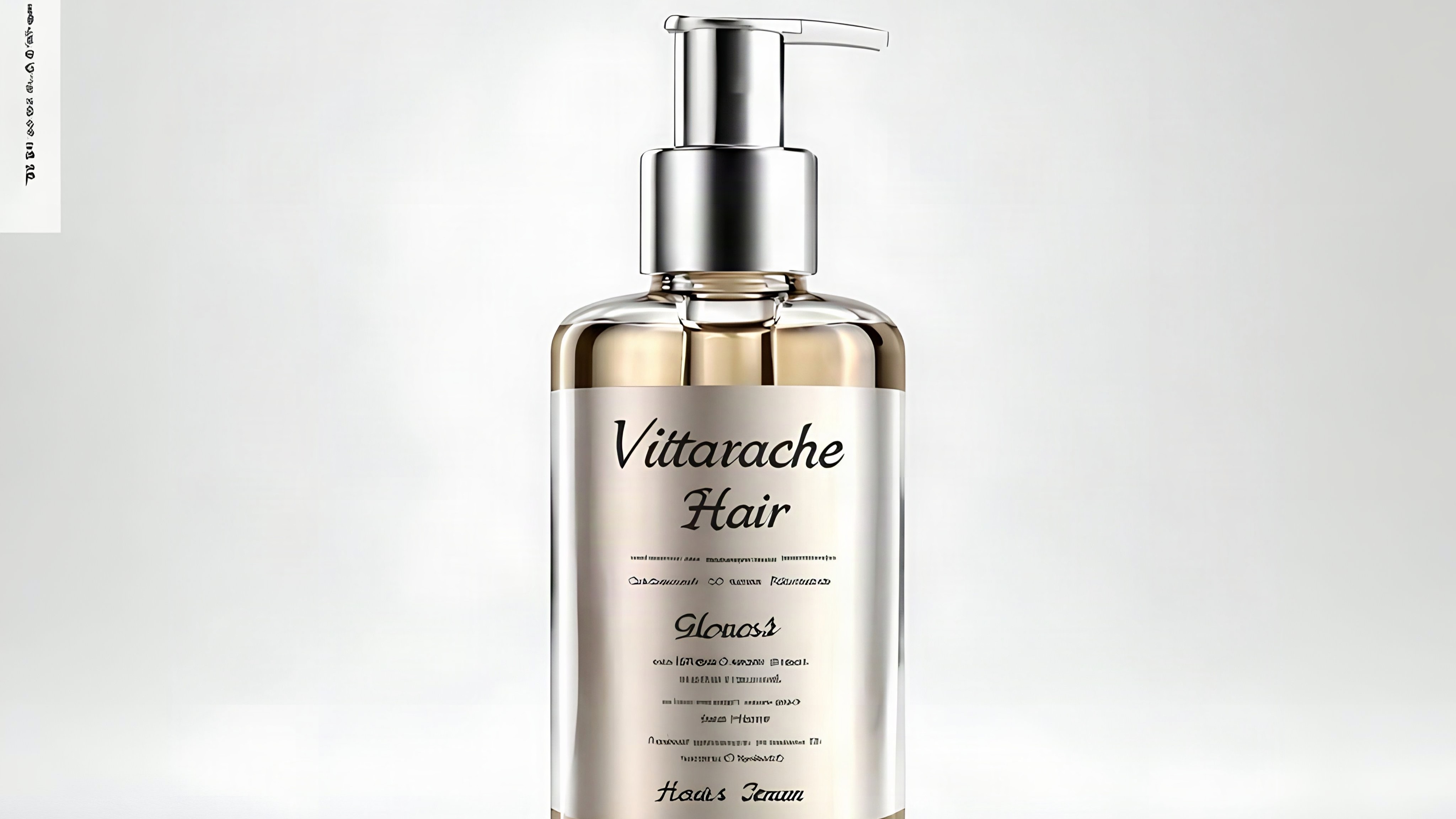
Dry Your Hair Properly Before Going Outside; Photo Credit: iStock
Some Anti-Frizz Hair Products You May Like
1. L'Oreal Paris Extraordinary Oil Hair Serum Powered by Floral Oils
2. Streax Professional Vitariche Gloss Hair Serum
3. Biolage Smooth Proof 6-in-1 Hair Serum for Deep Smoothing and Frizzy Hair
4. MATRIX Mega Smooth Anti-Frizz Serum with Shea Butter and Ceramides
5. mCaffeine Anti-Frizz Perfume Hair Spray for Instant Gloss
6. Bare Anatomy Anti-Frizz Leave-In Conditioner
7. Moxie Beauty Frizz-Fighting Hair Serum
8. Re'equil Anti-Frizz & Smoothing Hair Conditioner
The products shown above can be found on Amazon, where you'll often see attractive discounts, bundle deals, and short-term offers. Just compare the features, pick the one that fits your hair needs, and move on to smoother, healthier-looking hair without spending a tonne. Shop now on Amazon.
Frequently Asked Questions (FAQs)
1. Why does my hair frizz immediately after I step outside?
Humidity increases the amount of moisture interacting with your hair fibres, which can change their shape and make a smooth hairstyle lose its finish. This effect can be particularly noticeable with curly or wavy hair.
2. Does rain itself cause frizzy hair?
Rain isn't the only factor. The high humidity that usually accompanies rainy weather can affect your hair even before the raindrops actually touch it.
3. Can hair serum prevent frizz in the rain?
A suitable serum can smooth the hair surface and improve manageability, but no product can guarantee completely frizz-free hair in extremely humid conditions. Products designed specifically for anti-frizz or humidity control can be useful as part of a wider routine.
4. Should I apply hair serum to wet or dry hair?
It depends on the product instructions. Many serums can be applied to damp, towel-dried hair, while some are also designed for use on dry hair to smooth flyaways and finish a hairstyle.
5. How can I keep curly hair from frizzing during the monsoon?
Focus on conditioning, avoid excessive brushing and use a curl-friendly styling product that helps maintain your natural pattern. Protecting your hair from direct rain can also reduce the amount of moisture it absorbs.
(Disclaimer: This article may include references to or features of products and services made available through affiliate marketing campaigns. NDTV Convergence Limited (“NDTV”) strives to maintain editorial independence while participating in such campaigns. NDTV does not assume responsibility for the performance or claims of any featured products or services.)