Simplify Your Serum Layering, Learn Which Ingredients Work Well Together
Confused about layering serums? Learn which skincare ingredients work well together, which to avoid, and how to build a simple routine that actually delivers results without overwhelming your skin.

How To Layer Skincare Serums: Best Ingredient Combinations For Healthy Skin.
Step into any skincare aisle or scroll through a beauty page online, and a common pattern emerges: rows of serums boasting powerful ingredients like vitamin C, hyaluronic acid, retinol, and niacinamide. Each promises brighter, smoother, or clearer skin. Yet the real challenge lies not in choosing one serum, but in figuring out how to use several together without turning the routine into a chemistry experiment gone wrong.
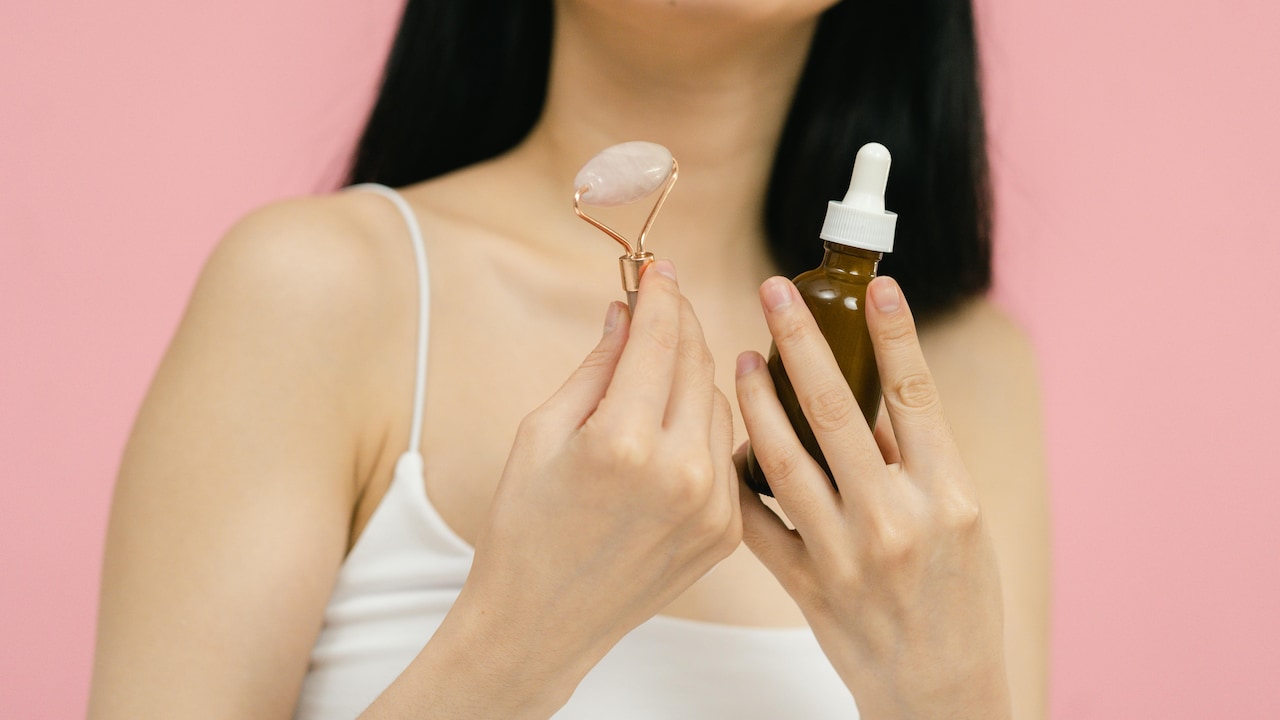
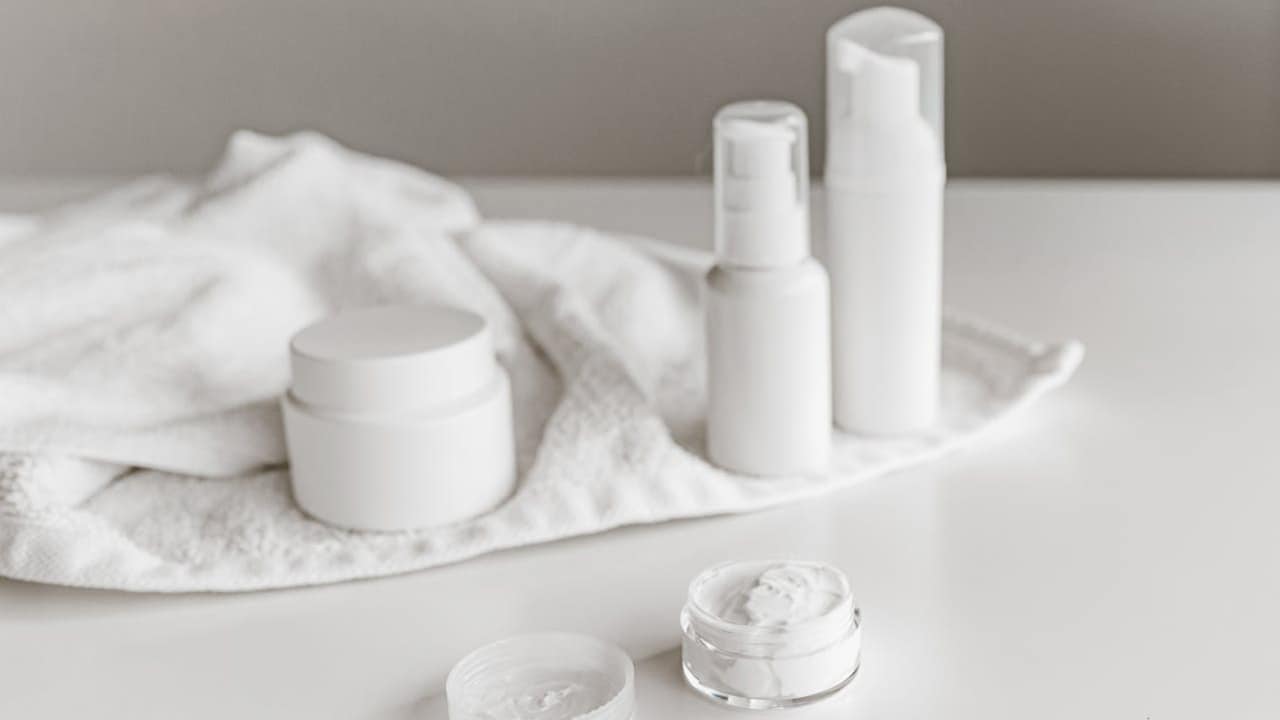
How to layer face serums; Photo Credit: Pexels
Layering serums can transform skin when done right. However, incorrect combinations may lead to irritation, breakouts, or simply wasted effort. With changing weather, pollution levels, and busy routines, skincare needs to remain practical rather than complicated.
This guide simplifies serum layering into clear, relatable insights. It focuses on combinations that work well together and those best kept apart. With a balanced approach, achieving healthy skin becomes less about owning ten bottles and more about understanding how they interact.
Also Read: Which Serum Is Best To Get Clear Skin? Top 5 Recommendations Under ₹500
Building A Simple Yet Effective Serum Routine
Understanding The Basics Of Serum Layering
Serum layering begins with one simple idea: lighter textures go first, heavier ones follow. Water-based serums absorb quickly, while oil-based ones seal moisture in. Ignoring this order can prevent ingredients from penetrating the skin properly.
Think of it like making a cup of chai. Adding milk before the tea leaves would never deliver the same flavour. Skincare follows a similar rhythm. Applying a thick serum first can block lighter ones from doing their job.
Beyond texture, timing matters too. Some ingredients work best during the day, while others perform overnight. For instance, antioxidant-rich serums shine under the sun, while repair-focused ingredients work quietly during sleep.
Keeping the routine simple helps avoid confusion. Three well-layered serums often outperform a cluttered routine of six or seven. Skin responds better to consistency than excess. When layering feels easy, it becomes sustainable, and that is where real results begin.
Why Ingredient Compatibility Matters
Not all ingredients get along. Some combinations boost each other, while others cancel out benefits or irritate the skin. Understanding compatibility saves both time and money, especially when skincare products often cost anywhere between ₹500 and ₹2,500.
Certain ingredients change the skin's pH level. When mixed incorrectly, they may lose effectiveness. For example, combining strong exfoliating acids with sensitive ingredients can lead to redness or dryness.
On the brighter side, some pairings create a powerful synergy. They enhance hydration, improve texture, and strengthen the skin barrier. The right combinations can even reduce the need for multiple products.
Skin behaves differently across seasons. Humidity, heat, and pollution can influence how ingredients react. A thoughtful approach to layering ensures the routine adapts rather than overwhelms.
Understanding compatibility transforms skincare from guesswork into a confident routine. It turns random purchases into purposeful choices and helps every drop of serum deliver real value.
Vitamin C And Sunscreen: The Morning Power Duo
Vitamin C stands as a morning favourite for good reason. It brightens skin, reduces dullness, and protects against environmental damage. When paired with sunscreen, its effectiveness increases significantly.
This combination works like a shield against pollution and harsh sunlight. While sunscreen blocks harmful rays, vitamin C neutralises free radicals that still manage to reach the skin. Together, they offer stronger protection than either could alone.
Morning routines often feel rushed. Yet this pairing fits easily into even the busiest schedule. A few drops of vitamin C serum followed by sunscreen can make a visible difference over time.
Regular use helps reduce uneven tone and brings a natural glow. Over weeks, skin appears fresher, even without makeup. That quiet confidence makes the effort worthwhile.
Choosing a stable vitamin C formula ensures better results. Pairing it consistently with sunscreen creates a habit that supports long-term skin health without adding complexity.
Hyaluronic Acid And Almost Everything
Hyaluronic acid earns its reputation as a team player. It works well with nearly every ingredient, making it ideal for beginners and skincare enthusiasts alike.
This ingredient acts like a sponge, drawing moisture into the skin. It hydrates without heaviness, which suits both humid and dry climates. Whether layered with actives or used alone, it enhances overall skin texture.
Pairing hyaluronic acid with stronger ingredients like retinol or exfoliating acids helps reduce dryness and irritation. It softens their impact while maintaining effectiveness.
It fits seamlessly into both morning and night routines. Applied on slightly damp skin, it locks in hydration and creates a smooth base for other serums.
The simplicity of hyaluronic acid makes it a reliable staple. It does not demand attention yet quietly supports the entire routine. In a world of complicated skincare, that kind of versatility feels refreshing.
Niacinamide And Zinc: Balancing The Skin
Niacinamide has gained popularity for its ability to calm and balance the skin. When combined with zinc, it becomes especially effective for controlling oil and reducing breakouts.
This pairing suits those dealing with shine, enlarged pores, or occasional acne. It works gently, without stripping the skin or causing irritation. Over time, it helps refine texture and even out tone.
Unlike harsher treatments, niacinamide builds strength in the skin barrier. That means fewer flare-ups and better resilience against environmental stress.
Daily use can make a noticeable difference. Skin appears clearer, and the need for heavy coverage reduces. It creates a sense of ease, especially during long days outdoors.
Affordable options make this combination accessible, often available within ₹600 to ₹1,500. It proves that effective skincare does not always require expensive products.

Niacinamide and zinc can control oil and reduce breakouts; Photo Credit: Pexels
Retinol And Hyaluronic Acid: Repair With Care
Retinol carries a reputation for delivering results, but it also demands careful handling. When paired with hyaluronic acid, its benefits become easier to manage.
Retinol accelerates skin renewal. It reduces fine lines, improves texture, and fades dark spots. However, it can also cause dryness and irritation, especially for beginners.
Hyaluronic acid steps in as a soothing partner. It hydrates the skin and reduces discomfort, making the retinol experience gentler. Together, they create a balanced routine that focuses on repair without damage.
Using this combination at night works best. Starting slowly, perhaps twice a week, allows the skin to adjust. Over time, frequency can increase based on comfort.
Consistency matters more than intensity. With patience, this pairing delivers smoother, healthier-looking skin without overwhelming the routine.
Vitamin C And Ferulic Acid: Boosting Antioxidant Power
Vitamin C becomes even more effective when combined with ferulic acid. This pairing stabilises the formula and enhances its ability to protect the skin.
Ferulic acid acts like a support system. It strengthens vitamin C, allowing it to last longer and perform better. Together, they fight environmental damage and improve skin brightness.
This combination suits morning routines perfectly. It prepares the skin to face daily stress, from pollution to sun exposure.
Over time, the results appear subtle yet noticeable. Skin looks clearer, more even, and naturally radiant. It avoids the artificial glow often associated with heavy makeup.
Investing in a serum that combines both ingredients often costs more, sometimes around ₹1,800 or higher. However, the improved stability and effectiveness justify the price for many users.
Avoid Mixing Retinol With Strong Acids
Some combinations demand caution, and retinol with strong exfoliating acids sits high on that list. While both ingredients offer benefits, using them together can overwhelm the skin.
Retinol speeds up cell turnover, while acids like glycolic or salicylic acid exfoliate the surface. Combining them may lead to irritation, redness, or peeling.
Instead of layering them, alternating usage works better. Retinol can take centre stage at night, while acids find their place on different evenings.
This approach keeps the skin balanced. It allows each ingredient to perform without interference or damage.
Listening to the skin becomes essential here. Any sign of discomfort signals the need to slow down. A gentle routine often delivers better results than an aggressive one.
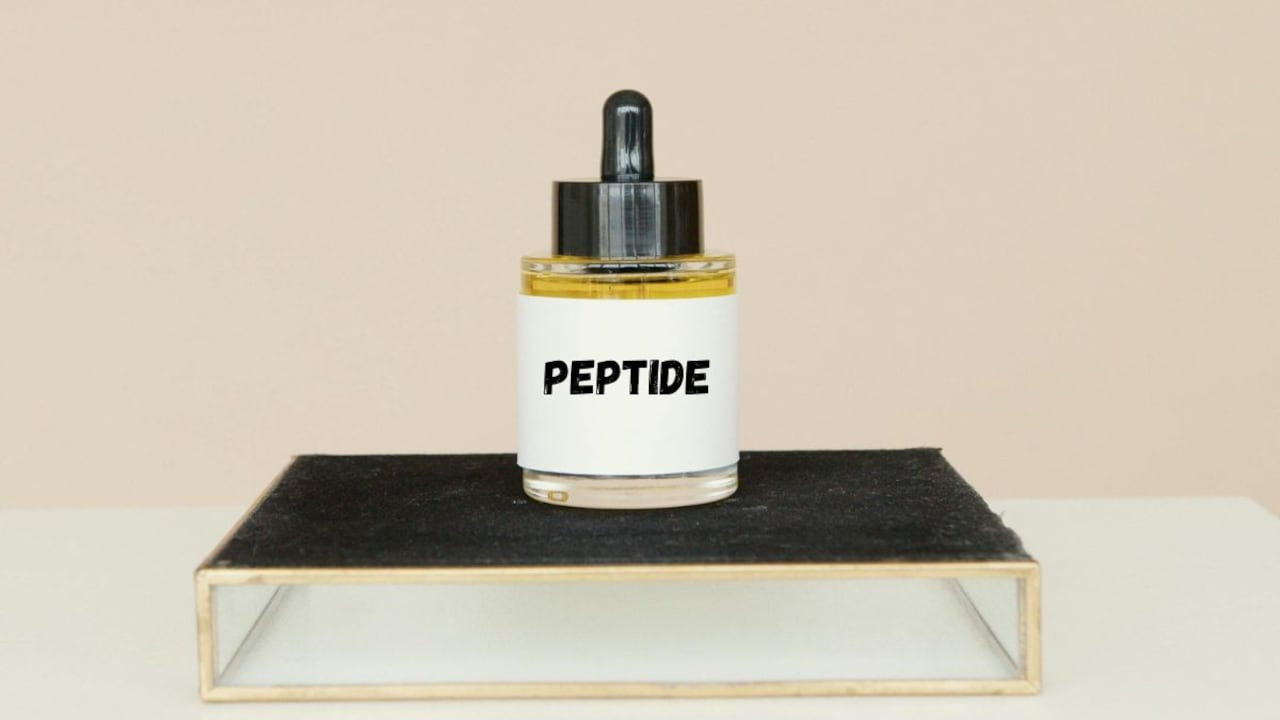
Peptides And Moisturising Ingredients: Strengthening Skin
Peptides often remain underrated, yet they play a crucial role in maintaining skin strength. When paired with moisturising ingredients, they support repair and improve elasticity.
This combination suits those looking to maintain healthy skin rather than fix major concerns. It works quietly, strengthening the skin barrier and improving resilience.
Peptides encourage the skin to produce essential proteins like collagen. When supported by hydration, their effectiveness increases.
Using them consistently creates a subtle transformation. Skin feels firmer, smoother, and more balanced over time.
They blend easily into both morning and night routines. Their gentle nature makes them suitable for almost all skin types, offering a dependable option for long-term care.
Layering Order: The Right Way To Apply
The order of application plays a key role in serum layering. Even the best ingredients can underperform if applied incorrectly.
Starting with the lightest serum ensures better absorption. Water-based formulas come first, followed by thicker or oil-based products.
Allowing each layer to settle for a few seconds improves effectiveness. Rushing through the process can dilute results.
Morning and evening routines may differ slightly. Daytime focuses on protection, while nighttime emphasises repair. Adjusting the order based on purpose enhances outcomes.
A simple routine often works best. Overloading the skin can lead to confusion and reduced effectiveness. Clear steps make consistency easier to maintain.
Listening To Your Skin Over Trends
Trends change quickly, but skin needs consistency. What works for one person may not suit another. Paying attention to how the skin reacts helps build a routine that truly works.
Social media often promotes complex routines with multiple steps. While they look appealing, they may not be practical or necessary.
Simple routines often deliver better results. They reduce the risk of irritation and make daily care easier to follow.
Adjusting based on seasons, lifestyle, and stress levels keeps the routine relevant. Skin behaves differently during humid summers and cooler months.
Trusting the skin's response over external advice creates a more personalised approach. It shifts the focus from chasing trends to building long-term habits.
Products Related To This Article
1. Minimalist Vitamin C 10% Face Serum for Glowing Skin
2. Himalaya Dark Spot Clearing Turmeric Face Serum
3. Chemist at Play 10% Vitamin C Face Serum
4. Plum 10% Niacinamide Face Serum with Rice Water
5. PLIX THE PLANT FIX Jamun Face Wash & Niacinamide Serum Combo
Serum layering does not need to feel complicated or intimidating. With a basic understanding of ingredient compatibility and application order, it becomes a straightforward and even enjoyable part of daily care.
The key lies in choosing combinations that complement each other rather than compete. A few well-selected serums can deliver better results than an overloaded routine. Simplicity often brings clarity, and clarity leads to consistency.
Healthy skin grows from patience and mindful choices. When routines feel manageable, they become habits. Over time, those habits create visible, lasting results.
In the end, skincare is less about perfection and more about balance. Finding what works and sticking with it can turn even the simplest routine into something truly effective.
(Disclaimer: This article may include references to or features of products and services made available through affiliate marketing campaigns. NDTV Convergence Limited (“NDTV”) strives to maintain editorial independence while participating in such campaigns. NDTV does not assume responsibility for the performance or claims of any featured products or services.)