Hair Oils Comeback: Trend Or Actual Haircare Need
Hair oiling is back in focus, but is it just a social media trend or a genuine haircare essential? A closer look at its roots, science and modern appeal reveals the truth behind the comeback.
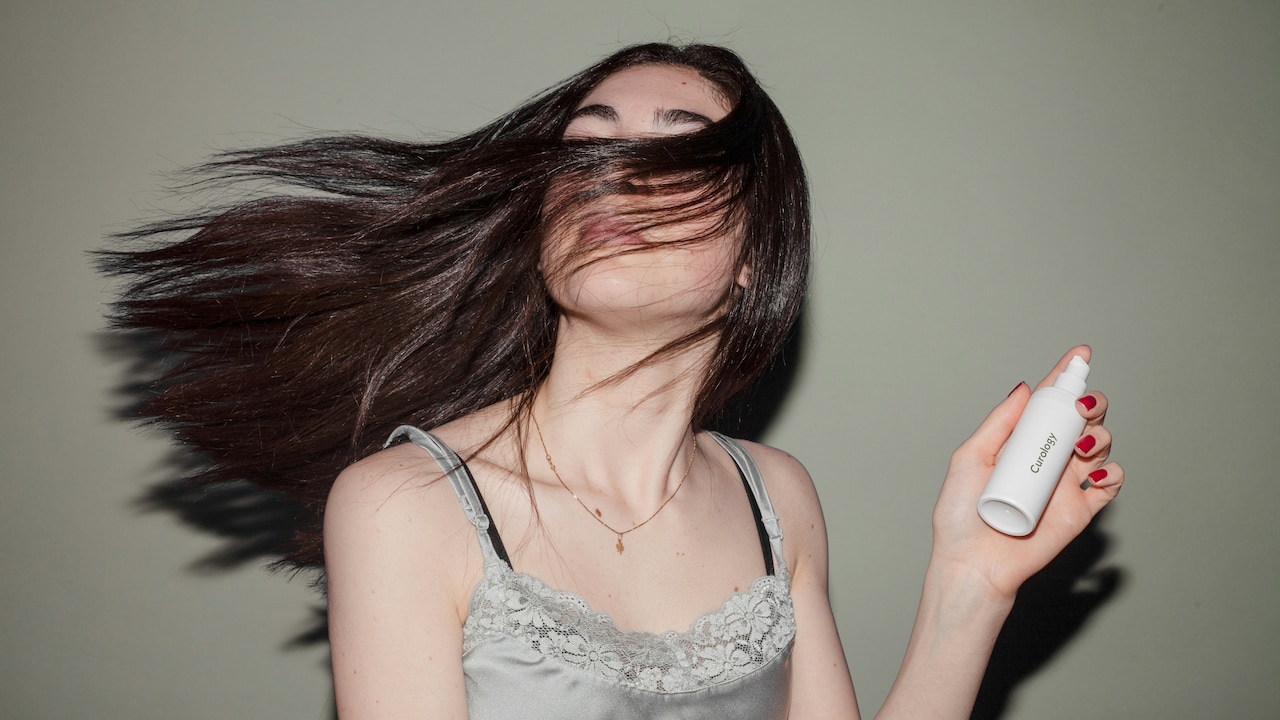
Why Hair Oiling Is Trending Again: Benefits, Myths And Modern Relevance.
Hair oiling once belonged to lazy Sunday afternoons, warm sunlight, and the faint aroma of coconut drifting through the house. It felt less like a routine and more like a ritual, often accompanied by gentle head massages and long conversations. Then came the era of serums, heat tools, and salon treatments, pushing traditional oils to the sidelines.
Now, the tide seems to have turned again. Social media buzzes with “oil-champing” tutorials, luxury brands bottle age-old formulations in sleek packaging, and younger audiences rediscover what older generations never abandoned. The comeback raises an interesting question: is hair oiling genuinely essential for healthy hair, or has clever branding repackaged an old habit into a modern obsession?
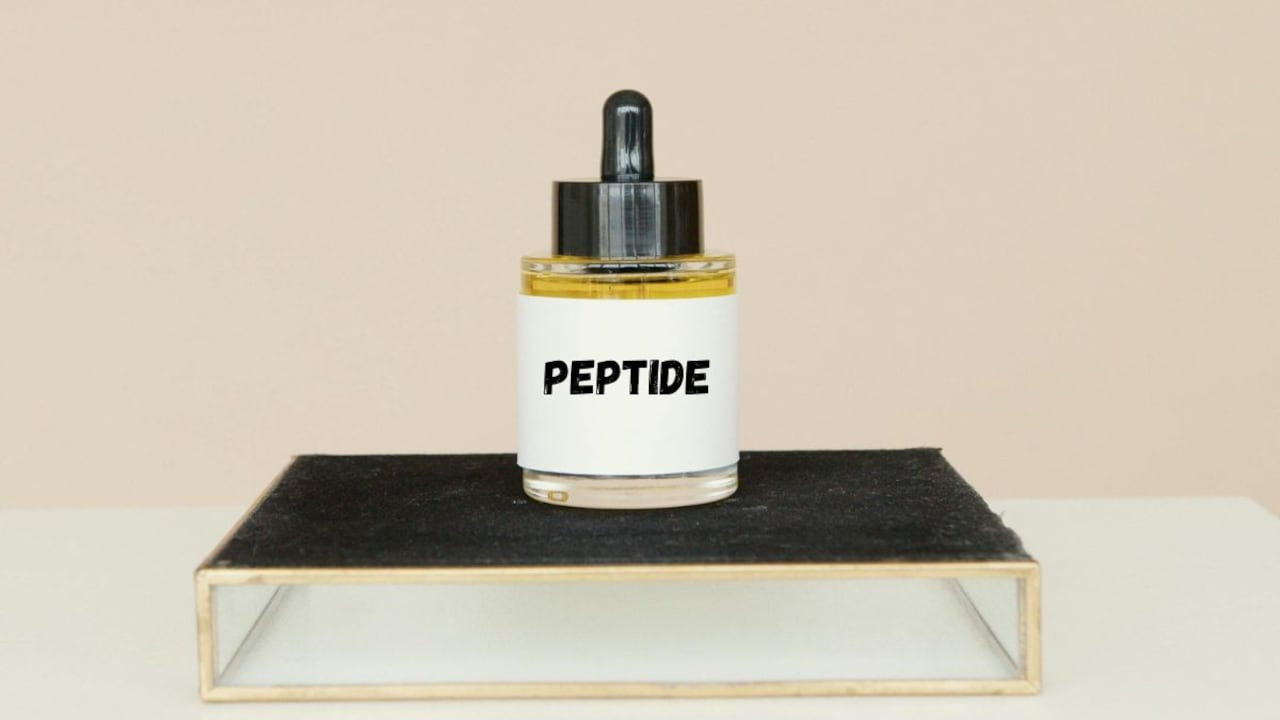
Hair Oils Comeback: Trend Or Actual Haircare Need; Photo Credit: Pexels
Why Hair Oiling Is Making A Strong Comeback Today
The Nostalgia Factor Behind The Revival
Hair oiling carries emotional weight. It reminds many of childhood routines, school mornings, and the comforting presence of family. That emotional memory now fuels its revival. In a fast-paced world, people crave grounding habits, and oiling offers exactly that.
Modern lifestyles feel rushed and fragmented. Amid endless notifications and tight schedules, a simple act like massaging oil into the scalp feels almost therapeutic. It creates a pause, a moment of stillness. That sense of calm, combined with memories of simpler times, gives hair oiling a powerful appeal.
Brands recognise this emotional pull and often highlight “tradition” and “heritage” in their messaging. Yet, nostalgia alone cannot sustain a trend. The question remains whether the practice holds up beyond sentiment.
Social Media's Role In The Oil Boom
Scroll through any platform, and glossy hair transformations dominate the feed. Influencers showcase overnight oil routines, claiming shinier strands and reduced hair fall within weeks. These visually satisfying results create curiosity and, at times, unrealistic expectations.
Short videos make oiling look effortless and glamorous. A few drops, a quick massage, and magically smooth hair by morning. In reality, results vary based on hair type, lifestyle, and consistency. Still, the visual appeal draws people in.
The influence extends beyond trends. It shapes purchasing decisions. A ₹799 bottle with a minimalist label suddenly feels like a necessity rather than a luxury. Social media, therefore, does not just revive oiling; it rebrands it as aspirational.
Also Read: 5 Best-Selling Hair Oils For Daily Shine And Strength Under ₹500
Modern Stress And Hair Concerns
Hair concerns today look different from those of earlier generations. Pollution, irregular sleep, and high stress levels often lead to hair fall, thinning, and scalp issues. These problems push people to search for simple, accessible solutions.
Hair oils offer a sense of control. Unlike expensive treatments, a bottle priced around ₹250 to ₹1,200 feels manageable. It promises nourishment without complex routines. For many, that simplicity matters.
Stress also affects scalp health. Tight deadlines and constant screen time can indirectly weaken hair. Oiling, combined with massage, improves blood circulation and encourages relaxation. While it may not solve every issue, it creates a supportive environment for healthier hair.
The Science Behind Hair Oils
Beyond tradition, science supports certain benefits of hair oiling. Oils such as coconut, almond, and argan contain fatty acids that penetrate the hair shaft. This helps reduce protein loss and strengthens strands over time.
Scalp health also improves with regular oiling. Hydration reduces dryness and flakiness, which often contribute to breakage. Massaging oil stimulates blood flow, delivering nutrients to hair follicles.
However, not all oils work the same way. Heavy oils may weigh down fine hair, while lighter options suit oily scalps better. The effectiveness depends on choosing the right oil for specific needs rather than following trends blindly.
Hair Oils Comeback: Trend Or Actual Haircare Need; Photo Credit: Pexels
Luxury Branding And The New Oil Market
Hair oil no longer sits quietly on a bathroom shelf. It now occupies premium spaces in beauty stores, often priced at ₹1,500 or more. These products promise exotic ingredients, cold-pressed extraction, and “ancient secrets.”
The shift reflects a broader trend in beauty consumption. People now invest more in self-care, and brands position oils as indulgent experiences rather than essentials. Sleek packaging and curated fragrances add to the appeal.
Yet, a higher price does not always guarantee better results. Many traditional oils deliver similar benefits at a fraction of the cost. The real difference often lies in branding, not formulation.
Customisation And Hair Type Awareness
Earlier, hair oiling followed a one-size-fits-all approach. Today, awareness around hair types has grown. Curly, straight, fine, and thick hair all require different care routines.
This shift encourages more thoughtful oiling practices. For instance, lightweight oils suit daily use, while heavier blends work better as weekly treatments. People now experiment and adjust based on how their hair responds.
Customisation adds value to the practice. It transforms oiling from a rigid ritual into a flexible routine. That adaptability keeps it relevant in modern haircare conversations.
Time Constraints And Changing Lifestyles
Despite its benefits, hair oiling faces a practical challenge: time. Busy schedules leave little room for elaborate routines. Many skip oiling simply because it feels inconvenient.
Overnight oiling, once common, now seems impractical for those with early mornings. Some worry about greasy hair or difficulty washing it out. These concerns limit regular use.
To address this, brands introduce quick-absorb formulas and pre-wash treatments that require less time. These innovations make oiling more accessible without demanding major lifestyle changes.
The Psychological Comfort Of Rituals
Hair oiling offers more than physical benefits. It creates a sense of care and connection. The act itself feels nurturing, almost like a small gesture of kindness towards oneself.
In a world that often prioritises productivity over well-being, such rituals gain importance. They remind people to slow down, even if only for a few minutes.
This emotional aspect cannot be ignored. It explains why oiling continues to resonate across generations. The experience matters as much as the result.

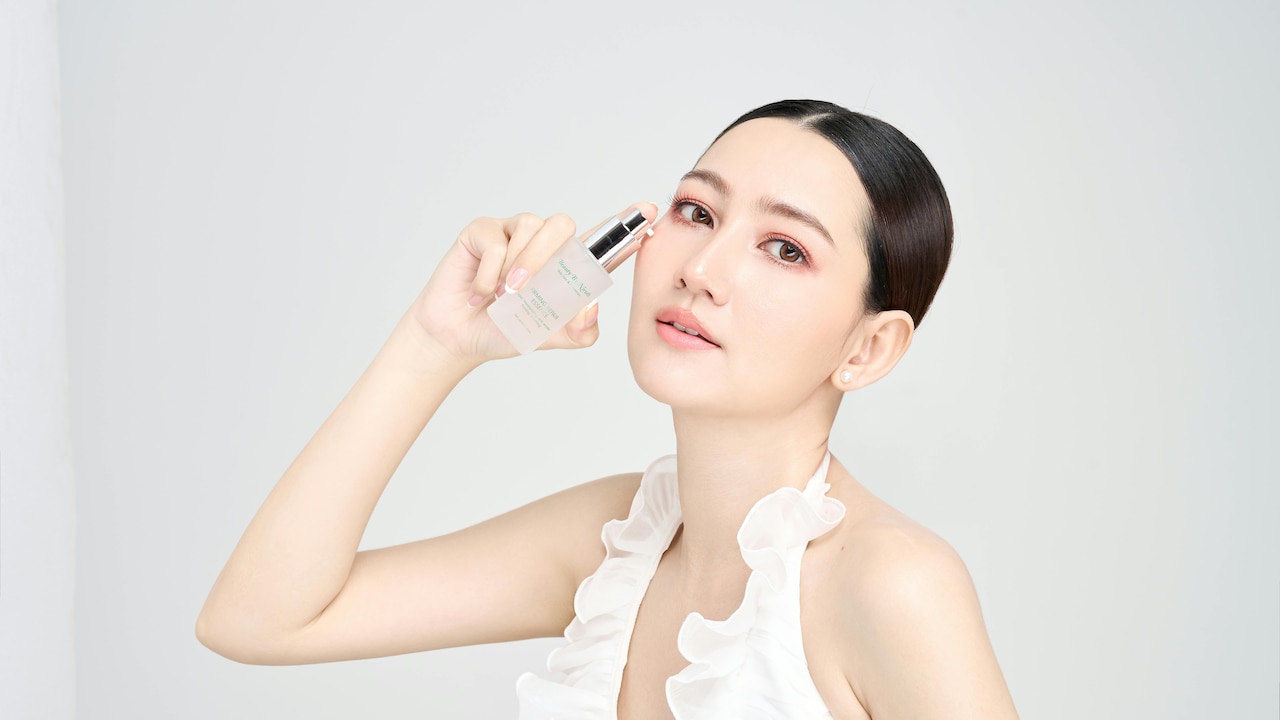
Hair Oils Comeback: Trend Or Actual Haircare Need; Photo Credit: Pexels
Myths And Misconceptions Around Oiling
Despite its popularity, hair oiling comes with several myths. Some believe it can completely stop hair fall, while others think it works overnight. These expectations often lead to disappointment.
Hair health depends on multiple factors, including diet, genetics, and overall lifestyle. Oil alone cannot solve deeper issues. It supports hair care but does not replace a balanced routine.
Understanding these limitations helps set realistic expectations. It ensures oiling remains a helpful practice rather than a magical solution.
Trend Or Timeless Necessity?
The comeback of hair oiling sits at an interesting intersection. On one hand, it benefits from social media hype and modern branding. On the other, it carries genuine value rooted in tradition and science.
Its relevance today lies in balance. It works best when integrated thoughtfully into a routine rather than followed blindly as a trend. Those who adapt it to their needs often see the most benefit.
The resurgence, therefore, reflects both a trend and a need. It thrives because it bridges the gap between past wisdom and present demands.
Products Related To This Article
1. Emami 7 Oils One Hair Oil Makes 20x Stronger Manageable
2. Parachute Advansed Ayurvedic Oil Hair Fall Control Growth Coconut Based
3. Sayy Combo Scalp Revival Hair Serum 50 Ml Stronger Roots Rosemary Oil
4. Pilgrim Spanish Rosemary Biotin Hair Oil Strengthening Growth
5. Avimee Herbal Javakusum Hibiscus Oil Vitamin C Hair Growth Oil
Hair oiling has travelled a long journey, from household staple to overlooked habit and back into the spotlight. Its revival feels less like a sudden trend and more like a rediscovery of something quietly effective.
While glossy advertisements and influencer routines add a layer of excitement, the true value of hair oiling lies in its simplicity. It nourishes, relaxes, and reconnects people with a slower, more mindful approach to self-care.
The answer to whether it is a trend or a necessity does not fit neatly into one category. It is both, depending on how it is used. When approached with awareness and realistic expectations, hair oiling becomes more than a passing phase. It turns into a small yet meaningful part of everyday life, proving that sometimes, the old ways still hold their ground in a rapidly changing world.
(Disclaimer: This article may include references to or features of products and services made available through affiliate marketing campaigns. NDTV Convergence Limited (“NDTV”) strives to maintain editorial independence while participating in such campaigns. NDTV does not assume responsibility for the performance or claims of any featured products or services.)