Does Foundation Always Oxidise On Oily Skin? 10 Makeup Myths Explained
Does foundation always oxidise on oily skin? From darkening shades to cakey finishes, discover the truth behind 10 common makeup myths and learn what actually works for your skin.
Does Foundation Oxidise On Oily Skin? 10 Common Makeup Myths Debunked
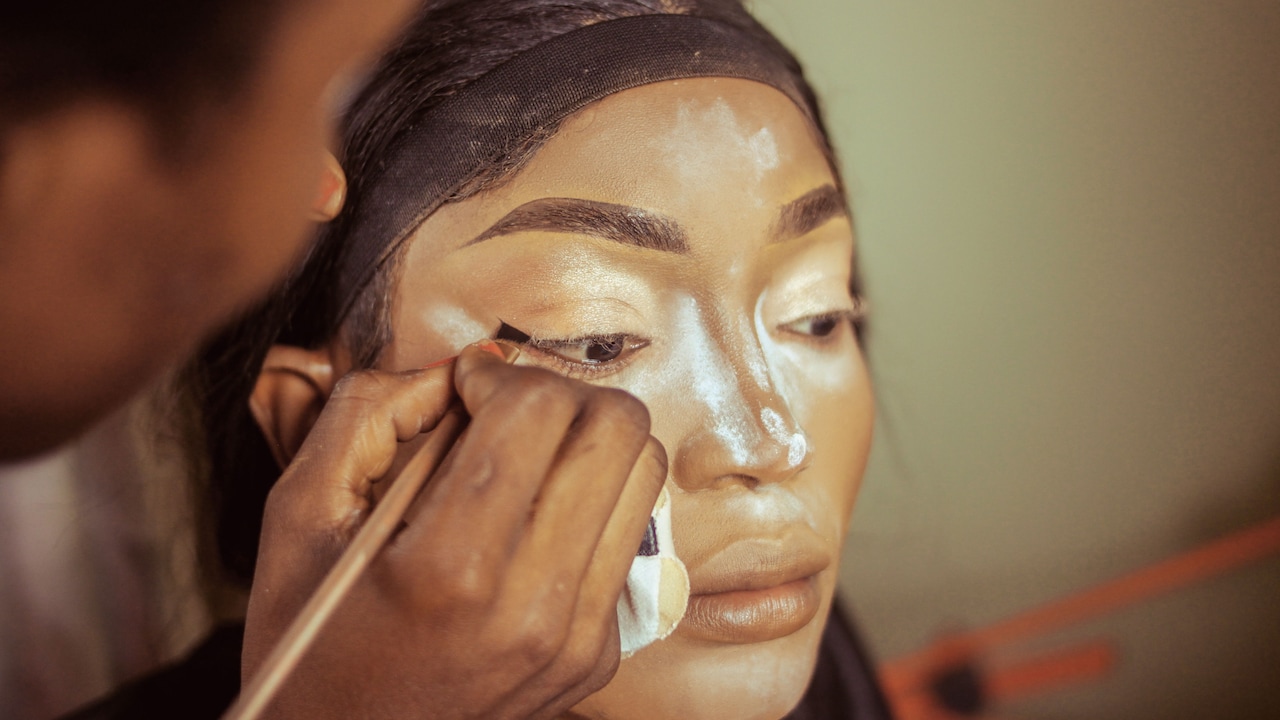
You leave the house with perfectly blended foundation, a smooth base and just enough powder to keep everything in place. Two hours later, the mirror tells a different story. Your foundation looks darker, your nose appears shiny, and the concealer beneath your eyes has settled into tiny lines. Naturally, the foundation gets all the blame. But is the product really responsible? Makeup comes with an impressive collection of rules. Oily skin needs matte foundation. Expensive products perform better. Primer prevents makeup from slipping. And apparently, applying more powder solves almost everything. Some of these beliefs contain a little truth, while others create more problems than they prevent. The trouble is that skin doesn't behave the same way every day. Humidity, skincare products, application techniques and even the amount of time spent outdoors can influence how makeup looks. A foundation that works beautifully in December might struggle during a humid afternoon in July.
Does Foundation Oxidise On Oily Skin? 10 Common Makeup Myths Debunked
Photo Credit: Pexels
So, before replacing another perfectly good foundation or buying a product because someone on social media swears by it, it's worth understanding what actually happens on your skin. These ten common makeup myths explain why certain techniques fail and how small adjustments can make your everyday routine more reliable.
10 Common Makeup Myths And The Truth Behind Them
1. Myth: Foundation Always Oxidises On Oily Skin
Oily skin often gets blamed whenever foundation turns darker after application. While excess sebum can influence how makeup looks throughout the day, it doesn't automatically cause every foundation to oxidise. The relationship is more complicated than most beauty tutorials suggest.
Foundation contains pigments, oils, water and other ingredients that interact differently with your skin. Certain formulations may change appearance after exposure to air or contact with skincare products. Sometimes, what looks like oxidation is simply the foundation drying down and revealing its actual shade.
Sebum can also mix with foundation and alter how the pigments appear on your face. This effect becomes particularly noticeable around the nose, forehead and chin, where oil production tends to be higher.
Before purchasing a foundation, apply a small amount along your jawline. Allow it to settle for 20 to 30 minutes and observe the colour in natural daylight. Compare it with the freshly applied shade.
Also, avoid assuming that choosing a lighter foundation will solve the problem. An incorrect undertone can make your complexion look grey or unnaturally orange.
The better approach is to find a formulation that remains visually consistent on your skin rather than blaming oil production alone.
2. Myth: Matte Foundation Is Always Better For Oily Skin
Walk into any beauty store and mention oily skin, and someone will probably recommend a matte foundation. The suggestion makes sense initially. Matte products reduce visible shine and often provide longer-lasting coverage. However, an extremely matte finish isn't necessarily the most flattering choice.
Some matte foundations contain ingredients that absorb oil or form a relatively firm film over the skin. While these qualities can improve wear, certain formulas may emphasise dry patches, enlarged-looking pores and uneven texture.
This becomes especially noticeable when oily skin also lacks moisture. Yes, oily skin can experience dehydration. Excess sebum doesn't guarantee that the skin has enough water.
Instead of choosing foundation solely by its finish, consider its texture, coverage and compatibility with your skincare routine.
A lightweight satin foundation might look more natural than a heavy matte product, particularly when you apply a little translucent powder around the nose and forehead.
During humid weather, thin layers often feel more comfortable than thick coverage.
The goal isn't to eliminate every trace of shine. Healthy skin naturally reflects some light, and a little radiance can make your complexion look fresher rather than greasy.
3. Myth: Primer Completely Prevents Foundation From Slipping
Primer has earned a reputation as the ultimate solution for makeup that refuses to stay in place. A few drops supposedly blur pores, control oil, smooth texture and keep foundation looking flawless until bedtime. Unfortunately, no primer can guarantee all those results.
Primers work through different mechanisms. Some create a smoother surface using silicones, while others contain film-forming ingredients that help makeup adhere. Hydrating primers mainly improve the appearance and feel of the skin before application.
However, their effectiveness depends on what you apply underneath and above them.
For example, layering a rich moisturiser, thick sunscreen, silicone-heavy primer and full-coverage foundation may create an uncomfortable base. Depending on the formulas, the products might separate or form tiny rolls when rubbed together.
This doesn't necessarily mean the primer is defective. The layers may simply be incompatible or excessively thick.
Try applying skincare in light layers and allowing each product to settle before adding makeup.
You can also restrict primer to areas that genuinely need it, such as the nose or forehead.
Most importantly, remember that primer supports makeup application. It doesn't replace suitable foundation, thoughtful preparation or occasional touch-ups.
Also Read: Top 5 Sweat-Proof Foundations For Festive Function Makeup Under ₹1,000
4. Myth: More Powder Means Longer-Lasting Makeup
There's something oddly satisfying about watching loose powder remove unwanted shine. One quick application and the forehead looks smooth again. Naturally, applying more seems like the logical way to make that finish last longer.
Unfortunately, excess powder can create the exact problems you're trying to prevent.
Setting powders contain ingredients that absorb moisture or oil and reduce surface shine. However, applying thick layers can make foundation look dry, emphasise fine lines and create a visibly textured finish.
As your skin produces sebum throughout the day, the powder may mix with the oil and foundation beneath it. This combination can become patchy or cakey, particularly around the nose and mouth.
Instead of covering your entire face with multiple layers, apply a small quantity to areas that become shiny quickly.
Use a fluffy brush for a softer finish or a powder puff when you need more targeted setting.
Before touching up, gently remove excess oil with blotting paper or a clean tissue. Adding powder directly over accumulated sebum can make the base look heavier.
A light application generally looks more natural than repeatedly building layers throughout the day.
5. Myth: Expensive Foundation Always Performs Better
A luxury foundation arrives in beautiful packaging, promises sophisticated technology and sometimes costs several thousand rupees. Naturally, it's tempting to assume that the higher price guarantees better coverage, smoother texture and longer wear.
But makeup performance doesn't follow such a straightforward pricing system.
A foundation's effectiveness depends on its formulation, shade compatibility, finish and how well it suits your skin. Premium products may offer elegant textures, specialised pigments or wider shade selections. Yet affordable foundations can deliver equally satisfying results for certain skin types.
Consider a foundation costing ₹3,500 and another costing ₹650. The expensive option might feel exceptionally lightweight but offer limited oil control. Meanwhile, the affordable product could provide the matte finish and staying power that your daily routine requires.
Neither product is automatically superior.
Brand reputation, packaging and marketing expenses also influence retail prices. These factors don't necessarily translate into better performance on your face.
Before investing in an expensive foundation, test its texture and colour under realistic conditions.
Observe how it behaves after several hours rather than judging it immediately after application.
The best foundation isn't necessarily the one with the most impressive price tag. It's the one you can wear comfortably without constantly checking the mirror.

Does Foundation Oxidise On Oily Skin? 10 Common Makeup Myths Debunked
Photo Credit: Pexels
6. Myth: Oily Skin Doesn't Need Moisturiser Before Makeup
Skipping moisturiser might seem sensible when your forehead already feels shiny. After all, why introduce another layer of hydration when controlling oil is the main objective?
The confusion comes from treating moisture and oil as interchangeable.
Sebum helps lubricate the skin, while moisturisers support hydration and reduce water loss. Your skin can produce considerable oil and still experience dehydration or uncomfortable tightness.
When makeup goes over poorly hydrated skin, foundation may cling to rough areas or settle unevenly. The result can look surprisingly dry despite visible shine elsewhere.
This is why moisturiser deserves a place in many oily-skin makeup routines.
However, choosing the right texture matters. Heavy creams can feel uncomfortable under foundation, particularly during warm, humid weather. Lightweight gel moisturisers or lotions may offer a more practical alternative.
Apply a modest amount and allow it to absorb before continuing with sunscreen and makeup.
There's also no need to use different products simply because the label says they're essential for oily skin.
Focus on how your face feels after application. Comfortable, hydrated skin provides a better starting point than skin that feels tight beneath several layers of foundation.
7. Myth: Full-Coverage Foundation Always Hides Large Pores
Full-coverage foundation sounds like the obvious answer when visible pores become frustrating. If a product can conceal blemishes and uneven pigmentation, surely it should make pores disappear too?
Not quite.
Pores are natural openings in the skin, and makeup cannot physically remove or permanently shrink them. Foundation can reduce their visibility, but its success depends on texture, application and lighting.
Applying thick layers may actually make pores more noticeable. Product can collect around their edges, especially when the foundation begins to separate from excess oil.
The effect often becomes more obvious under bright overhead lighting or close-up smartphone cameras.
Instead of relying on heavier coverage, try a thin layer of foundation and a smoothing primer where necessary.
Use a makeup sponge or brush to press the product gently into the skin rather than repeatedly rubbing it across textured areas.
A light setting powder can also reduce unwanted shine that draws attention to pores.
Remember that completely poreless skin is largely a digital beauty standard. Even professionally applied makeup reveals natural texture when viewed closely.
Good foundation should make your complexion appear more even, not transform it into a filtered photograph.
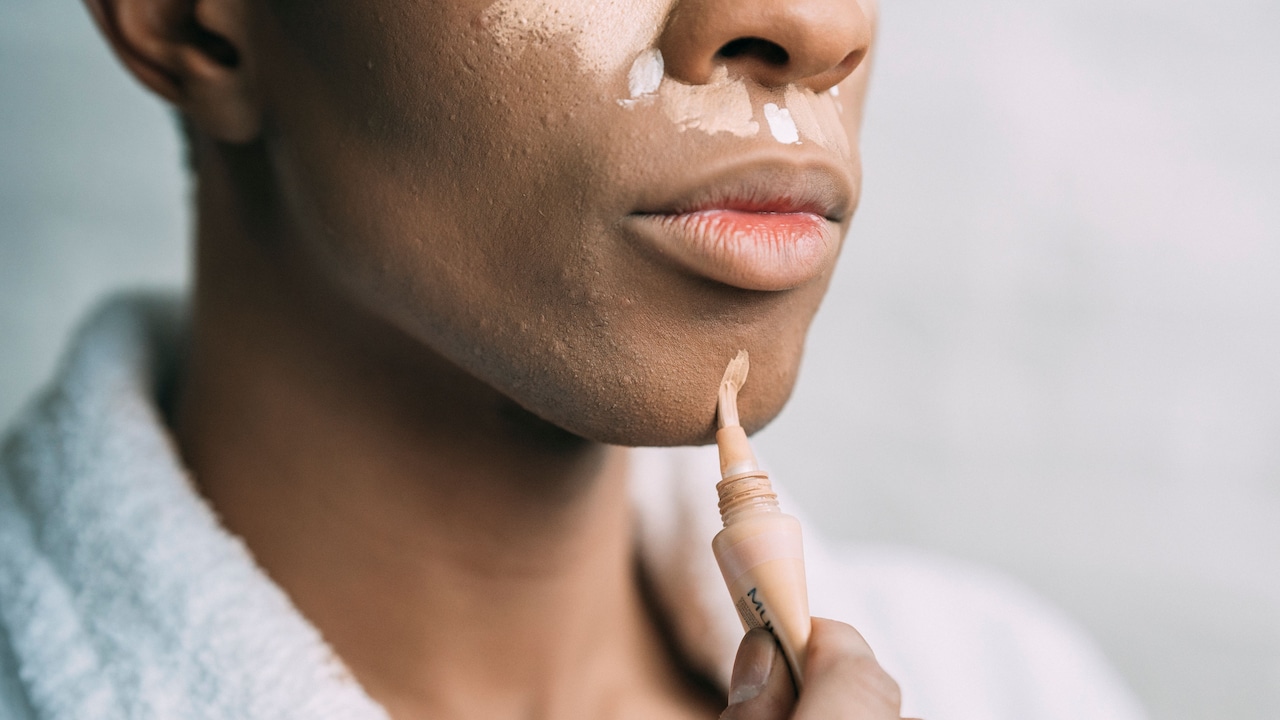
8. Myth: Concealer Must Always Be Lighter Than Foundation
Beauty tutorials frequently recommend choosing concealer one or two shades lighter than foundation. The theory is that a brighter shade creates a fresh, lifted appearance, particularly beneath the eyes.
While this technique can work for highlighting, it isn't suitable for every concealing task.
Using a much lighter concealer over dark circles may create a grey or ashy finish. The effect becomes especially noticeable when the underlying discolouration has blue, purple or brown tones.
A lighter product doesn't automatically neutralise these colours. Sometimes, it simply makes the contrast more obvious.
For blemishes and pigmentation, concealer that closely matches your foundation generally provides a more seamless finish.
Under the eyes, a subtle brightening shade may work well after suitable colour correction, if needed.
Peach or orange-toned correctors can help counter certain types of dark discolouration, although the ideal colour depends on your skin tone.
Texture matters too. A thick concealer may settle into fine lines, regardless of how accurately you've selected the shade.
Apply small amounts and build coverage only where necessary.
Ultimately, concealer should correct a specific concern. Treating every application like a highlighting technique can make makeup look less natural rather than more polished.
9. Myth: Setting Spray Makes Makeup Completely Waterproof
Setting spray often appears at the end of a makeup tutorial like the final protective shield. A few generous sprays, a dramatic fan movement and suddenly the foundation is supposedly ready to survive anything.
Unfortunately, setting spray isn't a magical waterproof coating.
Different setting sprays serve different purposes. Some help makeup layers blend visually, while others contain film-forming ingredients that improve resistance to rubbing, sweat or humidity.
Their performance varies considerably between formulations.
A hydrating mist might improve the appearance of powdery makeup without meaningfully increasing its resistance to moisture. A longer-wear setting spray may offer stronger hold, but even that doesn't guarantee protection against heavy sweating or repeated wiping.
This distinction matters during weddings, outdoor celebrations and long commutes, when heat and humidity can challenge even carefully applied makeup.
For better results, start with products suited to your skin and apply foundation in thin layers.
Choose a setting spray according to its actual claims rather than assuming every spray performs the same job.
Allow the mist to dry naturally instead of immediately touching your face.
If you expect heavy sweating, look for products that specifically claim water or sweat resistance.
Even then, gentle blotting remains more effective than expecting makeup to remain completely unchanged all day.
10. Myth: Washing Your Face Frequently Prevents Makeup From Becoming Oily
When makeup starts looking greasy, washing your face several times a day might seem like the quickest solution. A fresh cleanse removes excess oil, leaving the skin feeling lighter and cleaner.
However, frequent washing isn't necessarily beneficial.
Cleansers remove surface oil, dirt and other impurities. Using them too often, particularly harsh formulations, may disrupt the skin barrier and cause dryness, irritation or uncomfortable tightness.
This can make makeup application more difficult rather than easier.
Washing your face repeatedly also removes your foundation, sunscreen and other products. Unless you're prepared to reapply everything, it isn't a practical approach to managing everyday shine.
For most people, gentle cleansing in the morning and evening is a reasonable starting point. Individual needs may differ depending on activity levels, skin sensitivity and medical advice.
During the day, blotting paper offers a simpler way to remove excess surface oil without disturbing the entire makeup base.
You can follow it with a small amount of setting powder if necessary.
Also, pay attention to the products beneath your makeup. An overly rich skincare routine may contribute to unwanted shine.
Balanced cleansing and suitable skincare usually provide a more comfortable foundation for makeup than constantly trying to wash every trace of oil away.'
Does Foundation Oxidise On Oily Skin? 10 Common Makeup Myths Debunked
Photo Credit: Pexels
Products Related To This Article
1. Maybelline New York Fit Me Matte+Poreless Foundation 16H Oil Control 30 ml
2. FACES CANADA SPF 30 All Day Hydra 3IN1 Mini Matte Foundation+Moisturizer-Medium Natural
3. Lovechild Masaba LoveChild Masaba Skip Everything Blurring Serum Tint
4. LOreal Paris Infallible 32H Fresh Wear Foundation 30 ml
5. Renee Bollywood Filter Matte Blurring Foundation 30 ml
6. MARS SPF50 PA++++ High Coverage Foundation Tested by IN-VIVO 40ml
7. Daily Life Forever52 Ultra Definition Liquid Foundation - 30ml
Makeup myths survive because they offer simple answers to problems that rarely have one cause. Oily skin doesn't automatically oxidise foundation, matte formulas aren't universally better, and expensive products don't guarantee a flawless finish. Often, the real difference comes from understanding your skin, choosing compatible formulas and avoiding unnecessary layers.
The next time your foundation changes colour or your concealer creases, resist the urge to replace your entire makeup collection. Try adjusting one step at a time. A lighter moisturiser, better shade match or smaller amount of powder might make all the difference.
After all, makeup should make getting ready more enjoyable, not turn every glance in the mirror into a product investigation.
(Disclaimer: This article may include references to or features of products and services made available through affiliate marketing campaigns. NDTV Convergence Limited (“NDTV”) strives to maintain editorial independence while participating in such campaigns. NDTV does not assume responsibility for the performance or claims of any featured products or services.)